


 Price Match Guarantee
Lauson Carburetor Parts
Find the right part faster
Multiple models matched. Select your model to confirm fit.




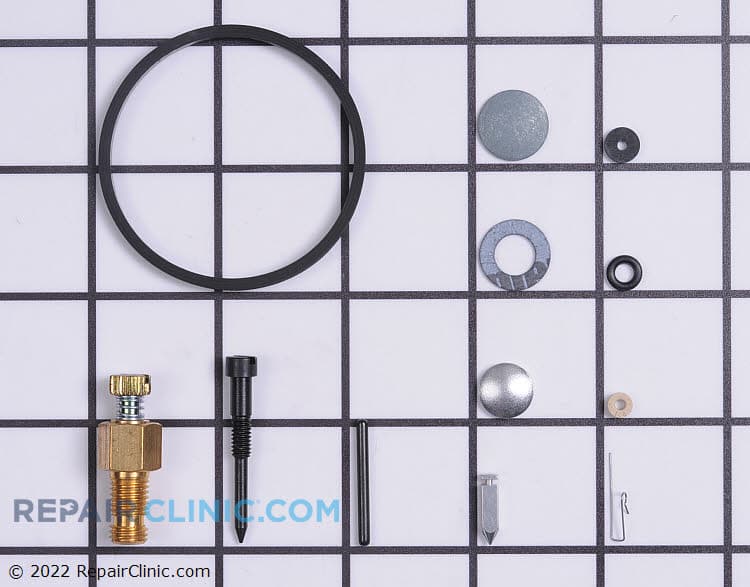
Tecumseh carburetor repair kit.
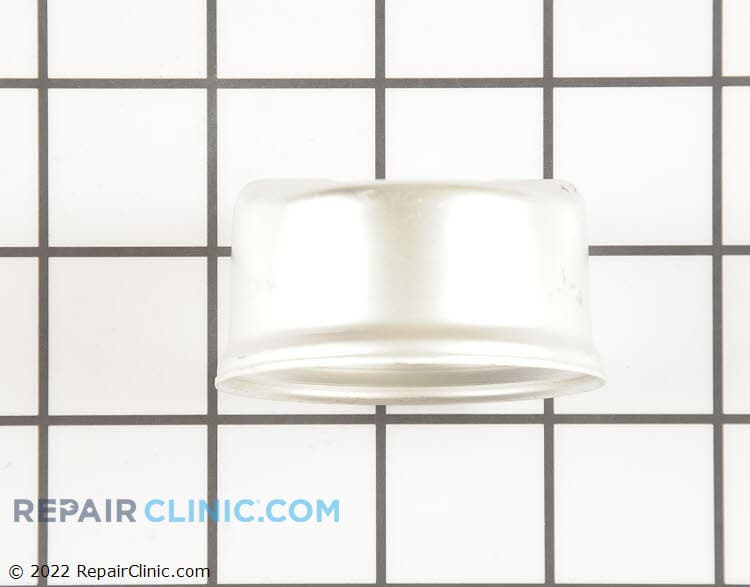
Small engine carburetor float bowl.
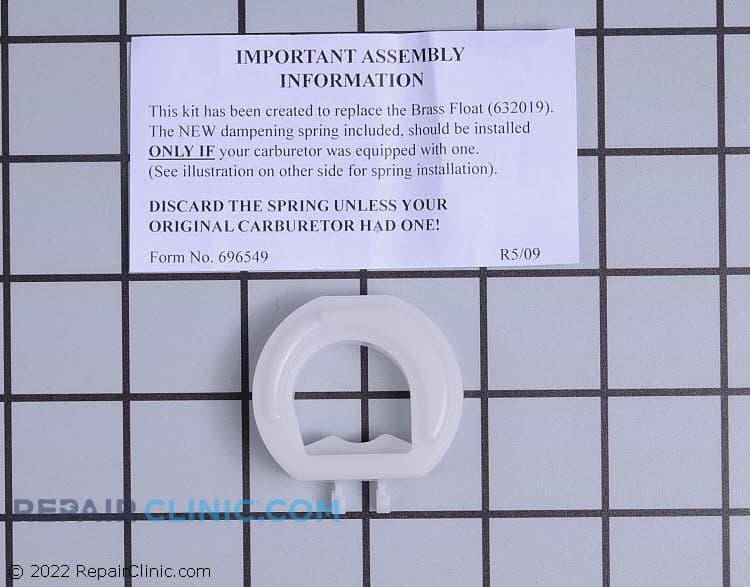
Carburetor float assembly
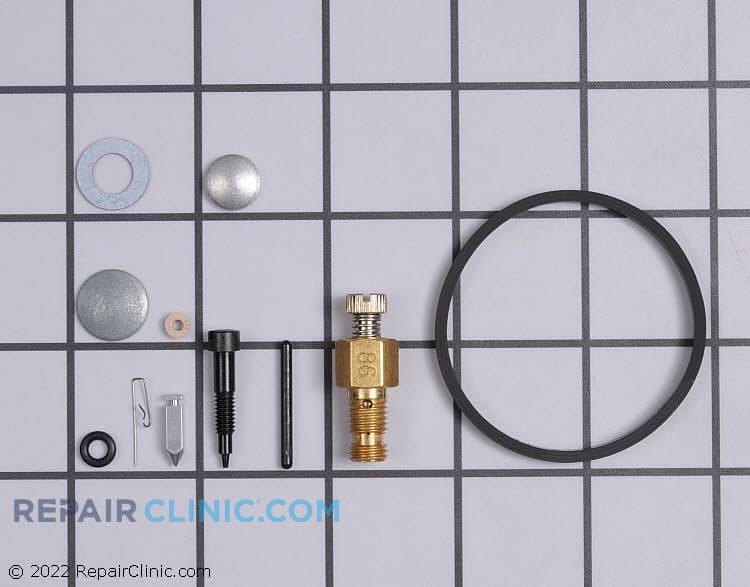
Tecumseh carburetor repair kit.
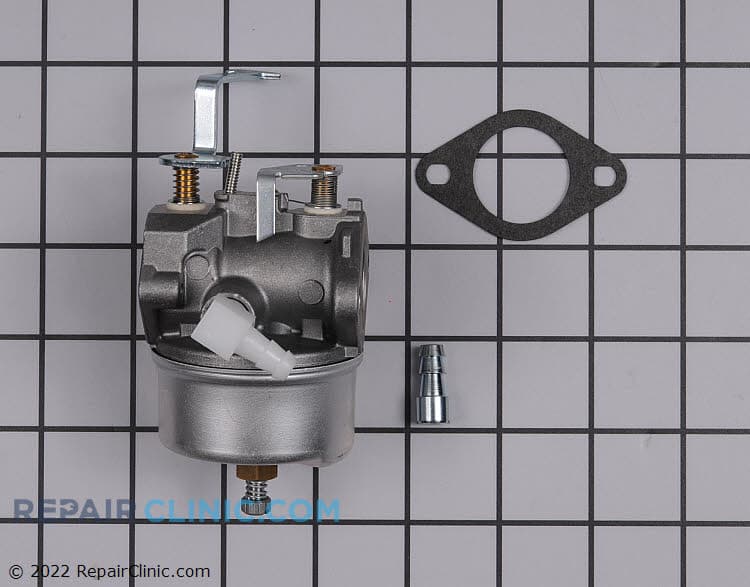
Carburetor
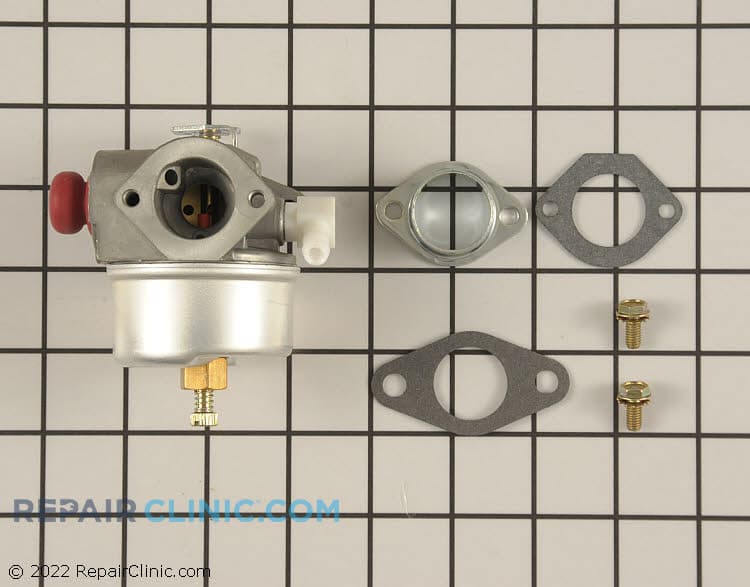
Carburetor
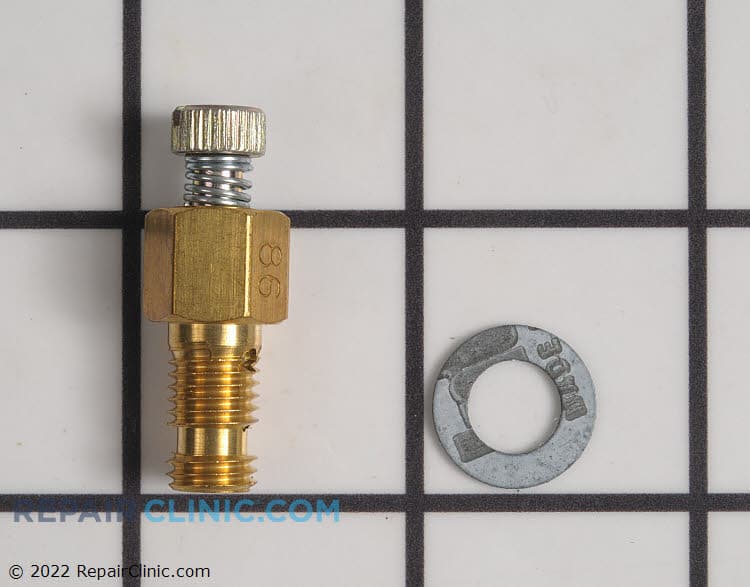
Power screw
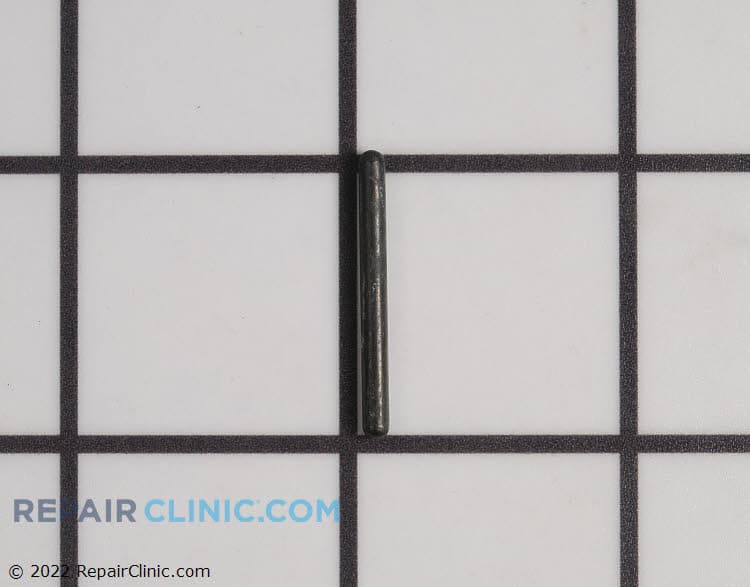
Float shaft
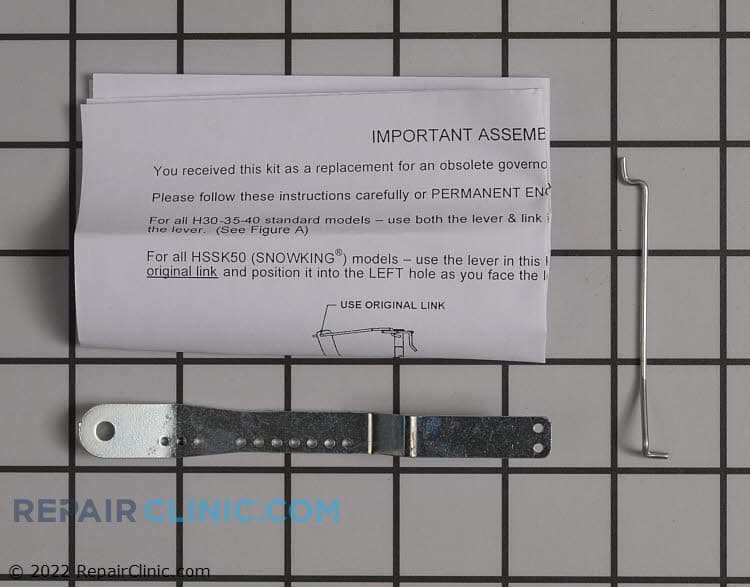
Link and lever
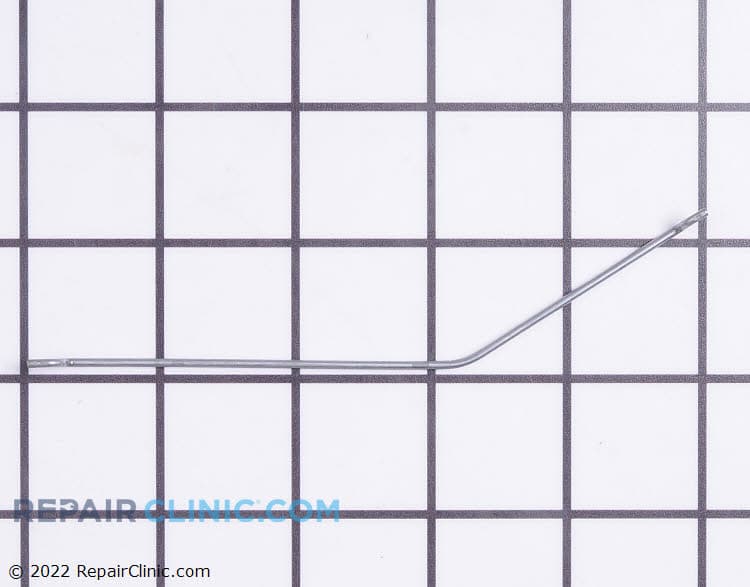
Governor link
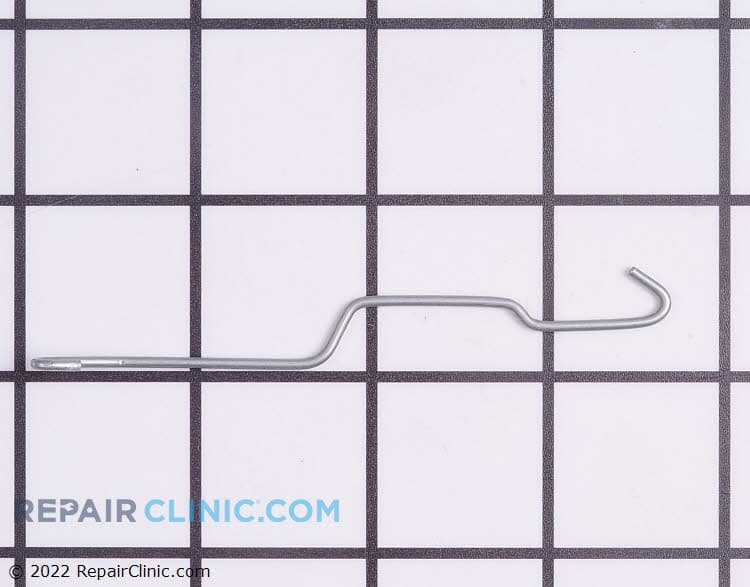
Governor Linkage
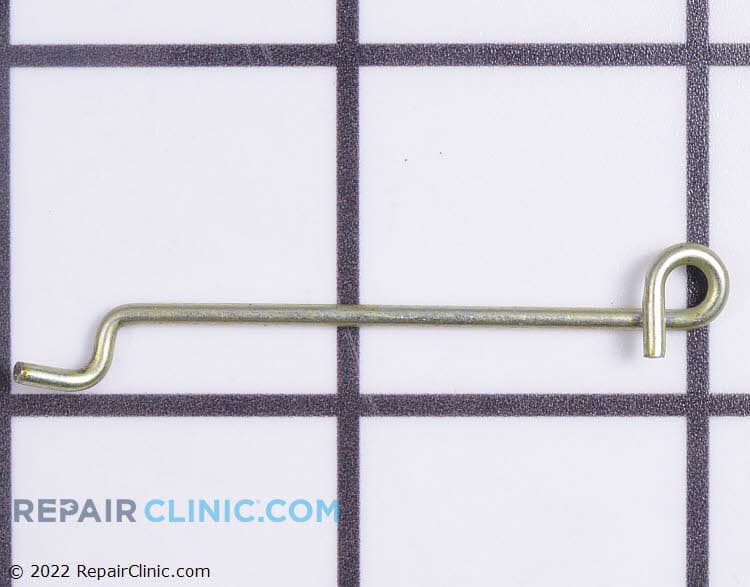
Governor link
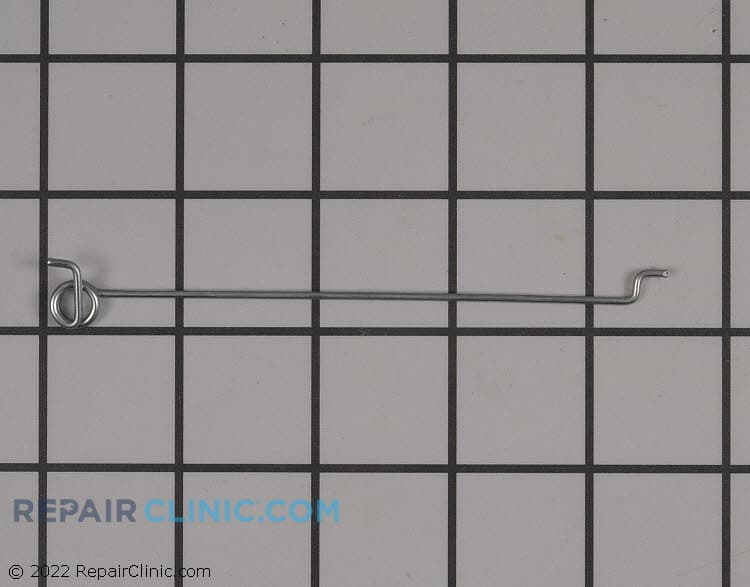
Gov link
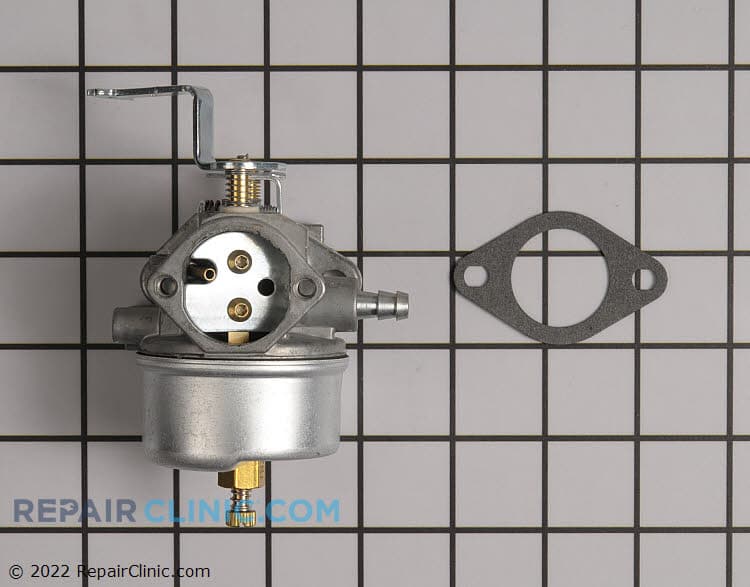
Carburetor
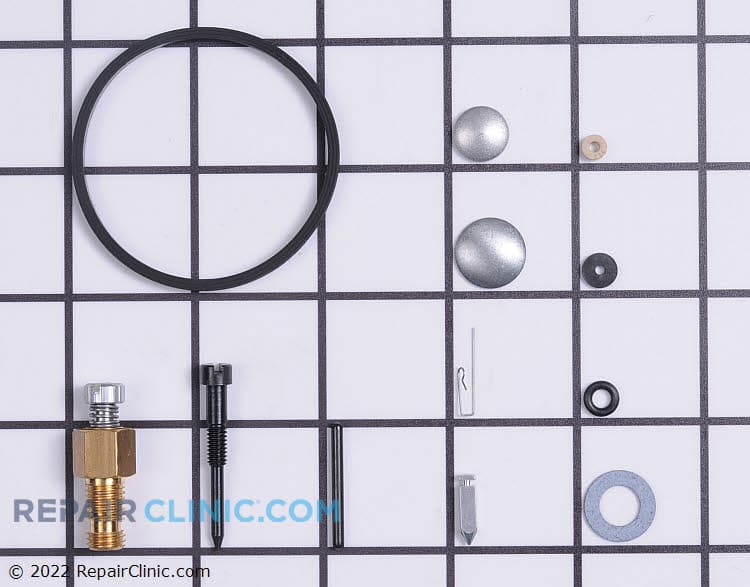
Rebuild Kit


Lauson Carburetor Parts
Lauson small engines power vintage tillers, generators, and outdoor equipment — and when a Lauson carburetor gets sticky or fails to start, ethanol-damaged fuel is usually the culprit. Old gasoline gums up the needle valve and float chamber, preventing fuel flow. A carburetor rebuild kit with new gaskets, seals, and a cleaned jet often restores function without a full replacement.
Whether your Lauson engine is sitting in a shed or still earning its keep on the job site, we carry OEM carburetor kits and complete carburetors for the most common Lauson models. Use your engine model number (stamped on the block, not your equipment) to find the exact match — Lauson carbs cross-reference closely within product families, but specs vary.
- Engine won't start or starts then dies: Carburetor rebuild kit; fuel line blockage; primer bulb cracked
- Engine runs rough or surges: Dirty carburetor jets; bad needle valve; air leak in intake
- Fuel leaking from carburetor: Failed float valve; cracked bowl gasket; overflow tube clogged
- Black smoke or rich running: Needle valve stuck closed; choke not opening; carburetor flooded
- Weak power or stalling under load: Carburetor passageways clogged; main jet restricted; fuel filter blocked
Enter your Lauson engine model number above to verify the correct carburetor assembly or rebuild kit for your application.
Popular Lauson Models
Frequently Asked Questions: Lauson Carburetor Parts
Where do I find my Lauson engine model number?
The model and type number are stamped directly onto the engine block, usually on the side or back near the cooling fins. It's a short alphanumeric code (e.g., LF40, LS40, etc.) — not your equipment's model number. Write it down and use it to search Repair Clinic; that model number tells you the exact carburetor assembly and rebuild kit your engine needs.
What's the difference between a carburetor rebuild kit and a full replacement carburetor?
A rebuild kit includes gaskets, seals, needle valves, and a float — everything inside the bowl. It's perfect if the carburetor body is intact and not cracked. A full carburetor replacement is necessary if the casting is damaged, the bowl is dented beyond repair, or the mounting flange is bent. For Lauson vintage engines, a rebuild kit is often the smarter choice cost-wise and works great if the ethanol gum is a primary problem.
Why does my Lauson engine keep flooding or leaking fuel?
A stuck float or failed float valve is the most common cause — the fuel level rises above the overflow tube and spills out the vent hole. Debris in the needle seat, a cracked bowl gasket, or an aftermarket float that's the wrong weight can also cause it. Before rebuilding, drain the tank and inspect the fuel for water or varnish; bad fuel is often the real culprit. An OEM Lauson carburetor rebuild kit will restore the float assembly to factory spec.
Can I use an aftermarket carburetor on my vintage Lauson engine?
Aftermarket carburetors for older Lauson engines are hit-or-miss — jetting, float weight, and air bleed specs often differ, causing surging, hard starts, or rich running. OEM Lauson carburetors and rebuild kits are engineered for your exact engine displacement and power output. Use your engine model number to confirm the OEM part number, and you'll avoid tuning headaches.

Order Brand-Level Lauson Carburetor Replacement Parts Online
Ordering brand-level lauson carburetor parts online is simple and gives you access to OEM options across every major brand. With same-day shipping on most in-stock items, you'll have your replacement part fast, minimizing downtime. Our model/part number lookup finds the exact OEM part for your unit, and every order is backed by our 365-day return policy and price-match guarantee. Browse our repair help section for troubleshooting tips, part testing guides, and step-by-step installation videos for your specific product.
Locating the Model Number on Your Lauson Carburetor
On Lauson equipment, the model and type number belongs to the engine, not the equipment it powers. Look for it stamped on the engine block, usually along the side or back near the cooling fins. Clean away dirt or grease if the short alphanumeric code is hard to read, then write it down exactly as shown, including letters, numbers, and any hyphens. Type it into our model number lookup and the catalog narrows to parts made for your unit, including the carburetor and related parts. Using the complete engine model number helps separate closely related Lauson product families, so you can order with confidence knowing the fit is right.

Lauson Repair Made Easier with Online Resources
The right online resources take the guesswork out of a Lauson repair. Repair Clinic's diagnostic articles, part testing videos, exploded-view diagrams, and step-by-step written repair guides walk owners and technicians through each stage from symptom identification to final reassembly. Look up your model number to confirm the correct OEM part before you order.
Related Articles: Washing Machine Parts
What Causes A Washing Machine To Stop Working?
What causes a washing machine to stop working? Learn common issues like power failures, faulty lid switches, broken drive belts, and more with troubleshooting tips from Repair Clinic.

Why Won't My Washing Machine Start?
Wondering why your washing machine won't start? Learn common causes like power issues, faulty lid switches, broken timers, and more with expert troubleshooting from Repair Clinic.
What Causes a Washing Machine To Not Spin or Drain?
Is your washing machine not spinning or draining? Learn about common issues like clogged drain pumps, faulty lid switches, and worn drive belts, plus expert repair tips from Repair Clinic.




Family-owned and operated since 1912, Burke America Parts Group is the longest-running genuine appliance, HVAC, and outdoor power equipment parts solution in North America. At Repair Clinic, we're proud to be an international brand trusted by the pros as well as the DIY community.
About Repair Clinic