


 Price Match Guarantee
Honda Lawn Mower Carburetor Parts



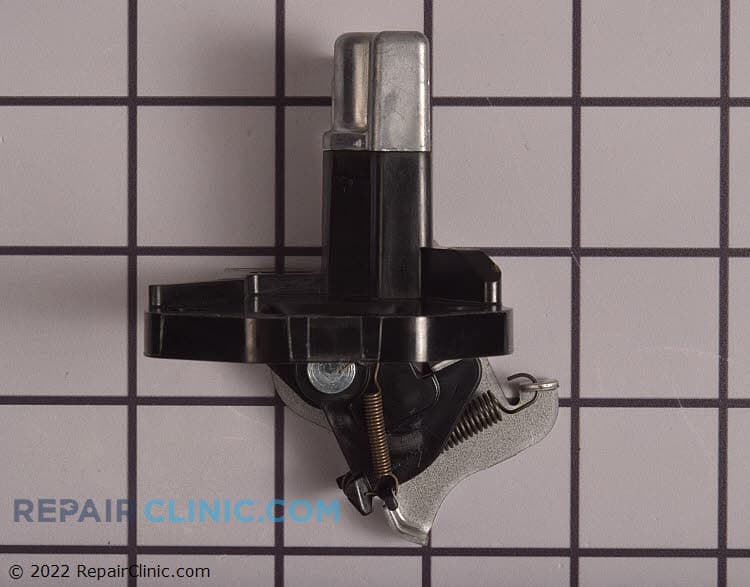
Control assy., choke

Control ass


OEM Honda Lawn Mower Carburetor Parts & Repair Kits
A dirty or malfunctioning carburetor is the #1 reason Honda lawn mowers won't start or run rough. Genuine OEM Honda carburetor parts—including float assemblies, needle jets, gasket kits, and complete carburetors—restore precise fuel-air mixture and reignite reliable engine performance. Repair Clinic stocks OEM Honda carburetors and rebuild kits engineered for your exact model's specifications.
Find the correct Honda lawn mower carburetor parts by entering your model number below. We help ensure fitment and back every order with our satisfaction promise.
- Engine won't start or hard-starts: Stale fuel varnish blocks jets and idle passages
- Rough idle or surging: Worn needle valve or float misalignment floods cylinders
- Black smoke or fouled spark plug: Rich fuel mixture indicates stuck float or worn metering rod
- Fuel leaks from carb overflow: Cracked float bowl or damaged gasket seals
- Stalls under load: Carburetor can't supply enough fuel during mowing
Find Replacement Honda Lawn Mower Carburetor Parts Online by Model or Part Number
Popular Honda Lawn Mower Models
Honda Lawn Mower Carburetor Parts FAQ
What Honda carburetor parts wear out most frequently?
Float needles and seats erode from ethanol fuel sitting all winter, fuel inlet screens clog with debris, and carburetor gaskets harden and crack from heat cycling. Rebuild kits containing these items are the most cost-effective repair for rough idle or starting issues. Genuine OEM Honda kits preserve original engine performance and fuel efficiency better than generic alternatives.
Can I use a universal carburetor on my Honda lawn mower?
No. Honda carburetors are precision-engineered with specific fuel bowl designs, jet sizing, and throttle linkage mounts for each engine model. Using a non-OEM carb risks poor fuel atomization, surging, stalling, and loss of power. Always install a genuine Honda carburetor or rebuild kit matched to your model number for reliable operation.
How do I find my Honda lawn mower's model and carburetor type?
Your model number is stamped on the frame under the seat or on the engine block itself—typically starting with HRR, HRS, or HRT. Once you have the full number, enter it into our parts finder to see your exact carburetor assembly and all compatible rebuild kits. Our system eliminates guesswork and cross-reference errors.
Should I rebuild or replace my Honda carburetor?
If your mower won't start due to stale fuel, a rebuild kit with new gaskets, needle, and float saves money and works well. For physical damage like cracked bowls, bent linkage, or worn main jets, replacement with a new OEM Honda carburetor is safer and includes a warranty. Our parts experts can recommend the best option based on your model's age and condition.
Order Honda Lawn Mower Carburetor Replacement Online
Keep your Honda lawn mower running efficiently by replacing a faulty carburetor promptly. With same-day shipping on most in-stock items, you'll have your replacement part fast, minimizing downtime. Our model/part number lookup finds the exact OEM part for your unit, and every order is backed by our 365-day return policy and price-match guarantee. If your Honda lawn mower carburetor is failing — showing symptoms like reduced performance, unusual noise, or complete non-operation — replacement is typically the fastest fix. Browse our full library of Honda repair resources for troubleshooting guides and installation videos.
Honda Lawn Mower Model Number: Where to Look
On Honda lawn mowers, look for the model number on a label near the mower deck, along the frame, or on the engine housing. Some models place it on the rear of the deck, so check both sides if it is not immediately visible. The number may begin with letters such as HRR, HRS, or HRT, followed by additional characters. Enter the complete model number in the search bar to narrow the catalog to parts made for your entire mower, including carburetors, blades, belts, filters, and other parts. Using the full number pulls up a more accurate fit for your repair and helps prevent ordering parts that do not match your Honda.

Diagnose and Repair Your Honda Lawn Mower Online
Repair Clinic's online resources are built to help you get your Honda Lawn Mower back in service without unnecessary trial and error. Start with the diagnostic article for your symptom, watch a repair video that shows the parts and tools involved, then follow the step-by-step written guide as you work. Part testing walkthroughs confirm the failed component, and the model number lookup confirms the exact OEM part before you order.
Related Articles: Lawn Mower Parts
Why Does My Lawn Mower Start Then Die?
Repair Clinic has five ways for you to stop your lawn mower from leaking gas. Before we get to those, let's review how the gasoline you pour into the tank powers the mower.
The 5 Things You Should Do Before Using Your Lawn Mower
Why does your lawn mower battery keep dying? Repair Clinic has done the research and this article will provide some answers, starting with what a battery's purpose is on a gas-powered lawn mower.

How to Tell If a Lawn Mower Spark Plug is Bad
What's causing that black smoke to billow out of the engine? There are three likely reasons and they are all related to how a gas-powered lawn mower engine operates.




Family-owned and operated since 1912, Burke America Parts Group is the longest-running genuine appliance, HVAC, and outdoor power equipment parts solution in North America. At Repair Clinic, we're proud to be an international brand trusted by the pros as well as the DIY community.
About Repair Clinic