


 Price Match Guarantee
Trane Furnace Heat Exchanger Replacement
Find the right part faster
Multiple models matched. Select your model to confirm fit.





Exchanger; heat
Exchanger; heat
Exchanger;heat
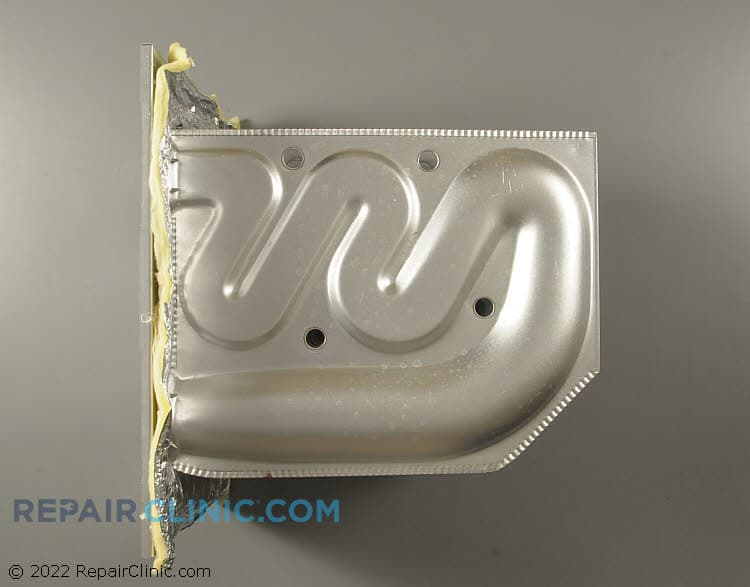
Heat exchanger
Exchanger; heat
Exchanger; heat


Trane Furnace Gas Burner Control Valve & Heat Exchanger Parts
Trane furnaces are built to last, and when gas burner parts fail, OEM replacements are one reliable way to restore reliable operation. The gas valve controls fuel flow during every heating cycle, while the heat exchanger transfers that combustion heat into your home's air stream. Both are critical safety and performance parts — aftermarket or mismatched parts can cause improper firing, incomplete combustion, or dangerous heat exchanger cracks.
Whether your Trane igniter glows but gas won't flow, or you suspect a cracked heat exchanger after a CO scare, the parts you need are here. Repair Clinic carries genuine Trane gas valves, burner assemblies, heat exchanger sections, and all related control parts. Use your model number to confirm exact compatibility — Trane engineering demands precision fit.
- Gas Valve Won't Open: Igniter glows orange, but no gas flows to the burner. Check valve voltage first; if 24V is present, the valve solenoid has failed.
- Weak or Yellow Flame: Burner head misalignment, debris in the orifice, or a partially failed gas valve. Clean the burner head first; if flame remains weak, the valve needs replacement.
- Furnace Dead After Flame Rollout: A cracked heat exchanger triggered the rollout switch — a safety shutoff. Never relight; replace the heat exchanger.
- Hissing or Gas Smell During Startup: Leaking gas valve solenoid or cracked coupling. Do not ignore — this is a safety issue requiring immediate OEM valve replacement.
- No Ignition, No Flame Sense: Gas valve, igniter, and flame sensor all work together. Verify igniter glow first; if present, the issue is the valve or flame sensor.
Find a Replacement Trane Furnace Heat Exchanger Online by Model or Part Number
Trane Furnace Gas Burner & Heat Exchanger FAQ
What's the difference between a Trane gas valve and an aftermarket valve?
Trane gas valves are engineered and calibrated for specific furnace models — pressure drop, flow rate, and solenoid response all matter. Aftermarket valves often cause delayed ignition, yellow flame, or incomplete combustion. OEM Trane valves (typically Honeywell or White-Rodgers branded but Trane-spec'd) help ensure proper fuel delivery and safety interlocks. Always use the OEM valve for your exact model.
How do I know if my heat exchanger is cracked?
A cracked heat exchanger is dangerous — it allows combustion gases (including carbon monoxide) to escape into your home's air. Signs include: rust stains on the furnace exterior, a musty or metallic smell during startup, or the furnace shutting down due to flame rollout. If a flame rollout occurs even once, the heat exchanger must be replaced — do not attempt to relight the furnace. Visual inspection is risky; trust the rollout switch.
Can I just replace the gas valve solenoid, or do I need the whole assembly?
Trane furnaces typically use complete gas valve assemblies that include the solenoid, regulator, and safety shutoff in one unit. While some parts can be serviced separately, Repair Clinic recommends OEM full valve replacement for reliability. A partial rebuild often leads to repeat failures. Use your model number to find the correct Trane gas valve assembly.
What should I check before replacing the gas valve?
First: Verify the igniter glows orange during startup (if it doesn't, replace the igniter, not the valve). Second: Confirm 24V control voltage is reaching the valve solenoid terminals (use a multimeter). Third: Check that the furnace limit switch hasn't tripped — if it has, investigate airflow issues before replacing the valve. If igniter glows, voltage is present, and limit switch is normal, the gas valve solenoid is the likely culprit.
Order Trane Furnace Heat Exchanger Parts Online
Find genuine Trane furnace heat exchanger parts online at Repair Clinic. Our hassle-free 365-day return policy allows you to return uninstalled parts for a full refund if you're not satisfied. Plus, take advantage of our price match guarantee to help you shop with confidence on OEM replacement parts. Simply enter your model number or part number for quick lookup and enjoy same-day shipping on orders placed by 9 PM. Whether you're a DIY homeowner or a professional technician, our selection of Trane heat exchanger parts will help you efficiently repair your furnace. Trust Repair Clinic for all your furnace replacement parts needs.
Trane Furnace Model Number: Where to Look
Trane prints the model number on a rating label, usually on the blower compartment door, inside the front access panel, or near the gas valve. Use the label's model number, not the serial number, when identifying your furnace. Enter it in the model number search to pull up parts matched to your unit. This filters Repair Clinic's full furnace catalog to parts and replacement parts for your specific Trane model, rather than narrowing the search to one category. Check each character carefully, including letters and numbers, because Trane model codes can be easy to misread. That means fewer wrong orders and a faster repair.

Repair Help for Trane Furnace
Whether you own a Trane Furnace or work on one professionally, Repair Clinic's online repair help covers what you need. Start with a symptom guide to narrow the likely cause, then use the model number lookup to confirm the correct replacement part. Written repair instructions and matching videos walk you through each step of the installation for a clean, first-time repair.
Related Furnace Repair Help Articles
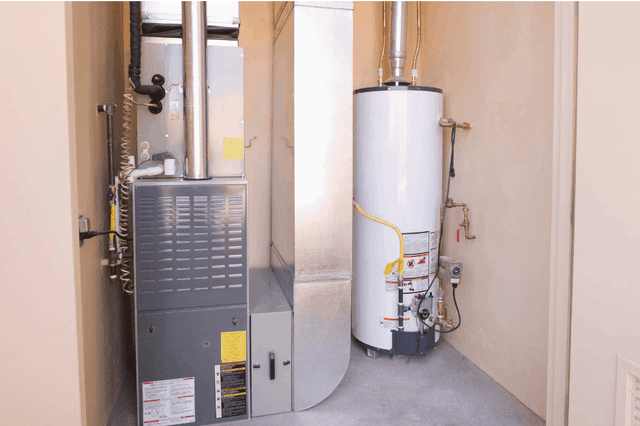
Top Reasons Furnace is Not Igniting
A furnace that fails to ignite can leave your home in the cold. Common issues include a faulty igniter, malfunctioning flame sensor, or a defective draft inducer fan motor. Replacing furnace filters and cleaning furnace parts can help prevent these problems.
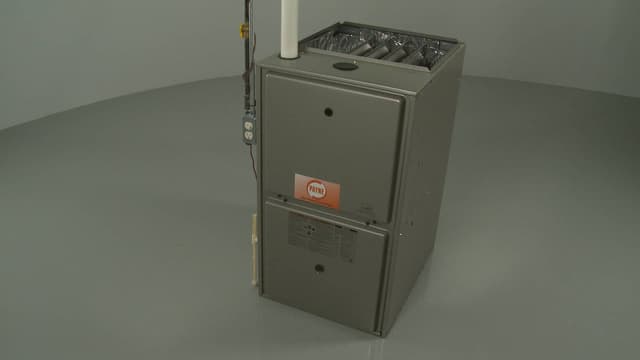
Why is My Furnace Not Working?
Learn why your furnace isn't working by understanding its ignition sequence and identifying common faulty parts like the igniter, flame sensor, or control board. This article provides practical repair tips and insights into each part's role in the heating process.
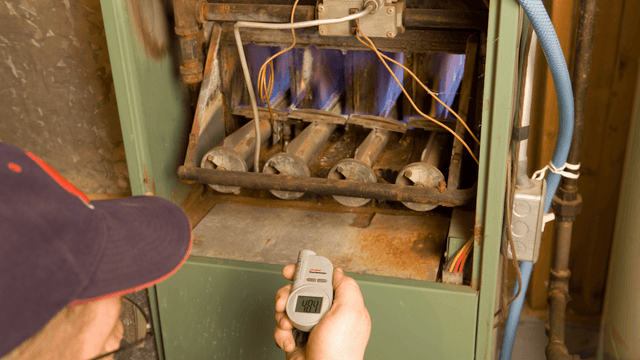
5 Causes of a Furnace Starting Then Stopping
A gas furnace that starts and then stops unexpectedly can be frustrating, especially during cold weather. This article explains five common causes, including issues with the flame sensor, pressure switch, control board, draft inducer fan motor, or air flow. Learn how each cause may impact your furnace's operation and get tips to resolve the problem.




Family-owned and operated since 1912, Burke America Parts Group is the longest-running genuine appliance, HVAC, and outdoor power equipment parts solution in North America. At Repair Clinic, we're proud to be an international brand trusted by the pros as well as the DIY community.
About Repair Clinic