


 Price Match Guarantee
Furnace Pressure Switch Replacement
Find the right part faster
Multiple models matched. Select your model to confirm fit.




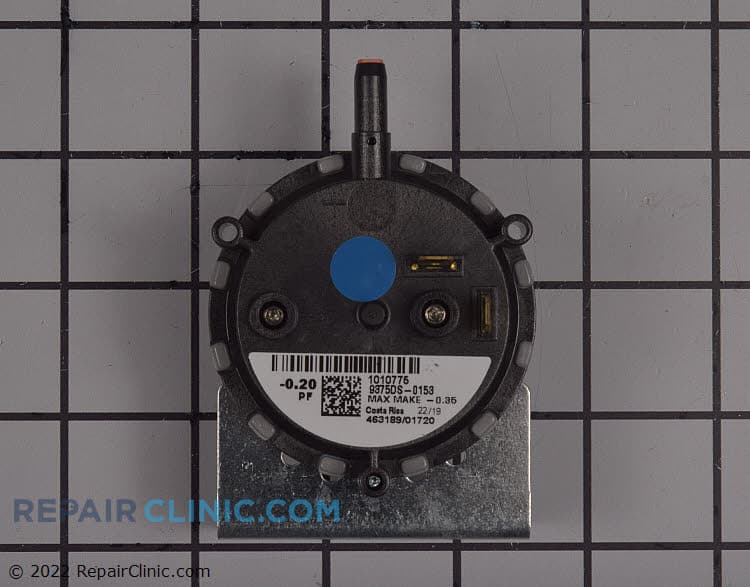
Pressure switch -0.20"pf spst
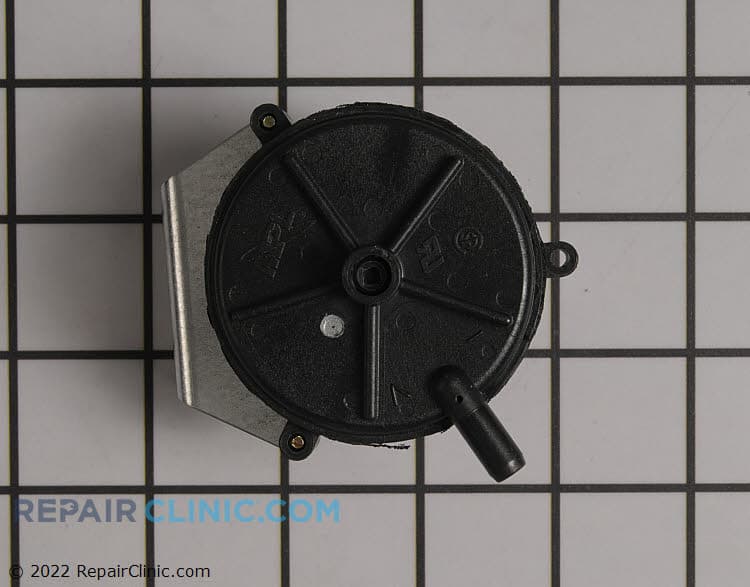
Pressure switch,(-)0.75pf
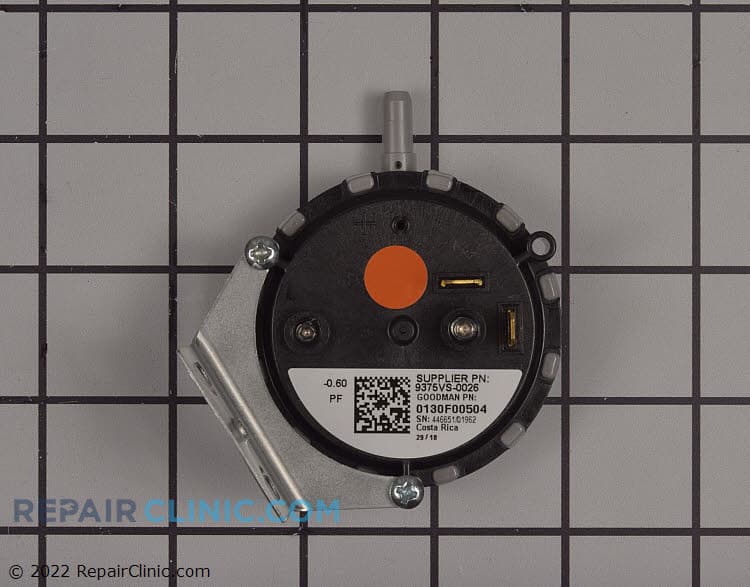
Pressure switch -.6" WC SPST 1/4" barb connection
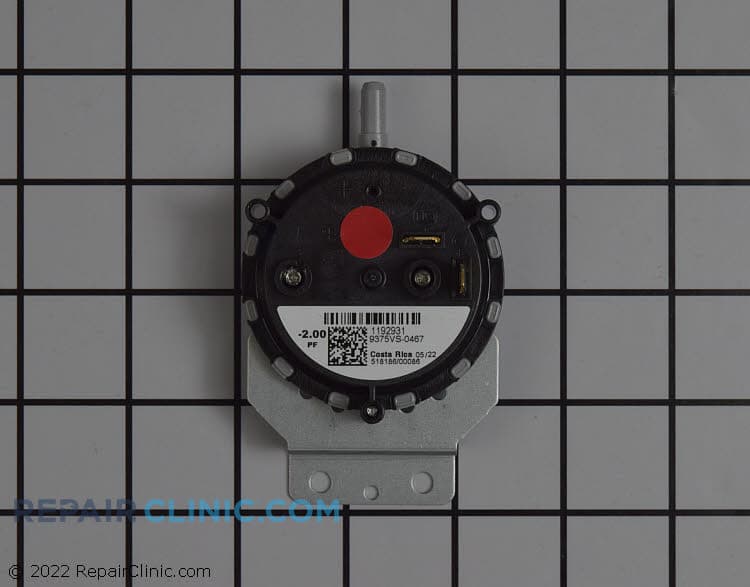
Pressure switch
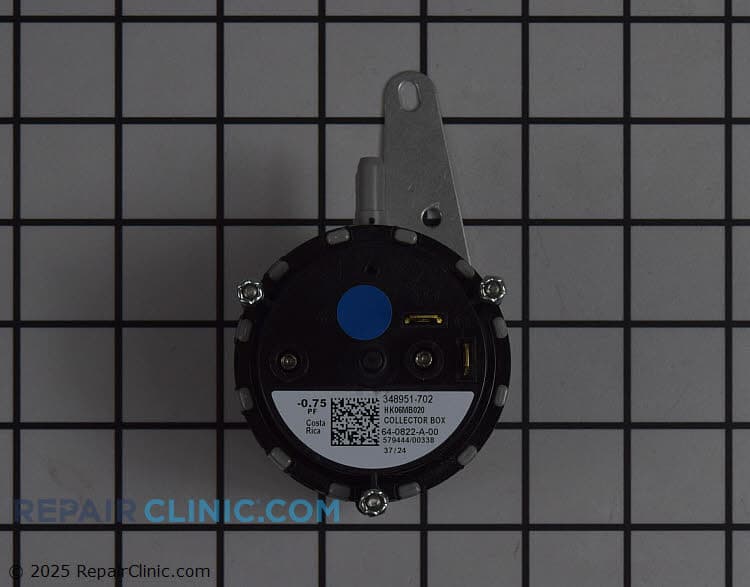
Pressure switch
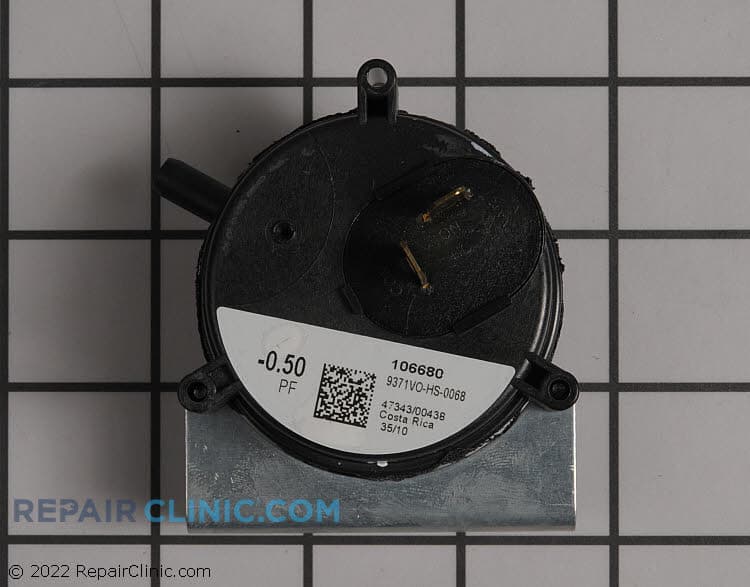
Pressure switch -.5" WC SPNO
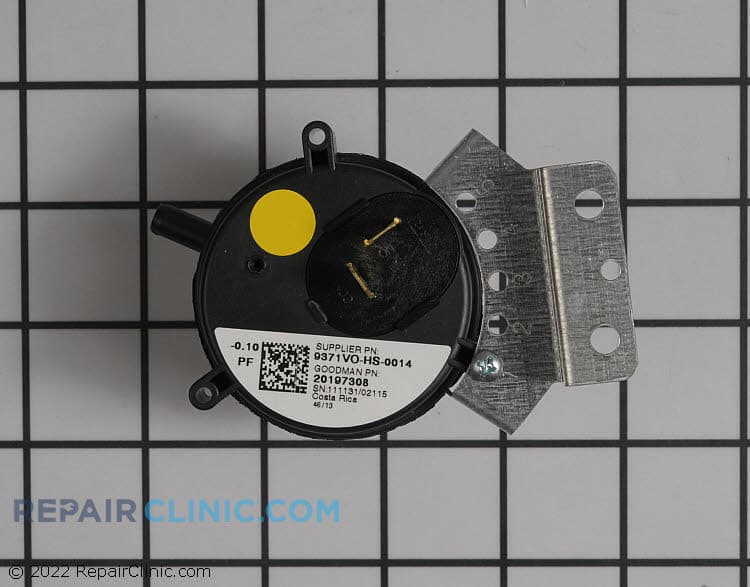
Pressure switch,-.10, yellow
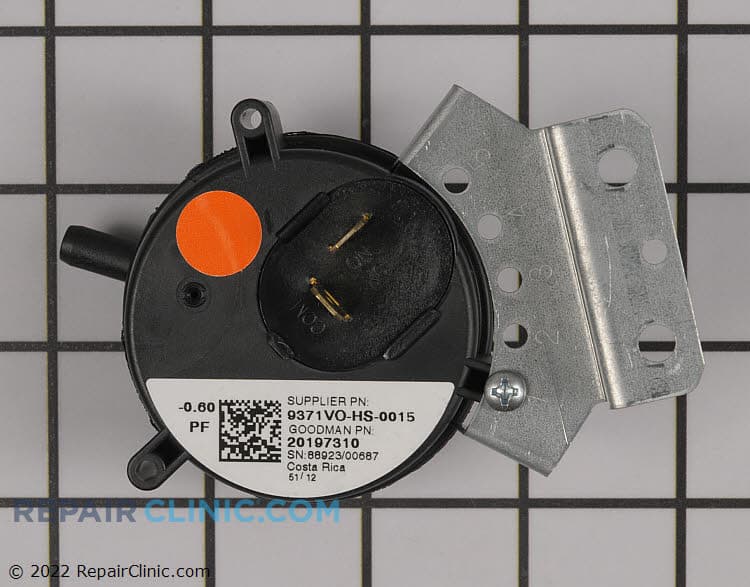
Gas Furnace Pressure Switch
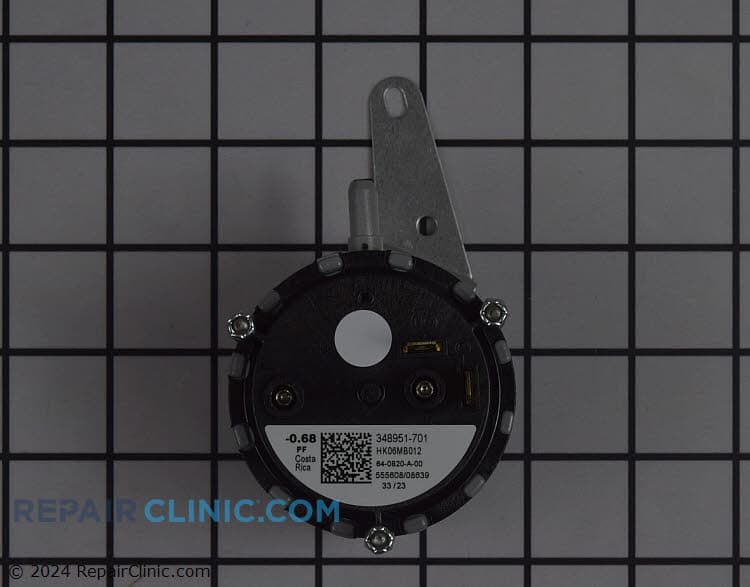
Pressure switch
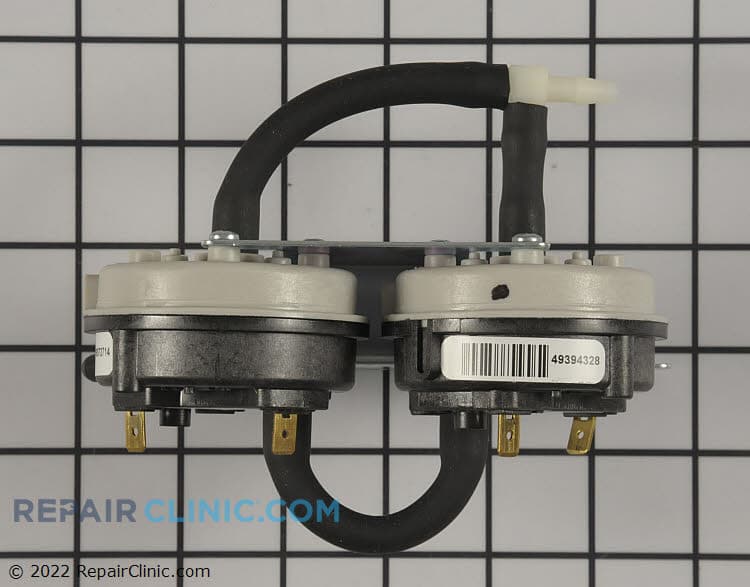
Pressure switch
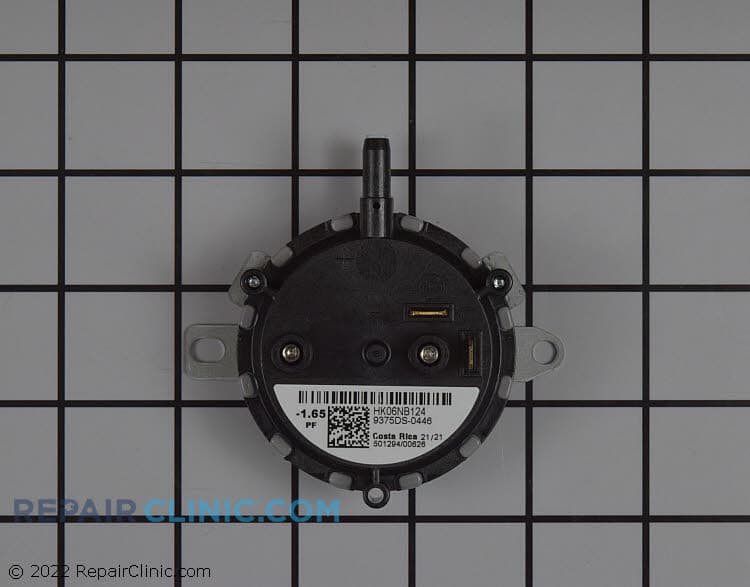
Pressure switch, SPST 1.65"wc, 1/4 barbed connection
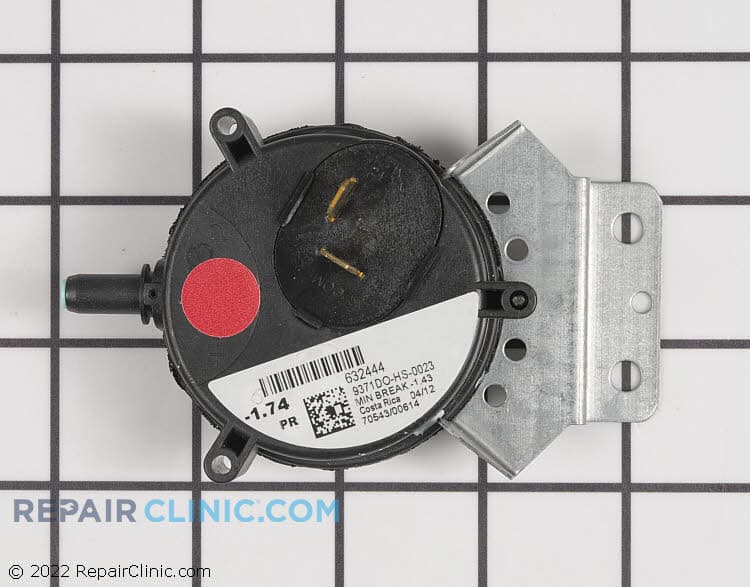
Pressure switch. NO, 1.74C
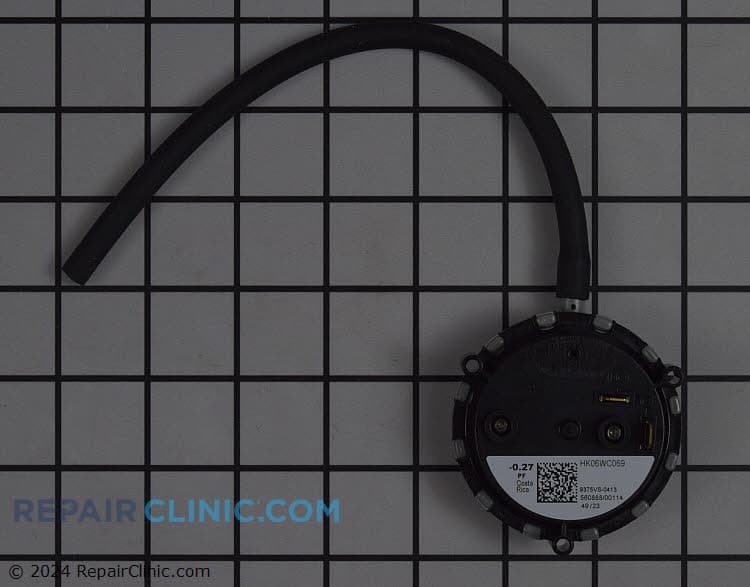
Pressure switch
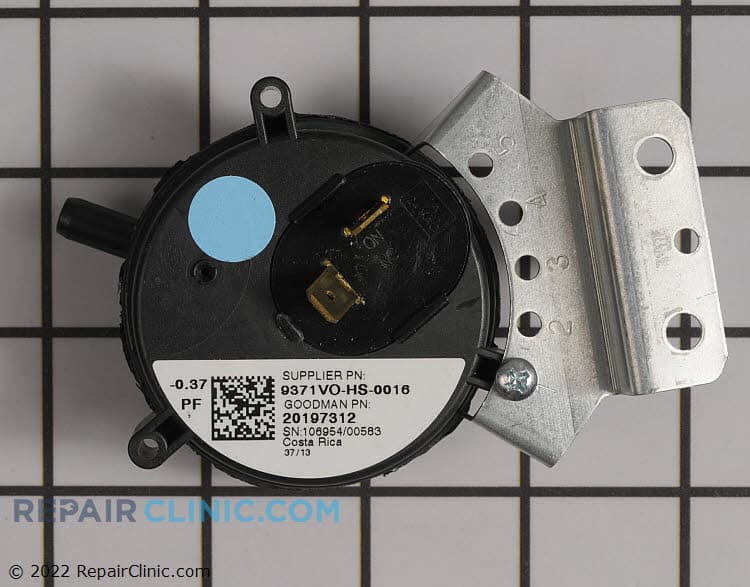
Pressure switch,(-)0.37"pf

Air pressure switch


Furnace Pressure Switch Replacement Parts
A furnace pressure switch is a safety sensor that monitors airflow through your heat exchanger. When the draft inducer motor starts, it creates a slight vacuum in the combustion chamber — the pressure switch confirms that vacuum exists before allowing the igniter and gas valve to fire. No vacuum = no heat cycle.
If your furnace won't start, keeps shutting off seconds into the cycle, or the control board shows pressure switch errors, the switch itself may have failed — or the inducer motor, drain line, or ductwork is blocking airflow. Always check airflow paths first, but when the switch won't close or stays stuck open, replacement is the fix.
- Won't start or keeps stopping mid-cycle: Pressure switch failed to sense proper vacuum
- Control board error codes (E02, pressure fault): Switch sending wrong signal to IFC board
- Inducer motor runs but furnace doesn't heat: Often pressure switch, sometimes cracked hose or blocked drain
- Humming from pressure switch: Solenoid may be stuck; replacement needed
- Visible cracks or loose wiring on switch housing: Replace entire switch assembly
Find a Replacement Furnace Pressure Switch Online by Model or Part Number
Furnace Pressure Switch FAQs
What does a furnace pressure switch do?
The pressure switch is a safety interlock that prevents gas and ignition unless the draft inducer motor is running and creating proper airflow. It senses vacuum (negative pressure) in the heat exchanger — once vacuum reaches the setpoint (typically 0.4 to 0.6 inches of water column), the switch closes and tells the control board it's safe to ignite. If airflow stops, the switch opens and shuts down the furnace.
How do I know if my pressure switch has failed versus an airflow blockage?
Inspect first: Check the rubber hose connecting the pressure switch to the heat exchanger for cracks, kinks, or disconnection. Clear any ice or debris from the exhaust vent (outdoor cap) and the condensate drain line. If airflow paths are clear but the furnace still won't start or shows pressure switch errors, the switch itself has likely failed. And White-Rodgers switches are most common across, and furnaces.
Can I just replace the pressure switch hose instead of the whole switch?
The hose is cheap and worth replacing if cracked or loose — do that first. But if the hose is intact and vacuum readings are correct at the hose, the switch solenoid or sensing element inside has failed and you'll need the whole assembly. Don't ignore a bad switch — it's a safety device that prevents carbon monoxide risk from improper combustion.
What's the difference between a pressure switch for a furnace versus a heat pump?
Furnace pressure switches sense combustion chamber vacuum (negative pressure). Heat pump systems don't have combustion, so they use different safety interlocks. Enter your model number to ensure you get the exact pressure switch type and other major brands and switches are not interchangeable even within the same HVAC family.
Order Furnace Pressure Switches Online
Ensure your furnace operates efficiently with a high-quality pressure switch from Repair Clinic. Our user-friendly platform allows you to find furnace parts by model or part number, to ensure the right fit. With a commitment to genuine OEM parts, our selection supports durability and performance. Whether you're a DIY enthusiast or a professional, our extensive repair help section empowers you to address common issues like faulty pressure switches, igniter problems, or gas valve malfunctions with confidence. Experience the benefits of same-day shipping and make your repair journey smooth and cost-effective with Repair Clinic.
Model Number Basics for Furnace Owners
Before ordering, locate the furnace model number on the blower compartment door, inside the front access panel, or near the gas valve. Look for the equipment rating plate or a printed label, and copy the complete model number exactly, including letters, numbers, and any slashes. Enter it in the model number lookup to narrow the catalog to parts made for your furnace. This model information applies to the entire unit, so it helps match the pressure switch along with any other associated furnace parts you may need. Using the full number is the quickest way to be sure the part fits before you order.

Step-by-Step Repair Resources for Furnace
Before you order parts for your Furnace, use Repair Clinic's online repair resources to confirm the cause of the problem. Symptom-based articles narrow the failing component, part testing videos show how to verify it, and the model number lookup matches the exact OEM replacement. Step-by-step installation videos walk you through the swap once the part arrives.
Related Furnace Repair Help Articles
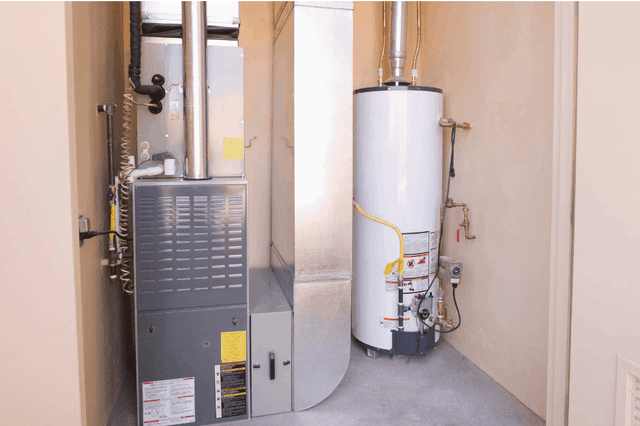
Top Reasons Furnace is Not Igniting
A furnace that fails to ignite can leave your home in the cold. Common issues include a faulty igniter, malfunctioning flame sensor, or a defective draft inducer fan motor. Replacing furnace filters and cleaning furnace parts can help prevent these problems.
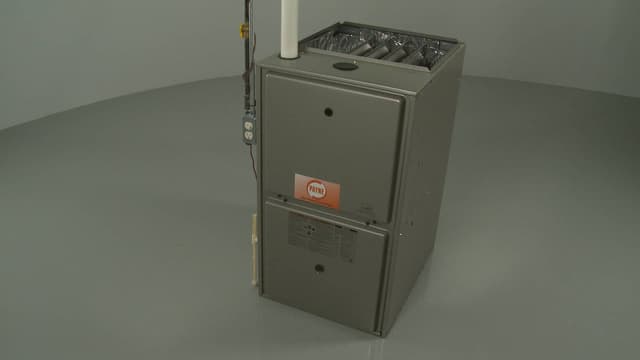
Why is My Furnace Not Working?
Learn why your furnace isn't working by understanding its ignition sequence and identifying common faulty parts like the igniter, flame sensor, or control board. This article provides practical repair tips and insights into each part's role in the heating process.
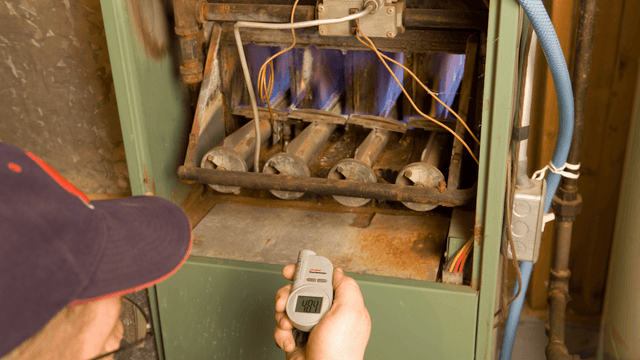
5 Causes of a Furnace Starting Then Stopping
A gas furnace that starts and then stops unexpectedly can be frustrating, especially during cold weather. This article explains five common causes, including issues with the flame sensor, pressure switch, control board, draft inducer fan motor, or air flow. Learn how each cause may impact your furnace's operation and get tips to resolve the problem.




Family-owned and operated since 1912, Burke America Parts Group is the longest-running genuine appliance, HVAC, and outdoor power equipment parts solution in North America. At Repair Clinic, we're proud to be an international brand trusted by the pros as well as the DIY community.
About Repair Clinic