


 Price Match Guarantee
GE Washing Machine Pump Gasket Replacement
Find the right part faster
Multiple models matched. Select your model to confirm fit.



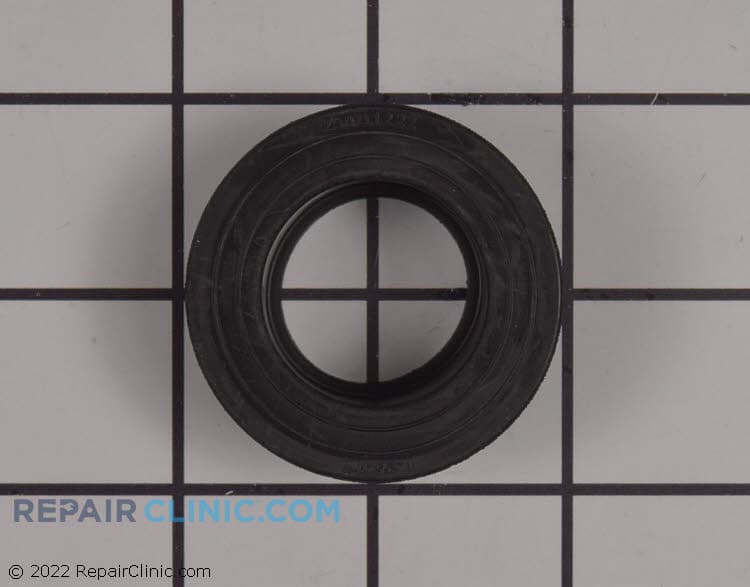
Drain pump seal


GE Washing Machine Gasket & Seal Parts
GE washers rely on gaskets and seals to keep water where it belongs — inside the drum and pump system. When these seals fail, you'll notice leaks during the wash or drain cycle, or water pooling under the machine. The most common culprit is a worn pump outlet seal or a cracked drain hose connection gasket, but drum seals on some models also wear out from years of agitation and spin cycles.
We carry OEM GE gasket and seal parts for both top-load and front-load machines. Getting the exact part for your model matters because seal profiles vary — an aftermarket or wrong-model seal won't compress the same way, and leaks will return quickly. Use your GE model number to find the right replacement.
- Pump outlet gasket: Water leaks from pump area during drain cycle
- Drain hose connection seal: Leaking at pump-to-hose connection
- Door boot seal (front-load): Mold, mildew, or water leaking from door area
- Agitator seal: Water leaking around base of agitator (top-load)
- Tub seal or bearing seal: Water leaking from rear of drum area
Find a Replacement GE Washing Machine Pump Gasket Online by Model or Part Number
Popular GE Washing Machine Pump Gasket Models
GE Washing Machine Gasket & Seal Parts — FAQ
What's the difference between a pump gasket and a drain hose seal on a GE washer?
The pump gasket sits inside the pump body where water enters from the tub. A drain hose seal is the rubber gasket or O-ring where the pump connects to the drain hose outlet. Both can fail independently — pump gasket failure shows water dripping from under the machine during drain, while drain hose seal failure shows water spraying or leaking at the hose connection point.
Why do GE front-load door boot seals fail so often, and what's the fix?
The door boot seal (also called a door gasket) creates a watertight seal between the door and the wash drum. Detergent buildup, mold, and constant flexing during spin cycles all wear the rubber. When it fails, you'll see water pooling at the door or smell mold. An OEM GE boot seal is the right fix — aftermarket seals often don't compress evenly, leading to repeat leaks. Order by your exact model number to help support proper fitment.
How do I know which gasket or seal I need for my GE washer?
Start with your model number (found on a label inside the door jamb or on the back of the unit). Different GE washer series — like the Hydrowave top-load or the front-load Unitized tub design — use completely different seal kits. Enter your model number in the search bar to see all compatible gasket and seal parts for your machine. If you're not sure which seal is leaking, note the exact location of the leak — pump area, drain connection, door, or around the agitator — and match it to the part description.
Can I replace just the seal, or do I need to replace the whole pump assembly?
For most GE pump gasket failures, the seal alone is the correct replacement. However, if the pump housing itself is cracked or the connection threads are stripped, you'll need the entire pump assembly. Our part listings show both options — check your leak location and the photos to confirm whether a gasket or the full pump assembly is right for your repair.
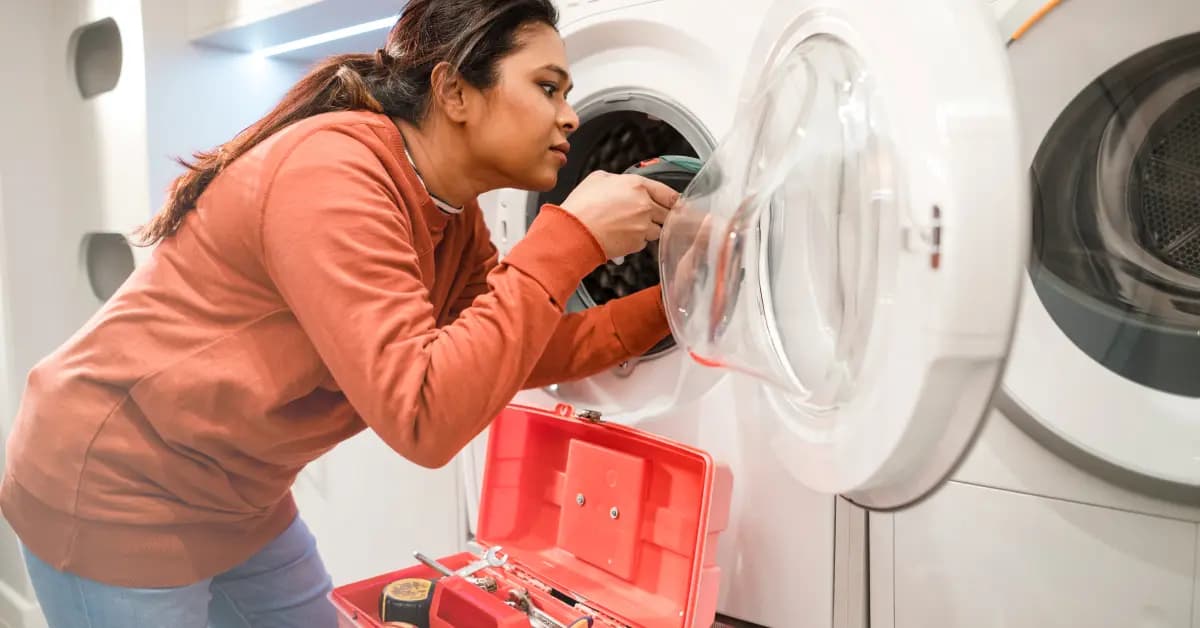
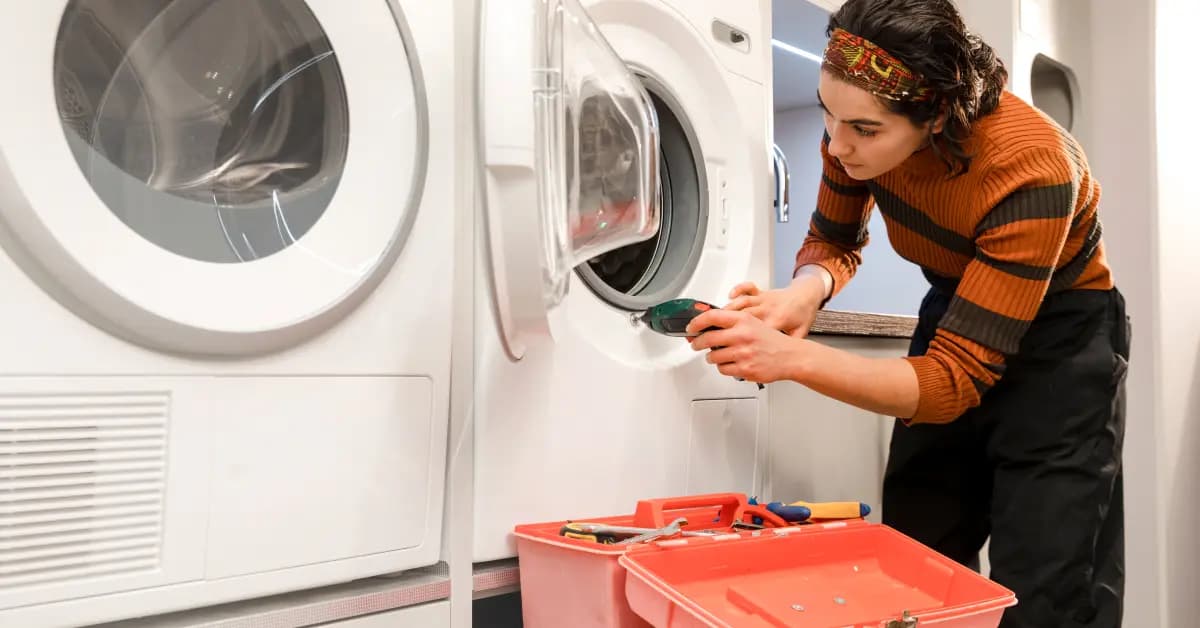
Convenient Online Ordering for GE Washing Machine Pump Gasket Replacement
Ensure your GE washing machine operates efficiently with genuine OEM pump gasket replacements from Repair Clinic. A properly sealing pump gasket is key to prevent leaks and maintain the water pressure needed for effective washing. Use our model number lookup to find the exact pump gasket for your GE appliance, and enjoy the convenience of same-day shipping and our Price Match Guarantee. For installation guidance, visit our Washing Machine Repair Help page. Find additional parts options such as GE Washing Machine Drum & Tub Parts to ensure your appliance runs smoothly.
GE Washing Machine Model Number: Where to Look
GE places the model number label inside the door frame or lid on many washing machines. If you do not see it there, check the back panel or the top edge of the tub opening. The label may also include the serial number, so look specifically for the model information before recording it. Enter the complete model number in the search bar to filter the full selection to parts that fit your GE washer. This model-based search applies to the entire machine and its associated parts, not just one part. It is the quickest way to be sure the part fits before you order.

Repair Help for GE Washing Machine
Whether you own a GE Washing Machine or work on one professionally, Repair Clinic's online repair help covers what you need. Start with a symptom guide to narrow the likely cause, then use the model number lookup to confirm the correct replacement part. Written repair instructions and matching videos walk you through each step of the installation for a clean, first-time repair.
Related Articles: Washing Machine Parts
What Causes A Washing Machine To Stop Working?
Learn common reasons your washing machine suddenly stops working, from power issues to faulty parts, and how to troubleshoot the problem effectively.

Why Won't My Washing Machine Start?
If your washing machine won't turn on, find potential causes like door switch malfunctions, control board failures, or electrical issues, along with steps to fix them.
What Causes a Washing Machine To Not Spin or Drain?
Learn why your washer isn't spinning or draining properly, from clogged drain hoses to worn-out drive belts, and find solutions to restore its performance.




Family-owned and operated since 1912, Burke America Parts Group is the longest-running genuine appliance, HVAC, and outdoor power equipment parts solution in North America. At Repair Clinic, we're proud to be an international brand trusted by the pros as well as the DIY community.
About Repair Clinic