


 Price Match Guarantee
Lawn Mower Rear Door Assembly Replacement
Find the right part faster
Multiple models matched. Select your model to confirm fit.



Door.rear.22plus.mb.fgd.safety

Kit door assembly


Rear door asm
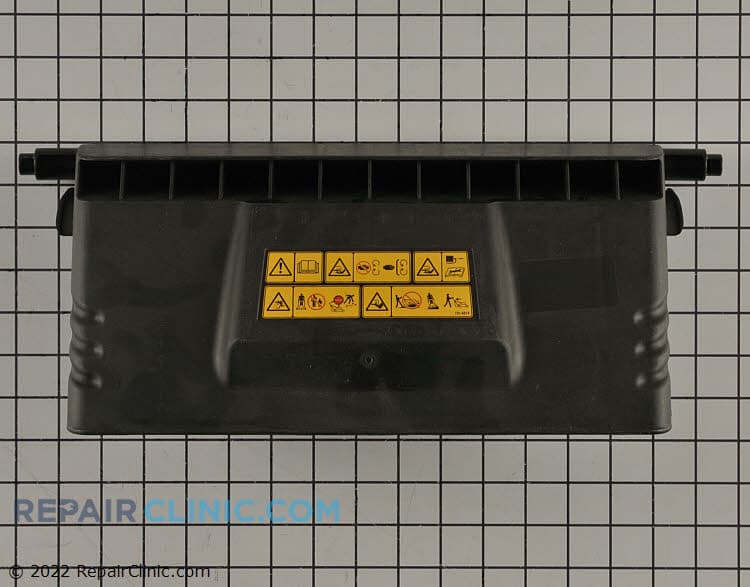
Rear deflector asm

Door.rear.asm.22+gen.fg/rg.498

Guard,disch
Rear door asm

Rear door kit

Kit.door.rr.22.pl

Guard
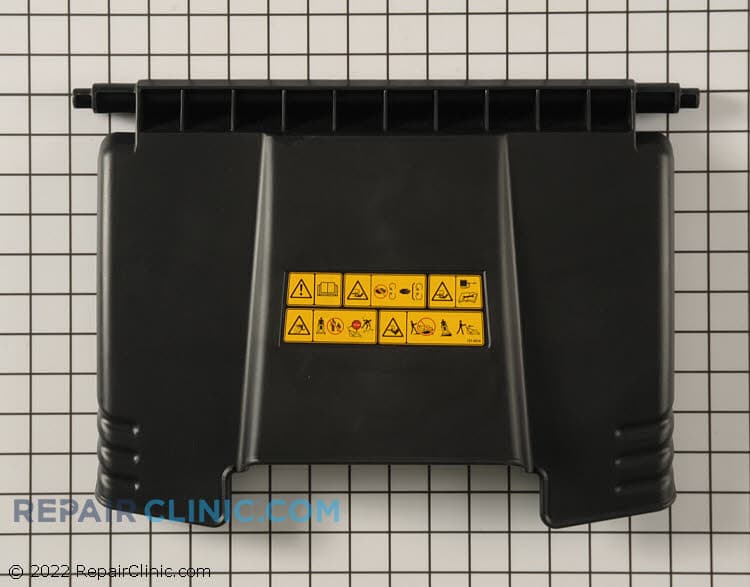
Rear door asm
Door assembly
Rear door asm
Rear door asm
Rear door asm


OEM Lawn Mower Deflector Chute & Rear Door Assembly Parts
The rear door assembly and deflector chute are critical safety parts that direct grass discharge and protect you from flying debris. When yours cracks, warps, or won't latch properly, Repair Clinic stocks genuine OEM replacements that fit your exact mower model and restore full functionality. Our parts are backed by manufacturer specifications—no guesswork, no compatibility issues.
Common signs your rear door needs replacement include visible cracks, missing mounting tabs, a chute that won't stay closed, or grass clumping around the discharge area. Order your lawn mower deflector chute and rear door assembly parts today and get back to clean, safe mowing.
- Cracked or split chute housing — discharge area leaking grass or debris
- Broken latch or hinge pins — door won't stay closed during operation
- Warped or bent deflector — uneven grass discharge or clogging
- Missing mounting brackets — chute rattles or separates from deck
- Worn strike plate — poor door alignment causing safety gaps
Find a Replacement Lawn Mower Rear Door Assembly Online by Model or Part Number
Popular Lawn Mower Rear Door Assembly Models
Lawn Mower Rear Door Assembly Questions & Answers
What causes a lawn mower rear door to stop closing properly?
Worn or broken latch springs, bent strike plates, and damaged hinge pins are the most common culprits. Over time, vibration and repeated opening can wear these parts. Inspect the latch mechanism and hinges for visible damage or rust, and replace any bent or cracked parts immediately for safe operation.
Can I replace just the chute deflector, or do I need the whole assembly?
It depends on your mower model and the type of damage. Some manufacturers sell chute parts separately, while others require the full rear door assembly. Check your model number in our parts diagrams—we'll show you exactly what's available for your machine.
How do I find my lawn mower model number for the correct rear door part?
Look for a metal or plastic badge on the frame, under the seat, or near the engine. Model numbers typically appear on a sticker with the brand name. Take a photo and search our site, or contact our parts experts with your brand and model—we'll match you to the right OEM rear door assembly in seconds.
Is there a difference between original equipment rear doors and aftermarket replacements?
Yes—OEM parts are engineered by your mower's manufacturer to exact specifications, supporting proper fitment, finish quality, and safety performance. Aftermarket parts may fit loosely, lack durability, and won't support proper fit and performance. Repair Clinic stocks only genuine parts for peace of mind.
Shop Lawn Mower Rear Door Assembly Replacement Parts Online
Ensure your Lawn Mower operates safely and efficiently with genuine OEM rear door assembly replacement parts from Repair Clinic. The rear door assembly is key for maintaining mower safety and preventing debris discharge. Use our model number lookup to find the exact rear door assembly part for your Lawn Mower, and enjoy the convenience of same-day shipping, No-Hassle 365-Day Returns, and a Price Match Guarantee. Need installation guidance? Visit our Lawn Mower Repair Help page or browse other Lawn Mower Parts for additional solutions.
Filter Lawn Mower Parts by Your Model Number
Check the frame near the blade deck for a model number label or metal plate on your lawn mower. If it is not there, look under the seat or on the engine housing. The model number may appear alongside the brand name, serial number, or other equipment details, so copy it carefully, including letters, numbers, and hyphens. Enter that number in the model number search to pull up the parts matched to your unit. This filters the full lawn mower parts catalog, not just rear doors or deflectors, to parts designed for your exact mower. That means fewer wrong orders and a faster repair.

Step-by-Step Repair Resources for Lawn Mower
Before you order parts for your Lawn Mower, use Repair Clinic's online repair resources to confirm the cause of the problem. Symptom-based articles narrow the failing component, part testing videos show how to verify it, and the model number lookup matches the exact OEM replacement. Step-by-step installation videos walk you through the swap once the part arrives.
Related Articles: Lawn Mower Repair

The 5 Ways You Can Stop Your Lawn Mower From Leaking Gas
Repair Clinic has five ways for you to stop your lawn mower from leaking gas. Before we get to those, let's review how the gasoline you pour into the tank powers the mower.
Why Does My Lawn Mower Battery Keep Dying?
Why does your lawn mower battery keep dying? Repair Clinic has done the research and this article will provide some answers, starting with what a battery's purpose is on a gas-powered lawn mower.
Lawn Mower Maintenance: No Smoking Allowed
What's causing that black smoke to billow out of the engine? There are three likely reasons and they are all related to how a gas-powered lawn mower engine operates.




Family-owned and operated since 1912, Burke America Parts Group is the longest-running genuine appliance, HVAC, and outdoor power equipment parts solution in North America. At Repair Clinic, we're proud to be an international brand trusted by the pros as well as the DIY community.
About Repair Clinic