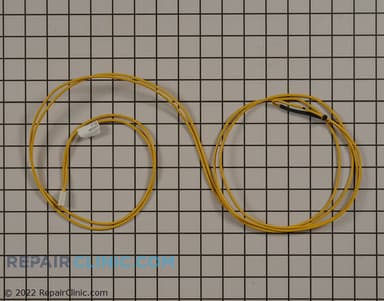
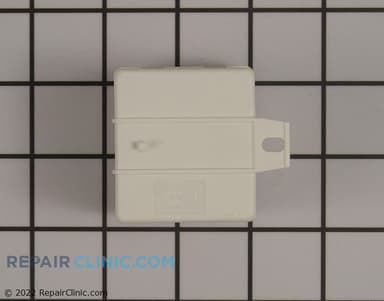
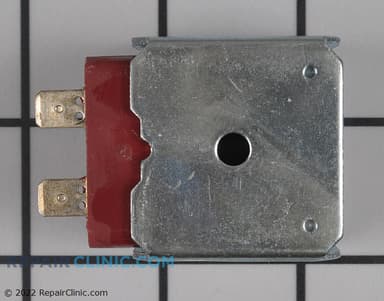
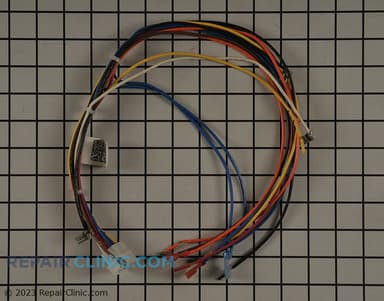
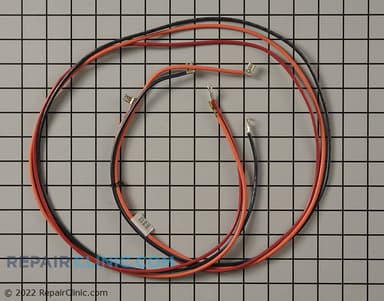
Maintain the performance of your Trane 2TWB3024A1000AA Heat Pump with genuine replacement parts from Repair Clinic. This is a 2 ton, R-22 heat pump from Trane’s XB13 series, the base tier heat pump platform in the brand’s older, pre-2010 lineup. Whether you are troubleshooting a specific symptom or refreshing routine maintenance items, our inventory covers the capacitor, contactor, fan motor, and defrost board this unit depends on most. Browse the complete Trane parts catalog for every component built for this model.
About This Trane Heat Pump
This heat pump’s model number follows Trane’s older outdoor unit nomenclature, used before the brand’s post 2010 shift to R-410A across its residential lineup: the leading 2 identifies R-22 refrigerant, T marks a split system heat pump, W denotes the product family, B designates the Basic tier positioned below the XR13 line in features, and 024 identifies the 2 ton nominal capacity within a lineup spanning 1.5 through 5 tons. This XB13 platform uses an all aluminum Spine Fin outdoor coil and a DuraTuff weatherproof base similar to its XR13 sibling, but with fewer standard features, and it relies on a reversing valve, a component not present on cooling only equipment, to switch refrigerant flow between heating and cooling modes. Because R-22 has been phased out of new production, any sealed system service on this unit requires reclaimed or recycled refrigerant and EPA 608 certification. Scheduling a professional tune up each spring and fall, in addition to routine filter and coil checks a homeowner can handle personally, helps catch small refrigerant or electrical issues before they turn into a costly compressor failure. Keeping shrubs, leaves, and yard debris cleared from around the outdoor unit maintains the airflow the condenser coil needs to operate efficiently in both heating and cooling modes throughout the year. A homeowner can safely check that the outdoor coil fins are not visibly bent or clogged with debris, though any work involving the refrigerant circuit itself should be left to a licensed, EPA 608 certified technician. Because this equipment cycles on in both winter and summer, an electrical connection that loosens over time from vibration is more likely to show up as an intermittent fault than it would on cooling only equipment. Rinsing the outdoor coil gently with a garden hose once or twice a year, with power to the unit disconnected first, removes pollen and airborne debris that gradually restricts airflow across the fins. Confirming the outdoor unit sits level on its pad also matters over time, since a unit that has settled unevenly can place extra strain on refrigerant lines and electrical connections at the base of the cabinet. Replacing the indoor filter on schedule protects more than just airflow, since a severely restricted filter can eventually cause the indoor coil to freeze, which in turn reduces heating and cooling output system wide. Scheduling a professional tune up each spring and fall, in addition to routine filter and coil checks a homeowner can handle personally, helps catch small refrigerant or electrical issues before they turn into a costly compressor failure. Keeping shrubs, leaves, and yard debris cleared from around the outdoor unit maintains the airflow the condenser coil needs to operate efficiently in both heating and cooling modes throughout the year. A homeowner can safely check that the outdoor coil fins are not visibly bent or clogged with debris, though any work involving the refrigerant circuit itself should be left to a licensed, EPA 608 certified technician. Because this equipment cycles on in both winter and summer, an electrical connection that loosens over time from vibration is more likely to show up as an intermittent fault than it would on cooling only equipment. Rinsing the outdoor coil gently with a garden hose once or twice a year, with power to the unit disconnected first, removes pollen and airborne debris that gradually restricts airflow across the fins. Confirming the outdoor unit sits level on its pad also matters over time, since a unit that has settled unevenly can place extra strain on refrigerant lines and electrical connections at the base of the cabinet. Replacing the indoor filter on schedule protects more than just airflow, since a severely restricted filter can eventually cause the indoor coil to freeze, which in turn reduces heating and cooling output system wide. Scheduling a professional tune up each spring and fall, in addition to routine filter and coil checks a homeowner can handle personally, helps catch small refrigerant or electrical issues before they turn into a costly compressor failure. Keeping shrubs, leaves, and yard debris cleared from around the outdoor unit maintains the airflow the condenser coil needs to operate efficiently in both heating and cooling modes throughout the year. A homeowner can safely check that the outdoor coil fins are not visibly bent or clogged with debris, though any work involving the refrigerant circuit itself should be left to a licensed, EPA 608 certified technician. Because this equipment cycles on in both winter and summer, an electrical connection that loosens over time from vibration is more likely to show up as an intermittent fault than it would on cooling only equipment. Rinsing the outdoor coil gently with a garden hose once or twice a year, with power to the unit disconnected first, removes pollen and airborne debris that gradually restricts airflow across the fins. Confirming the outdoor unit sits level on its pad also matters over time, since a unit that has settled unevenly can place extra strain on refrigerant lines and electrical connections at the base of the cabinet. Replacing the indoor filter on schedule protects more than just airflow, since a severely restricted filter can eventually cause the indoor coil to freeze, which in turn reduces heating and cooling output system wide. Scheduling a professional tune up each spring and fall, in addition to routine filter and coil checks a homeowner can handle personally, helps catch small refrigerant or electrical issues before they turn into a costly compressor failure. Keeping shrubs, leaves, and yard debris cleared from around the outdoor unit maintains the airflow the condenser coil needs to operate efficiently in both heating and cooling modes throughout the year. A homeowner can safely check that the outdoor coil fins are not visibly bent or clogged with debris, though any work involving the refrigerant circuit itself should be left to a licensed, EPA 608 certified technician. Because this equipment cycles on in both winter and summer, an electrical connection that loosens over time from vibration is more likely to show up as an intermittent fault than it would on cooling only equipment. Rinsing the outdoor coil gently with a garden hose once or twice a year, with power to the unit disconnected first, removes pollen and airborne debris that gradually restricts airflow across the fins. Confirming the outdoor unit sits level on its pad also matters over time, since a unit that has settled unevenly can place extra strain on refrigerant lines and electrical connections at the base of the cabinet.
Most Replaced Parts on the 2TWB3024A1000AA
Capacitor Testing on the 2TWB3024A1000AA
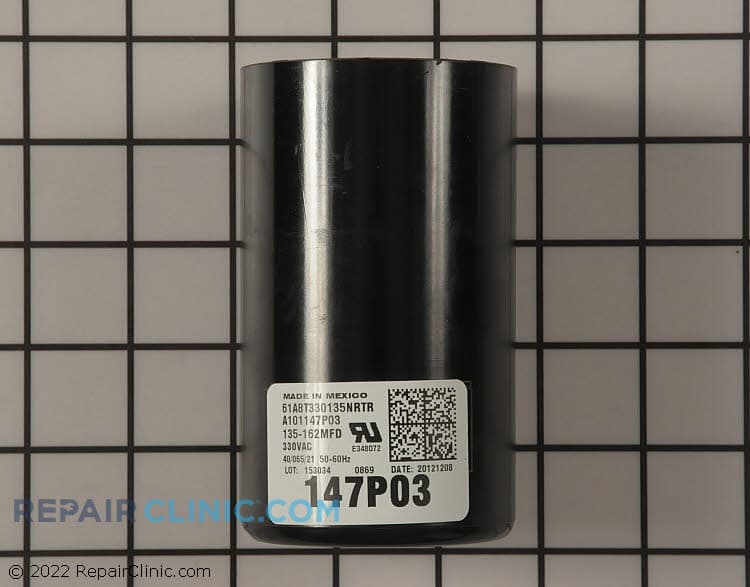
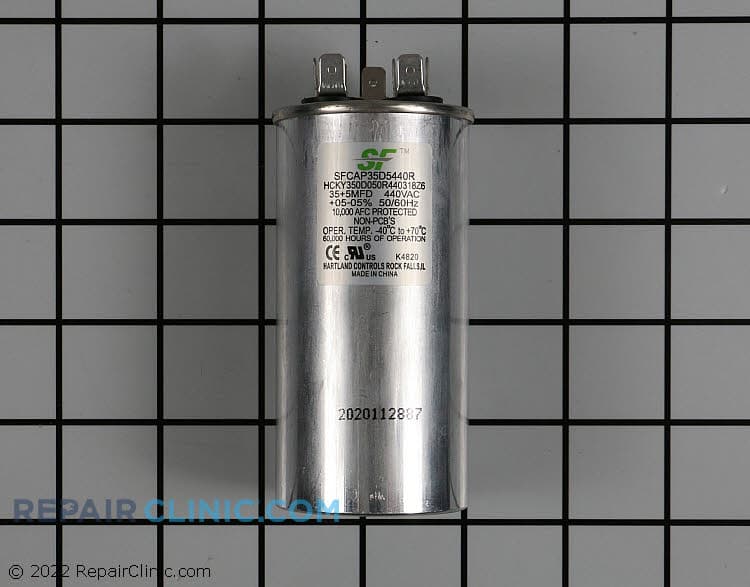
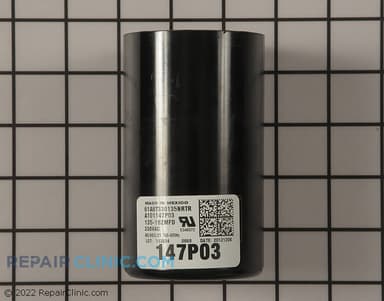
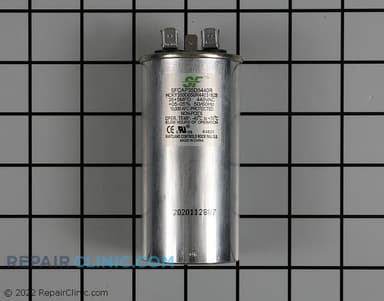
A compressor that hums without starting, or a condenser fan that spins slowly, points to a weak dual run capacitor. Match all microfarad values on the capacitor label exactly, and test readings twice a year since this heat pump runs the compressor in both the heating and cooling seasons.
Contactor and No Response Problems on the 2TWB3024A1000AA
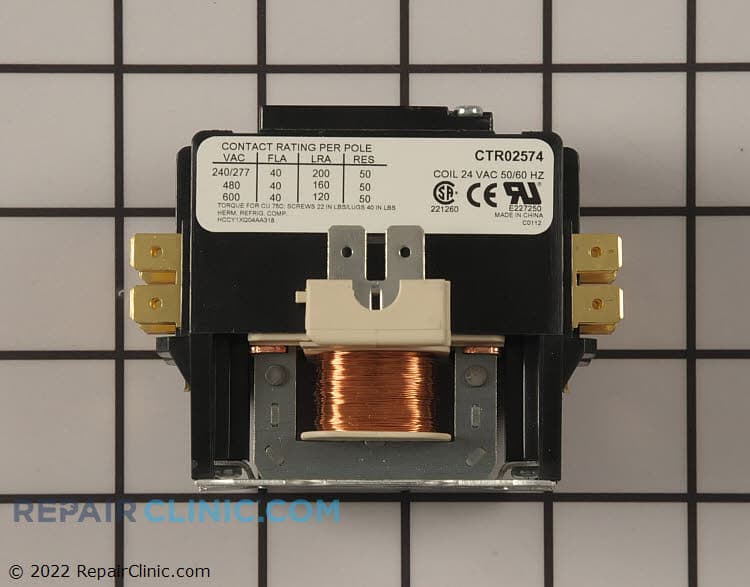
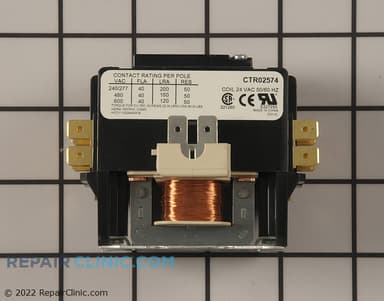
If the outdoor unit does not respond to a thermostat call, inspect the contactor points for pitting or burning before assuming the compressor itself has failed. A stuck or worn contactor is a far less costly repair than a compressor replacement.
Fan Motor Problems on the 2TWB3024A1000AA
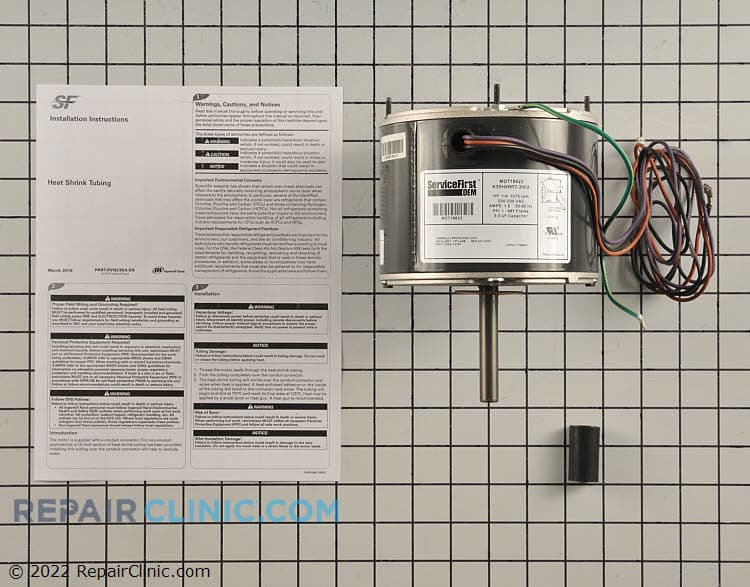
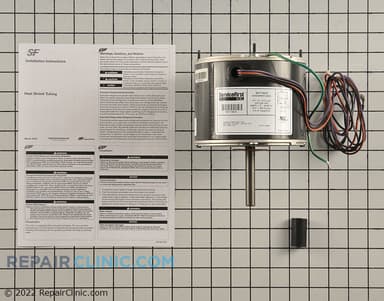
A condenser fan that runs slowly, grinds, or fails to start while the compressor still runs usually points to a worn fan motor bearing or a weak capacitor feeding that motor. Confirm capacitor readings before replacing the fan motor outright.
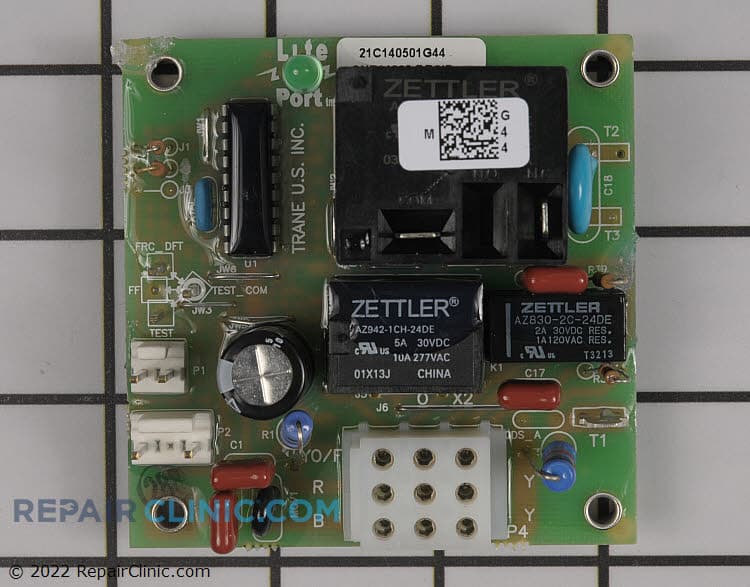
Defrost Board and Frozen Coil Problems on the 2TWB3024A1000AA
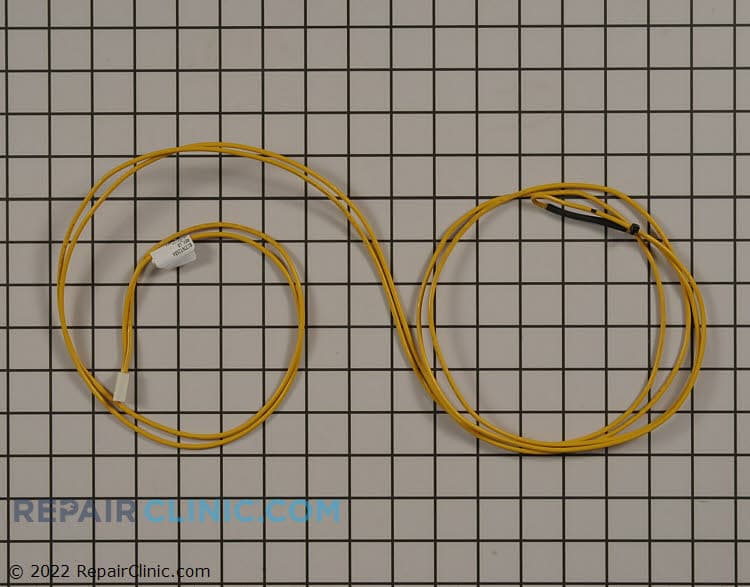
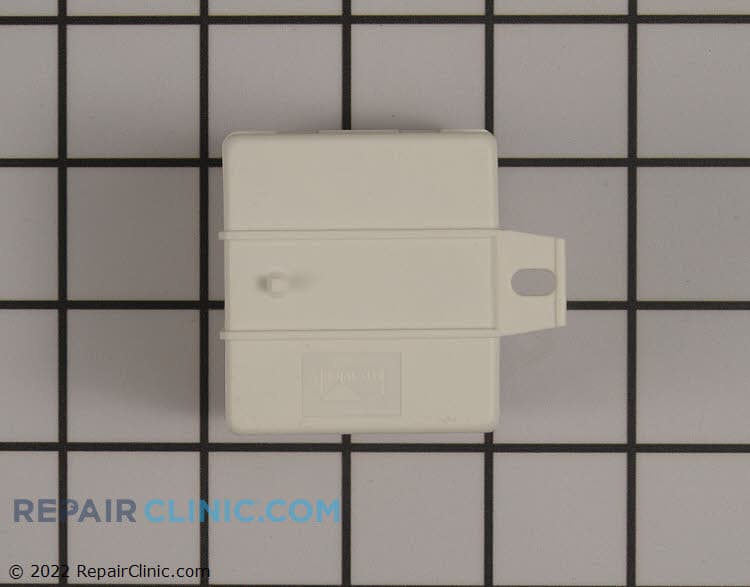
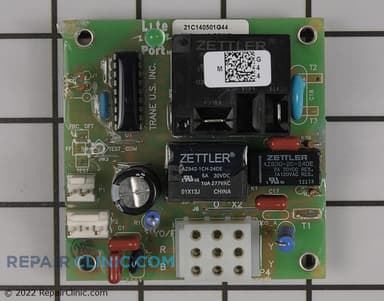
Ice buildup on the outdoor coil that does not clear during normal operation often points to a failed defrost control board rather than a refrigerant charge issue, since this board is responsible for periodically reversing the system briefly to melt accumulated frost.
Why Choose Repair Clinic for 2TWB3024A1000AA Parts
- XB13 platform parts: We stock capacitors, contactors, and defrost board components sized for the XB13 heat pump platform this 2 ton unit belongs to.
- R-22 refrigerant safety: This heat pump uses R-22 refrigerant, which requires EPA 608 certification and reclaimed or recycled refrigerant for any sealed system service.
- Seasonal capacitor testing guidance: Our repair help recommends testing capacitor readings twice a year, since this heat pump runs compressor hours in both the heating and cooling seasons.
- 365 day returns: Order with confidence knowing every part is backed by our 365 day, no hassle return policy and expert customer support.
2TWB3024A1000AA Parts FAQ
What size and refrigerant does this heat pump use?
It is a 2 ton, R-22 heat pump from Trane’s XB13 series, the base tier heat pump platform in the brand’s older residential lineup.
Can R-410A parts be used on this heat pump?
No, R-22 and R-410A components, including reversing valves and metering devices, should never be substituted between the two refrigerant types.
Why isn’t the frost on the outdoor coil clearing?
A failed defrost control board is a common cause, since it is responsible for periodically reversing the system briefly to melt accumulated frost.
How often should the capacitor be tested?
Test it twice a year, once before the heating season and once before the cooling season, since this heat pump runs the compressor year round.