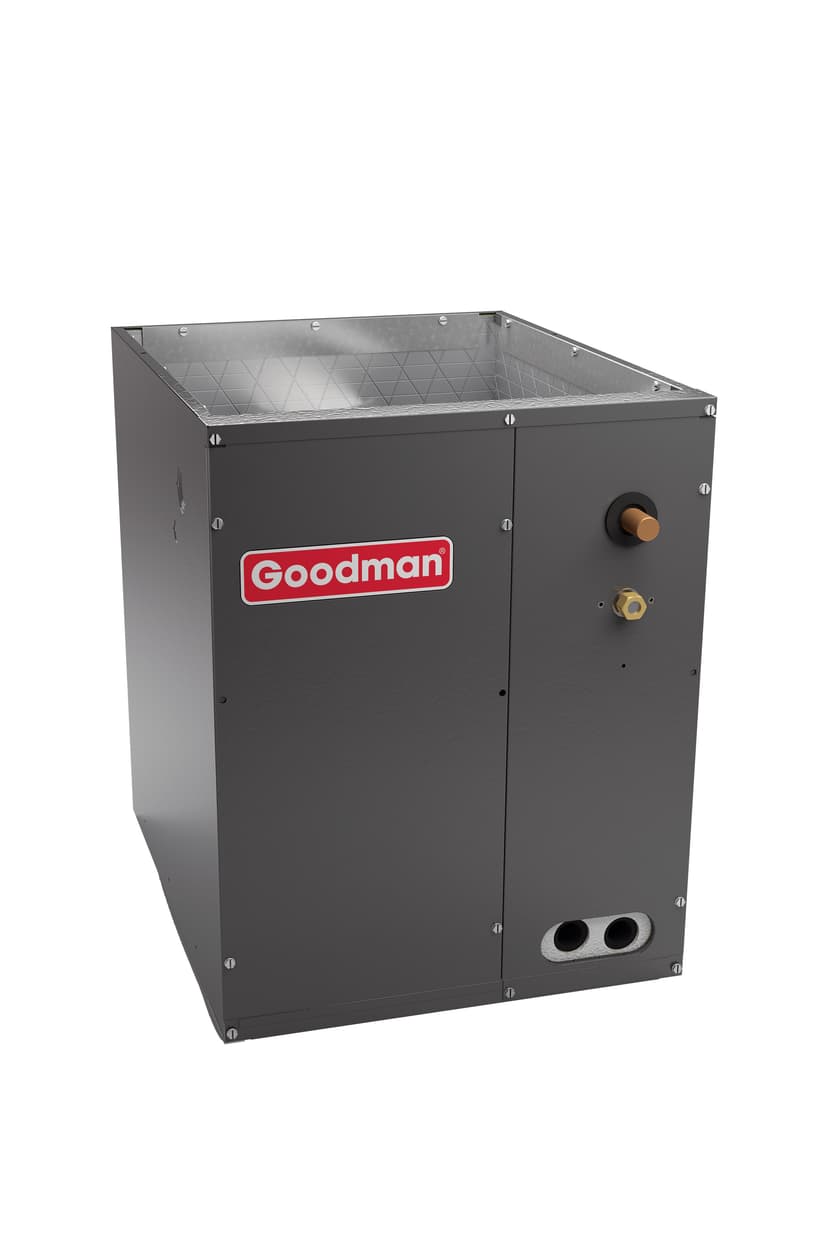
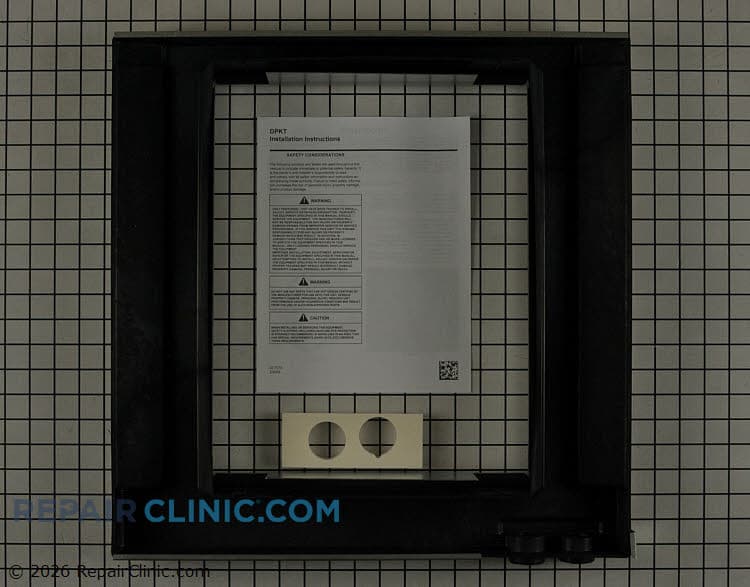
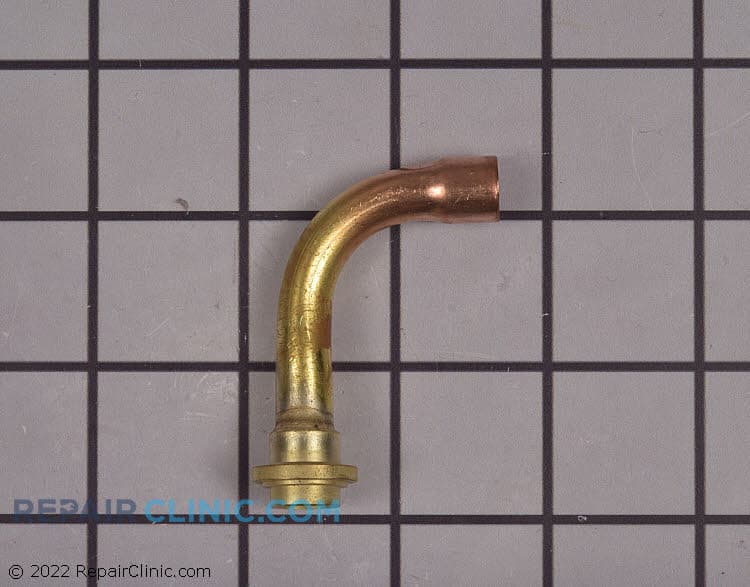
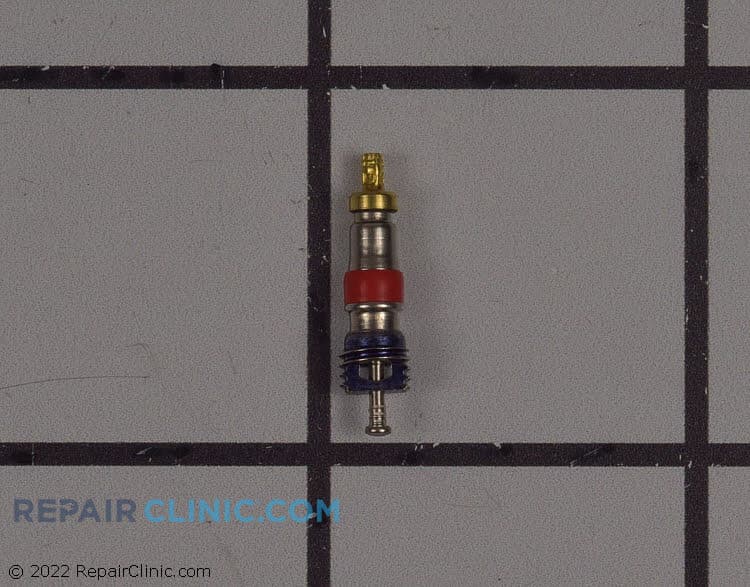
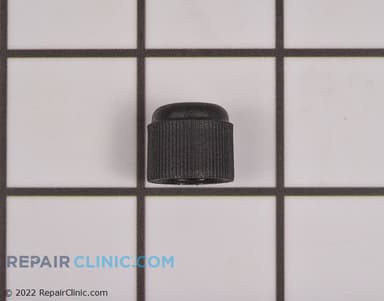
Restore the performance of your Goodman CAPF4860C6DB Air Handler with genuine replacement parts from Repair Clinic. This is a 5 ton cased upflow evaporator coil designed to sit on top of a furnace or in line with an existing air handler rather than a standalone air conditioner. Whether you are troubleshooting a specific symptom or refreshing routine maintenance items, our inventory covers the control board, filter, and thermostat this unit depends on most. Browse the complete Goodman parts catalog for every component built for this model.
About This Goodman Air Handler
The letters in this model number decode directly: CA identifies a cased upflow evaporator coil within Goodman’s lineup, PF marks the piston flowrator metering device built in, and the 60 in the middle of the model number sets the 5 ton nominal capacity within a range that spans roughly 1.5 through 5 tons across the CAPF series. Despite sometimes being labeled generically as an air conditioner in a parts catalog, this is specifically a coil section that sits downstream of a furnace’s blower rather than a complete air conditioning system with its own fan motor, so most service work on a unit like this centers on refrigerant metering, condensate drainage, and airflow restriction rather than blower motor repair. This coil is designed to pair with a matching outdoor condenser sized to the same 5 ton capacity for correct system performance. Scheduling a professional inspection of the blower assembly and refrigerant circuit once a year, in addition to routine filter changes a homeowner can handle personally, helps catch small issues before they affect comfort or efficiency. Keeping the area around the air handler cabinet clear of stored items also makes routine filter changes and any future service calls considerably easier to perform. A slow, gradual drop in airflow over several weeks is more often a sign of a clogging filter than a failing blower motor, which tends to show up as a sudden rather than gradual change. Vacuuming visible dust from the return air grille periodically reduces the amount of debris reaching the filter and coil between scheduled filter changes. Listening for new rattling or squealing noises during startup is a simple way to catch a loosening blower wheel or a wearing motor bearing before it leads to a no airflow complaint. Checking that the condensate drain line has a proper slope away from the cabinet, in addition to keeping it clear of algae buildup, helps prevent the standing water issues that are common on air handlers installed in tight spaces. Scheduling a professional inspection of the blower assembly and refrigerant circuit once a year, in addition to routine filter changes a homeowner can handle personally, helps catch small issues before they affect comfort or efficiency. Keeping the area around the air handler cabinet clear of stored items also makes routine filter changes and any future service calls considerably easier to perform. A slow, gradual drop in airflow over several weeks is more often a sign of a clogging filter than a failing blower motor, which tends to show up as a sudden rather than gradual change. Vacuuming visible dust from the return air grille periodically reduces the amount of debris reaching the filter and coil between scheduled filter changes. Listening for new rattling or squealing noises during startup is a simple way to catch a loosening blower wheel or a wearing motor bearing before it leads to a no airflow complaint. Checking that the condensate drain line has a proper slope away from the cabinet, in addition to keeping it clear of algae buildup, helps prevent the standing water issues that are common on air handlers installed in tight spaces. Scheduling a professional inspection of the blower assembly and refrigerant circuit once a year, in addition to routine filter changes a homeowner can handle personally, helps catch small issues before they affect comfort or efficiency. Keeping the area around the air handler cabinet clear of stored items also makes routine filter changes and any future service calls considerably easier to perform. A slow, gradual drop in airflow over several weeks is more often a sign of a clogging filter than a failing blower motor, which tends to show up as a sudden rather than gradual change. Vacuuming visible dust from the return air grille periodically reduces the amount of debris reaching the filter and coil between scheduled filter changes. Listening for new rattling or squealing noises during startup is a simple way to catch a loosening blower wheel or a wearing motor bearing before it leads to a no airflow complaint. Checking that the condensate drain line has a proper slope away from the cabinet, in addition to keeping it clear of algae buildup, helps prevent the standing water issues that are common on air handlers installed in tight spaces. Scheduling a professional inspection of the blower assembly and refrigerant circuit once a year, in addition to routine filter changes a homeowner can handle personally, helps catch small issues before they affect comfort or efficiency. Keeping the area around the air handler cabinet clear of stored items also makes routine filter changes and any future service calls considerably easier to perform. A slow, gradual drop in airflow over several weeks is more often a sign of a clogging filter than a failing blower motor, which tends to show up as a sudden rather than gradual change. Vacuuming visible dust from the return air grille periodically reduces the amount of debris reaching the filter and coil between scheduled filter changes. Listening for new rattling or squealing noises during startup is a simple way to catch a loosening blower wheel or a wearing motor bearing before it leads to a no airflow complaint. Checking that the condensate drain line has a proper slope away from the cabinet, in addition to keeping it clear of algae buildup, helps prevent the standing water issues that are common on air handlers installed in tight spaces. Scheduling a professional inspection of the blower assembly and refrigerant circuit once a year, in addition to routine filter changes a homeowner can handle personally, helps catch small issues before they affect comfort or efficiency. Keeping the area around the air handler cabinet clear of stored items also makes routine filter changes and any future service calls considerably easier to perform. A slow, gradual drop in airflow over several weeks is more often a sign of a clogging filter than a failing blower motor, which tends to show up as a sudden rather than gradual change. Vacuuming visible dust from the return air grille periodically reduces the amount of debris reaching the filter and coil between scheduled filter changes. Listening for new rattling or squealing noises during startup is a simple way to catch a loosening blower wheel or a wearing motor bearing before it leads to a no airflow complaint.
Most Replaced Parts on the CAPF4860C6DB
Airflow and Frost Problems on the CAPF4860C6DB
Reduced cooling capacity paired with frost forming on this coil most often points to restricted airflow from a dirty furnace filter rather than a coil defect, since the coil itself has no moving parts to wear out under normal conditions. Check and replace the filter in the connected furnace before assuming a coil or refrigerant problem.
Piston Metering and Refrigerant Charge Issues on the CAPF4860C6DB
Warm air at the registers despite a running system often traces back to a restricted piston metering device or an incorrect refrigerant charge rather than the coil surface itself. Because this involves the sealed refrigerant circuit, diagnosis requires an EPA 608 certified technician.
Condensate Drainage Problems on the CAPF4860C6DB
Water pooling around the cabinet housing this coil usually points to a clogged condensate drain line or a cracked drain pan rather than a coil leak. Flush the drain line first, since a blockage is a far more common and less costly repair.
Thermostat and Cycling Problems on the CAPF4860C6DB
If the system short cycles or will not reach the set temperature, confirm the thermostat wiring and calibration before assuming the coil or furnace has an internal fault, since a miscalibrated thermostat can mimic a capacity problem.
Why Choose Repair Clinic for CAPF4860C6DB Parts
- Coil matched parts: We stock components for the CAPF cased evaporator coil platform, matched to the correct capacity and metering device for this 5 ton unit.
- Refrigerant safety: Any work on the sealed refrigerant circuit connected to this coil, including metering device service, requires EPA 608 certification.
- Preventive maintenance guidance: Our repair help covers filter changes in the connected furnace and condensate line flushing, the two habits most likely to prevent airflow and drainage problems on a coil section like this one.
- 365 day returns: Order with confidence knowing every part is backed by our 365 day, no hassle return policy and expert customer support.
CAPF4860C6DB Parts FAQ
Is this a complete air conditioner or just a coil?
It is a cased upflow evaporator coil that sits on top of a furnace or in line with an existing air handler, paired with a separate matching outdoor condenser rather than a standalone system.
What size is this coil?
It is rated at 5 tons nominal capacity, designed to pair with a matching outdoor condenser of the same size for correct system performance.
Why is water pooling near the coil cabinet?
A clogged condensate drain line is the most common cause. Flush the line before assuming the drain pan or coil itself has failed.
Why is the coil frosting over?
Restricted airflow from a dirty furnace filter is the most common cause. Check and replace the filter first before assuming a coil or refrigerant problem.