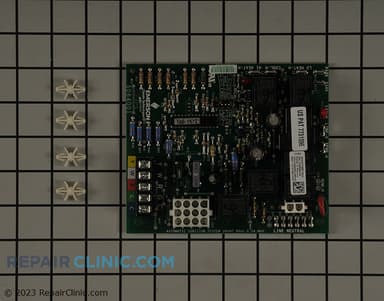
Maintain your Goodman GMH950703BXAC Furnace with confidence: this is a 70,000 BTU, 95 percent AFUE two-stage condensing gas furnace from Goodman’s GMH95 DualSaver series, built for upflow or horizontal installation with a multi-speed blower. Whether you’re replacing a igniter or tracking down a tricky symptom, Repair Clinic has the exact parts and guidance to get this furnace back in service.
Understanding Your GMH950703BXAC Furnace
This furnace is a condensing unit, meaning it extracts enough heat from combustion gases that those gases cool below their dew point and produce liquid condensate, which is why it requires PVC venting rather than the metal B-vent used on standard efficiency furnaces, along with a condensate drain line routed to a floor drain or condensate pump. Its two-stage gas valve runs at a lower first-stage output for most heating cycles and only advances to full second-stage output when the lower stage cannot satisfy the thermostat, which reduces temperature swings and extends component life compared to a single-stage furnace running at full output every cycle. A dual-diameter tubular heat exchanger and a silicon nitride hot surface igniter round out this unit’s core design, and the control board stores the five most recent fault codes in memory, accessible through a flashing LED pattern that should be read before any part is replaced. Scheduling a professional inspection of the electrical connections and heating elements once a year, in addition to routine filter changes a homeowner can handle personally, helps catch small issues before they affect comfort or efficiency. Keeping the area around the furnace cabinet clear of stored items also makes routine filter changes and any future service calls considerably easier to perform. Replacing the filter on schedule protects more than just airflow, since a severely restricted filter can cause a furnace to run longer than necessary to reach the set temperature. Listening for new humming or clicking noises during a heating cycle is a simple way to catch a developing relay or element issue before it leads to a no heat complaint. Scheduling a professional inspection of the electrical connections and heating elements once a year, in addition to routine filter changes a homeowner can handle personally, helps catch small issues before they affect comfort or efficiency. Keeping the area around the furnace cabinet clear of stored items also makes routine filter changes and any future service calls considerably easier to perform. Replacing the filter on schedule protects more than just airflow, since a severely restricted filter can cause a furnace to run longer than necessary to reach the set temperature. Listening for new humming or clicking noises during a heating cycle is a simple way to catch a developing relay or element issue before it leads to a no heat complaint. Scheduling a professional inspection of the electrical connections and heating elements once a year, in addition to routine filter changes a homeowner can handle personally, helps catch small issues before they affect comfort or efficiency. Keeping the area around the furnace cabinet clear of stored items also makes routine filter changes and any future service calls considerably easier to perform. Replacing the filter on schedule protects more than just airflow, since a severely restricted filter can cause a furnace to run longer than necessary to reach the set temperature. Listening for new humming or clicking noises during a heating cycle is a simple way to catch a developing relay or element issue before it leads to a no heat complaint. Scheduling a professional inspection of the electrical connections and heating elements once a year, in addition to routine filter changes a homeowner can handle personally, helps catch small issues before they affect comfort or efficiency. Keeping the area around the furnace cabinet clear of stored items also makes routine filter changes and any future service calls considerably easier to perform. Replacing the filter on schedule protects more than just airflow, since a severely restricted filter can cause a furnace to run longer than necessary to reach the set temperature. Listening for new humming or clicking noises during a heating cycle is a simple way to catch a developing relay or element issue before it leads to a no heat complaint. Scheduling a professional inspection of the electrical connections and heating elements once a year, in addition to routine filter changes a homeowner can handle personally, helps catch small issues before they affect comfort or efficiency. Keeping the area around the furnace cabinet clear of stored items also makes routine filter changes and any future service calls considerably easier to perform. Replacing the filter on schedule protects more than just airflow, since a severely restricted filter can cause a furnace to run longer than necessary to reach the set temperature. Listening for new humming or clicking noises during a heating cycle is a simple way to catch a developing relay or element issue before it leads to a no heat complaint. Scheduling a professional inspection of the electrical connections and heating elements once a year, in addition to routine filter changes a homeowner can handle personally, helps catch small issues before they affect comfort or efficiency. Keeping the area around the furnace cabinet clear of stored items also makes routine filter changes and any future service calls considerably easier to perform. Replacing the filter on schedule protects more than just airflow, since a severely restricted filter can cause a furnace to run longer than necessary to reach the set temperature. Listening for new humming or clicking noises during a heating cycle is a simple way to catch a developing relay or element issue before it leads to a no heat complaint. Scheduling a professional inspection of the electrical connections and heating elements once a year, in addition to routine filter changes a homeowner can handle personally, helps catch small issues before they affect comfort or efficiency. Keeping the area around the furnace cabinet clear of stored items also makes routine filter changes and any future service calls considerably easier to perform. Replacing the filter on schedule protects more than just airflow, since a severely restricted filter can cause a furnace to run longer than necessary to reach the set temperature. Listening for new humming or clicking noises during a heating cycle is a simple way to catch a developing relay or element issue before it leads to a no heat complaint. Scheduling a professional inspection of the electrical connections and heating elements once a year, in addition to routine filter changes a homeowner can handle personally, helps catch small issues before they affect comfort or efficiency.
Most Replaced Parts on the GMH950703BXAC Furnace
Igniter and No Ignition Problems on the GMH950703BXAC
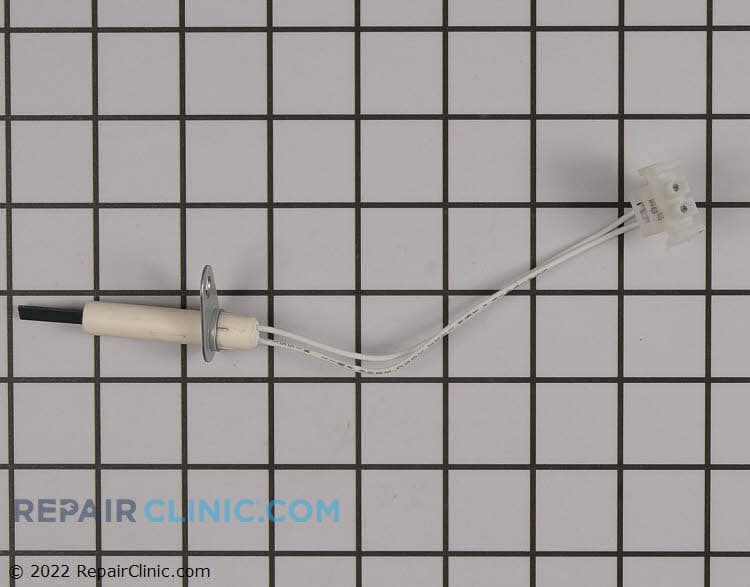
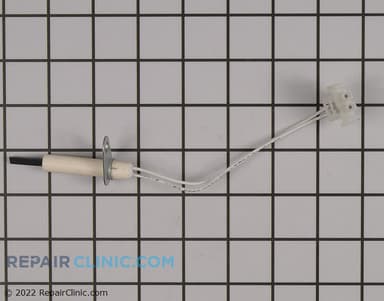
If the inducer runs and the pressure switch closes but the burners never light, the silicon nitride igniter is the most likely failed component. Thermal cycling over many heating seasons causes hairline fractures that reduce the element’s output even when it still glows, so inspect it closely rather than relying on a quick glance.
Flame Sensor and Short Cycling Problems on the GMH950703BXAC
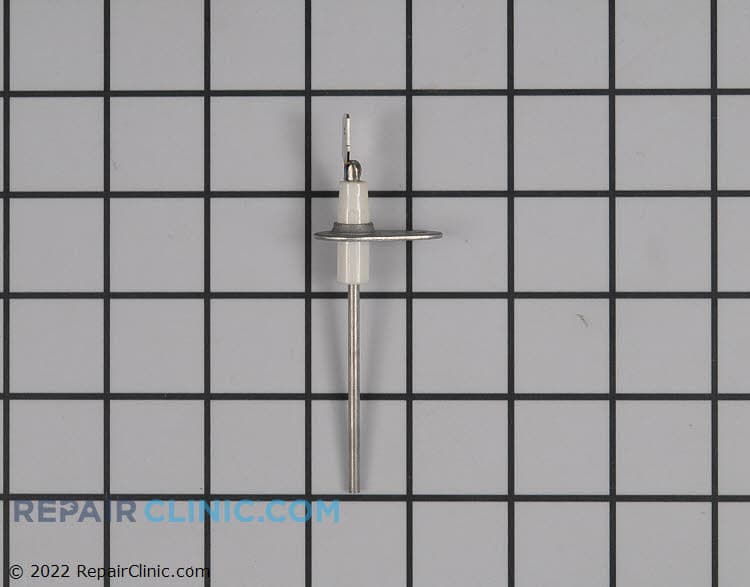
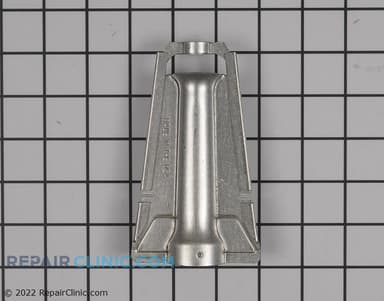
Because this is a two-stage furnace, a marginal flame sensor may hold its signal at low first stage output but drop out when the board calls for second stage, causing the furnace to fall back to first stage or shut off under higher demand. Clean the sensor rod first, and replace it if staging remains inconsistent afterward.
Condensate Drain and Pressure Switch Lockouts on the GMH950703BXAC
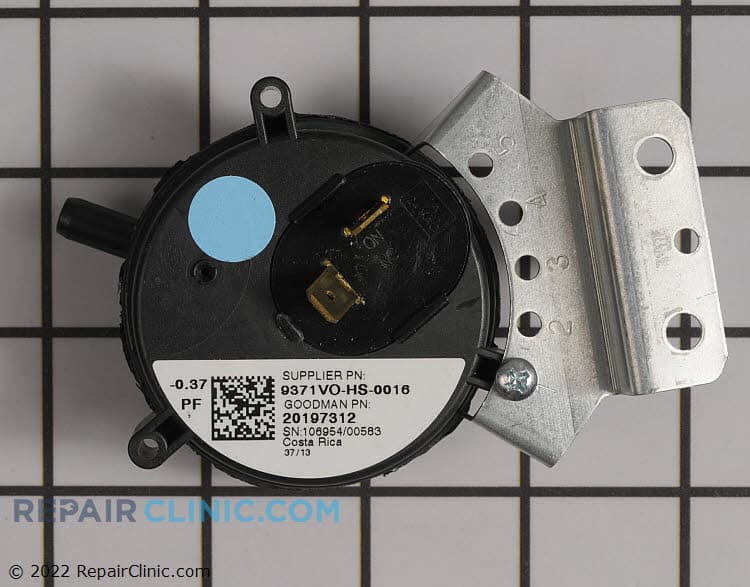
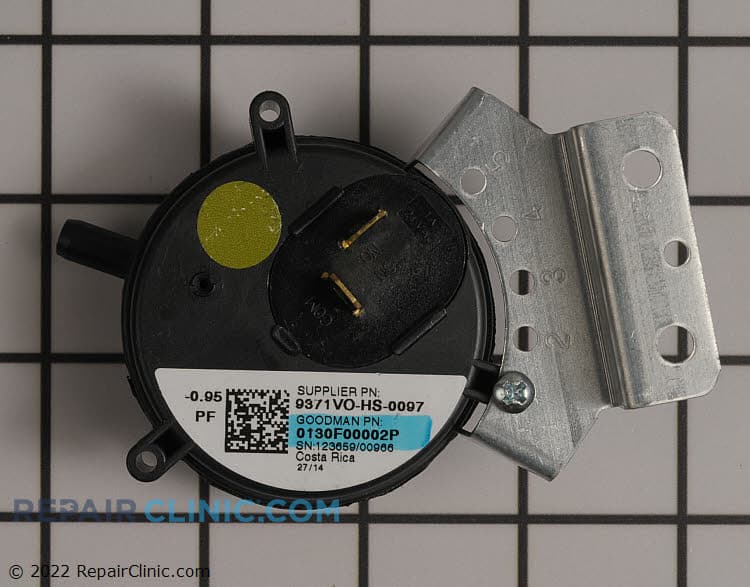
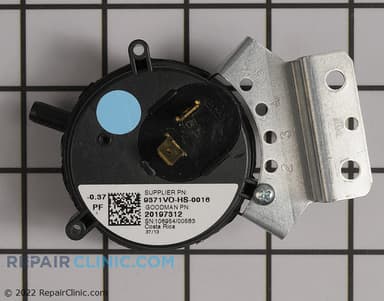
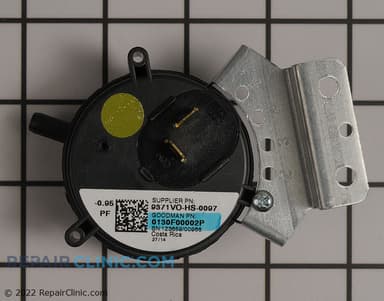
A blocked condensate drain is the most common cause of pressure switch lockouts on this platform, since backed up condensate restricts the pressure port tube and produces a false low draft reading even when the inducer is running normally. Flush the condensate trap before testing or replacing the pressure switch.
Inducer Motor and Condensate Exposure on the GMH950703BXAC
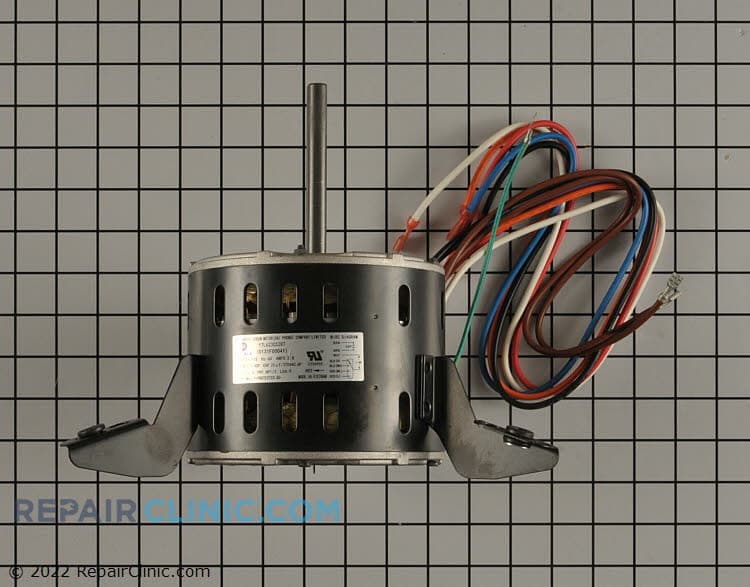
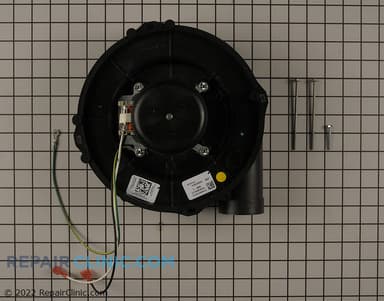
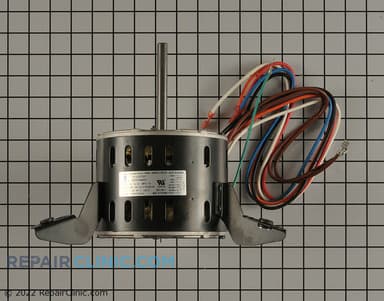
The inducer motor on this condensing furnace must be rated for continuous exposure to condensate vapor, so a standard non-condensing inducer is not a valid substitute even at the same BTU rating. A motor that runs with a grinding or squealing noise during pre-purge, followed by a stall, points to bearing wear from this more demanding operating environment.
Why Choose Repair Clinic for GMH950703BXAC Parts?
- Condensing platform matched parts: We stock igniters, flame sensors, control boards, and condensate-rated inducer motors sized for this GMH95 two-stage condensing furnace.
- Gas and condensate safety: Any work involving the gas valve, burner assembly, or condensate drain should follow proper shutoff procedures. If you smell gas, leave the area and contact your utility before doing anything else.
- Preventive maintenance guidance: Our repair help covers annual condensate trap flushing, the single most effective step for preventing pressure switch lockouts on this platform.
- 365 day returns: Order with confidence knowing every part is backed by our 365 day, no hassle return policy and expert customer support.
Frequently Asked Questions
What size and efficiency is this furnace?
It is a 70,000 BTU, 95 percent AFUE two-stage condensing gas furnace with a multi-speed blower, built for upflow or horizontal installation.
Why does the furnace show a pressure switch fault even though the inducer runs?
A blocked condensate drain is the most common cause. Flush the condensate trap and confirm the drain line is clear before testing or replacing the pressure switch.
Can a standard inducer motor be used as a replacement on this furnace?
No, this condensing furnace requires an inducer motor rated for continuous condensate vapor exposure. A standard non-condensing inducer will corrode prematurely and may not provide adequate draft.
Why does the furnace heat at first stage but not advance to second stage?
A marginal flame sensor that holds its signal at low output but drops out under higher demand is a common cause, along with a two-stage valve relay fault on the control board.