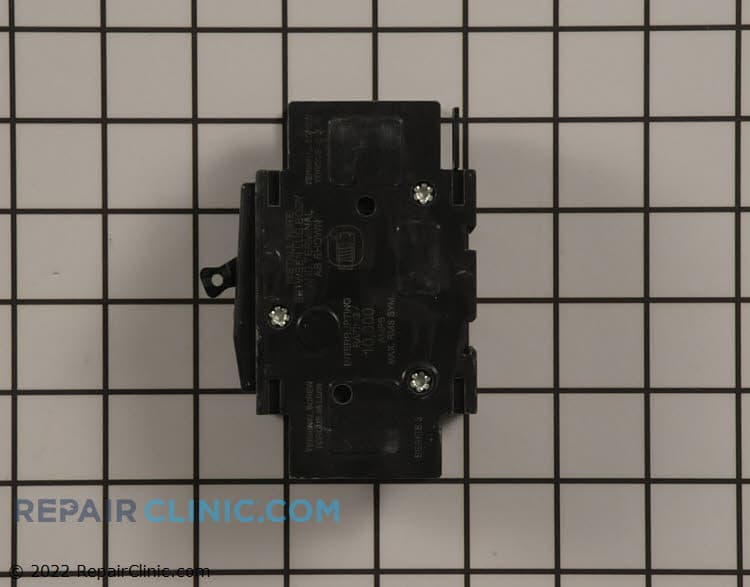
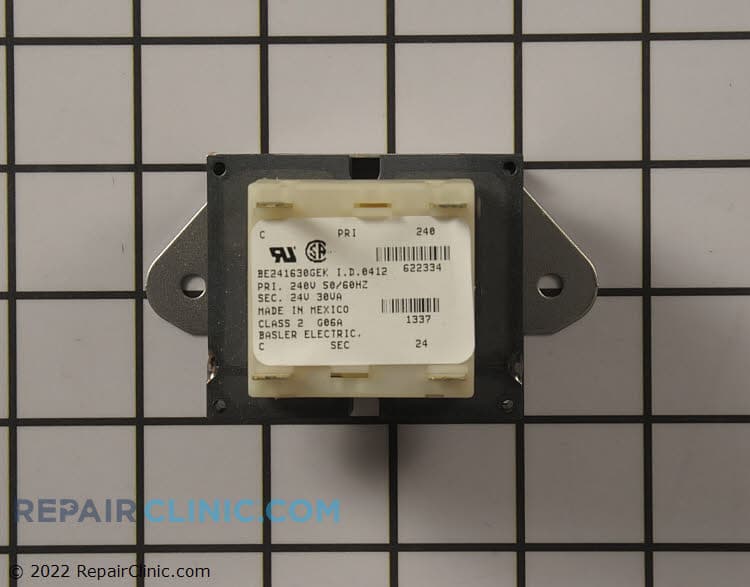
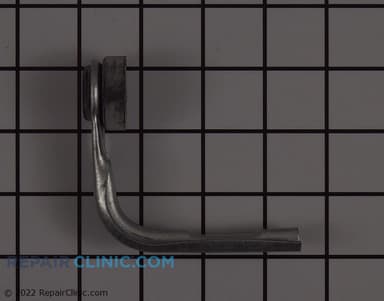
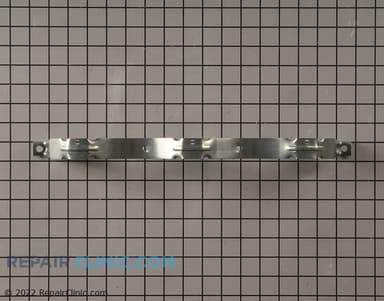
Get your Nordyne E3EB-015H producing steady heat again with genuine OEM replacement parts from Repair Clinic. The 015 code identifies a 15 kW electric furnace in Nordyne’s E3EB series, a platform also sold under the Intertherm and Miller labels. Because it heats with electric elements, the parts that matter most are the heating elements, the sequencers, the limit switches, the blower motor, and the run capacitor. Confirm each part on the E3EB-015H parts list, then browse all Nordyne furnace parts.
How the E3EB-015H Electric Furnace Works
This E3EB-015H furnace divides its 15 kW of heat across multiple elements that sequencers bring on in stages, which prevents a large inrush of current when the thermostat calls. Each element circuit has limit protection that opens if temperatures climb too high, usually because airflow has dropped. Since there is no combustion, there is no E3EB-015H igniter, no E3EB-015H flame sensor, no E3EB-015H draft inducer motor, and no E3EB-015H heat exchanger; shoppers searching those terms usually need an element, sequencer, or limit. The E3EB-015H manual and E3EB-015H diagram show element staging and wiring. For E3EB-015H repair steps, use the model troubleshooting page. Always shut off every breaker feeding the unit before testing.
Most Replaced E3EB-015H Electric Furnace Components
Heating Element Failure and Partial Heat
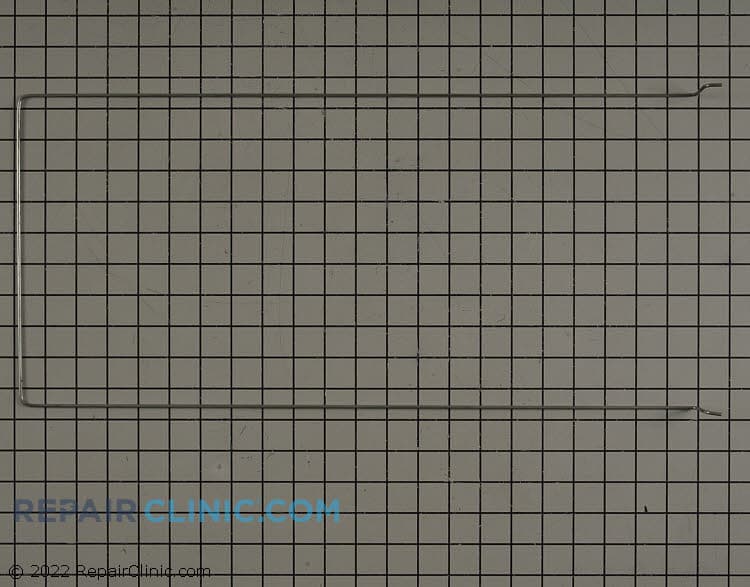
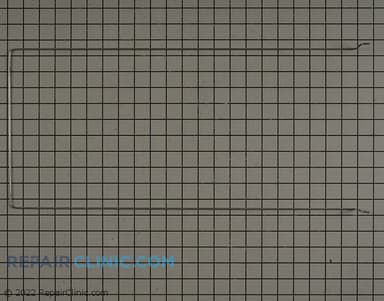
With power off, test each element for continuity. An open element reduces output, so the furnace runs longer and the air feels cooler rather than cold. Because the 15 kW total is split across elements, losing one gives partial heat, not none. Replace failed heating elements with the matching rating.
Sequencer Staging Problems
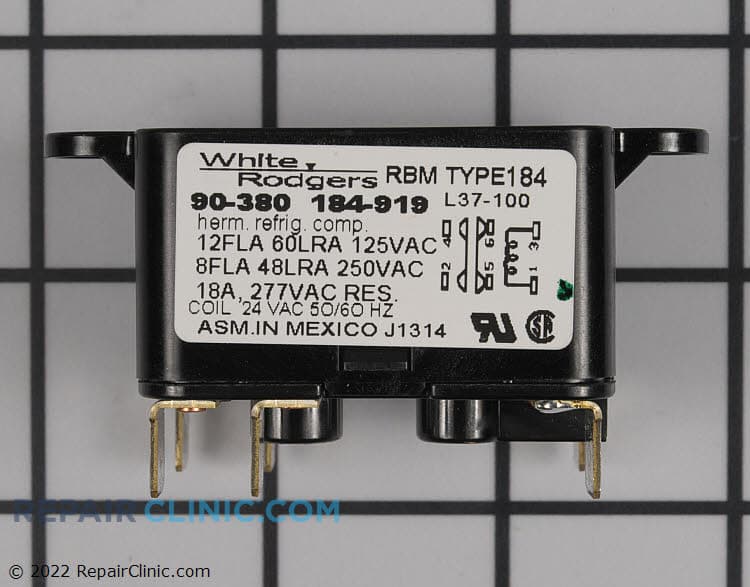
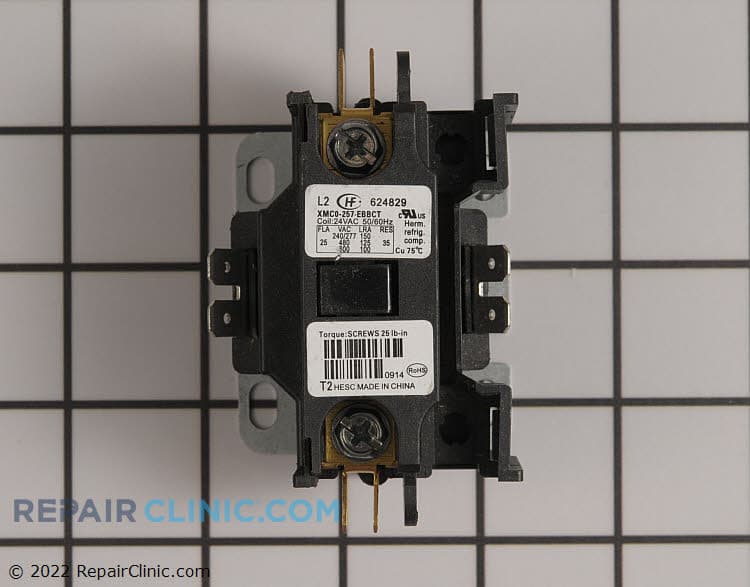
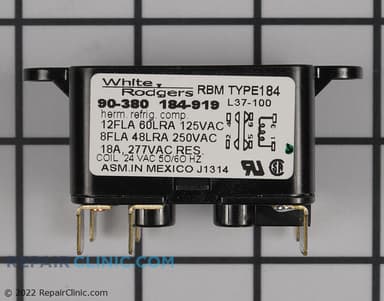
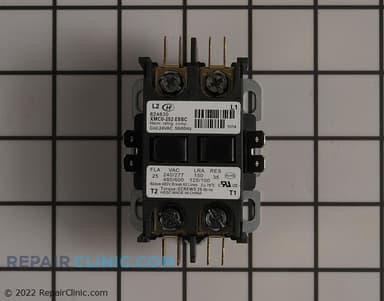
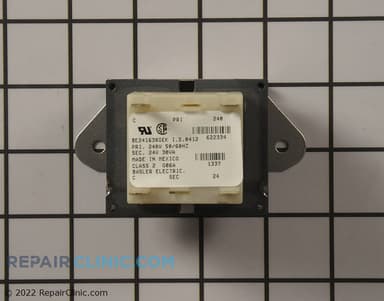
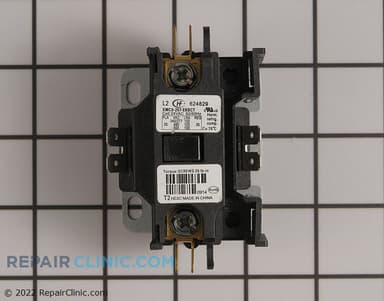
Sequencers close in timed steps to bring elements on one after another. A sequencer that fails open leaves its element off; one that sticks closed can keep an element energized after the call ends. Check voltage on both sides of each sequencer during a heat call. Confirm the replacement against the diagram for your staging.
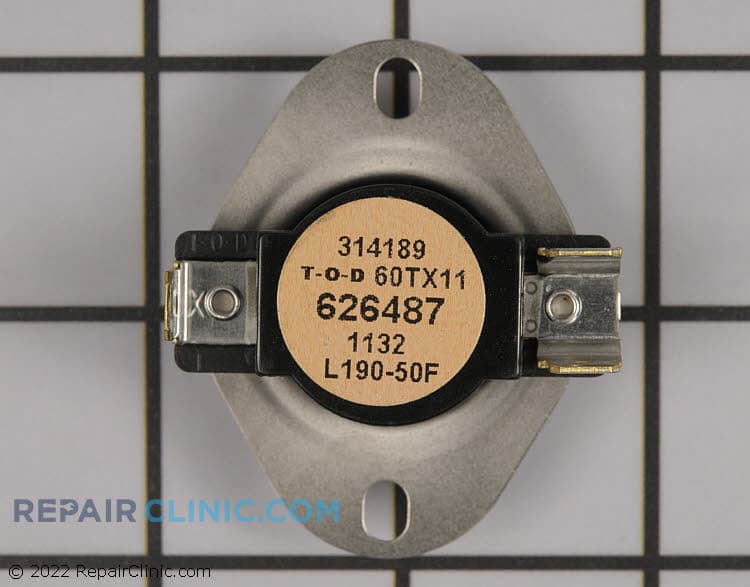
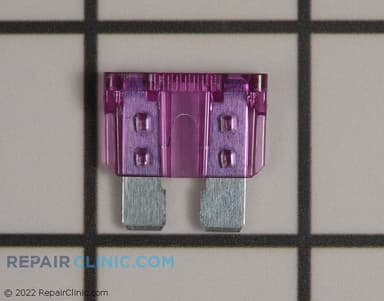
Limit Switches and Fuse Links
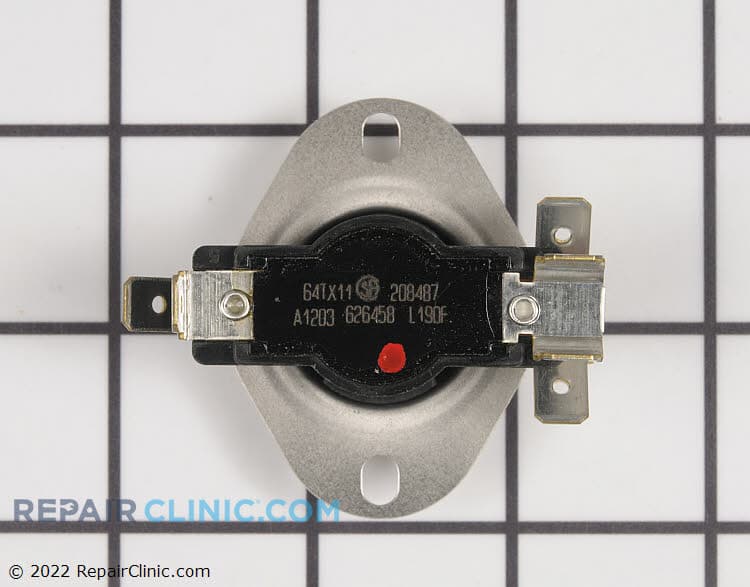
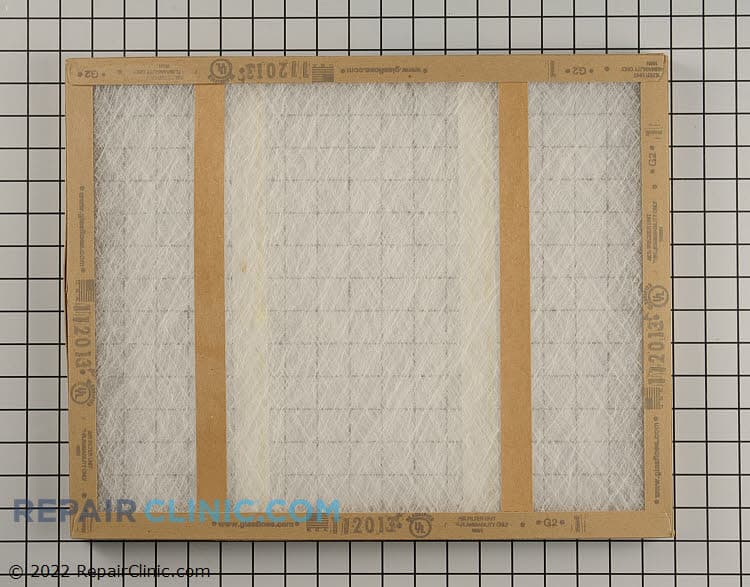
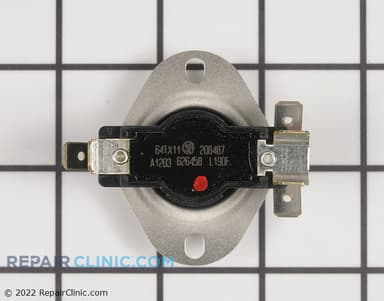
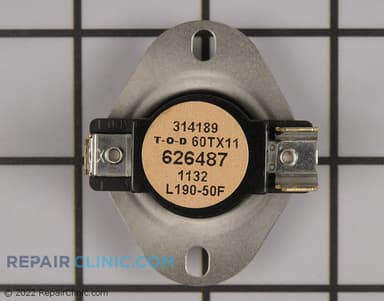
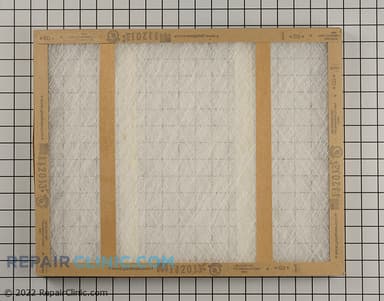
A limit that trips repeatedly is a symptom of low airflow, not usually a bad switch. Replace the filter and confirm blower speed first. Replace the limit switch only if it reads open at room temperature with good airflow.
Blower Motor and Capacitor
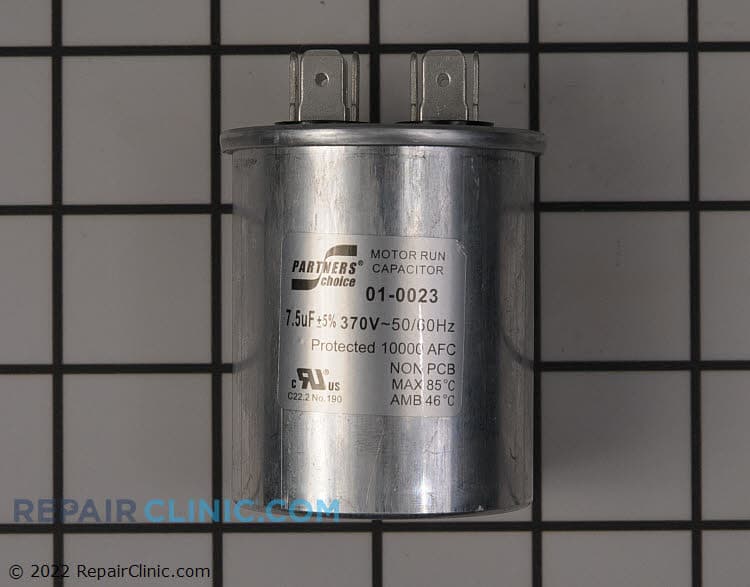
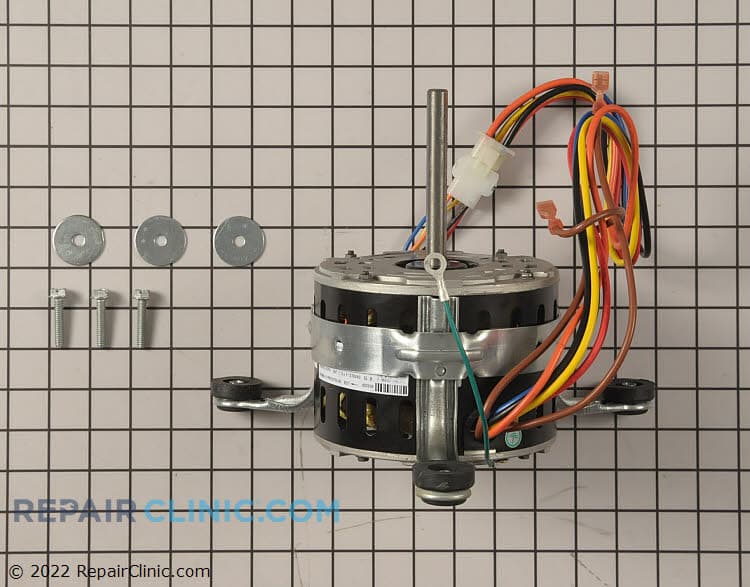
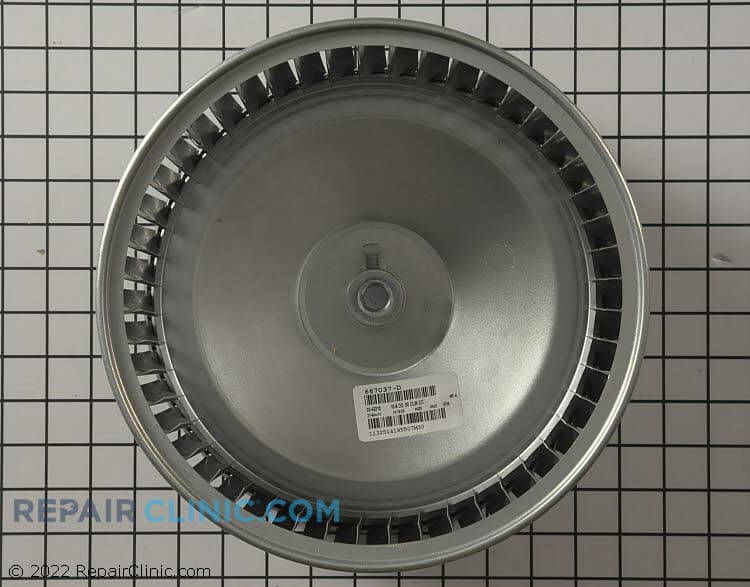
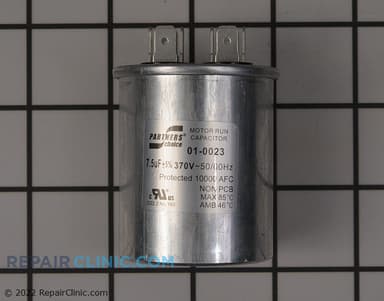
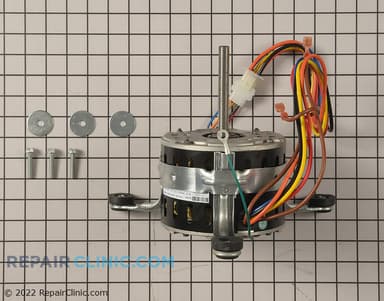
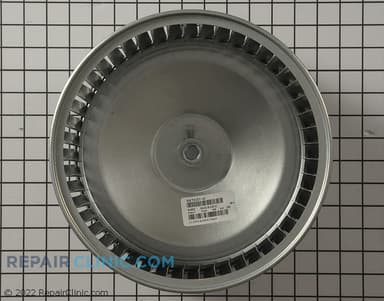
If the blower hums or starts slowly, test the run capacitor before buying a motor; a reading more than 5 to 10% below rated value gives the same symptoms. Replace the blower motor only when the capacitor is good.
Why Choose Repair Clinic for Nordyne E3EB-015H Parts
- Genuine Nordyne OEM Parts: Components for the electric platform sold as Nordyne, Intertherm, and Miller. Shop all Nordyne furnace parts.
- Element Rating Matching: Elements and sequencers are matched to the 15 kW staging on this furnace.
- Airflow Before Limit: Filter, blower, and capacitor are checked before any limit switch is replaced.
- Shop E3EB-015H Parts Online: In-stock E3EB-015H replacement parts, E3EB-015H furnace parts, and E3EB-015H parts ship the same day with a 365-day return policy.
E3EB-015H Electric Furnace FAQ
Why is my furnace blowing cool air?
One or more elements or sequencers have usually failed, so only part of the 15 kW output is reaching the airstream. Test each element and sequencer with power off.
Does this furnace have an igniter or flame sensor?
No. It is an electric furnace with no combustion, so there is no igniter, flame sensor, draft inducer, or heat exchanger. Heat comes from elements staged by sequencers.
What does the sequencer do?
It brings the elements on in timed steps so the furnace does not draw its full electrical load at once, and it turns them off in order when the call ends.
Why do the element limit switches keep opening?
Low airflow from a dirty filter, closed registers, or a weak blower capacitor. Correct the airflow before replacing the limit.