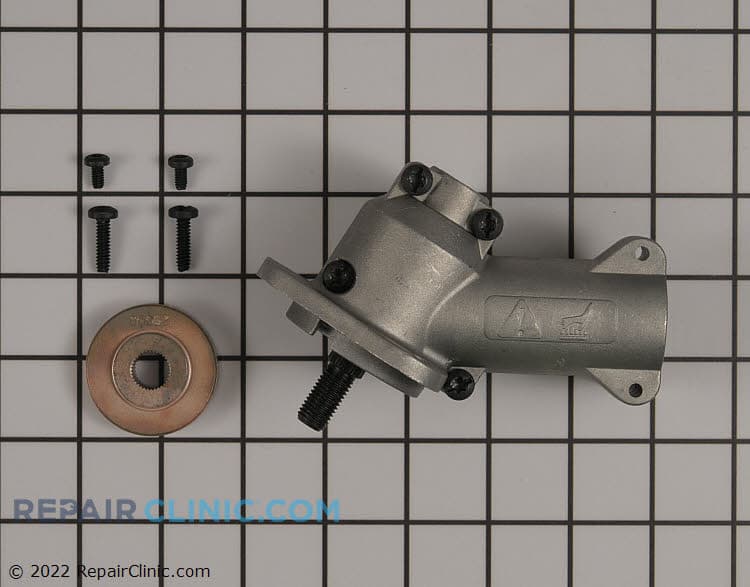
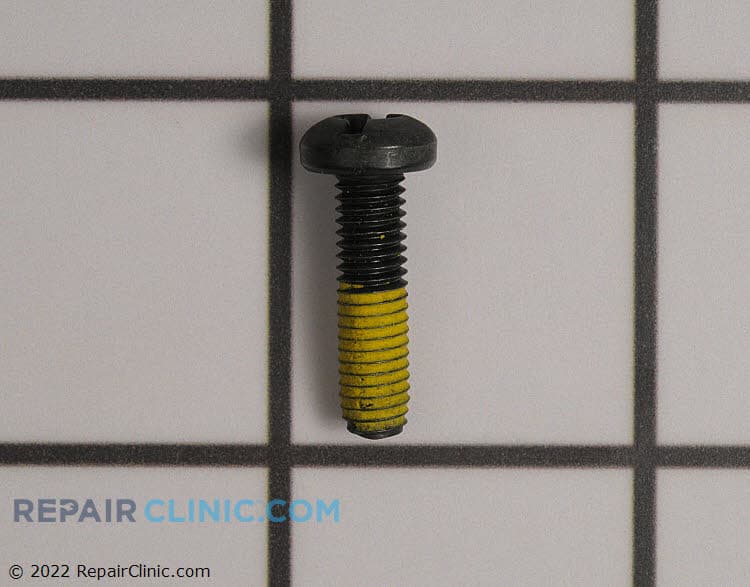
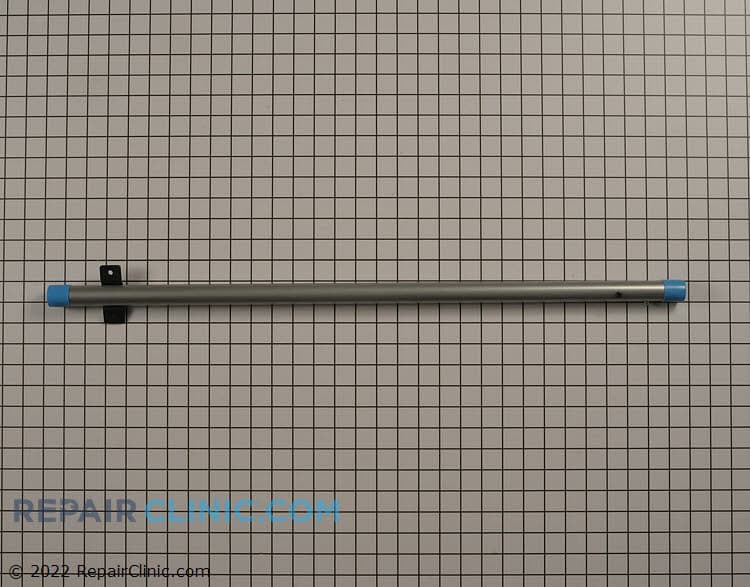
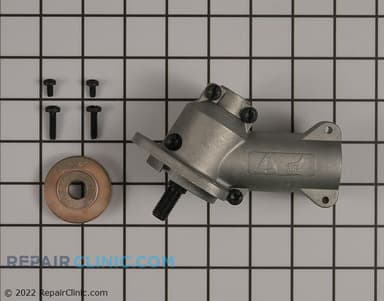
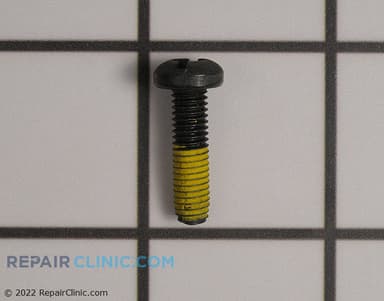
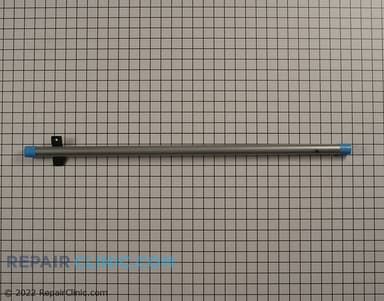
Maintain the performance of your Cub Cadet BC490/2014 String Trimmer with genuine replacement parts from Repair Clinic. This is a four cycle trimmer and brushcutter that runs on straight gasoline rather than a premixed two cycle fuel blend. Whether you are troubleshooting a specific symptom or refreshing routine maintenance items, our inventory covers the carburetor, spark plug, fuel line, and string head this unit depends on most. Browse the complete Cub Cadet parts catalog for every component built for this model.
About This Cub Cadet String Trimmer
Unlike many handheld outdoor tools in this size class, the BC490 is explicitly a four cycle trimmer and brushcutter, meaning it runs on straight unleaded gasoline and maintains its own separate engine oil supply rather than requiring fuel mixed with two cycle oil at a set ratio. This distinction matters at the pump and at the workbench: putting mixed two cycle fuel into this engine, or running it without checking the oil level, causes damage that no carburetor adjustment will fix. The trimmer accepts the SplitLine style trimmer line loading system documented in Cub Cadet’s operator manuals for this model, and its brushcutter configuration supports a metal blade attachment for clearing heavier brush beyond what a standard trimmer head can handle. Because Cub Cadet shares engine architecture and fuel system components across several related straight shaft trimmer models from the same era, confirming the complete model and manufacture year helps ensure a carburetor or fuel line kit is sized correctly for this specific unit. Storing the trimmer indoors or under cover between uses protects electrical connections and fuel system components alike from the moisture that accelerates corrosion and wear over time. Wiping debris from the shaft and head after each use, before it has a chance to harden or dry in place, keeps moving parts working smoothly for longer between services. Checking that fasteners along the shaft and head remain properly tightened before each use helps prevent excess vibration that can accelerate wear on internal components. Reviewing the owner’s manual for this specific model before attempting any repair helps confirm torque specs and part orientations that are easy to get wrong from memory alone. Inspecting the cutting attachment for damage before each use catches a cracked or unbalanced head before it causes excess vibration or uneven cutting. Keeping the guard shield securely attached during use protects the operator from thrown debris and is worth confirming after any disassembly for repair. Letting the trimmer cool fully before storing it in an enclosed space reduces the fire risk that comes from packing away a warm engine or a freshly charged battery pack. Rotating trimmer line stock periodically rather than leaving a single spool loaded for a long stretch helps prevent the line from becoming brittle before it is ever used. Storing the trimmer indoors or under cover between uses protects electrical connections and fuel system components alike from the moisture that accelerates corrosion and wear over time. Wiping debris from the shaft and head after each use, before it has a chance to harden or dry in place, keeps moving parts working smoothly for longer between services. Checking that fasteners along the shaft and head remain properly tightened before each use helps prevent excess vibration that can accelerate wear on internal components. Reviewing the owner’s manual for this specific model before attempting any repair helps confirm torque specs and part orientations that are easy to get wrong from memory alone. Inspecting the cutting attachment for damage before each use catches a cracked or unbalanced head before it causes excess vibration or uneven cutting. Keeping the guard shield securely attached during use protects the operator from thrown debris and is worth confirming after any disassembly for repair. Letting the trimmer cool fully before storing it in an enclosed space reduces the fire risk that comes from packing away a warm engine or a freshly charged battery pack. Rotating trimmer line stock periodically rather than leaving a single spool loaded for a long stretch helps prevent the line from becoming brittle before it is ever used. Storing the trimmer indoors or under cover between uses protects electrical connections and fuel system components alike from the moisture that accelerates corrosion and wear over time. Wiping debris from the shaft and head after each use, before it has a chance to harden or dry in place, keeps moving parts working smoothly for longer between services. Checking that fasteners along the shaft and head remain properly tightened before each use helps prevent excess vibration that can accelerate wear on internal components. Reviewing the owner’s manual for this specific model before attempting any repair helps confirm torque specs and part orientations that are easy to get wrong from memory alone. Inspecting the cutting attachment for damage before each use catches a cracked or unbalanced head before it causes excess vibration or uneven cutting. Keeping the guard shield securely attached during use protects the operator from thrown debris and is worth confirming after any disassembly for repair. Letting the trimmer cool fully before storing it in an enclosed space reduces the fire risk that comes from packing away a warm engine or a freshly charged battery pack. Rotating trimmer line stock periodically rather than leaving a single spool loaded for a long stretch helps prevent the line from becoming brittle before it is ever used. Storing the trimmer indoors or under cover between uses protects electrical connections and fuel system components alike from the moisture that accelerates corrosion and wear over time. Wiping debris from the shaft and head after each use, before it has a chance to harden or dry in place, keeps moving parts working smoothly for longer between services. Checking that fasteners along the shaft and head remain properly tightened before each use helps prevent excess vibration that can accelerate wear on internal components. Reviewing the owner’s manual for this specific model before attempting any repair helps confirm torque specs and part orientations that are easy to get wrong from memory alone. Inspecting the cutting attachment for damage before each use catches a cracked or unbalanced head before it causes excess vibration or uneven cutting. Keeping the guard shield securely attached during use protects the operator from thrown debris and is worth confirming after any disassembly for repair. Letting the trimmer cool fully before storing it in an enclosed space reduces the fire risk that comes from packing away a warm engine or a freshly charged battery pack. Rotating trimmer line stock periodically rather than leaving a single spool loaded for a long stretch helps prevent the line from becoming brittle before it is ever used. Storing the trimmer indoors or under cover between uses protects electrical connections and fuel system components alike from the moisture that accelerates corrosion and wear over time.
Most Replaced Parts on the BC490/2014
Carburetor and Hard Starting Issues on the BC490/2014
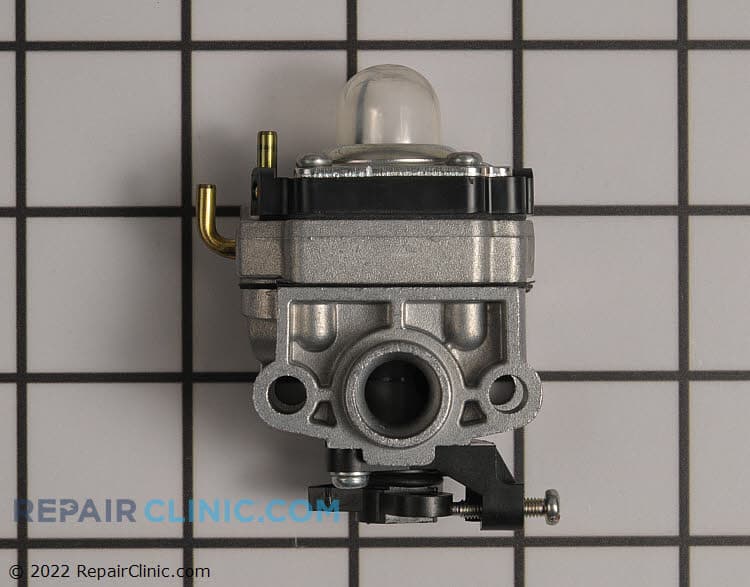
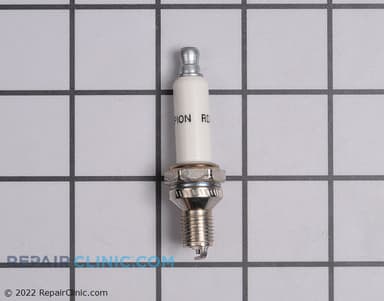
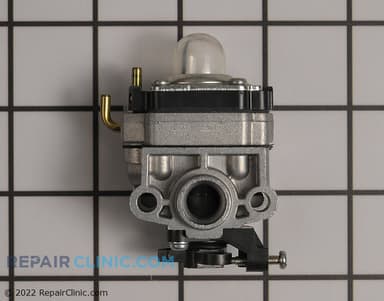
A four cycle engine that cranks but will not fire, or that runs rough after sitting over winter, usually has a gummed up carburetor from stale, ethanol blended fuel. Confirm the spark plug fires and the fuel is fresh before disassembling the carburetor, since stale fuel is the more common root cause.
Spark Plug and Ignition Problems on the BC490/2014
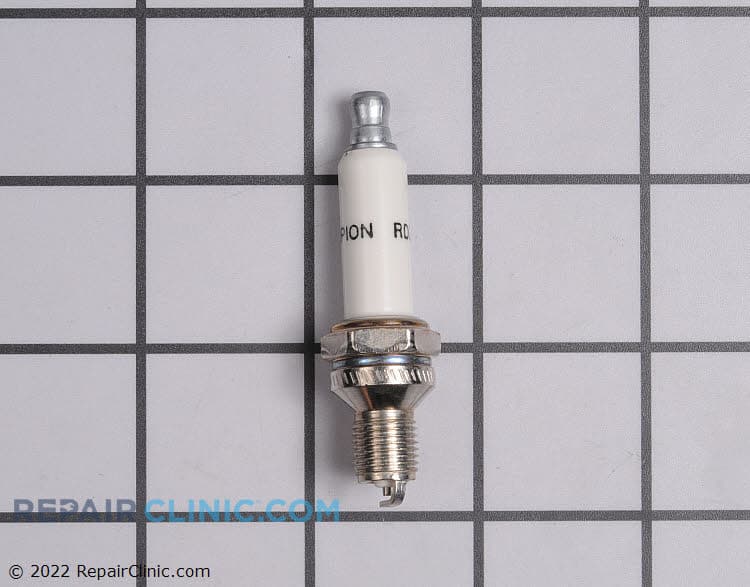
Test the spark plug first whenever the engine will not fire. A plug fouled by a rich fuel mixture is a far more common cause of no start than an actual ignition module failure on this size of engine.
Fuel Line and Leaking Fuel Issues on the BC490/2014
A trimmer that leaks fuel or floods repeatedly often has a cracked or hardened fuel line, especially if the tool sat with fuel in the tank over an extended period. Inspect the fuel line and primer bulb for visible cracking before assuming the carburetor itself needs rebuilding.
Trimmer Head and Line Feed Problems on the BC490/2014
If the trimmer line will not advance or feeds unevenly, check that the line is wound correctly and the head’s internal spring has not weakened before assuming the entire head assembly needs replacing. A tangled or improperly loaded spool is a more common cause than a mechanical failure.
Why Choose Repair Clinic for BC490/2014 Parts
- Engine matched parts: We stock carburetor, spark plug, and trimmer head components sized for the four cycle engine used on this Cub Cadet brushcutter.
- Fuel system safety: This is a four cycle engine that runs on straight gasoline. Never add two cycle oil to the fuel tank, and always check the engine oil level separately before use.
- Preventive maintenance guidance: Our repair help covers seasonal carburetor care and fuel system inspection, two habits that prevent most hard starting complaints on four cycle trimmers like this one.
- 365 day returns: Order with confidence knowing every part is backed by our 365 day, no hassle return policy and helpful customer support.
BC490/2014 Parts FAQ
Does this trimmer need mixed two cycle fuel?
No, this is a four cycle engine that runs on straight gasoline and maintains its own separate engine oil supply, unlike many similarly sized two cycle trimmers.
Why won’t the trimmer start after winter storage?
Stale, ethanol varnished fuel in the carburetor is the most common cause. Check the spark plug and fuel freshness first, then inspect the carburetor if it still will not fire.
Can this trimmer be converted to a brushcutter?
Yes, it supports a metal blade attachment for clearing heavier brush beyond what the standard trimmer head can handle.
Why isn’t the trimmer line advancing?
Check that the line is wound correctly and the head’s internal spring has not weakened before assuming the entire head assembly has failed.