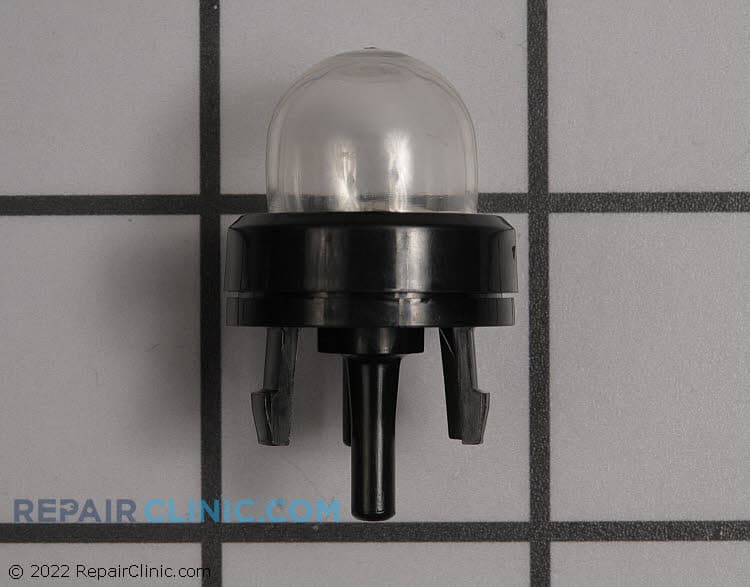
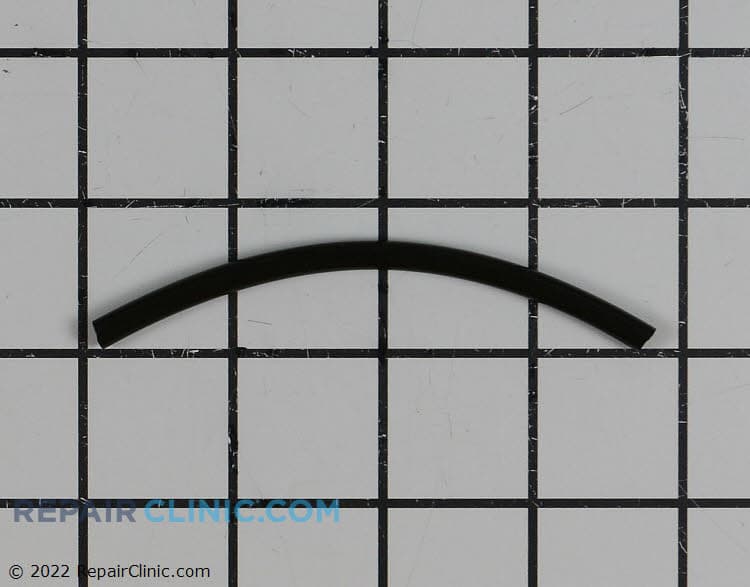
Keep your Homelite HTC12 garden tiller running reliably with genuine OEM replacement parts from Repair Clinic. The Homelite HTC12 is a gas-powered garden tiller designed for breaking and cultivating garden soil. The tine blades, drive belt, carburetor, and spark plug are the most frequently serviced components. Repair Clinic stocks genuine Homelite OEM parts for the HTC12 including the Homelite tiller tine parts, Homelite tiller carburetor parts, Homelite tiller air filter parts, and Homelite tiller spark plug parts. Browse the Homelite tiller parts catalog filtered by HTC12 for the complete parts inventory.
Homelite HTC12: Garden Tiller Service and Tine Maintenance
The Homelite HTC12 uses a gas engine driving the tine assembly through a belt and gearbox. Confirm the engine type from the engine data label before ordering carburetor parts, as this tiller class was produced with multiple engine configurations across production years. Tine blade replacement is the primary mechanical service item: a bent blade from striking a rock or root must be replaced rather than straightened to maintain even tilling depth. Annual carburetor float bowl draining before off-season storage prevents the varnish deposits that cause most HTC12 hard-start complaints. The tiller repair help section covers HTC12 tine replacement and carburetor service.
Most Replaced Parts on the Homelite HTC12
Tine Blades for the Homelite HTC12
Tine blades are the primary wear item on the HTC12. A blade bent from striking a rock or root must be replaced rather than straightened, as straightening creates stress fractures that can lead to failure during tilling.
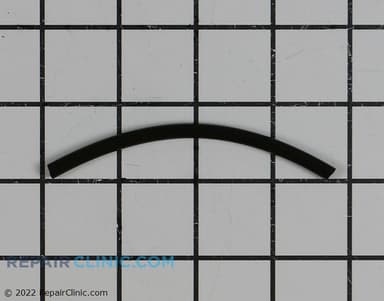
Drive Belt for the HTC12
The drive belt connects the engine to the tine gearbox. A belt that is cracked, glazed, or worn slips under load and reduces or eliminates tine rotation.
Carburetor for the Homelite HTC12
Ethanol varnish deposits during off-season storage cause most starting and running problems. Confirm the engine type from the engine data label before ordering a carburetor.
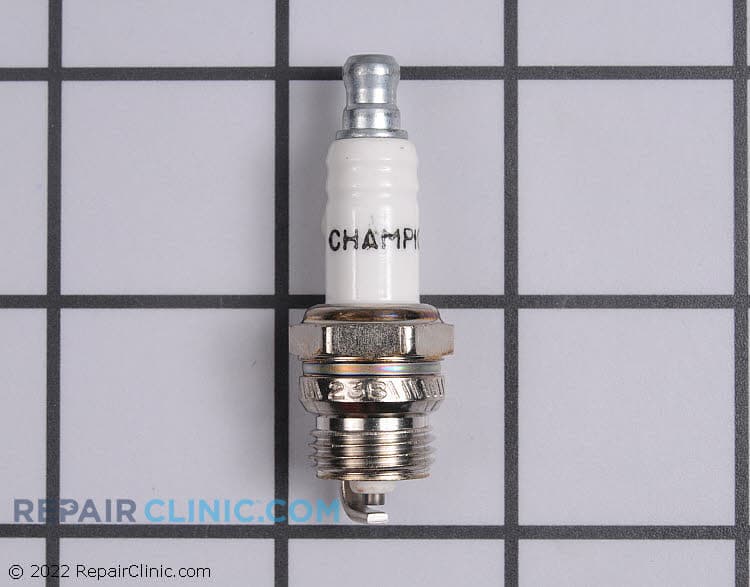
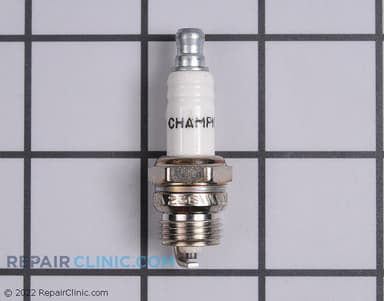
Spark Plug for the HTC12
Annual spark plug replacement maintains reliable starting. Always use the fuel mixture or oil specification appropriate to the engine type installed on your HTC12.
Why Choose Repair Clinic for Homelite HTC12 Parts
- Genuine Homelite OEM Components: Tine blades, carburetors, and spark plugs confirmed for the Homelite HTC12 garden tiller Homelite tiller parts.
- Engine Configuration Verification: The HTC12 was produced with multiple engine configurations across production years. Confirming the engine type from the data label before ordering prevents incorrect carburetor or fuel system part selection.
- Tiller Repair Resources: Tine blade replacement procedures and carburetor service through tiller repair help.
- 365-Day Returns: Return any uninstalled Homelite part within a full year of purchase with no restocking fees.
Homelite HTC12 Tiller Parts FAQ
What is the Homelite HTC12 and what engine does it use?
The Homelite HTC12 is a gas-powered garden tiller from Homelite with a two-stroke or small four-stroke engine depending on the production year. Confirm the engine type from the engine data label before ordering carburetor or fuel system parts, as Homelite tillers in this class were produced with both engine configurations.
Why does my Homelite HTC12 not start after storage?
Hard starting after storage is almost always caused by carburetor varnish from ethanol-blend fuel sitting in the tank during warm months. Drain the carburetor float bowl before off-season storage. Clean the carburetor before ordering a replacement.
Why do the tines on my Homelite HTC12 not rotate?
Tines that do not rotate while the engine runs most commonly indicate a worn or broken drive belt connecting the engine to the tine gearbox, or a sheared drive pin protecting the gearbox from overload. Inspect the belt and drive pin before disassembling the gearbox.
How do I maintain the Homelite HTC12 tines?
Inspect tine blades for excessive wear or bending after striking rocks or roots. Replace bent tine blades rather than straightening them, as a bent blade creates uneven tilling depth and additional stress on the gearbox.