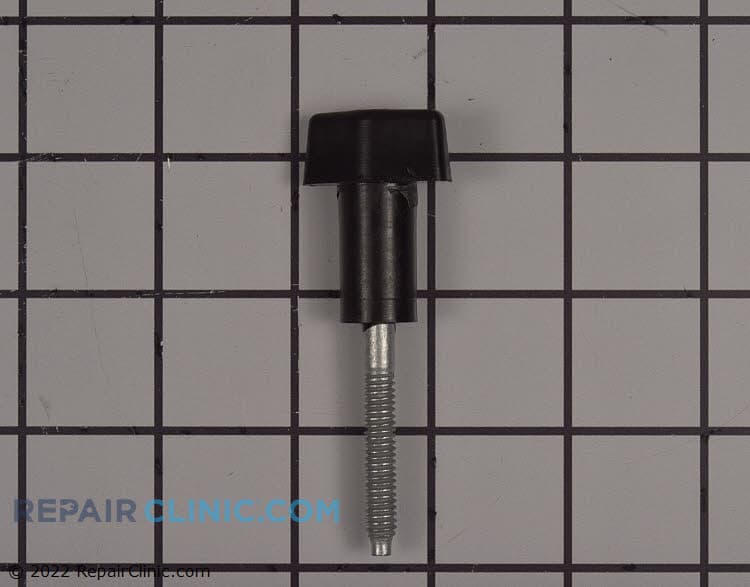
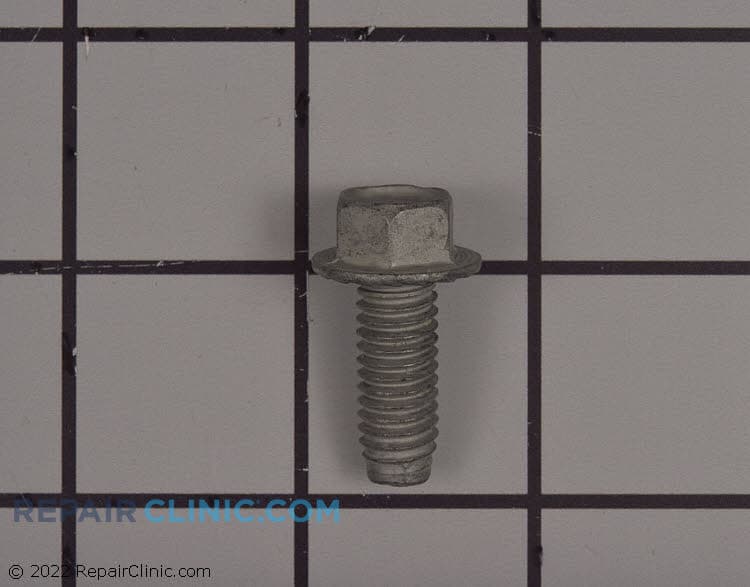
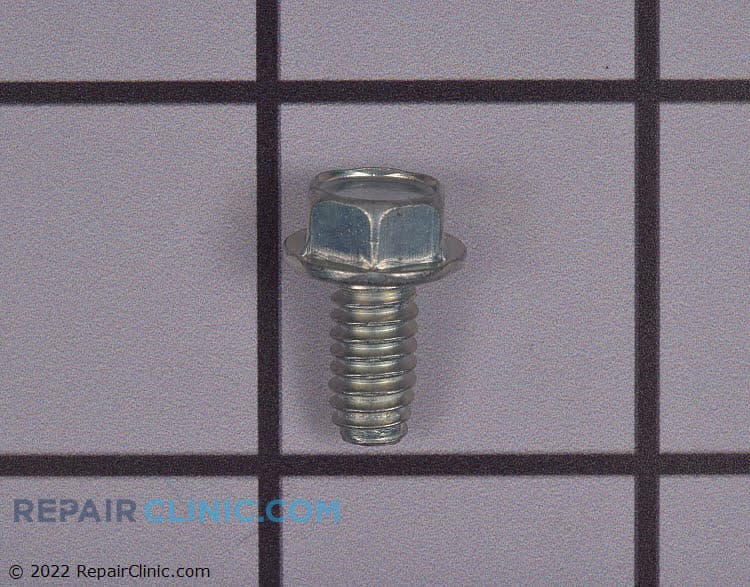
Keep your Snapper 12A-A2BE707 lawn mower running reliably with genuine OEM replacement parts from Repair Clinic. The 12A-A2BE707 is a 21-inch self-propelled walk-behind gas lawn mower from Snapper. The cutting blade, drive belt, carburetor, and spark plug are the most frequently serviced components on the 12A-A2BE707. Repair Clinic stocks genuine Snapper OEM parts for the 12A-A2BE707 including the Snapper lawn mower blade parts, Snapper lawn mower belt parts, Snapper lawn mower carburetor parts, and Snapper lawn mower spark plug parts. Browse the Snapper lawn mower parts catalog filtered by 12A-A2BE707 for the complete parts inventory.
Snapper 12A-A2BE707: 21-Inch Self-Propelled Walk-Behind Mower Service
The Snapper 12A-A2BE707 is a 21-inch self-propelled walk-behind mower using a drive belt to connect the engine to the front-wheel drive transmission. The drive belt is the primary wear item after the cutting blade. Annual carburetor float bowl draining before winter storage prevents the varnish deposits that cause most 12A-A2BE707 hard-start complaints in the spring. The 12A-A2BE707 and 12AVB2A2707 are closely related Snapper configurations sharing many service components. The lawn mower repair help section covers 12A-A2BE707 blade removal, drive belt replacement, and carburetor service.
Most Replaced Parts on the Snapper 12A-A2BE707
Cutting Blade for the Snapper 12A-A2BE707
A blade bent from striking a rock or root must be replaced immediately rather than straightened. Replace the 21-inch blade when it can no longer be sharpened to a clean cutting edge.
Drive Belt for the 12A-A2BE707
The drive belt connects the engine to the self-propel transmission. A belt that is cracked, glazed, or worn slips under load and reduces or eliminates self-propel engagement. Inspect the belt at the start of each mowing season.
Carburetor for the Snapper 12A-A2BE707
Ethanol varnish deposits during winter storage cause most hard-start complaints. Cleaning restores function in most cases. When the needle valve seat is worn, carburetor replacement is the most reliable solution.
Spark Plug for the 12A-A2BE707
Annual spark plug replacement maintains reliable starting. A plug with black carbon deposits indicates a rich mixture from a clogged air filter or gummed carburetor.
Why Choose Repair Clinic for Snapper 12A-A2BE707 Parts
- Genuine Snapper OEM Components: 21-inch cutting blades, drive belts, and carburetors confirmed for the Snapper 12A-A2BE707 self-propelled walk-behind mower Snapper lawn mower parts.
- 12A-A2BE707 and 12AVB2A2707 Cross-Compatibility: Components shared between the 12A-A2BE707 and 12AVB2A2707 are identified in the catalog.
- Seasonal Storage Guides: Carburetor float bowl draining before winter storage prevents the most common 12A-A2BE707 hard-start complaint through lawn mower repair help.
- 365-Day Returns: Return any uninstalled Snapper part within a full year of purchase with no restocking fees.
Snapper 12A-A2BE707 Lawn Mower Parts FAQ
What is the Snapper 12A-A2BE707 and what deck size does it use?
The Snapper 12A-A2BE707 is a 21-inch self-propelled walk-behind gas lawn mower. The 12A series identifies the Snapper walk-behind mower product line and A2BE707 identifies the specific engine and configuration within the 12A platform.
Are Snapper 12A-A2BE707 and 12AVB2A2707 parts interchangeable?
The 12A-A2BE707 and 12AVB2A2707 are closely related Snapper 21-inch walk-behind mower configurations. Many service components including the cutting blade, drive belt, and carburetor are typically shared between related 12A platform configurations. Always confirm the part number from the Repair Clinic parts diagram before ordering.
Why does the Snapper 12A-A2BE707 cut unevenly?
Uneven cutting is most commonly caused by a blade bent from striking a rock or root, a blade that has become dull enough to tear rather than cut grass, or a deck that has lost proper leveling. Replace a bent blade immediately rather than attempting to straighten it.
Why is my Snapper 12A-A2BE707 not self-propelling?
A mower that runs but does not self-propel most commonly has a broken or worn drive belt or a failed transmission. Inspect the drive belt first as it is the most likely cause and least expensive repair.