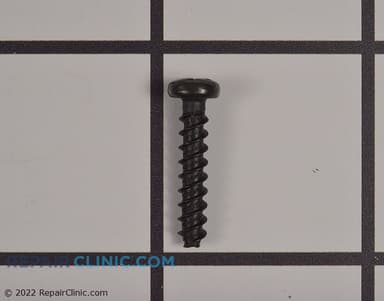
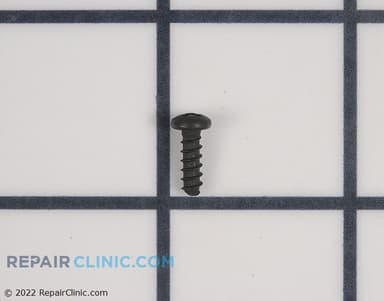
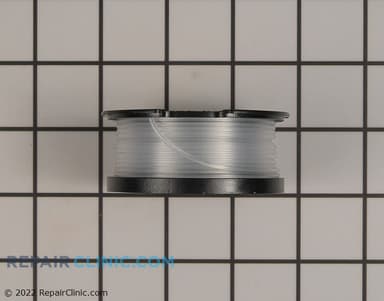
Maintain the performance of your Black & Decker LSTE525 String Trimmer with genuine replacement parts from Repair Clinic. This is a 20V MAX cordless 12 inch string trimmer and edger with EasyFeed line advance and two speed control, powered by lithium ion batteries rather than gas. Whether you are troubleshooting a specific symptom or refreshing routine maintenance items, our inventory covers the spool, drive shaft, and switch this unit depends on most. Browse the complete Black & Decker parts catalog for every component built for this model.
About This Black & Decker String Trimmer
This is a cordless, battery powered trimmer rather than a gas model, so troubleshooting starts with the battery and charging system before looking at any mechanical component. It ships with two 20V MAX lithium ion batteries and a charger, and its PowerDrive transmission increases torque at the cutting line compared to a direct drive design, while a two speed control lets the operator choose between 5,500 and 7,200 RPM depending on whether the priority is extended runtime or maximum cutting power. The EasyFeed system advances trimmer line with the push of a button rather than the bump feed mechanism found on many trimmers, which changes where line feed problems typically originate. This trimmer also converts from a straight shaft trimmer into a wheeled edger in seconds, a feature that depends on the shaft coupling and wheel mechanism staying free of dirt and debris to convert smoothly. Storing the trimmer indoors or under cover between uses protects electrical connections and fuel system components alike from the moisture that accelerates corrosion and wear over time. Wiping debris from the shaft and head after each use, before it has a chance to harden or dry in place, keeps moving parts working smoothly for longer between services. Checking that fasteners along the shaft and head remain properly tightened before each use helps prevent excess vibration that can accelerate wear on internal components. Reviewing the owner’s manual for this specific model before attempting any repair helps confirm torque specs and part orientations that are easy to get wrong from memory alone. Inspecting the cutting attachment for damage before each use catches a cracked or unbalanced head before it causes excess vibration or uneven cutting. Keeping the guard shield securely attached during use protects the operator from thrown debris and is worth confirming after any disassembly for repair. Letting the trimmer cool fully before storing it in an enclosed space reduces the fire risk that comes from packing away a warm engine or a freshly charged battery pack. Rotating trimmer line stock periodically rather than leaving a single spool loaded for a long stretch helps prevent the line from becoming brittle before it is ever used. Storing the trimmer indoors or under cover between uses protects electrical connections and fuel system components alike from the moisture that accelerates corrosion and wear over time. Wiping debris from the shaft and head after each use, before it has a chance to harden or dry in place, keeps moving parts working smoothly for longer between services. Checking that fasteners along the shaft and head remain properly tightened before each use helps prevent excess vibration that can accelerate wear on internal components. Reviewing the owner’s manual for this specific model before attempting any repair helps confirm torque specs and part orientations that are easy to get wrong from memory alone. Inspecting the cutting attachment for damage before each use catches a cracked or unbalanced head before it causes excess vibration or uneven cutting. Keeping the guard shield securely attached during use protects the operator from thrown debris and is worth confirming after any disassembly for repair. Letting the trimmer cool fully before storing it in an enclosed space reduces the fire risk that comes from packing away a warm engine or a freshly charged battery pack. Rotating trimmer line stock periodically rather than leaving a single spool loaded for a long stretch helps prevent the line from becoming brittle before it is ever used. Storing the trimmer indoors or under cover between uses protects electrical connections and fuel system components alike from the moisture that accelerates corrosion and wear over time. Wiping debris from the shaft and head after each use, before it has a chance to harden or dry in place, keeps moving parts working smoothly for longer between services. Checking that fasteners along the shaft and head remain properly tightened before each use helps prevent excess vibration that can accelerate wear on internal components. Reviewing the owner’s manual for this specific model before attempting any repair helps confirm torque specs and part orientations that are easy to get wrong from memory alone. Inspecting the cutting attachment for damage before each use catches a cracked or unbalanced head before it causes excess vibration or uneven cutting. Keeping the guard shield securely attached during use protects the operator from thrown debris and is worth confirming after any disassembly for repair. Letting the trimmer cool fully before storing it in an enclosed space reduces the fire risk that comes from packing away a warm engine or a freshly charged battery pack. Rotating trimmer line stock periodically rather than leaving a single spool loaded for a long stretch helps prevent the line from becoming brittle before it is ever used. Storing the trimmer indoors or under cover between uses protects electrical connections and fuel system components alike from the moisture that accelerates corrosion and wear over time. Wiping debris from the shaft and head after each use, before it has a chance to harden or dry in place, keeps moving parts working smoothly for longer between services. Checking that fasteners along the shaft and head remain properly tightened before each use helps prevent excess vibration that can accelerate wear on internal components. Reviewing the owner’s manual for this specific model before attempting any repair helps confirm torque specs and part orientations that are easy to get wrong from memory alone. Inspecting the cutting attachment for damage before each use catches a cracked or unbalanced head before it causes excess vibration or uneven cutting. Keeping the guard shield securely attached during use protects the operator from thrown debris and is worth confirming after any disassembly for repair. Letting the trimmer cool fully before storing it in an enclosed space reduces the fire risk that comes from packing away a warm engine or a freshly charged battery pack. Rotating trimmer line stock periodically rather than leaving a single spool loaded for a long stretch helps prevent the line from becoming brittle before it is ever used. Storing the trimmer indoors or under cover between uses protects electrical connections and fuel system components alike from the moisture that accelerates corrosion and wear over time. Wiping debris from the shaft and head after each use, before it has a chance to harden or dry in place, keeps moving parts working smoothly for longer between services.
Most Replaced Parts on the LSTE525
Battery and Charging Problems on the LSTE525
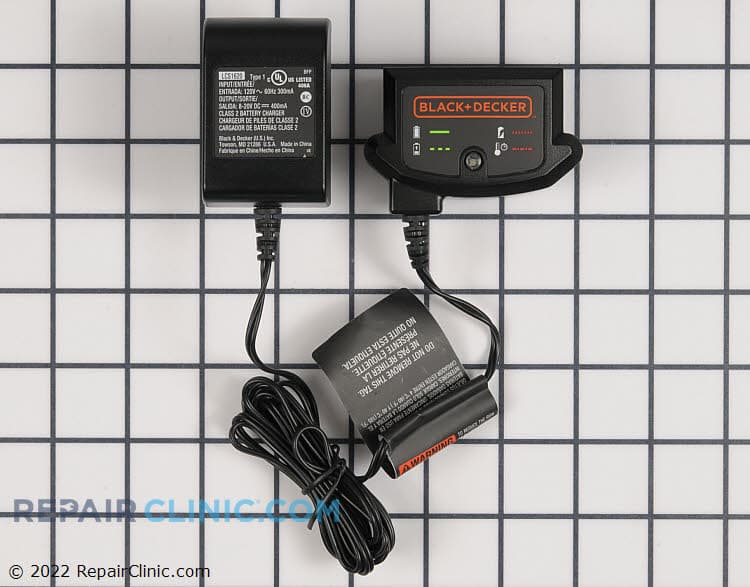
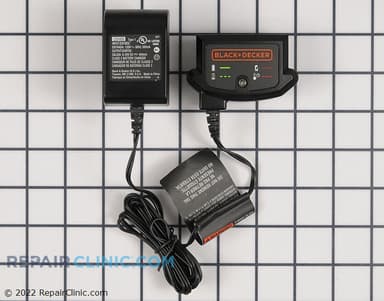
A trimmer that will not power on at all, or that runs for only a short time before losing power, points to the battery or charger rather than the motor in most cases. Confirm the battery charges fully and seats securely in the trimmer before assuming a motor or switch fault.
EasyFeed Line Advance Issues on the LSTE525
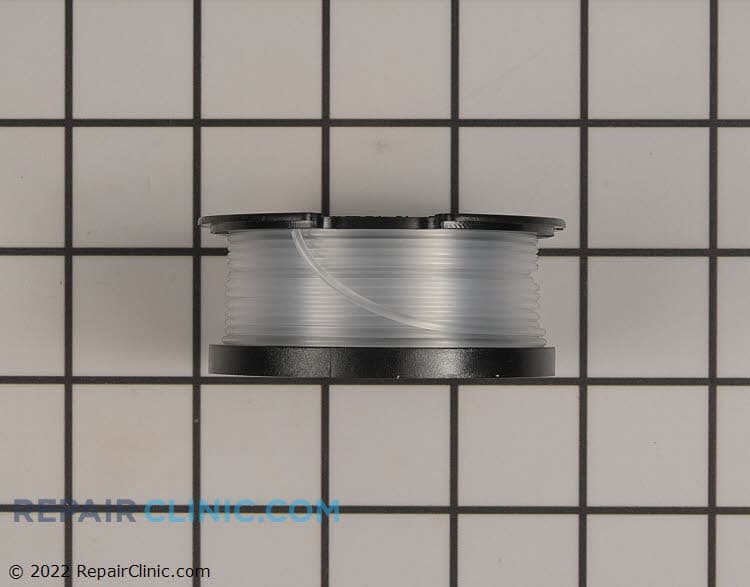
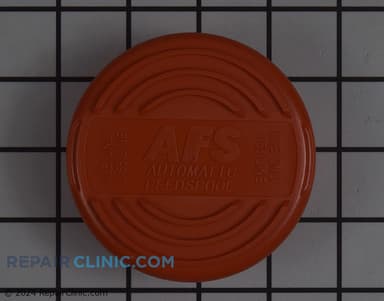
If pressing the EasyFeed button does not advance the line, check that the spool is loaded correctly and the line is not tangled or fused together inside the head before assuming the feed mechanism itself has failed. A properly wound spool is the most common fix.
Drive Shaft and Cutting Head Problems on the LSTE525
A trimmer head that spins slowly or stalls under light load, despite a fully charged battery, often points to debris wrapped around the drive shaft where it meets the cutting head. Clear any wrapped grass or string from the shaft coupling before assuming the motor has failed.
Edger Conversion Problems on the LSTE525
If the trimmer will not convert smoothly into its wheeled edger configuration, clean dirt and grass buildup from the shaft coupling and edging wheel mechanism before assuming a broken conversion mechanism. Built up debris is the most common cause of a conversion that feels stuck.
Why Choose Repair Clinic for LSTE525 Parts
- Battery matched parts: We stock trimmer line spools, drive shaft components, and switches sized for this 20V MAX cordless trimmer and edger.
- Battery safety: Charge lithium ion batteries only with the charger provided for this trimmer, and store batteries at room temperature away from direct sunlight when not in use.
- Preventive maintenance guidance: Our repair help covers keeping the shaft coupling and edging wheel free of grass buildup, the habit most likely to keep the trimmer to edger conversion working smoothly.
- 365 day returns: Order with confidence knowing every part is backed by our 365 day, no hassle return policy and helpful customer support.
LSTE525 Parts FAQ
Does this trimmer use gas or batteries?
It runs on two included 20V MAX lithium ion batteries rather than gas, with a charger included in the box.
Why won’t the trimmer line advance when I press the button?
Check that the spool is loaded correctly and the line is not tangled inside the head before assuming the EasyFeed mechanism has failed.
Can this trimmer also edge along sidewalks and borders?
Yes, it converts from a straight shaft trimmer into a wheeled edger in seconds for edging along borders, sidewalks, and flower beds.
Why does the trimmer run but cut poorly?
Check for grass or string wrapped around the drive shaft where it meets the cutting head, since this can slow the head even with a fully charged battery.