


 365-Day Return PolicyPrice Match GuaranteeIn-stock parts ship the same day365-Day Return PolicyPrice Match GuaranteeIn-stock parts ship the same day365-Day Return Policy
Craftsman Lawn Mower ZT-7000 Parts
Shop replacement repair parts for Craftsman Lawn Mower model ZT-7000



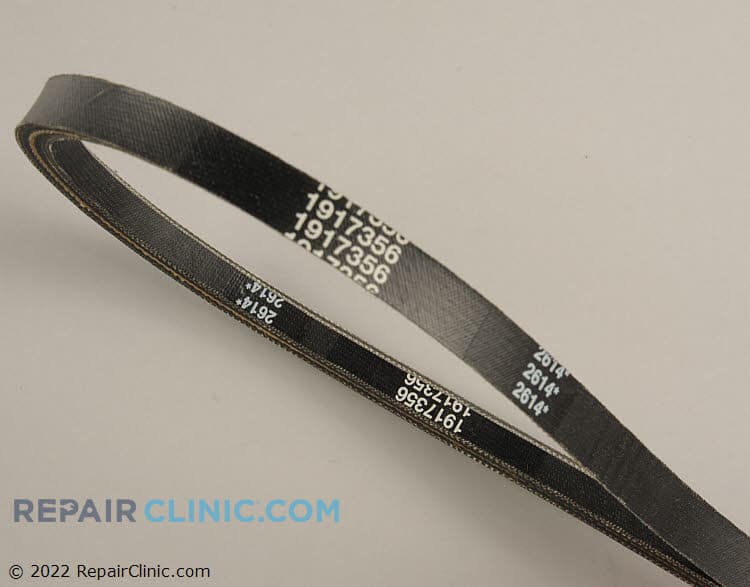
Belt-v auger 42035

Craftsman ZT-7000 Problems & Repair Solutions
Frequently Purchased Together For This Model

Restore the performance of your Craftsman ZT-7000 Lawn Mower with genuine replacement parts from Repair Clinic. This is a zero-turn, rear engine riding mower with electric start, available with either a Kohler or Briggs and Stratton engine depending on the exact deck and horsepower trim. Whether you are troubleshooting a specific symptom or refreshing routine maintenance items, our inventory covers the carburetor, spark plug, ignition coil, and drive belt this unit depends on most. Browse the complete Craftsman parts catalog for every component built for this model.
About This Craftsman Lawn Mower
Unlike a traditional lawn tractor, this is a zero-turn rear engine rider, meaning the engine sits behind the operator and the machine steers with independent drive levers rather than a steering wheel, allowing a true zero degree turning radius around obstacles. Craftsman sold this ZT 7000 platform with different engine and deck combinations, including an 18 horsepower model with a 50 inch deck and separate trims pairing a 20 horsepower Kohler engine with a 44 inch deck or a 22 horsepower Briggs and Stratton engine with a 50 inch deck, all sharing the same basic rear engine chassis and electric start system. Because the drive system on a zero-turn mower uses two independent hydrostatic or belt driven wheel motors rather than a single transmission, a tracking or turning complaint often points to one side’s drive components rather than a shared transmission fault. Seasonal habits like sharpening the blade, checking tire pressure on wheeled models, and clearing grass buildup from the underside of the deck all add up to fewer mid season breakdowns and a cleaner, more even cut over the life of the machine. Keeping the underside of the deck free of packed grass clippings also helps the mower discharge or mulch properly, since a caked deck restricts airflow and can leave visible clumps behind on an otherwise well maintained lawn. A quick visual check of the wheel height adjusters, handle hardware, and safety controls at the start of each season catches small issues, like a loose bolt or a sticking cable, before they turn into a bigger repair mid mow. Draining or stabilizing leftover fuel before the mower sits unused for more than a month or two remains one of the simplest ways to avoid a hard starting complaint the following season. Mowing at a slightly higher deck setting during hot, dry stretches puts less strain on the engine and blade than scalping the lawn short, and it tends to leave the grass healthier once cooler weather returns. Cleaning debris out from around the muffler and cylinder cooling fins periodically helps the engine run at a safer operating temperature, particularly during long mowing sessions on a hot afternoon. Rotating or replacing the blade before it becomes visibly dull, rather than waiting for grass to look torn instead of cleanly cut, reduces the extra strain a dull blade places on the engine and drive system. Keeping the owner’s manual on hand, whether in print or as a downloaded PDF, makes it easier to look up the correct oil type, blade torque, and maintenance interval specific to this mower rather than relying on general assumptions. Seasonal habits like sharpening the blade, checking tire pressure on wheeled models, and clearing grass buildup from the underside of the deck all add up to fewer mid season breakdowns and a cleaner, more even cut over the life of the machine. Keeping the underside of the deck free of packed grass clippings also helps the mower discharge or mulch properly, since a caked deck restricts airflow and can leave visible clumps behind on an otherwise well maintained lawn. A quick visual check of the wheel height adjusters, handle hardware, and safety controls at the start of each season catches small issues, like a loose bolt or a sticking cable, before they turn into a bigger repair mid mow. Draining or stabilizing leftover fuel before the mower sits unused for more than a month or two remains one of the simplest ways to avoid a hard starting complaint the following season. Mowing at a slightly higher deck setting during hot, dry stretches puts less strain on the engine and blade than scalping the lawn short, and it tends to leave the grass healthier once cooler weather returns. Cleaning debris out from around the muffler and cylinder cooling fins periodically helps the engine run at a safer operating temperature, particularly during long mowing sessions on a hot afternoon. Rotating or replacing the blade before it becomes visibly dull, rather than waiting for grass to look torn instead of cleanly cut, reduces the extra strain a dull blade places on the engine and drive system. Keeping the owner’s manual on hand, whether in print or as a downloaded PDF, makes it easier to look up the correct oil type, blade torque, and maintenance interval specific to this mower rather than relying on general assumptions. Seasonal habits like sharpening the blade, checking tire pressure on wheeled models, and clearing grass buildup from the underside of the deck all add up to fewer mid season breakdowns and a cleaner, more even cut over the life of the machine. Keeping the underside of the deck free of packed grass clippings also helps the mower discharge or mulch properly, since a caked deck restricts airflow and can leave visible clumps behind on an otherwise well maintained lawn. A quick visual check of the wheel height adjusters, handle hardware, and safety controls at the start of each season catches small issues, like a loose bolt or a sticking cable, before they turn into a bigger repair mid mow. Draining or stabilizing leftover fuel before the mower sits unused for more than a month or two remains one of the simplest ways to avoid a hard starting complaint the following season. Mowing at a slightly higher deck setting during hot, dry stretches puts less strain on the engine and blade than scalping the lawn short, and it tends to leave the grass healthier once cooler weather returns. Cleaning debris out from around the muffler and cylinder cooling fins periodically helps the engine run at a safer operating temperature, particularly during long mowing sessions on a hot afternoon. Rotating or replacing the blade before it becomes visibly dull, rather than waiting for grass to look torn instead of cleanly cut, reduces the extra strain a dull blade places on the engine and drive system. Keeping the owner’s manual on hand, whether in print or as a downloaded PDF, makes it easier to look up the correct oil type, blade torque, and maintenance interval specific to this mower rather than relying on general assumptions.
Most Replaced Parts on the ZT-7000
Carburetor and Hard Starting Issues on the ZT-7000
An engine that cranks but will not fire, or that runs rough after sitting over winter, usually has a gummed up carburetor from stale, ethanol blended fuel. Confirm the spark plug fires and the air filter is clean before disassembling the carburetor.
Spark Plug and Ignition Coil Problems on the ZT-7000
Test the spark plug before assuming the ignition coil has failed, since a plug fouled by a rich fuel mixture is far more common than a genuine coil failure, particularly on the V-twin engine trims of this mower.
Drive Belt and Steering Drift Problems on the ZT-7000
If the mower pulls to one side or will not track straight, inspect the drive belt and pulleys on the affected side before assuming a control lever or linkage adjustment issue, since a worn or slipping belt on one side is a common cause of uneven tracking on a zero-turn mower.
Safety Switch and No Start Problems on the ZT-7000
This mower will not start unless the seat switch, parking brake, and drive lever position all report correctly to the safety interlock system. Before assuming the starter or solenoid has failed, confirm the operator is seated and the drive levers are in the neutral or parked position.
Why Choose Repair Clinic for ZT-7000 Parts
- Engine matched parts: We stock carburetor, ignition, and belt components matched to the specific Kohler or Briggs and Stratton engine installed on this ZT 7000 trim level.
- Fuel system safety: Always shut the engine off and let it cool fully before refueling this mower, and store gasoline only in an approved container away from any ignition source.
- Preventive maintenance guidance: Our repair help covers seasonal carburetor care and drive belt inspection on both sides of the mower, which together resolve a large share of no start and tracking complaints.
- 365 day returns: Order with confidence knowing every part is backed by our 365 day, no hassle return policy and expert customer support.
ZT-7000 Parts FAQ
Is this a lawn tractor or a zero-turn mower?
It is a zero-turn, rear engine rider that steers with independent drive levers rather than a steering wheel, allowing tighter turns than a traditional lawn tractor.
What engine and deck sizes does this model come in?
Trims within this lineup pair either a Kohler or Briggs and Stratton engine, ranging from 18 to 22 horsepower, with deck sizes of 44 or 50 inches depending on the specific model.
Why does the mower pull to one side instead of tracking straight?
Check the drive belt and pulleys on the affected side first, since a worn or slipping belt on one side is a common cause of uneven tracking on a zero-turn mower.
Why won’t the mower start even though the key turns?
Check that the operator is seated and the drive levers are in the neutral or parked position, since the safety interlock system will block starting otherwise.


Talk With Us


Family-owned and operated since 1912, Burke America Parts Group is the longest-running genuine appliance, HVAC, and outdoor power equipment parts solution in North America. At Repair Clinic, we're proud to be an international brand trusted by the pros as well as the DIY community.
About Repair Clinic