


 Price Match Guarantee
Samsung Washing Machine Bearing Parts
Find the right part faster
Multiple models matched. Select your model to confirm fit.





Ball bearing
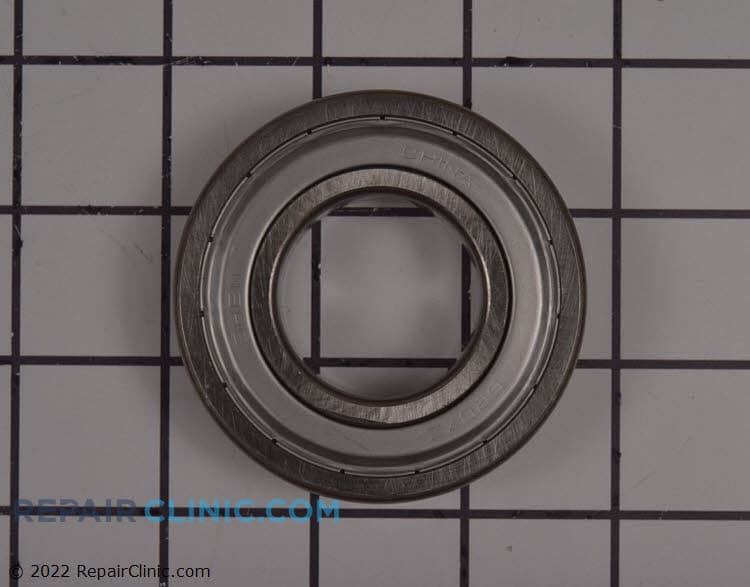
Bearing ball
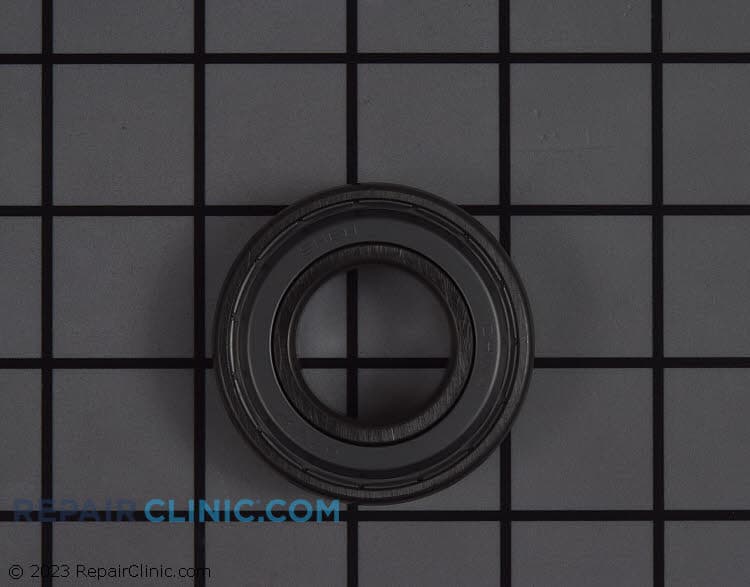
Bearing-ball
Bushing
Bush-pulsator


Samsung Washing Machine Tub Bearing & Drum Assembly Parts
A grinding or roaring noise during the spin cycle on your Samsung front-load washer is a telltale sign the tub bearing has failed. Unlike top-load washers, Samsung front-loaders spin the entire outer tub, and when the bearing wears out, metal-on-metal friction takes over. The good news: Samsung engineered the bearing as part of the rear drum assembly, so you replace both together — the OEM way to do it.
At Repair Clinic, we stock genuine Samsung rear drum assemblies with integrated bearings for every Samsung front-load model. The noise only gets worse, and continued use risks damaging the basket and seal. Order the exact OEM part using your model number, and you'll have the bearing assembly that matches Samsung's original specifications.
- Loud grinding or roaring during spin: tub bearing worn metal-to-metal
- Spin cycle very slow or stops mid-cycle: bearing friction resisting rotation
- Water leaking from rear of tub: worn bearing often precedes seal failure
- Tub wobbles or feels loose: bearing play allows side-to-side movement
- Burning smell during spin: friction heat from metal-on-metal bearing contact
Find Replacement Samsung Washing Machine Bearing Parts Online by Model or Part Number
Popular Samsung Washing Machine Models
Related Samsung Washing Machine Bearing Parts
Samsung Washing Machine Bearing & Rear Drum Assembly FAQ
Why does Samsung use a rear drum assembly with the bearing built in?
Samsung's design integrates the tub bearing into the rear drum assembly for structural rigidity and proper alignment during high-speed spin cycles (up to 1200 rpm on some models). Replacing just the bearing isn't possible — you'll need to replace the entire rear drum unit with the bearing pre-installed and torqued to factory spec. This OEM approach prevents misalignment and premature bearing re-failure that sometimes happens with aftermarket bearing-only repairs.
What's the difference between a front-load bearing noise and other washer noises?
A true bearing failure sounds like a loud grinding, rumbling, or roaring that gets progressively worse and is loudest during the spin cycle when the tub spins at maximum speed. It's distinct from a foreign object (coin, wire) that causes more of a rhythmic thumping or rattling. Use your model number to confirm you're looking at the right part — Repair Clinic's parts diagram will show the rear drum assembly and bearing.
Can I just replace the bearing without replacing the whole rear drum?
Not with Samsung front-loaders. The bearing is pressed onto the rear drum shaft and requires specialized press equipment to remove and install correctly. Attempting a bearing-only replacement risks misalignment, which accelerates re-failure. OEM rear drum assemblies come pre-assembled and tested. Always use the drum assembly, not the bearing alone.
How do I find my Samsung washing machine model number for the correct bearing part?
The model number is on a label inside the rubber door gasket (front edge of the door opening) or on the back panel of the machine. Enter it in Repair Clinic's model lookup, and the correct rear drum assembly with bearing will appear. Samsung model numbers typically start with WF, WD, or MW and include 4-5 digits (e.g., WF42H5200AW).
Order Samsung Washing Machine Bearing Parts Online
Maintain your Samsung washing machine's performance with genuine OEM bearing parts from Repair Clinic. Proper bearings ensure smooth drum rotation and reduce noise during wash cycles. Use our model number lookup to find the exact bearing part for your Samsung appliance. Enjoy same-day shipping, No-Hassle 365-Day Returns, and our Price Match Guarantee for a reliable shopping experience. For installation guidance, check out our Washing Machine Repair Help page or consider browsing related parts like Samsung Washing Machine Door Parts for comprehensive repair solutions.
Samsung Washing Machine Model Number: Where to Look
On Samsung washing machines, look for the model number on a label inside the door frame, along the front edge of the opening, or on the back panel. It may be printed beside the serial number, so copy the complete model code carefully, including letters, numbers, and any slash marks. Type it into our model number lookup and the catalog narrows to parts made for your unit. This search applies to the entire washing machine, not just the bearing or another individual part, so you can compare the full selection of compatible parts for your exact model. It is the quickest way to be sure the part fits before you order.

Repair and Troubleshooting Support for Samsung Washing Machine
Repair Clinic's online repair library is built to support Samsung Washing Machine owners and technicians through every stage of the fix. Symptom-based articles narrow the likely cause, part testing videos verify the failing component, and step-by-step repair guides cover the installation with photos and video. Use the model number lookup to confirm the exact OEM part, and wiring diagrams back you up on the more technical steps.
Related Articles: Washing Machine Parts
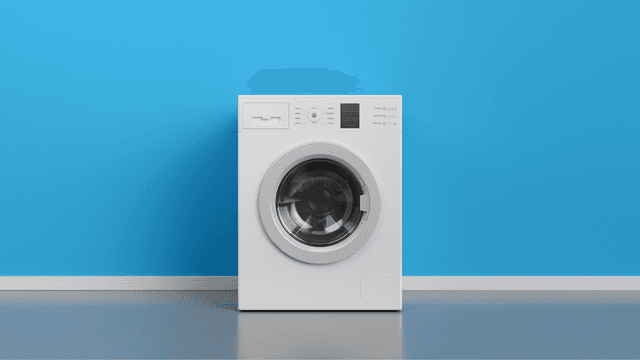
What Causes A Washing Machine To Stop Working?
Learn common reasons your washing machine suddenly stops working, from power issues to faulty parts, and how to troubleshoot the problem effectively.

Why Won't My Washing Machine Start?
If your washing machine won't turn on, find potential causes like door switch malfunctions, control board failures, or electrical issues, along with steps to fix them.
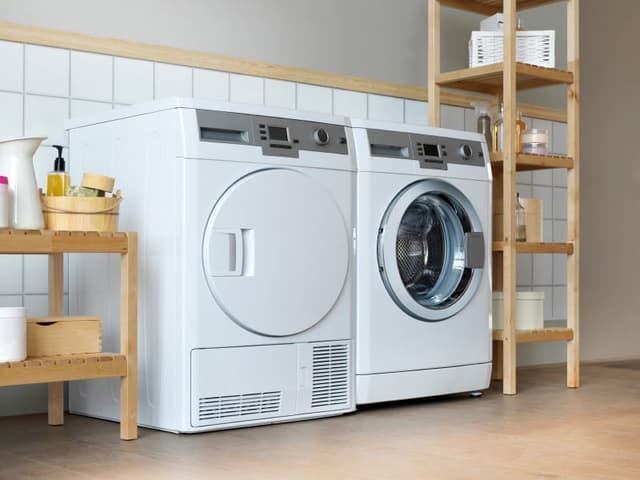
What Causes a Washing Machine To Not Spin or Drain?
Learn why your washer isn't spinning or draining properly, from clogged drain hoses to worn-out drive belts, and find solutions to restore its performance.




Family-owned and operated since 1912, Burke America Parts Group is the longest-running genuine appliance, HVAC, and outdoor power equipment parts solution in North America. At Repair Clinic, we're proud to be an international brand trusted by the pros as well as the DIY community.
About Repair Clinic