


 Price Match Guarantee
Maytag Washing Machine Transmission, Brake & Clutch Parts
Find the right part faster
Multiple models matched. Select your model to confirm fit.





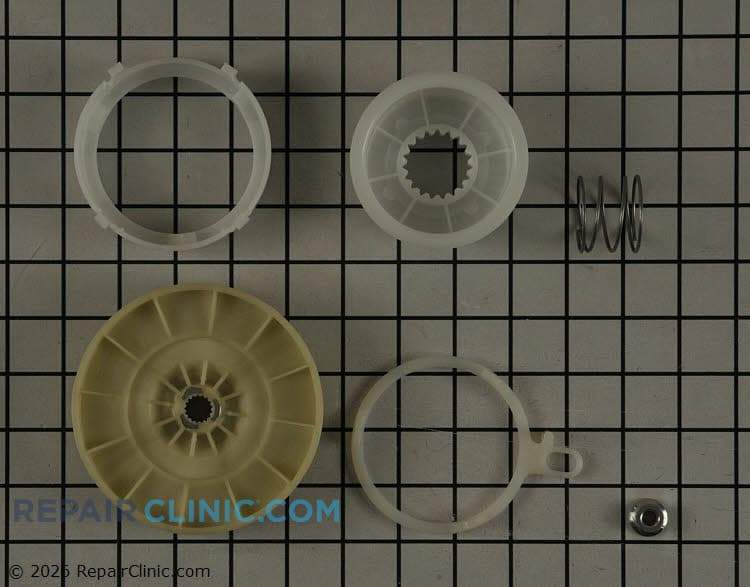
Drive Clutch (Splutch) Kit. This kit has 6 parts; a spring, housing, cam ring, basket drive gear, pulley, and nut. The pulley is driven by the belt and the splutch works with the mode shift actuator to drive the washplate and spin the inner basket. A worn splutch can cause spin or washplate problems
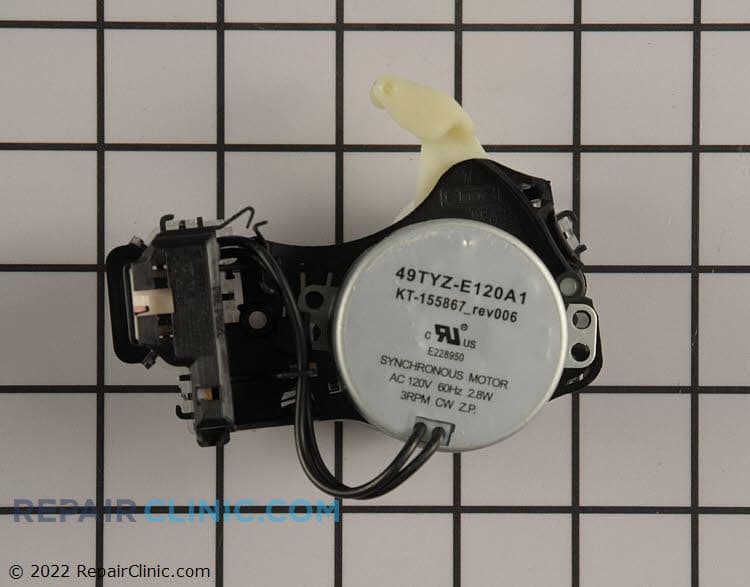
Mode shift actuator with 6 pin wire connection
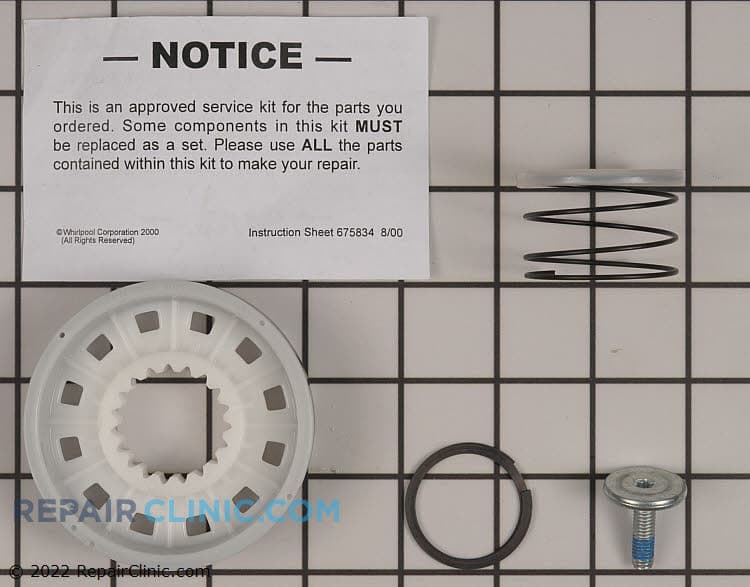
Clutch Slider Gear Assembly
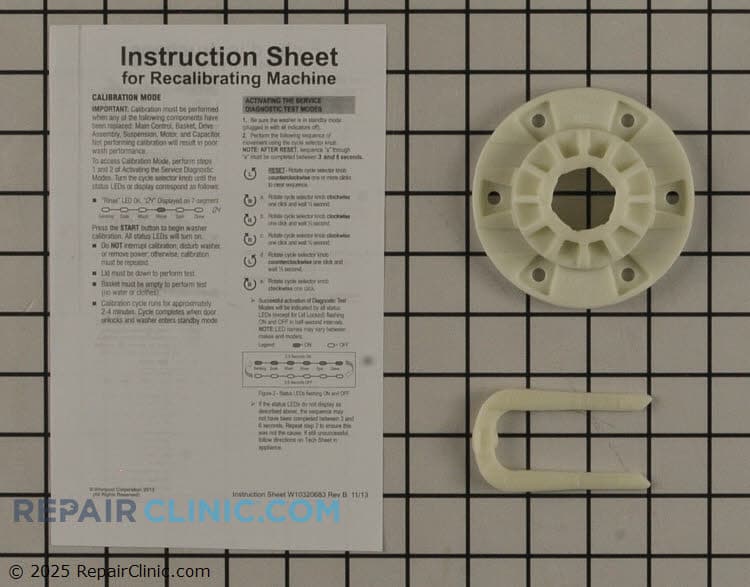
Inner tub drive hub kit
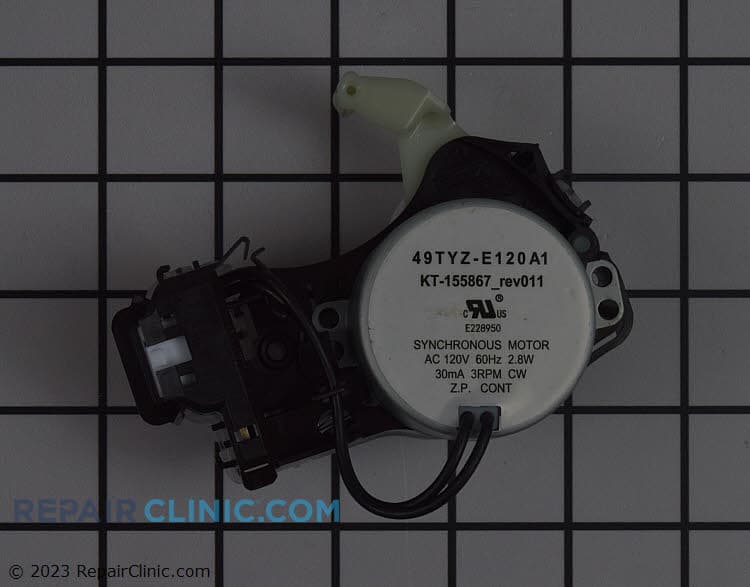
Mode shift actuator with 6 pin wire connection
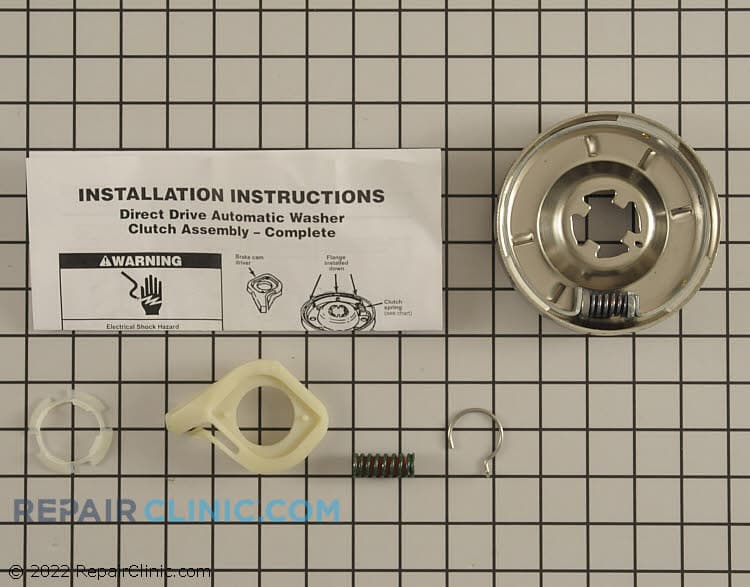
Drive clutch kit
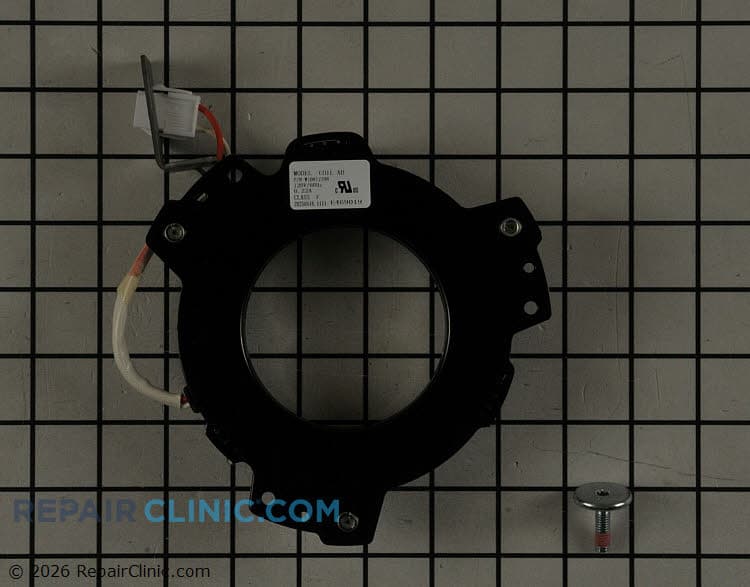
Electric clutch actuator
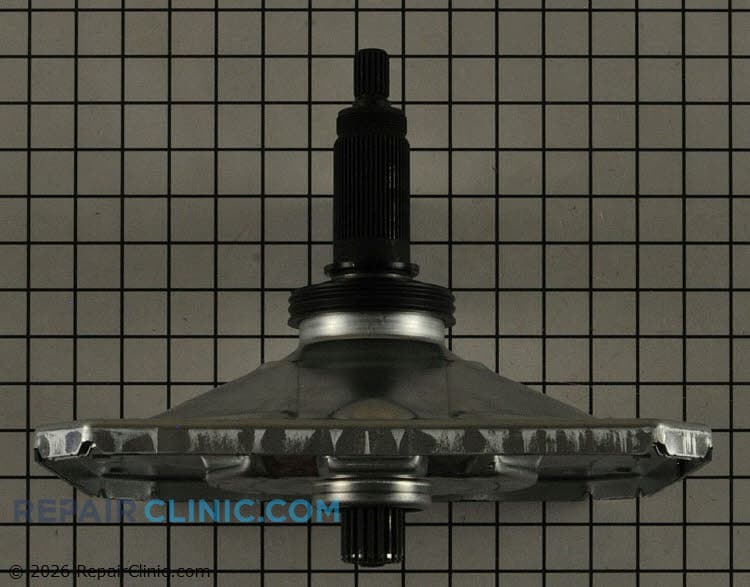
Inner basket drive assembly with seal & bearing
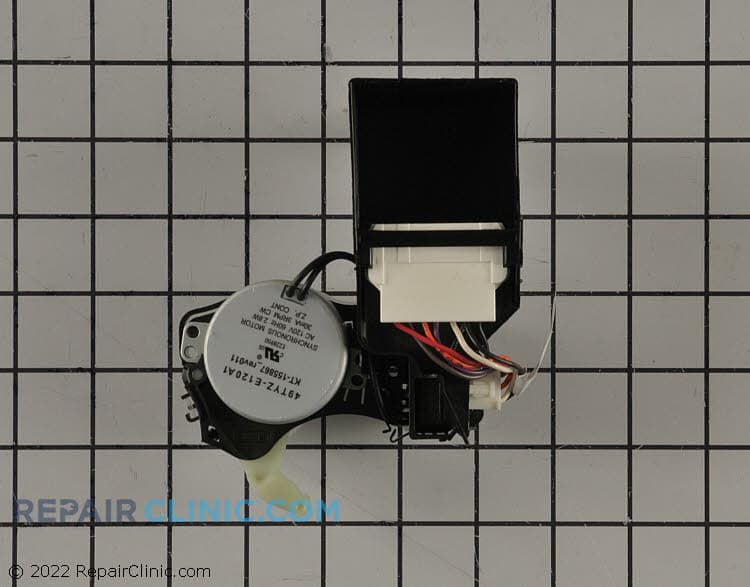
Washing machine mode shift actuator. *Updated by the manufacturer, does not look like original part. Actuator serves several functions. It has a synchronous motor that shifts the splutch cam ring and monitors the position of the splutch. Also has transmission speed/position optical sensor
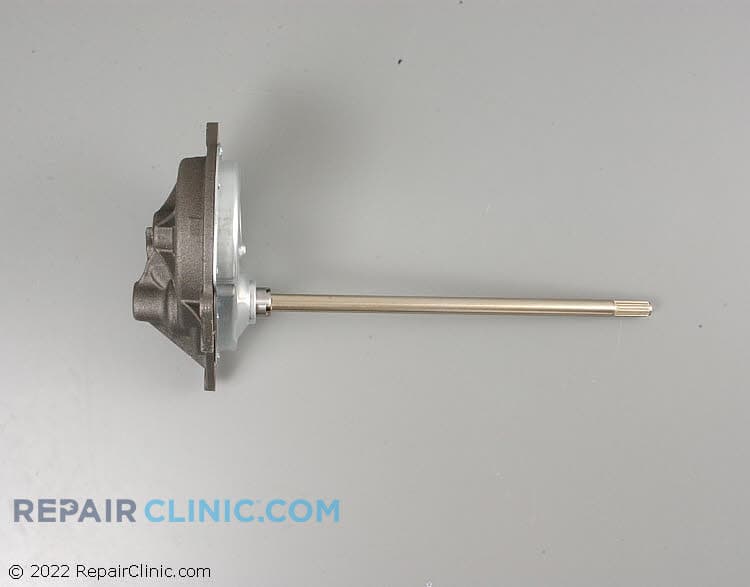
Whirlpool's transmission is a genuine replacement part for washing machines that ensures optimal turning motion for the drum, resulting in the best wash possible for clothes.
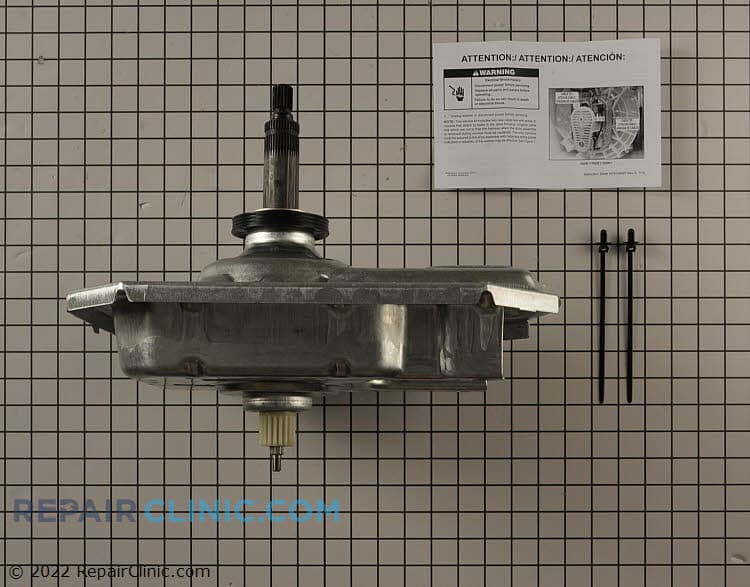
Transmission assembly with tub seal
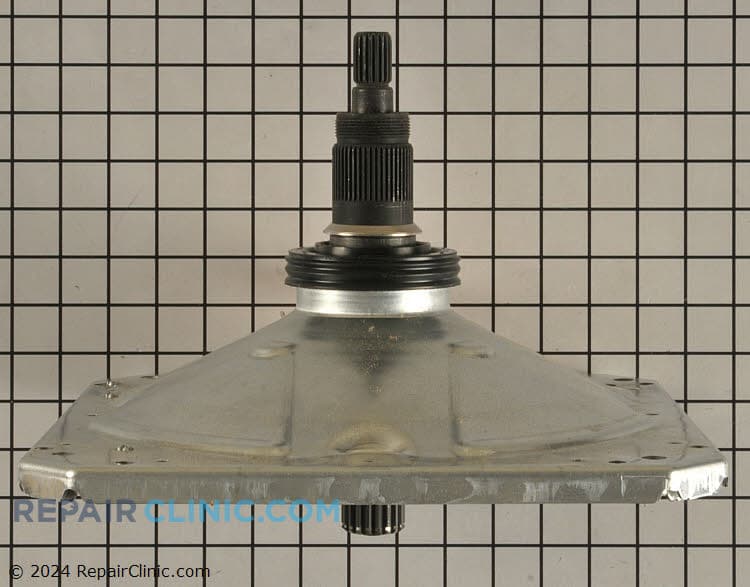
Tub drive assembly with shaft, seal & bearing
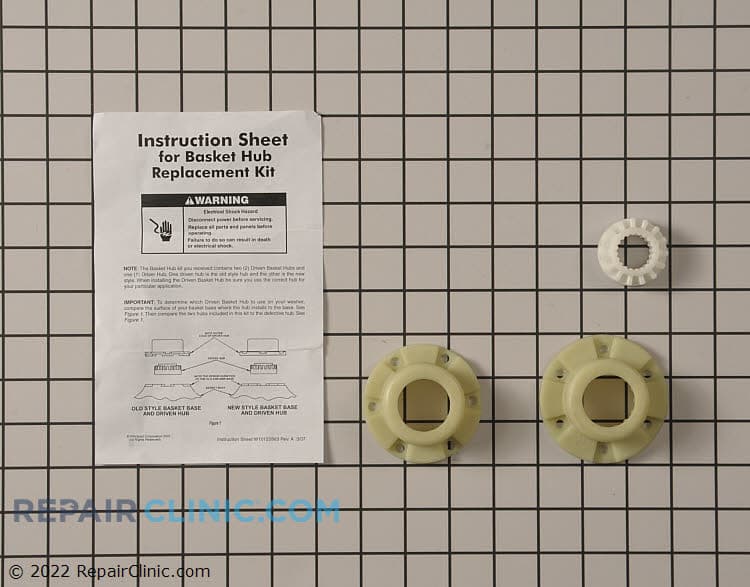
Basket drive hub kit
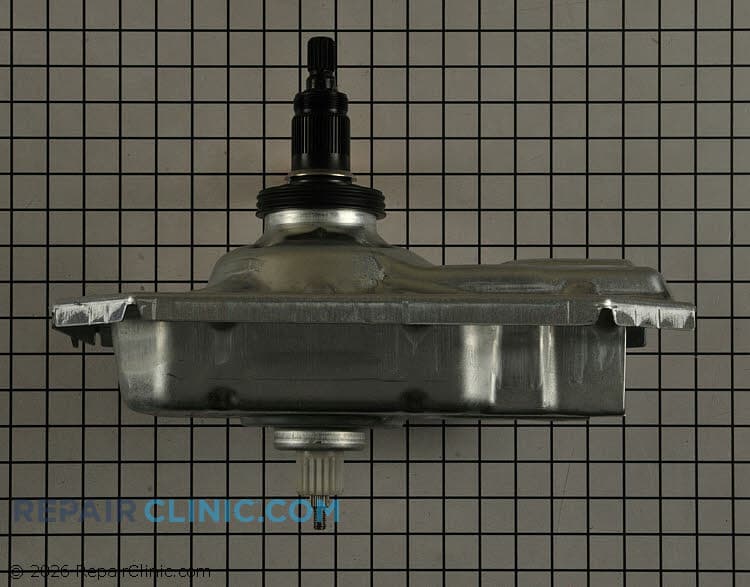
Transmission assembly with tub seal
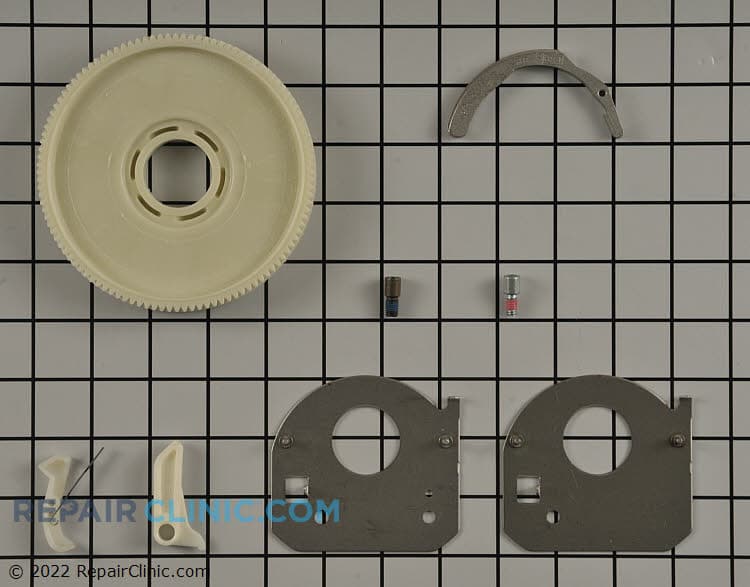
Neutral Drain kit in Transmission


Maytag Washer Transmission, Brake & Clutch Parts
The transmission, brake, and clutch assembly is the mechanical heart of your Maytag washer — it controls agitation, spin direction, and stopping power. When these parts fail, you'll notice the tub won't agitate, won't spin, or won't stop spinning. The good news: these are straightforward repairs with the right OEM part.
Maytag Bravos and Centennial washers are known for shift actuator issues, where the solenoid fails to engage the correct transmission mode. Neptune models sometimes struggle with older transmission seals. Catching these problems early — before metal-on-metal damage spreads — makes a huge difference in repair cost and complexity.
- Shift actuator failure: Washer won't agitate or won't spin; solenoid clicks but nothing engages
- Transmission seal leaks: Water pooling under the tub; seal deterioration on older Neptunes
- Brake assembly wear: Tub won't stop spinning or spins down slowly; brake pad friction loss
- Clutch slipping: Tub turns but with reduced power; worn clutch disc or spring failure
- Drive coupling failure: Motor runs but transmission doesn't engage; direct-drive models especially vulnerable
Use the Maytag transmission and brake parts page to find the exact assembly for your model. Enter your model number to confirm compatibility — transmission parts vary between Bravos, Centennial, and Neptune lines, and correct fit is required for proper engagement.
Find your model number on the data plate (usually inside the tub rim or on the back panel) and look up your exact transmission, brake, and clutch parts. Repair Clinic carries OEM Maytag assemblies that restore full wash and spin action.
Find Replacement Maytag Washing Machine Transmission, Brake & Clutch Parts Online by Model or Part Number
Popular Maytag Washing Machine Models
Related Maytag Washing Machine Transmission, Brake & Clutch Parts
- Maytag Washing Machine Transmission Parts
- Maytag Washing Machine Clutch Parts
- Maytag Washing Machine Shift Actuator Parts
- Maytag Washing Machine Basket Drive Parts
- Maytag Washing Machine Gear Parts
- Maytag Washing Machine Hub Parts
- Maytag Washing Machine Brake Pad Parts
- Maytag Washing Machine Clutch Band Kit Parts
- Maytag Washing Machine Drive Disk Parts
- Maytag Washing Machine Gearcase Housing Parts
- Maytag Washing Machine Actuator Parts
- Maytag Washing Machine Brake Release Cam Parts
- Maytag Washing Machine Choke Link Parts
- Maytag Washing Machine Drive Gear Parts
- Maytag Washing Machine Neutral Drain kit Parts
- Maytag Washing Machine Shaft Parts
- Maytag Washing Machine Trunnion Parts
Maytag Washer Transmission, Brake & Clutch Parts FAQ
Why won't my Maytag washer agitate or spin?
The shift actuator (solenoid) tells the transmission which mode to engage — agitate, spin, or neutral. If you hear the solenoid click but the tub doesn't move, the shift actuator has likely failed and needs replacement. On Bravos and Centennial models, this is one of the most common transmission-related repairs. If there's no click at all, the issue may be electrical, but the mechanical shift actuator is always the first part to verify.
What does a failing transmission brake sound like?
A worn brake assembly often produces a high-pitched squeal or grinding noise as the tub spins down at the end of the cycle. If the tub won't stop spinning at all, or takes much longer to stop than normal, the brake pads inside the brake assembly have worn flat. This is especially common on Neptune front-loaders, where the brake works harder during spin cycles. Replacing the brake assembly restores normal stopping action.
Is the transmission seal worth replacing, or should I replace the whole transmission?
If water is leaking from under the tub and you've ruled out the pump, door gasket, and inlet valve, the transmission seal may be the culprit — particularly on older Neptune models. A transmission seal kit is significantly cheaper than a full transmission assembly and is worth trying first. However, if the transmission itself is making grinding noises or won't engage, a full OEM transmission assembly is the correct repair. Use your model number to confirm which Maytag transmission assembly you need.
Can I drive my Maytag washer without the clutch or brake working?
No — both parts are essential. The clutch engages the motor power to the transmission for agitation and spin modes; the brake stops the tub at the end of the cycle for safety and to allow the door to unlock. Operating without either part risks injury (spinning tub won't stop) and damage to other parts (motor strain, transmission strain). Replace the clutch or brake assembly as soon as failure is confirmed.
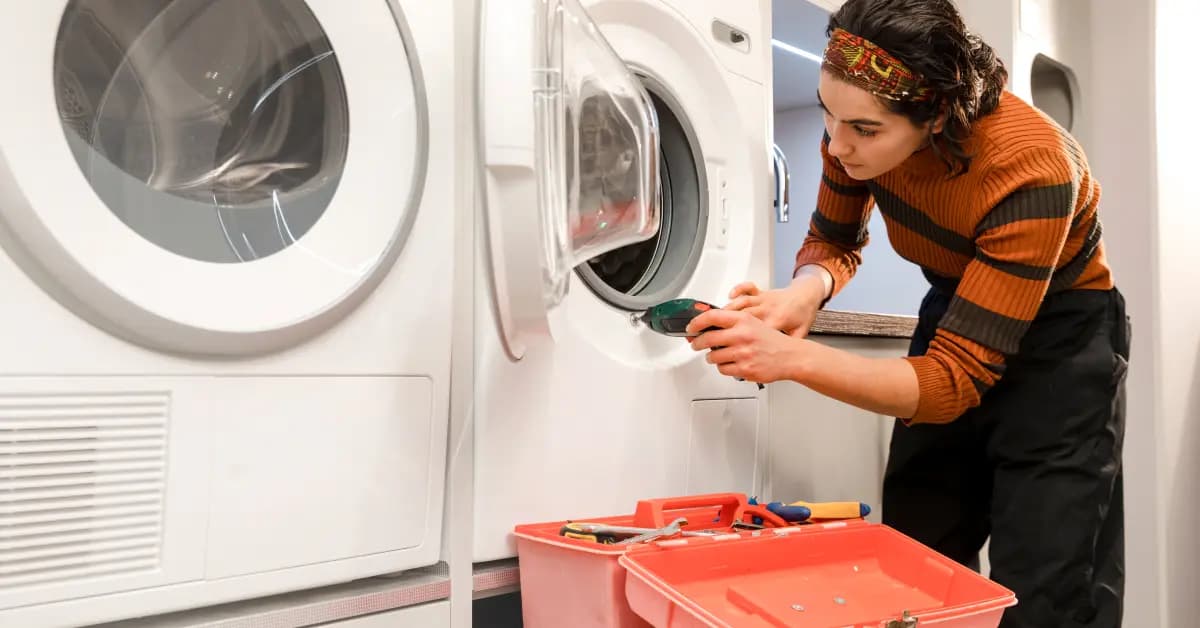
Order Maytag Washing Machine Transmission, Brake & Clutch Parts Online
Ensure your Maytag washing machine functions optimally with top-quality transmission, brake, and clutch parts from Repair Clinic. These parts are important for smooth operation and effective spin cycles. Utilize our model number lookup for precise parts identification, and benefit from same-day shipping, No-Hassle 365-Day Returns, and our Price Match Guarantee. For expert guidance, visit our Washing Machine Repair Help section. Find additional options like Maytag Washing Machine Transmission, Brake & Clutch Parts for comprehensive repair solutions.
Maytag Washing Machine Model Number: Where to Look
On Maytag washing machines, look for the model number on a label inside the lid or door frame, along the top edge of the tub opening, or on the back panel. Open the washer and check these spots carefully, since the model number may appear near the serial number and electrical information. Once you have it, enter the number in our model number lookup and the catalog narrows to parts made for your unit. This filters the full Maytag washing machine parts selection, including transmission, brake, clutch, and other parts, to options matched to your specific model. You can work faster and avoid ordering a part that does not fit.

Online Diagnostic and Repair Help for Maytag Washing Machine
Repair Clinic's online resources cover Maytag Washing Machine diagnostic work, part testing, and installation in one place. Symptom articles help you understand what is likely going wrong, video walkthroughs show the disassembly and reassembly, and step-by-step written repair guides let you follow along in your own time. Use the model number lookup to confirm the exact OEM part, and wiring diagrams support the more involved jobs.
Related Articles: Washing Machine Parts
What Causes A Washing Machine To Stop Working?
Learn common reasons your washing machine suddenly stops working, from power issues to faulty parts, and how to troubleshoot the problem effectively.

Why Won't My Washing Machine Start?
If your washing machine won't turn on, find potential causes like door switch malfunctions, control board failures, or electrical issues, along with steps to fix them.
What Causes a Washing Machine To Not Spin or Drain?
Learn why your washer isn't spinning or draining properly, from clogged drain hoses to worn-out drive belts, and find solutions to restore its performance.




Family-owned and operated since 1912, Burke America Parts Group is the longest-running genuine appliance, HVAC, and outdoor power equipment parts solution in North America. At Repair Clinic, we're proud to be an international brand trusted by the pros as well as the DIY community.
About Repair Clinic