


 Price Match Guarantee
Kenmore Washing Machine Transmission, Brake & Clutch Parts
Find the right part faster
Multiple models matched. Select your model to confirm fit.





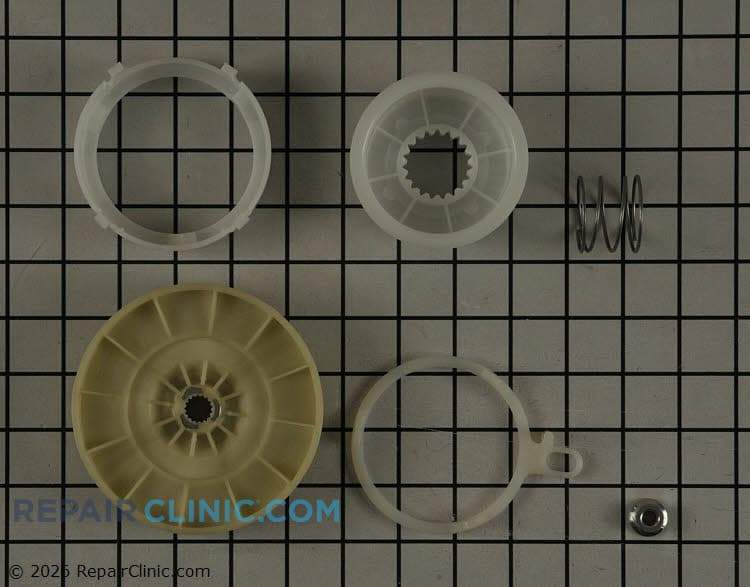
Drive Clutch (Splutch) Kit. This kit has 6 parts; a spring, housing, cam ring, basket drive gear, pulley, and nut. The pulley is driven by the belt and the splutch works with the mode shift actuator to drive the washplate and spin the inner basket. A worn splutch can cause spin or washplate problems
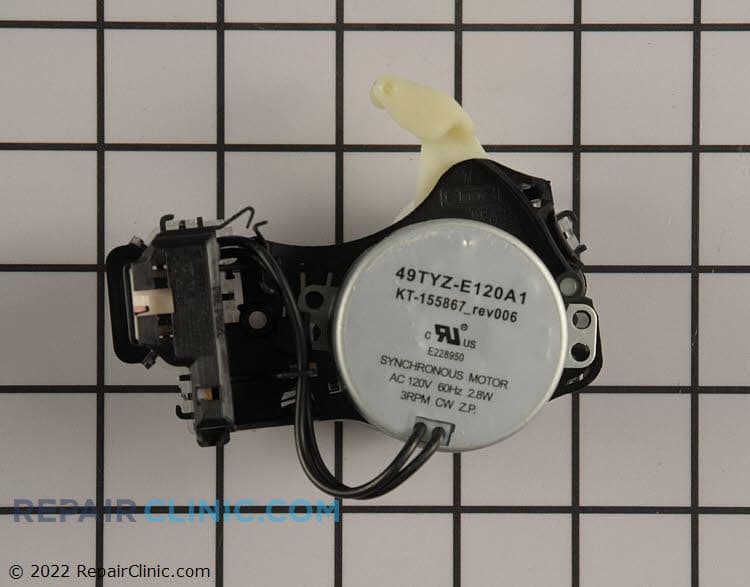
Mode shift actuator with 6 pin wire connection
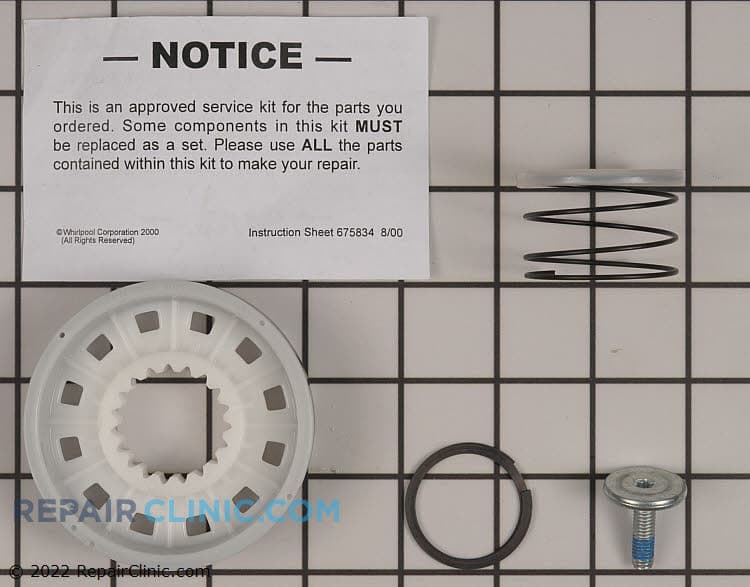
Clutch Slider Gear Assembly
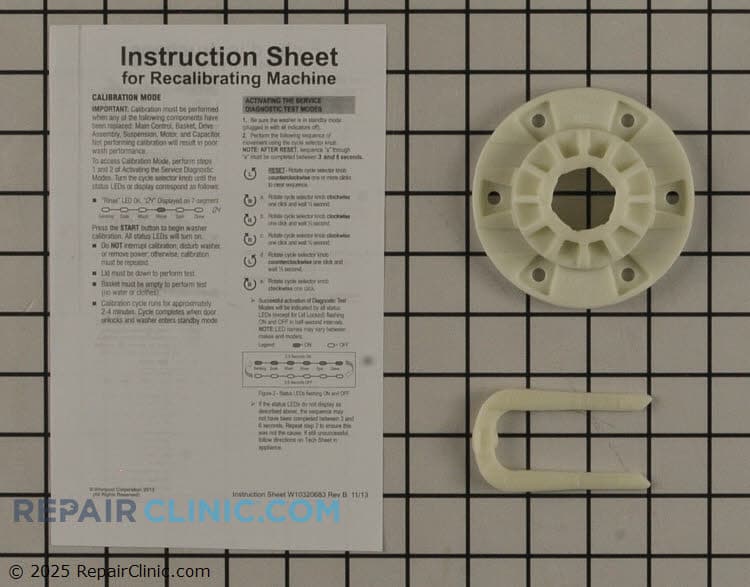
Inner tub drive hub kit
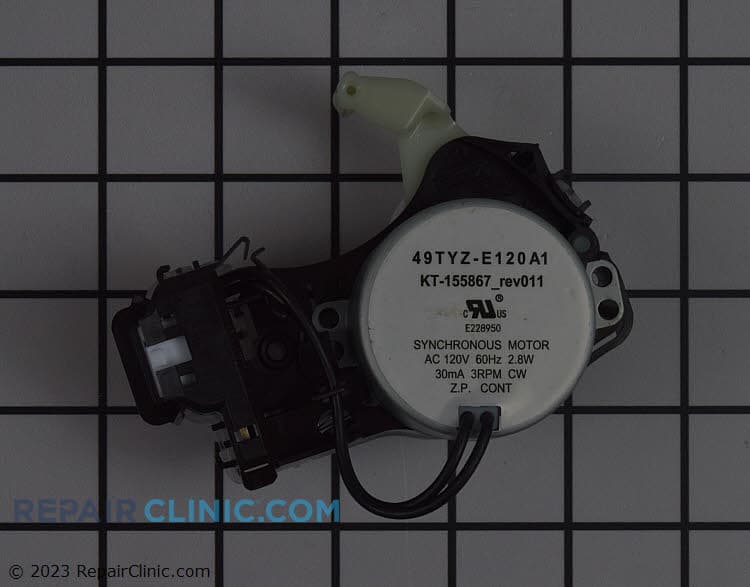
Mode shift actuator with 6 pin wire connection
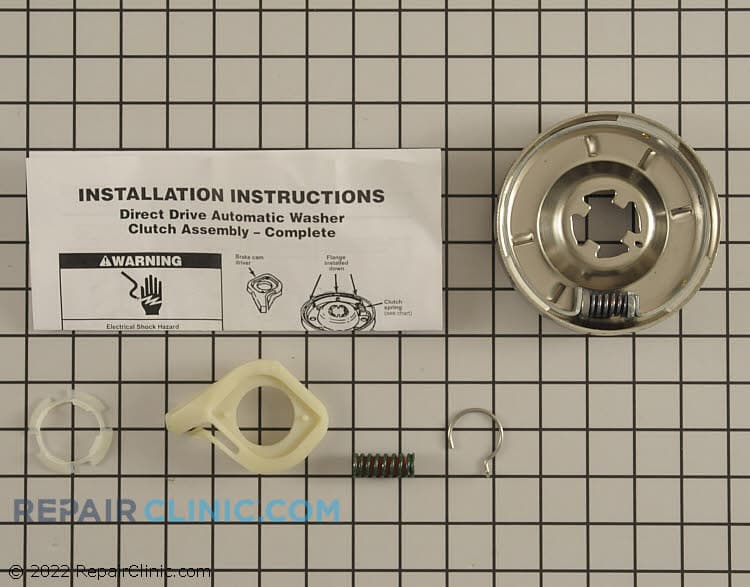
Drive clutch kit
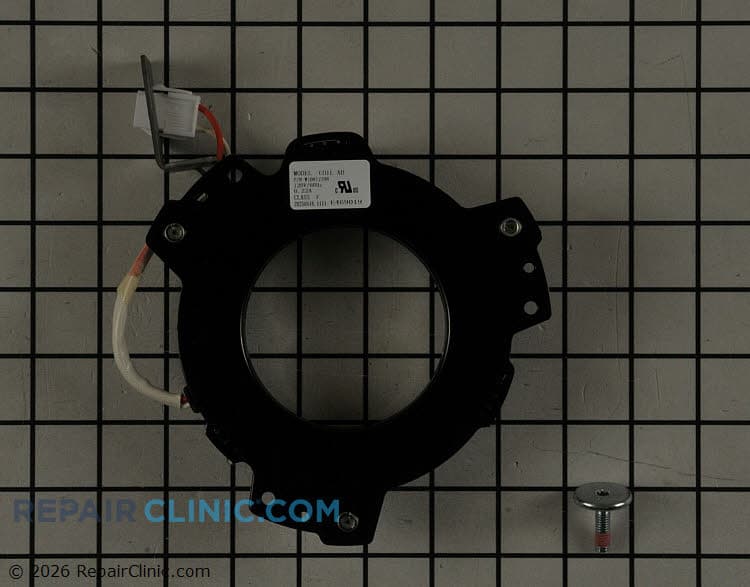
Electric clutch actuator
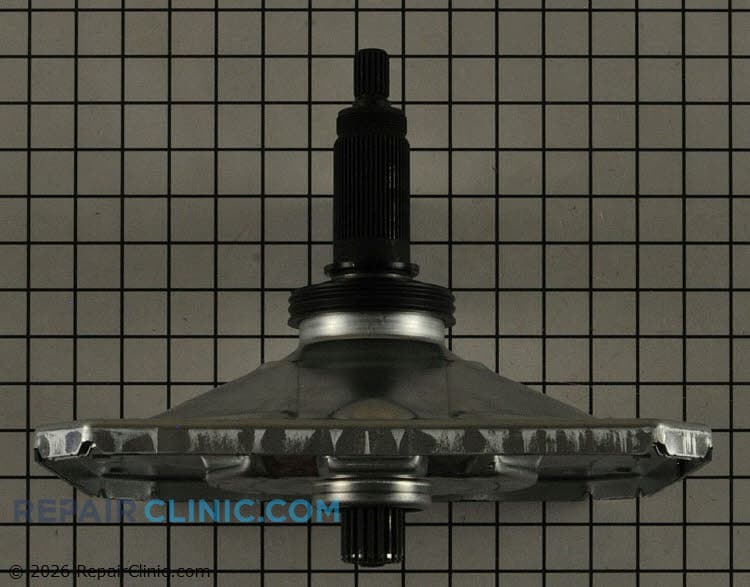
Inner basket drive assembly with seal & bearing
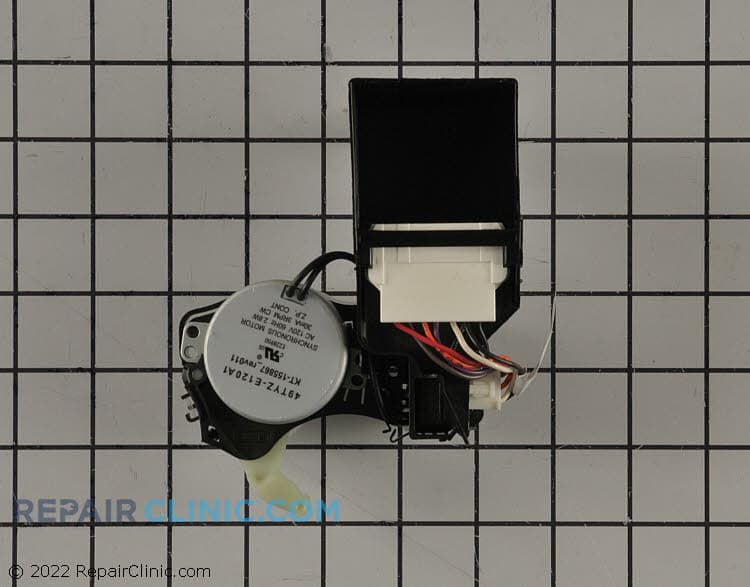
Washing machine mode shift actuator. *Updated by the manufacturer, does not look like original part. Actuator serves several functions. It has a synchronous motor that shifts the splutch cam ring and monitors the position of the splutch. Also has transmission speed/position optical sensor
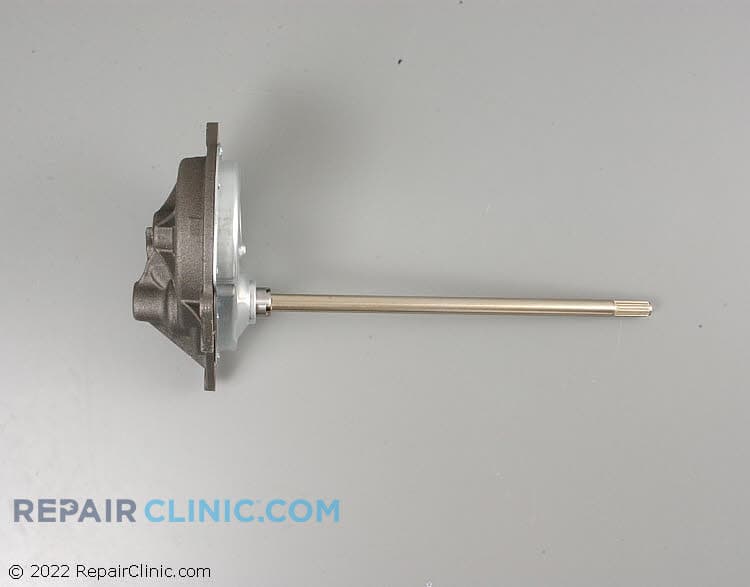
Whirlpool's transmission is a genuine replacement part for washing machines that ensures optimal turning motion for the drum, resulting in the best wash possible for clothes.
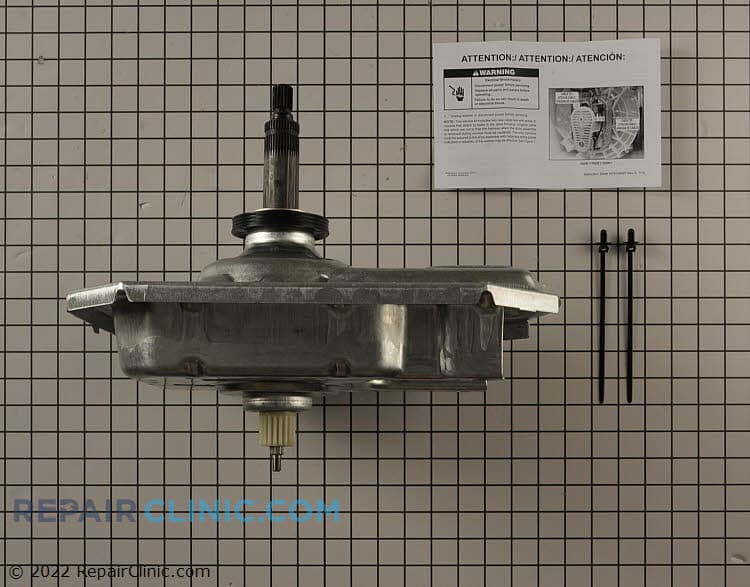
Transmission assembly with tub seal
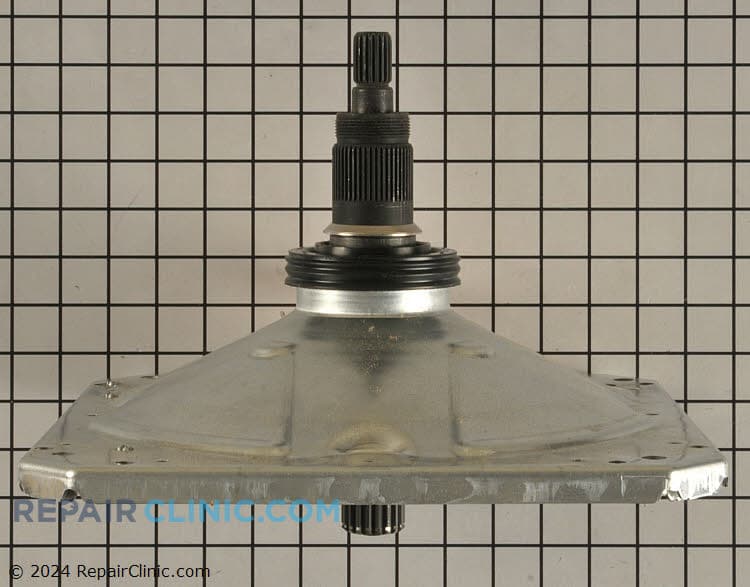
Tub drive assembly with shaft, seal & bearing
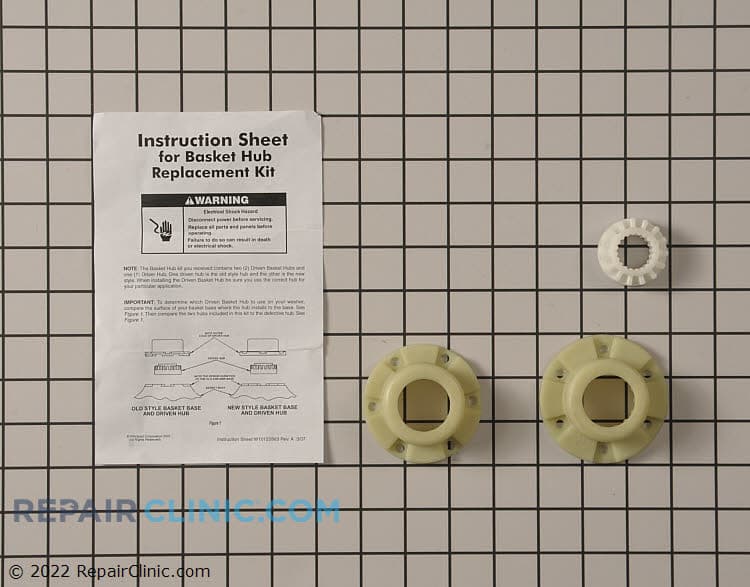
Basket drive hub kit
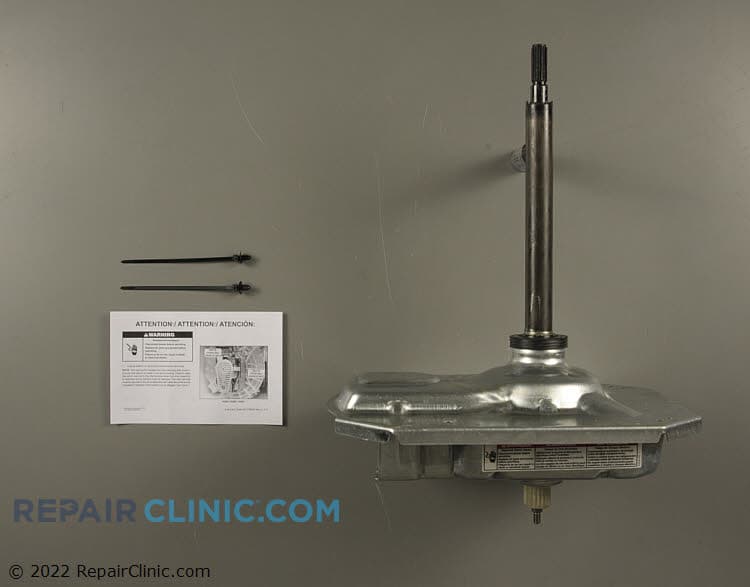
Transmission assembly with shaft, seal & bearing
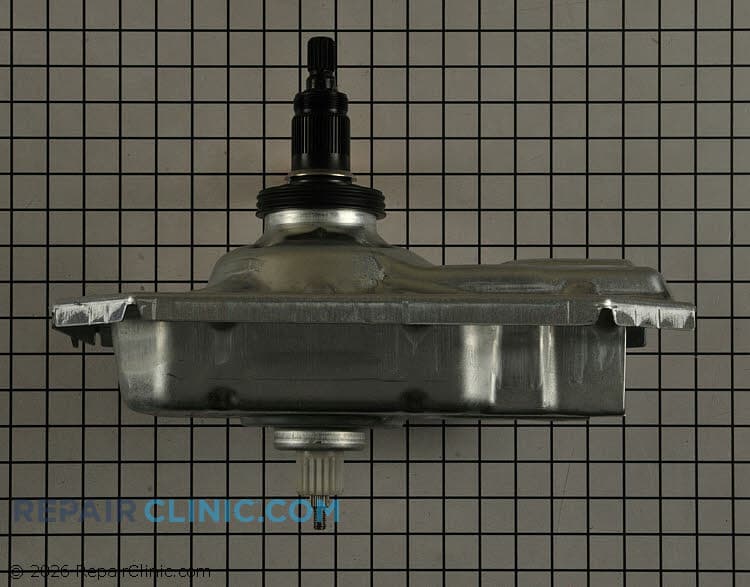
Transmission assembly with tub seal


Kenmore Washing Machine Transmission, Brake & Clutch Parts
The transmission, brake, and clutch assembly in your Kenmore washer is responsible for controlling spin speed, agitation direction, and engagement between cycles. When these parts fail, you'll notice the drum won't spin, agitation stops suddenly, or the washer makes grinding noises during the wash or spin cycle. Since Kenmore washers are built by Whirlpool, LG, or Frigidaire depending on your model number, the exact transmission type matters — transmission parts are not interchangeable across builders.
Repair Clinic carries OEM transmission, brake, and clutch assemblies for all common Kenmore washer platforms. Enter your model number to confirm which transmission family your washer uses, then select the correct replacement assembly. Many transmission repairs require the drum to come out, so having the exact OEM part helps support proper fit and function.
- Transmission won't engage agitation: Direct-drive couplings, shift actuators, or transmission gears failing
- Drum won't spin or spins slowly: Brake band worn, clutch assembly failed, or transmission pulley slipping
- Loud grinding or clunking during spin: Worn transmission gears, broken clutch dogs, or damaged brake parts
- Washer makes noise but drum doesn't turn: Motor coupling failed or transmission input shaft broken
- Shifts between agitate and spin erratically: Shift actuator malfunction or worn transmission internal seals
Find Replacement Kenmore Washing Machine Transmission, Brake & Clutch Parts Online by Model or Part Number
Popular Kenmore Washing Machine Models
Related Kenmore Washing Machine Transmission, Brake & Clutch Parts
- Kenmore Washing Machine Transmission Parts
- Kenmore Washing Machine Shift Actuator Parts
- Kenmore Washing Machine Clutch Parts
- Kenmore Washing Machine Basket Drive Parts
- Kenmore Washing Machine Gear Parts
- Kenmore Washing Machine Brake Pad Parts
- Kenmore Washing Machine Brake Assembly Parts
- Kenmore Washing Machine Clutch Band Kit Parts
- Kenmore Washing Machine Gearcase Housing Parts
- Kenmore Washing Machine Brake Lining Parts
- Kenmore Washing Machine Brake Release Cam Parts
- Kenmore Washing Machine Choke Link Parts
- Kenmore Washing Machine Hub Parts
- Kenmore Washing Machine Neutral Drain kit Parts
- Kenmore Washing Machine Pinion Gear Parts
- Kenmore Washing Machine Shaft Parts
- Kenmore Washing Machine Shift Yoke Parts
- Kenmore Washing Machine Trunnion Plate Parts
Kenmore Washer Transmission Questions & Answers
How do I know if my Kenmore washer transmission has failed?
The most obvious sign is a washer that runs through a cycle but the drum doesn't agitate or spin — you'll hear the motor running but no movement. Grinding, clunking, or squealing noises during the spin cycle are also strong indicators of transmission wear. Some Kenmore washers (Whirlpool-built models especially) may shift erratically between agitation and spin, which points to a failing shift actuator within the transmission assembly. If your washer is a direct-drive model (Whirlpool Cabrio), a failed motor coupling can mimic transmission symptoms.
Are Kenmore transmission parts the same across all models?
No — and this is critical. Kenmore washers are built by three different manufacturers: Whirlpool (110.xxxxx model series), LG (795.xxxxx), and Frigidaire (253.xxxxx). Each builder uses a completely different transmission design. A Whirlpool-built transmission will not fit an LG-built Kenmore, even though both carry the Kenmore nameplate. Always confirm your model number prefix before ordering — Repair Clinic's lookup tool will guide you to the correct transmission assembly for your specific washer.
Can I replace just the brake band or clutch pack instead of the whole transmission?
In some cases, yes — but it depends on your washer type. Direct-drive Whirlpool-built Kenmore washers (like Cabrio) sometimes allow individual part replacement like brake assemblies or motor couplings. However, sealed-style transmissions from LG or Frigidaire-built models typically require replacement of the entire transmission assembly as a unit. Your model number will determine which approach applies. Partial repairs are usually only cost-effective if the transmission was recently serviced; if it's original equipment, a full transmission assembly replacement is the safer choice and often has better long-term reliability.
How do I find my Kenmore model number for transmission parts?
Your Kenmore model number is on a label inside the washer, usually on the back wall beneath the lid or on the left-side tub wall. Write down the full model number (it starts with 110., 253., or 795. For most washers). The first digits tell us which OEM built your washer and which transmission family it uses. Once you enter that number into Kenmore Washing Machine Transmission Brake Clutch Parts, the page will show only transmission assemblies compatible with your specific model.
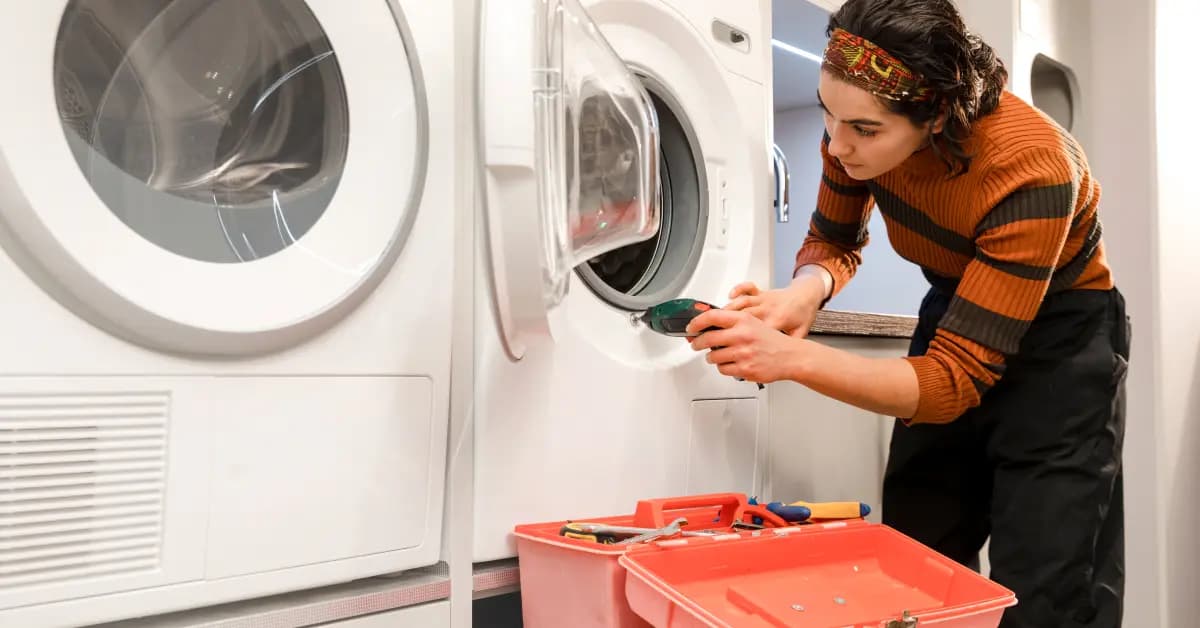
Order Kenmore Washing Machine Transmission, Brake & Clutch Parts Online
Improve your Kenmore washing machine's performance with genuine OEM transmission, brake, and clutch parts from Repair Clinic. These crucial parts ensure smooth operation, efficient spinning, and proper braking. Easily find compatible parts using our model number lookup and benefit from same-day shipping, a No-Hassle 365-Day Returns policy, and a Price Match Guarantee. For assistance with installation, visit our Washing Machine Repair Help page. Additionally, find more options like Kenmore Washing Machine Drum & Tub Parts for comprehensive repair solutions.
Kenmore Washing Machine Model Number: Where to Look
On Kenmore washing machines, look for the model number on the back panel or along the top edge of the tub opening. Top-load washers may have the label beneath the lid, while front-load models commonly place it inside the door frame. The model number is usually a mix of numbers and letters, so copy it exactly, including periods or other punctuation. Type it into our model number lookup and the catalog narrows to parts made for your unit. This filters the complete Kenmore washer parts selection, not just transmission, brake, or clutch parts, so you can match everything to the same machine. Fewer wrong orders and a faster repair.

Troubleshoot and Repair Your Kenmore Washing Machine Online
Getting your Kenmore Washing Machine back in working order is easier with the right online resources. Troubleshooting videos, repair help articles, part testing guides, and wiring diagrams give a clear path from symptom to solution. Once you know the failed part, look it up by model number and follow the installation video to complete the repair.
Related Articles: Kenmore Washing Machine Parts
What Causes A Washing Machine To Stop Working?
Learn common reasons your washing machine suddenly stops working, from power issues to faulty parts, and how to troubleshoot the problem effectively.

Why Won't My Washing Machine Start?
If your washing machine won't turn on, find potential causes like door switch malfunctions, control board failures, or electrical issues, along with steps to fix them.
What Causes a Washing Machine To Not Spin or Drain?
Learn why your washer isn't spinning or draining properly, from clogged drain hoses to worn-out drive belts, and find solutions to restore its performance.




Family-owned and operated since 1912, Burke America Parts Group is the longest-running genuine appliance, HVAC, and outdoor power equipment parts solution in North America. At Repair Clinic, we're proud to be an international brand trusted by the pros as well as the DIY community.
About Repair Clinic