


 Price Match Guarantee
Washing Machine Gasket & Seal Parts
Find the right part faster
Multiple models matched. Select your model to confirm fit.





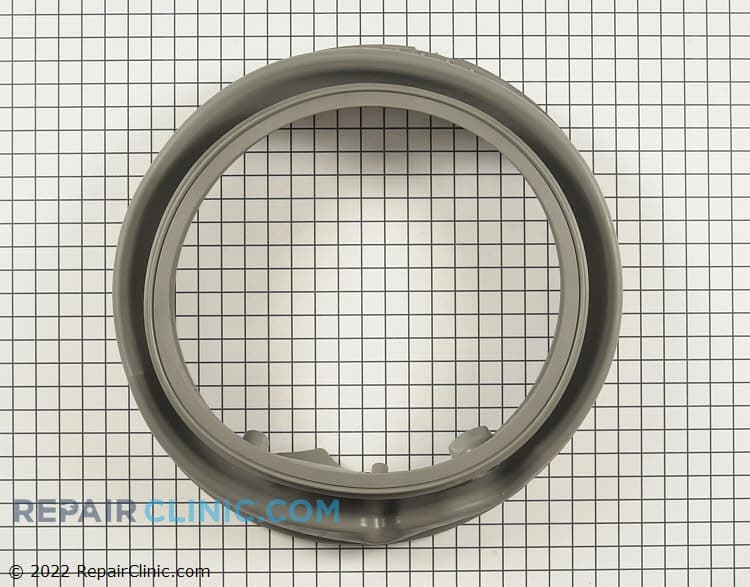
Door boot seal
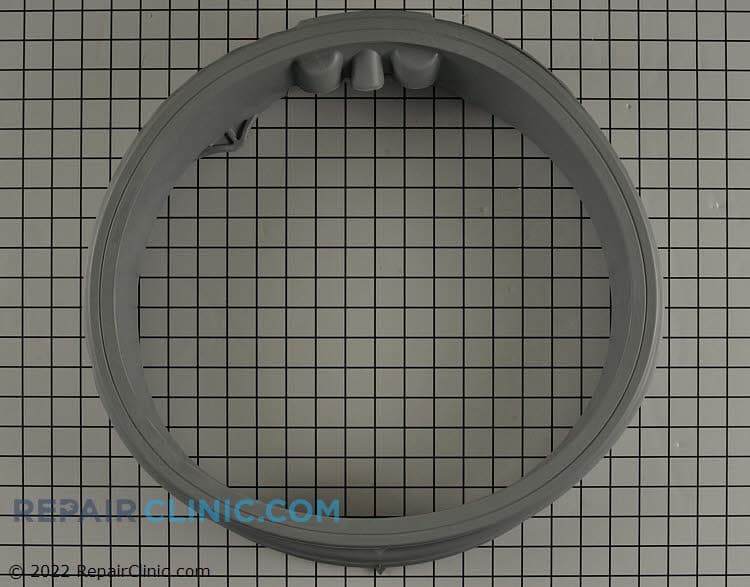
Door Boot Seal
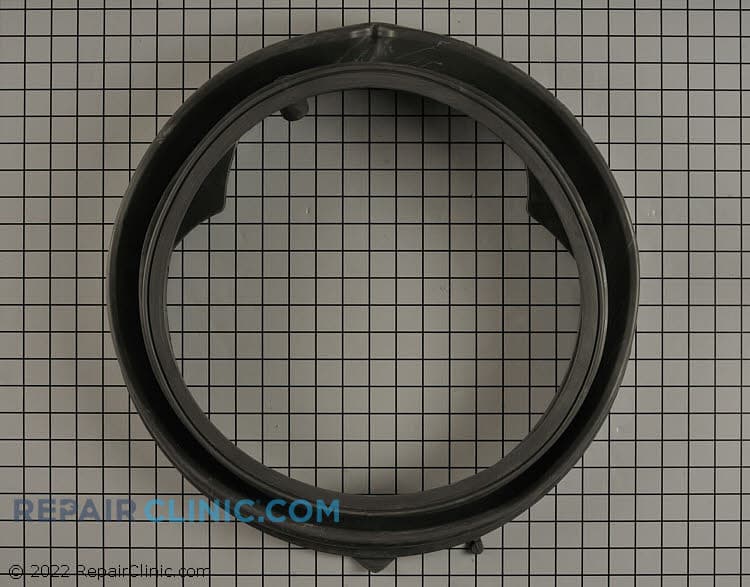
Washing machine rubber door boot seal
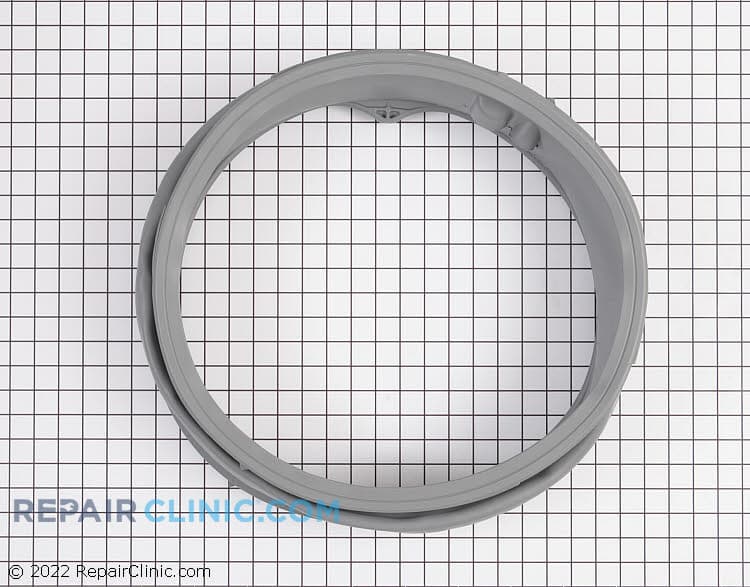
Washer door boot gasket. The door boot can tear if the washer is overloaded.
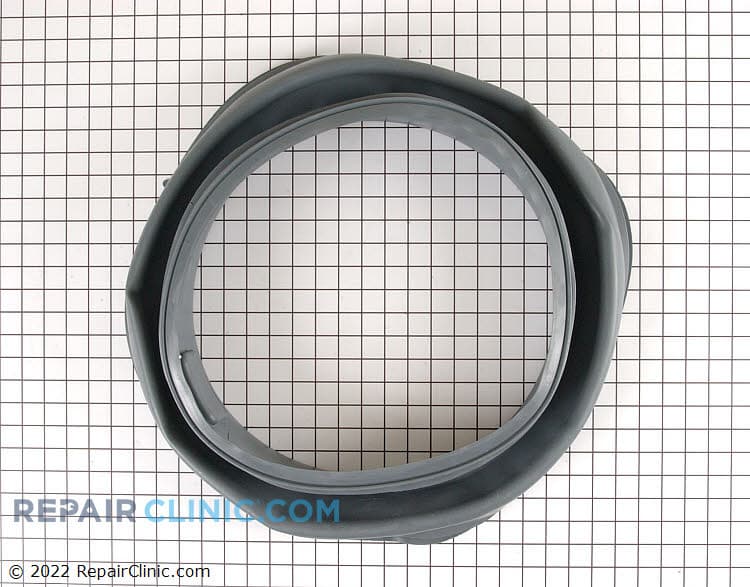
Washing machine door boot. If the washer is leaking, the door boot may have a tear in it. Overloading the washer is the most common cause for a torn door boot.
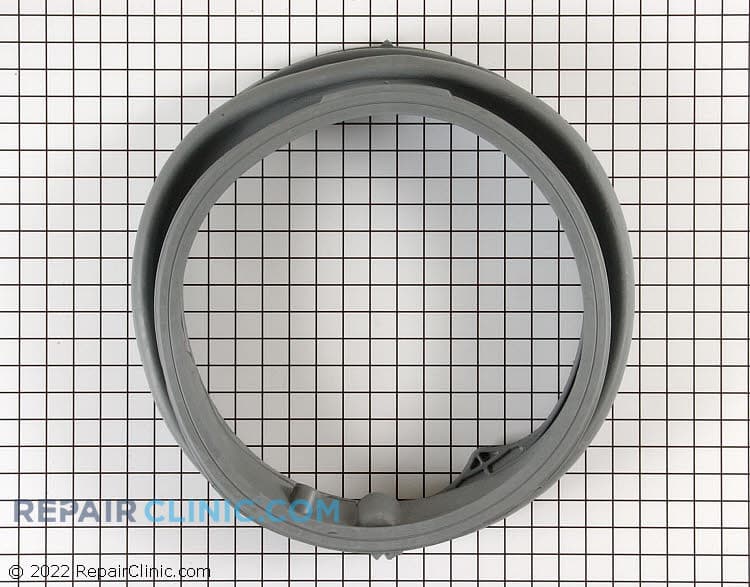
Door boot seal
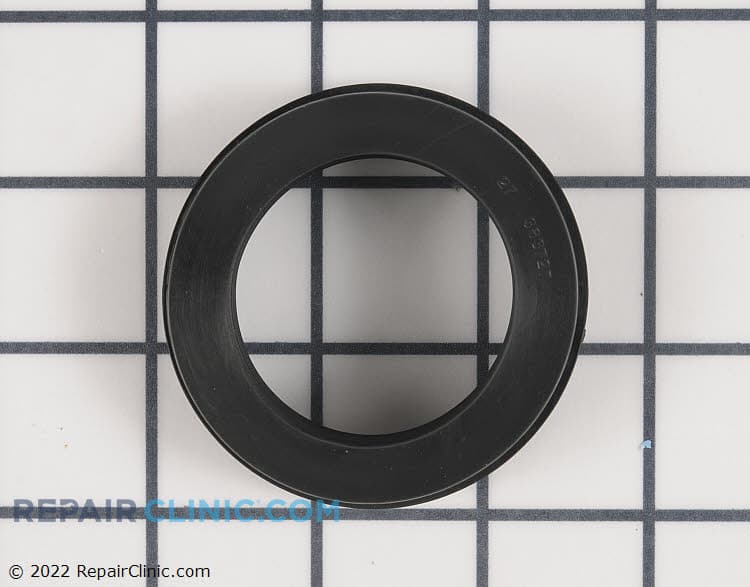
Washing machine main tub seal
RC Item #4460936
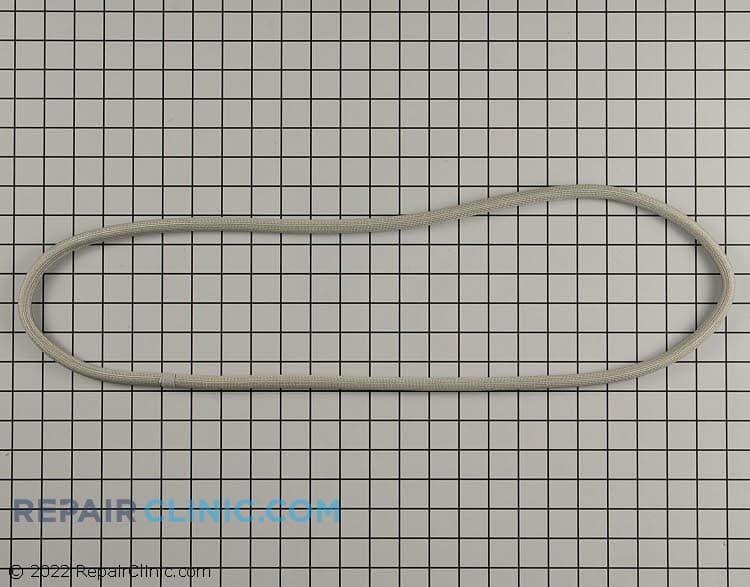
Door seal
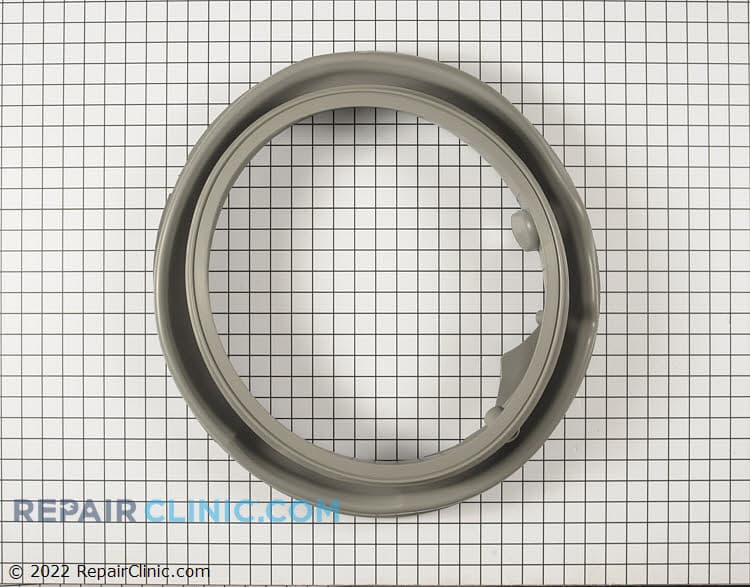
Door boot seal
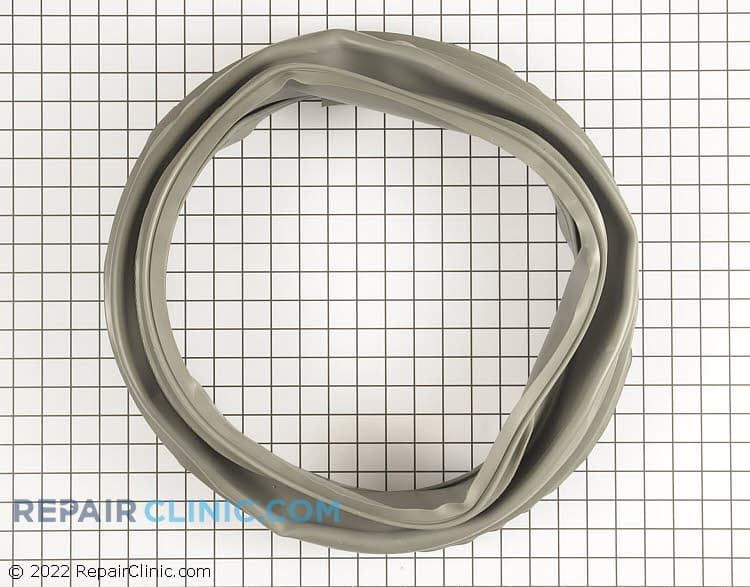
Washing machine rubber door boot seal. Creates seal between front of washing machine and tub that holds the water. If the washer is leaking, the door boot may have a tear in it. Overloading the washer is the most common cause for a torn door boot.
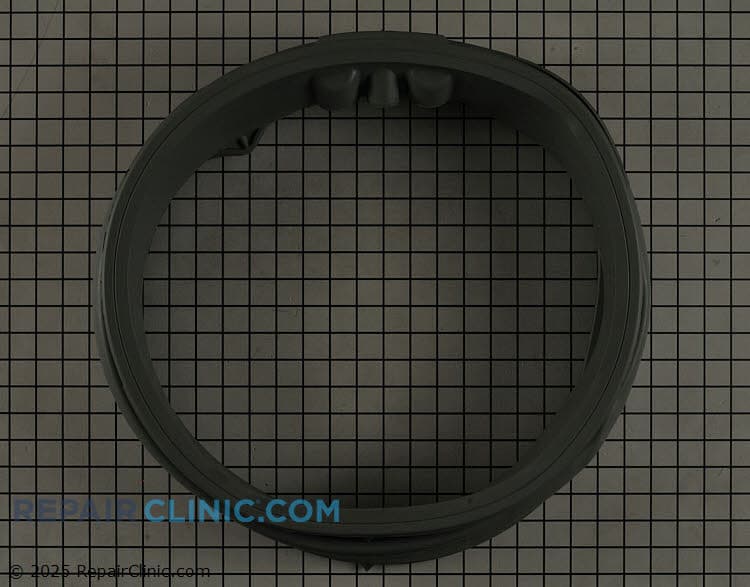
Door boot seal
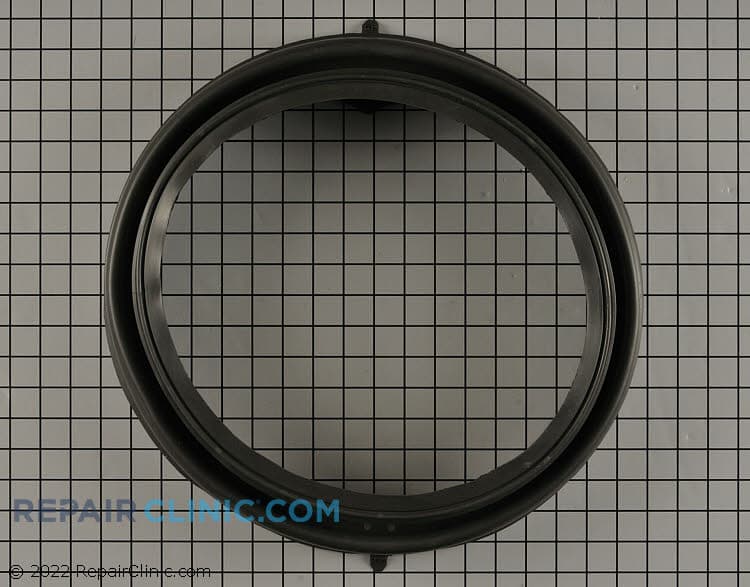
Washing machine door boot. If the washer is leaking, the door boot may have a tear in it. Overloading the washer is the most common cause for a torn door boot.
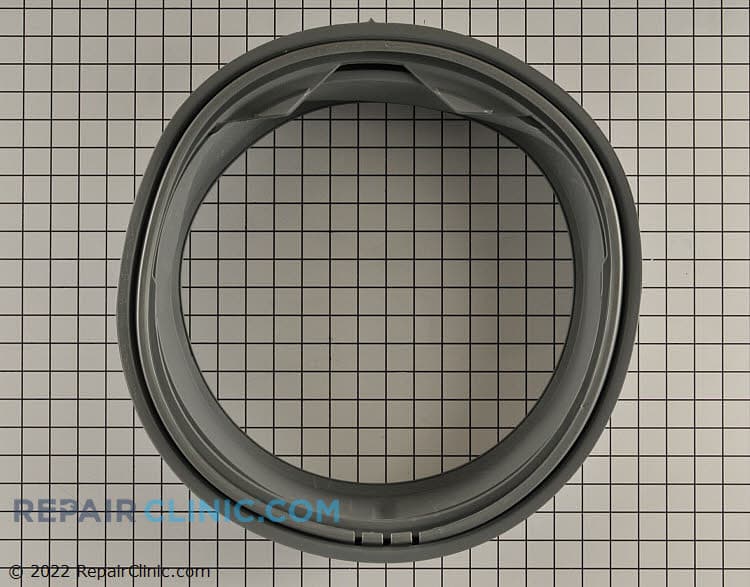
Washing machine door boot gasket with drain port. If the door boot is torn, the washer will leak water. The most common cause of a torn door boot is if the washer is overloaded. Be aware that your model may also list a door boot without drain port. Be sure to check the original part before ordering.
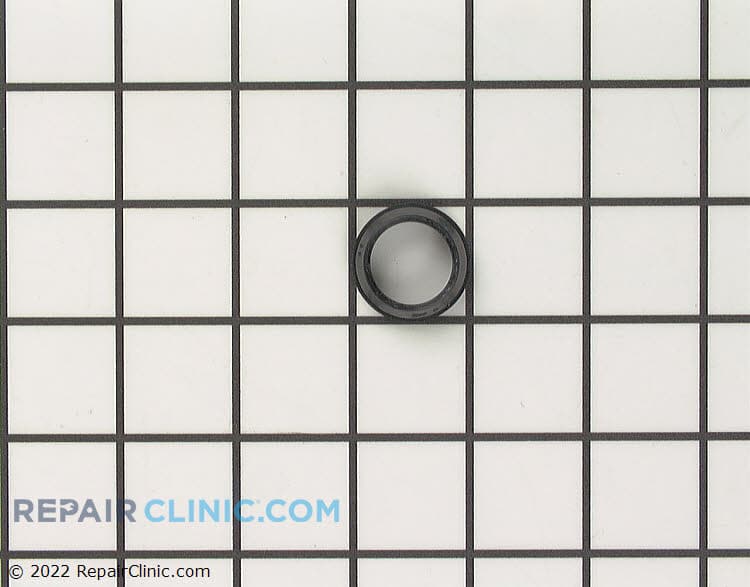
Shaft seal
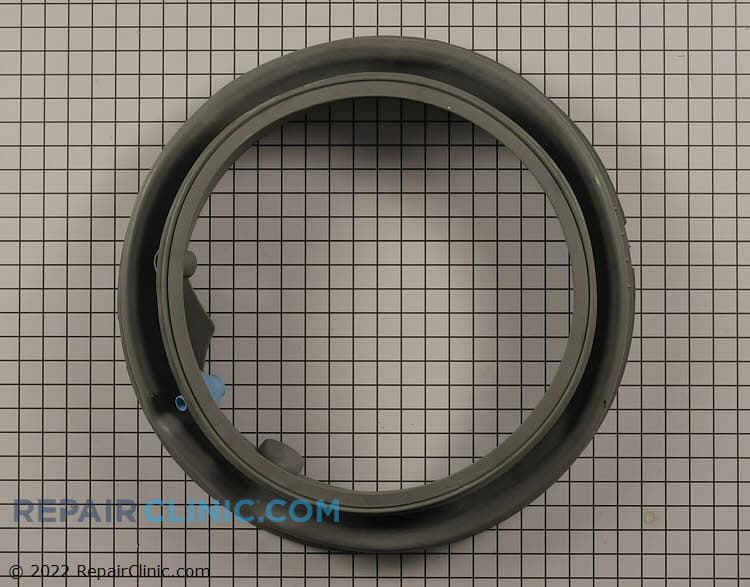
Door Boot Seal


Washing Machine Door Gasket and Tub Seal Replacement Parts
The door gasket (or tub seal on top-loaders) is one of the highest-wear parts in any washing machine. Front-load washers are especially prone to gasket failure — mold buildup, tears, and worn seals all lead to water leaks and musty odors that take over your laundry room. If you see water pooling around your washer door or notice that telltale moldy smell, the gasket is almost always the culprit. The good news: replacing it is straightforward, and OEM gaskets are affordable.
and front-loaders, AddWash and FlexWash models, and TurboWash machines all share one thing — their gaskets wear out. We carry OEM gasket assemblies for every major brand and model. Enter your model number to find the exact gasket that seals properly and lasts.
- Water leaking from door during wash cycle: worn gasket seal
- Mold, mildew, or black buildup around door opening: gasket trapping moisture
- Musty smell from inside the drum: mold growing in failed gasket
- Door won't seal completely or is visibly cracked: gasket material degraded
- Water seeping onto floor during spin cycle: torn or stretched gasket
Find Replacement Washing Machine Gasket & Seal Parts Online by Model or Part Number
Popular Washing Machine Models
Related Washing Machine Gasket & Seal Parts
- Washing Machine Gasket Parts
- Washing Machine Door Boot Seal Parts
- Washing Machine Seal Parts
- Washing Machine Tub Seal Parts
- Washing Machine O-Ring Parts
- Washing Machine Hose Washer Parts
- Washing Machine Shaft Seal Parts
- Washing Machine Door Gasket Parts
- Washing Machine Oil Seal Parts
- Washing Machine Door Seal Parts
- Washing Machine Bellow Parts
- Washing Machine Gasket Set Parts
- Washing Machine Foam Seal Parts
- Washing Machine Felt Seal Parts
- Washing Machine Transmission Case Gasket Parts
- Washing Machine Washer Parts
- Washing Machine Air Filter Gasket Parts
- Washing Machine Gasket Retainer Parts
- Washing Machine Grommet Parts
- Washing Machine Pump Gasket Parts
- Washing Machine Upper Seal Parts
- Washing Machine Valve Stem Seal Parts
Washing Machine Gasket and Seal FAQs
What's the difference between a door gasket, tub seal, and boot seal?
Front-load washers use a door gasket (also called a boot seal or tub seal) that forms a watertight ring around the door opening. Top-load washers with lids typically don't have a gasket, but newer high-efficiency top-loaders may have a seal around the tub. The terms are often used interchangeably, but always verify your machine type and model number to order the correct part.
Can I just clean the gasket instead of replacing it?
Yes — cleaning should be your first step. Run a hot cycle with two cups of white vinegar and no clothes, then wipe the gasket dry with a cloth. For stubborn mold, use a soft brush. However, if the gasket is visibly torn, cracked, hardened, or if cleaning doesn't eliminate the smell and mold, replacement is necessary. OEM gaskets are designed to seal reliably; aftermarket versions frequently leak or fail prematurely.
Why do and front-load gaskets fail so often?
and front-loaders are prone to gasket failure because their design traps moisture in the seal. The rubber hardens and cracks over time, especially in humid climates or if the door isn't left open between cycles. The OEM gasket for your model is engineered with the right material hardness and seal profile — use it for reliability.
How do I find my model number to order the correct gasket?
On most washers, the model number is on a sticker inside the door frame or on the back panel. Write down the complete model number (e.g., WF45R6100AW for ). Enter it into our parts finder to see the exact gasket assembly for your machine — this ensures you order the right seal, not a or aftermarket alternative that won't seal correctly.
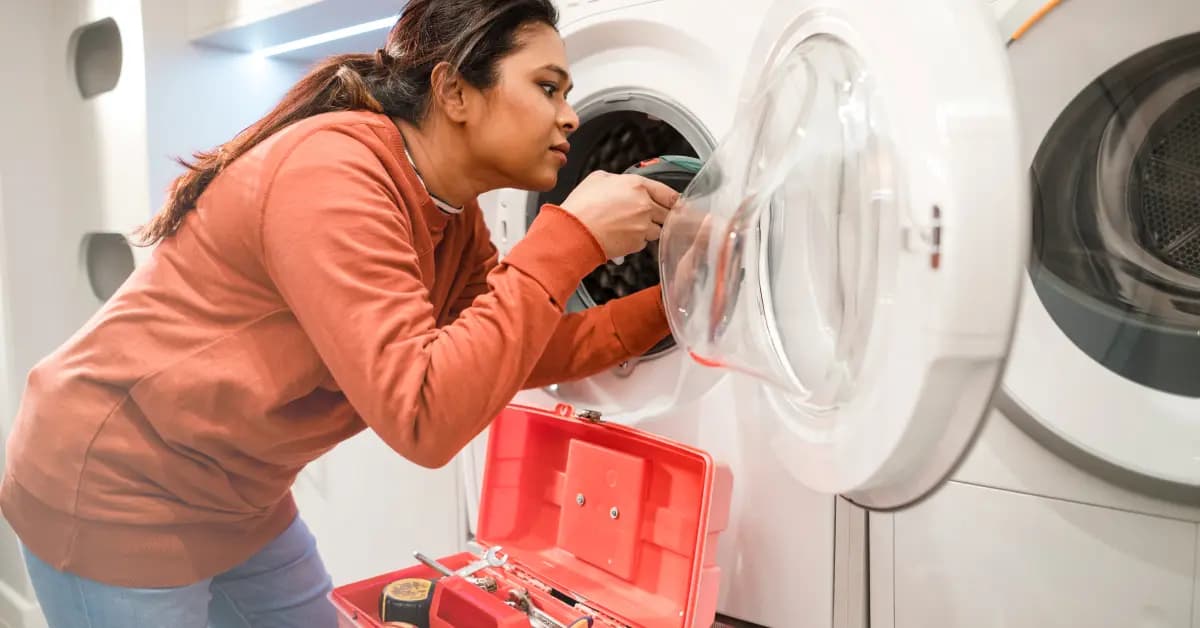
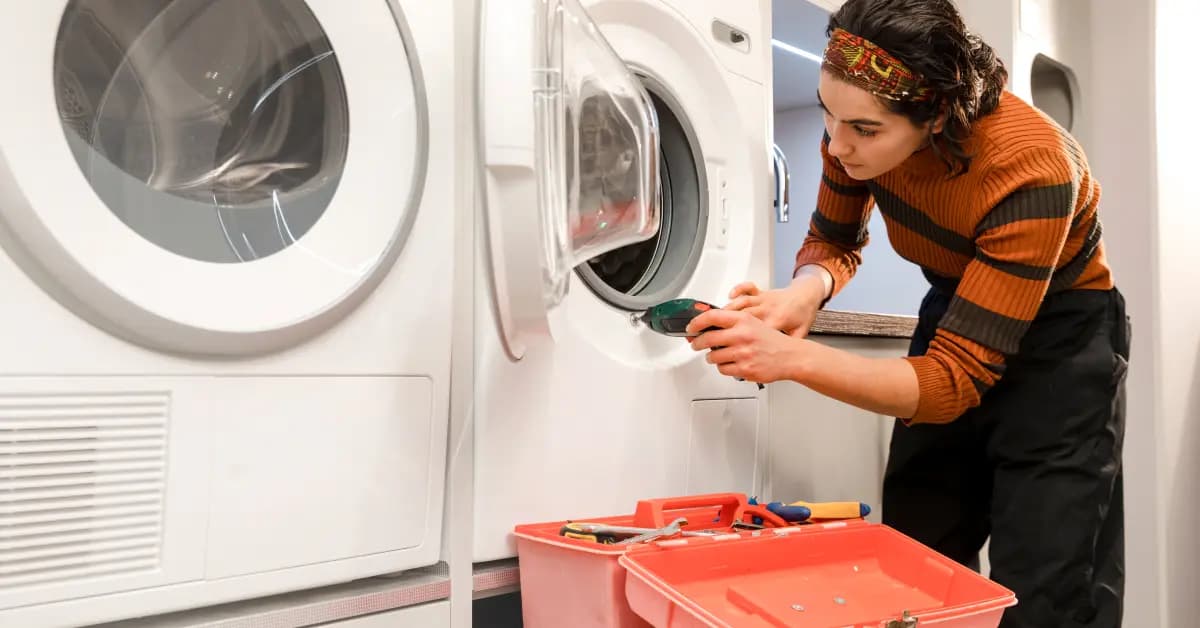
Shop Washing Machine Gasket & Seal Replacement Parts Online
Maintain your washing machine's performance with genuine OEM gasket and seal replacement parts from Repair Clinic. These parts are important for preventing leaks and ensuring efficient operation. Use our model number lookup to find the exact gasket or seal part you need, and take advantage of our same-day shipping, No-Hassle 365-Day Returns, and Price Match Guarantee for a reliable shopping experience. For installation help, visit our Washing Machine Repair Help page and browse other helpful resources like Washing Machine Drum & Tub Parts for additional solutions.
Use Your Model Number to Find the Right Washing Machine Parts
Before ordering, check your washing machine for the model number label inside the door frame or lid. Depending on the design, you may also find it on the back panel or along the top edge of the tub opening. Record the complete model number, including any letters, numbers, or suffixes. Type it into our model number lookup and the catalog narrows to parts made for your unit. This filters the full selection of washing machine parts, not just one gasket or seal, so every associated part shown is matched to your specific model. You spend less time comparing dimensions and more time making a confident, accurate repair.

Videos, Guides, and Diagrams for Washing Machine Repairs
Diagnose and fix your Washing Machine with Repair Clinic's online repair library. Video walkthroughs, step-by-step written guides, exploded-view diagrams, and part testing tutorials help you identify the failed part. Look up your model number to match the exact OEM replacement, then follow the installation video from start to finish.
Related Articles: Washing Machine Parts
What Causes A Washing Machine To Stop Working?
Learn common reasons your washing machine suddenly stops working, from power issues to faulty parts, and how to troubleshoot the problem effectively.

Why Won't My Washing Machine Start?
If your washing machine won't turn on, find potential causes like door switch malfunctions, control board failures, or electrical issues, along with steps to fix them.
What Causes a Washing Machine To Not Spin or Drain?
Learn why your washer isn't spinning or draining properly, from clogged drain hoses to worn-out drive belts, and find solutions to restore its performance.




Family-owned and operated since 1912, Burke America Parts Group is the longest-running genuine appliance, HVAC, and outdoor power equipment parts solution in North America. At Repair Clinic, we're proud to be an international brand trusted by the pros as well as the DIY community.
About Repair Clinic