


 Price Match Guarantee
Kenmore Washer/Dryer Combo Parts
- Adhesive
- Agitator
- Axle, Roller, Shaft, Wheel
- Bearing
- Belt
- Blower Wheel & Fan Blade
- Bracket & Flange
- Cap, Lid & Cover
- Capacitor
- Circuit Board & Timer
- Cleaner & Deodorizer
- Diode, Magnetron & Resistor
- Dispenser
- Door
- Drawer
- Drip Bowl & Drip Pan
- Drum & Tub
- Duct & Venting
- Fastener
- Filter
- Fuse, Thermal Fuse & Breaker
- Gas Burner & Control Valve
- Gasket & Seal
- Grille & Kickplate
- Handle
- Heating Element
- Hinge
- Hose, Tube & Fitting
- Igniter
- Insulation
- Knob, Dial & Button
- Latch
- Leg, Foot & Caster
- Lighting & Light Bulb
- Lubricant
- Manuals, Care Guides & Literature
- Miscellaneous
- Motor
- Paint
- Panel
- Power Cord
- Pulley
- Pump
- Sensor & Thermistor
- Spring
- Suspension & Shock Absorption
- Switch
- Tank & Container
- Thermostat
- Tool
- Touchpad
- Transformer
- Transmission, Brake & Clutch
- Trim
- Tune-Up Maintenance Kit
- Valve & Float
- Wire, Receptacle & Wire Connector
Find the right part faster
Multiple models matched. Select your model to confirm fit.





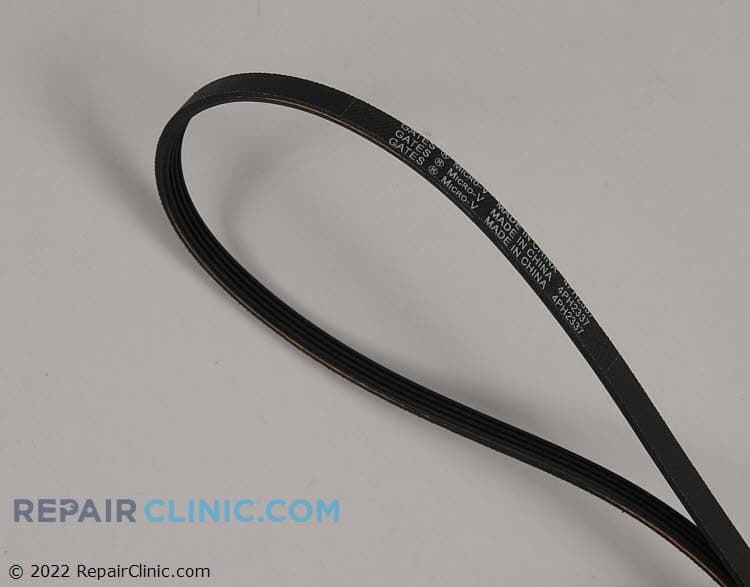
Dryer drum drive belt. 1/4 inch wide with 4 ribs and 3 grooves. The drive belt is a very long, slender belt that wraps all the way around the dryer drum, around a tension pulley, and then around the drive motor pulley. If the drum will not turn when the dryer is turned on the belt is likely broken.
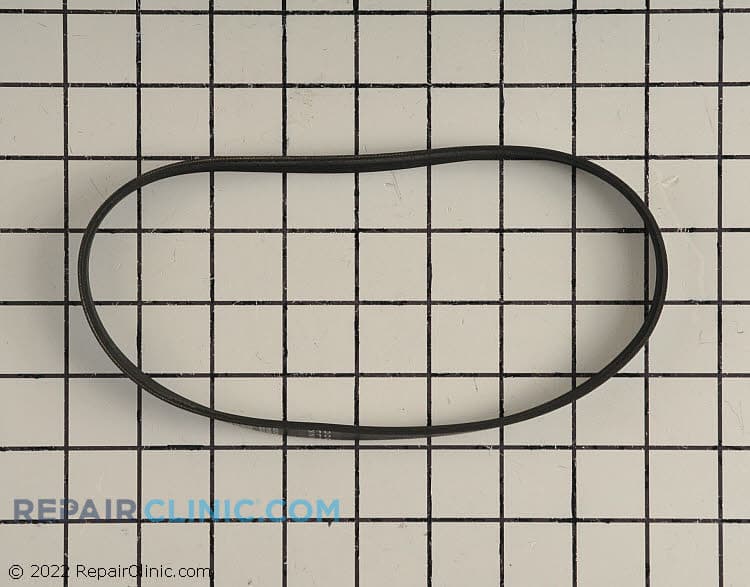
Drive belt
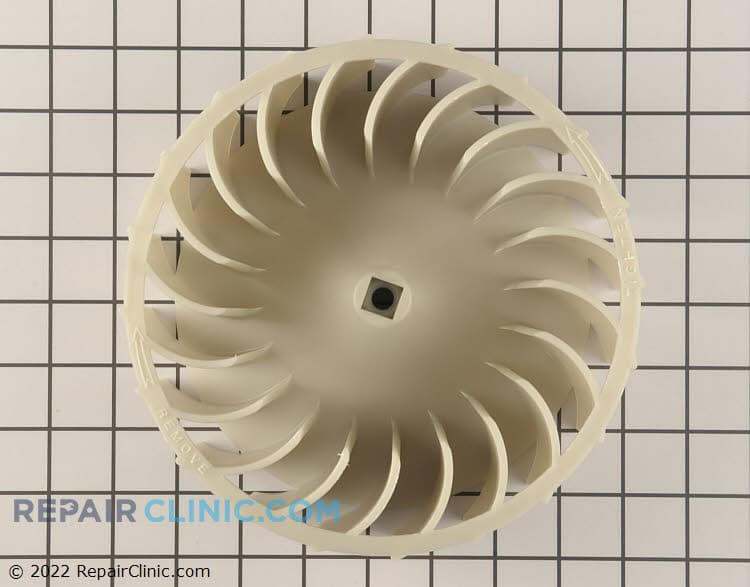
The Whirlpool Blower Wheel WP697772 is a high-quality replacement part that attaches to the drive motor shaft and blows air through the drum and out through the exhaust vent. It is important to use safety equipment and disconnect the appliance before any service or repair.
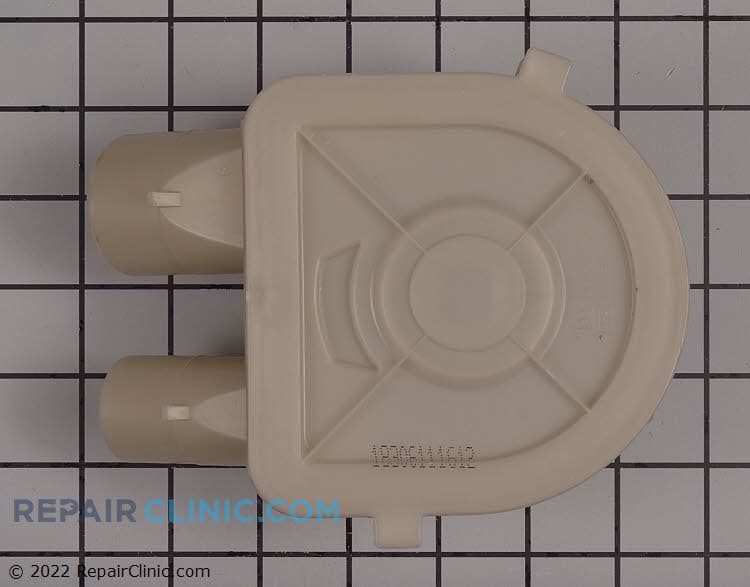
Washing machine drain pump. The pump mounts directly to the motor with two clips. If the washer does not drain then the pump could be locked up or a small object may be clogging it. A small leak in front of the washer could be caused by a defective pump.
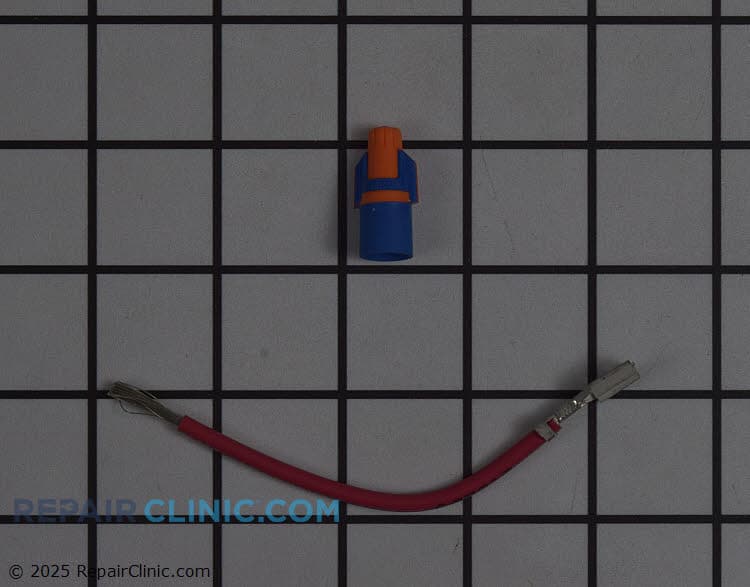
Dryer heating element wire connector kit. Wire with spade terminal & wire nut
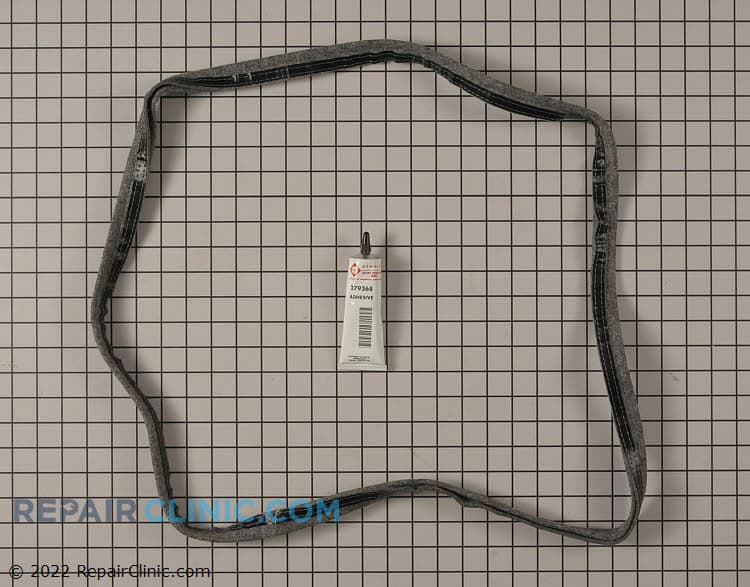
Dryer drum felt seal kit. Includes silicone rubber adhesive.
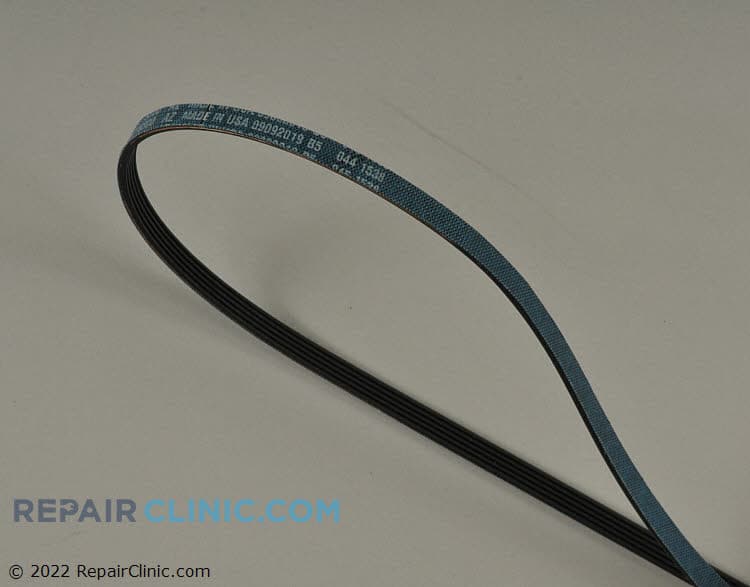
Dryer drum drive belt, 5 rib
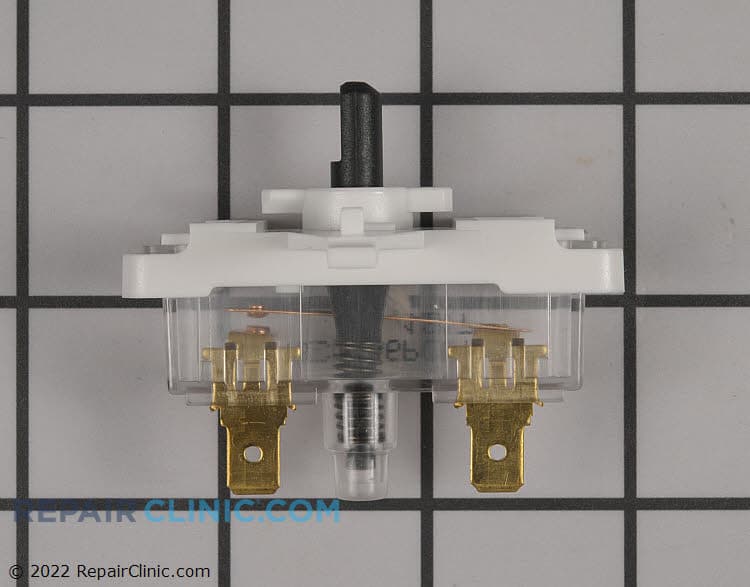
Push to start switch
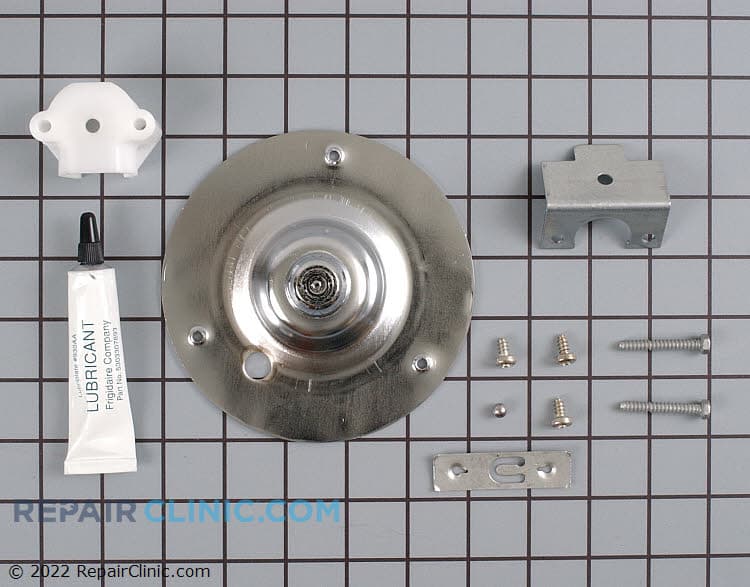
Dryer rear drum bearing kit. The holes in the metal plate are not threaded. Use the self tapping screws in the kit to thread the plate. If the dryer is noisy then the rear bearing could be worn and require replacement.
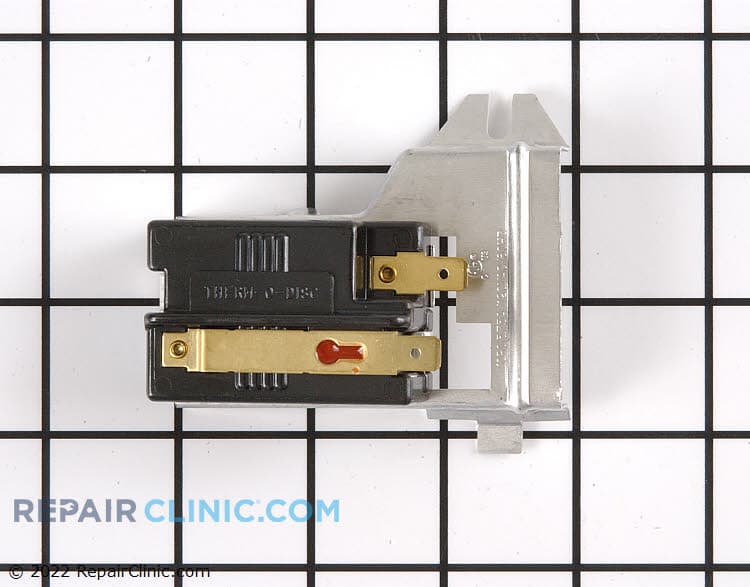
Gas dryer sensor for igniter and flame. The sensor is located across from the gas igniter at the dryer’s burner assembly. This flame sensor should be closed for continuity at room temperature. Check for continuity with a multi-meter before replacing.
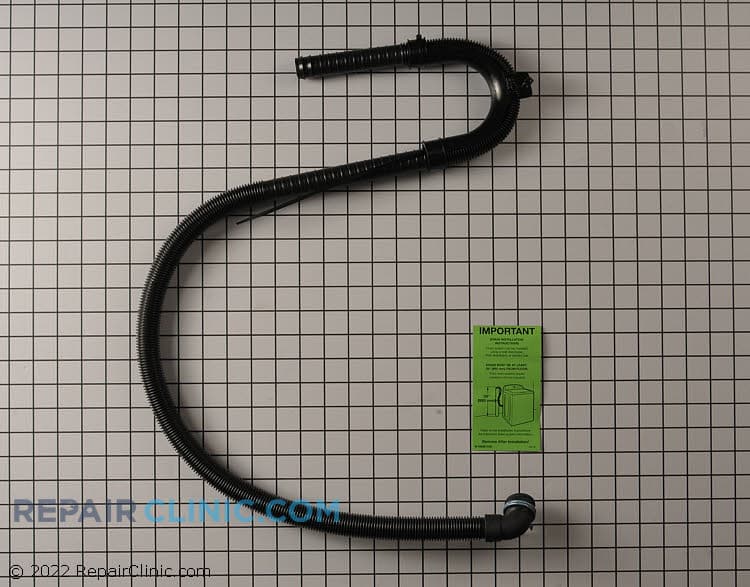
Washing machine drain hose kit. Includes clamp. 4 feet long
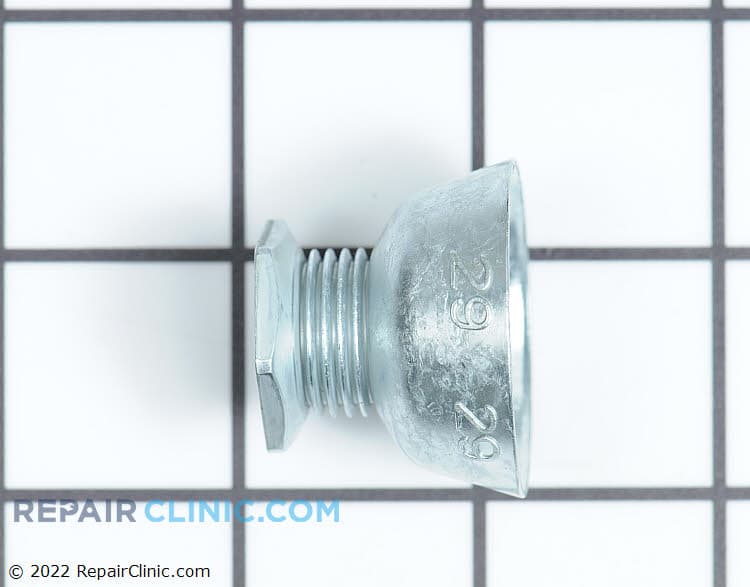
Motor pulley, 60 hertz
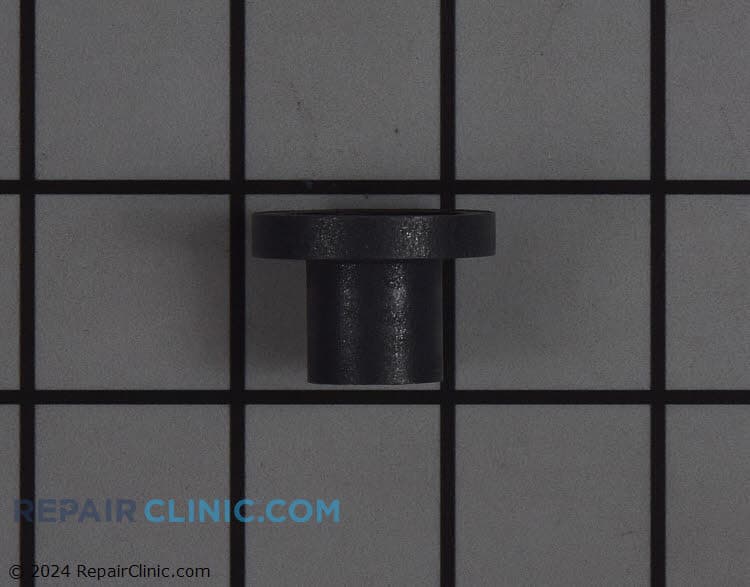
Rear drum bearing sleeve
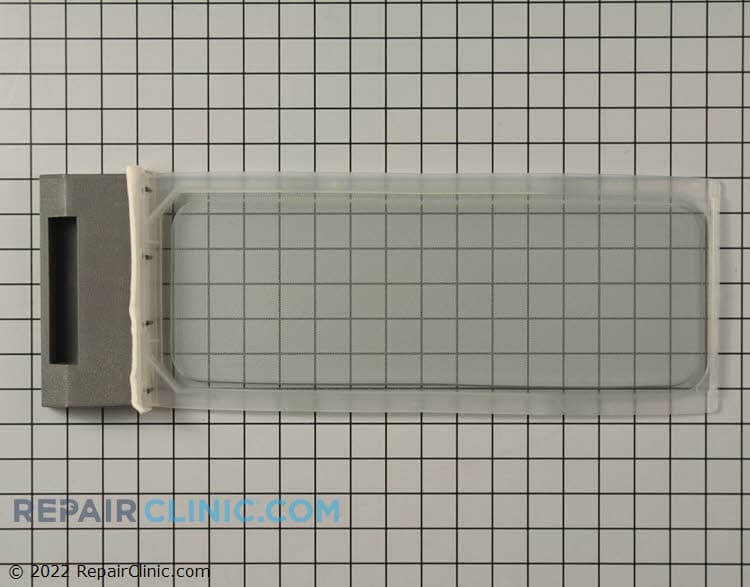
This is a genuine replacement part. Whirlpool 349639 Lint Screen.
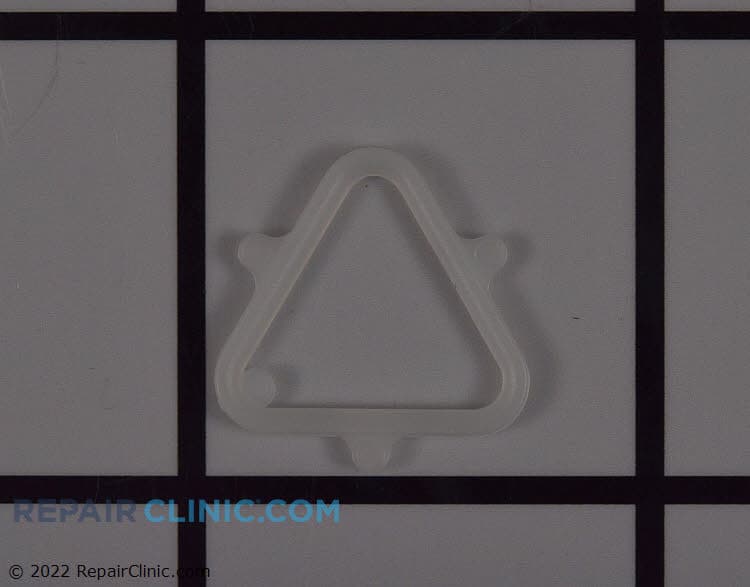
Dryer tri-ring retainer for drum support rollers.


Kenmore Washer Dryer Combo Parts
Kenmore washer dryer combos pack both wash and dry cycles into one compact unit, but when they break down, the repair gets specialized. These all-in-one machines share parts across their wash and dry functions, so you'll need the exact model number to get the right parts. Kenmore combos are built by Whirlpool, LG, or Frigidaire depending on the model prefix — that builder determines which parts you need.
The most common failures in Kenmore combos are door latches that won't engage (stopping the cycle cold), drain pumps that leave standing water, and thermal fuses that blow after a dry cycle completes. Control boards handle both wash and dry logic, so a board failure kills the whole machine. Find your model number on the back or inside the door frame, then match it to the right replacement parts.
- Door latch assembly: Won't start or cycle won't begin; safety interlock switch built into latch
- Drain pump: Water sits in drum after wash phase; motor-driven pump fails over time
- Thermal fuse: Dry cycle runs but produces no heat; one-time safety device that must be replaced
- Control board: No response to button presses; error codes or dead panel; handles both wash and dry sequences
- Water inlet valve: Won't fill during wash phase; solenoid-driven valve controls temperature
Find Replacement Kenmore Washer/Dryer Combo Parts Online by Model or Part Number
Popular Kenmore Washer/Dryer Combo Models
Related Kenmore Washer/Dryer Combo Parts
- Kenmore Washer/Dryer Combo Fastener Parts
- Kenmore Washer/Dryer Combo Miscellaneous Parts
- Kenmore Washer/Dryer Combo Panel Parts
- Kenmore Washer/Dryer Combo Wire, Receptacle & Wire Connector Parts
- Kenmore Washer/Dryer Combo Hose, Tube & Fitting Parts
- Kenmore Washer/Dryer Combo Cap, Lid & Cover Parts
- Kenmore Washer/Dryer Combo Bracket & Flange Parts
- Kenmore Washer/Dryer Combo Switch Parts
- Kenmore Washer/Dryer Combo Gasket & Seal Parts
- Kenmore Washer/Dryer Combo Drum & Tub Parts
- Kenmore Washer/Dryer Combo Touchpad Parts
- Kenmore Washer/Dryer Combo Circuit Board & Timer Parts
- Kenmore Washer/Dryer Combo Duct & Venting Parts
- Kenmore Washer/Dryer Combo Gas Burner & Control Valve Parts
- Kenmore Washer/Dryer Combo Door Parts
- Kenmore Washer/Dryer Combo Hinge Parts
- Kenmore Washer/Dryer Combo Knob, Dial & Button Parts
- Kenmore Washer/Dryer Combo Spring Parts
- Kenmore Washer/Dryer Combo Agitator Parts
- Kenmore Washer/Dryer Combo Latch Parts
- Kenmore Washer/Dryer Combo Manuals, Care Guides & Literature
- Kenmore Washer/Dryer Combo Thermostat Parts
- Kenmore Washer/Dryer Combo Valve & Float Parts
- Kenmore Washer/Dryer Combo Bearing Parts
- Kenmore Washer/Dryer Combo Insulation Parts
- Kenmore Washer/Dryer Combo Motor Parts
- Kenmore Washer/Dryer Combo Paint
- Kenmore Washer/Dryer Combo Filter Parts
- Kenmore Washer/Dryer Combo Fuse, Thermal Fuse & Breaker Parts
- Kenmore Washer/Dryer Combo Transmission, Brake & Clutch Parts
- Kenmore Washer/Dryer Combo Leg, Foot & Caster Parts
- Kenmore Washer/Dryer Combo Pulley Parts
- Kenmore Washer/Dryer Combo Belt Parts
- Kenmore Washer/Dryer Combo Dispenser Parts
- Kenmore Washer/Dryer Combo Heating Element Parts
- Kenmore Washer/Dryer Combo Power Cord Parts
- Kenmore Washer/Dryer Combo Axle, Roller, Shaft, Wheel Parts
- Kenmore Washer/Dryer Combo Suspension & Shock Absorption Parts
- Kenmore Washer/Dryer Combo Pump Parts
- Kenmore Washer/Dryer Combo Handle Parts
- Kenmore Washer/Dryer Combo Lighting & Light Bulb Parts
- Kenmore Washer/Dryer Combo Sensor & Thermistor Parts
- Kenmore Washer/Dryer Combo Blower Wheel & Fan Blade Parts
- Kenmore Washer/Dryer Combo Adhesive
- Kenmore Washer/Dryer Combo Tool
- Kenmore Washer/Dryer Combo Igniter Parts
- Kenmore Washer/Dryer Combo Capacitor Parts
- Kenmore Washer/Dryer Combo Trim Parts
- Kenmore Washer/Dryer Combo Cleaner & Deodorizer
- Kenmore Washer/Dryer Combo Tank & Container Parts
- Kenmore Washer/Dryer Combo Drawer Parts
- Kenmore Washer/Dryer Combo Transformer Parts
- Kenmore Washer/Dryer Combo Diode, Magnetron & Resistor Parts
- Kenmore Washer/Dryer Combo Drip Bowl & Drip Pan Parts
- Kenmore Washer/Dryer Combo Grille & Kickplate Parts
- Kenmore Washer/Dryer Combo Lubricant
- Kenmore Washer/Dryer Combo Tune-Up Maintenance Kit
Kenmore Washer Dryer Combo: Frequently Asked Questions
Which builder made my Kenmore combo — Whirlpool, LG, or Frigidaire?
Look at your model number's first digits. Kenmore model numbers starting with 110.xxxxx are Whirlpool-built (Duet platform). Models starting with other prefixes are typically LG-built or Frigidaire-built — enter your full model number into the Repair Clinic model lookup and we'll confirm the builder and show you the correct parts. The OEM builder determines which parts fit, so don't guess.
Where do I find my Kenmore combo model number?
The model number is printed on a white label located on the back of the unit or just inside the door frame. It looks like 110. XXXXXX or similar — write down the entire number before shopping for parts. If you can't find it on the machine itself, check your purchase receipt or original paperwork. Once you have it, use the model number lookup tool to confirm compatibility with the part you need.
Why won't my Kenmore combo start — what's the most common reason?
The door latch is the #1 culprit. The latch has a built-in safety switch that tells the control board the door is secure. If the latch is broken or misaligned, the switch never closes and the cycle won't begin — the machine behaves like it's dead. Before buying a latch, make sure the door closes fully and listen for a firm click. If it doesn't click or feels loose, the latch assembly needs replacement.
My Kenmore combo washed fine but won't dry — what should I check first?
The thermal fuse blows after extended dry cycles and is a one-time safety device — once blown, it stops all heat flow. It's a $10 to $20 part and the most common reason a combo won't heat. Second most common is a clogged vent hose, which triggers the fuse to blow as a safety measure. Clear the vent first, then replace the thermal fuse. If it blows again immediately, the heating element may have failed.
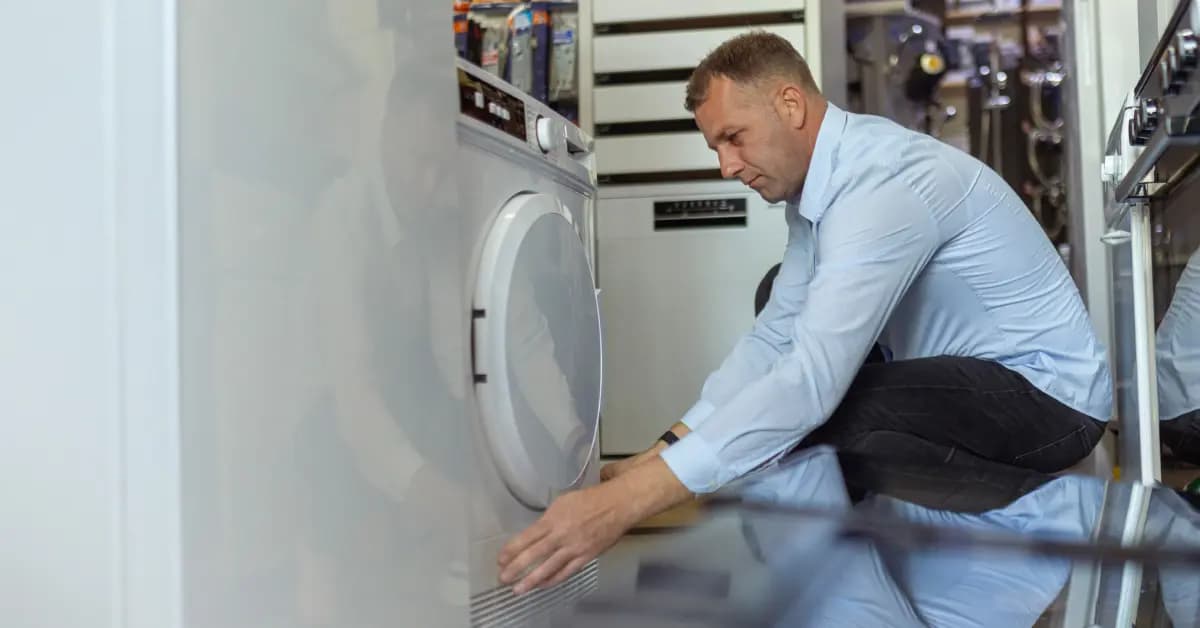
Shop Kenmore Washer/Dryer Combo Parts Online
Finding the right Kenmore washer/dryer combo parts online. Use your model number to get the right part. From washers and dryers to commercial units, we carry all the parts you need. Use our model or part number lookup for a precise match. Benefit from our no-hassle 365-day returns and price match. Plus, most parts are eligible for same-day shipping, so your repairs won't be delayed. Common issues like units not starting, not spinning, or vibrating can often be resolved with parts such as door locks, control boards, and suspension rods. For more information about Washer/Dryer Combo Repair and Kenmore Washer/Dryer Combo Parts, visit these helpful resources today. Feel empowered to tackle any repair with our support!
Kenmore Washer/Dryer Combo Model Number: Where to Look
On Kenmore washer/dryer combos, look for the model number label around the door opening or on the rear panel. Open the appliance and check the frame surrounding the door, then inspect the back if you do not see it there. Copy the complete number, including periods, letters, or other characters. Type it into our model number lookup and the catalog narrows to parts made for your unit. This number identifies the entire appliance, so it filters belts, pumps, switches, valves, and every other associated replacement part to your specific combo. You will spend less time comparing listings and can order with confidence knowing the fit is right.

Video Walkthroughs and Written Guides for Kenmore
Repair Clinic pairs step-by-step written repair guides with matching video walkthroughs so Kenmore owners and technicians can work at their own pace. Common-symptom articles, part testing videos, and exploded-view diagrams round out the online reference material. Use the model number lookup to match the exact OEM part before you order.
Related Articles: Washer/Dryer Combo Repair
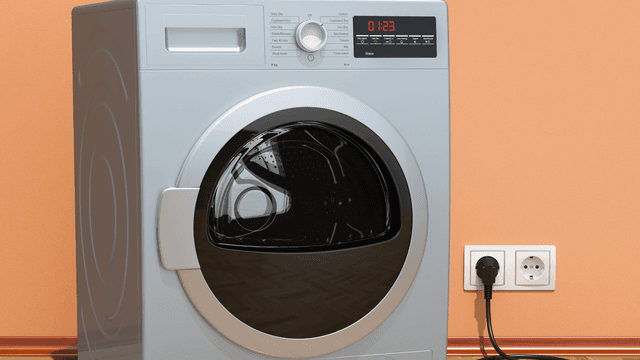
How To Determine If A Dryer Drive Motor Has Failed Home » How To Determine If A Dryer Drive Motor Has Failed
Understand how to determine if your dryer drive motor has failed by checking for a blocked blower wheel and testing motor windings and thermoprotector continuity with a multimeter.
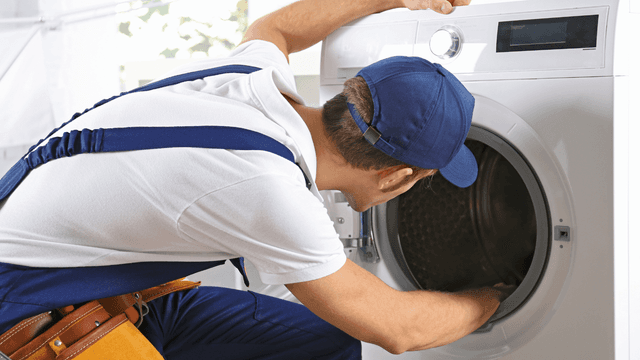
Washer Not Spinning Or Agitating? Test The Motor Or Stator
Understand how to test whether a washer's motor or stator is causing it to stop spinning or agitating by safely accessing the parts and using a multimeter to check continuity.
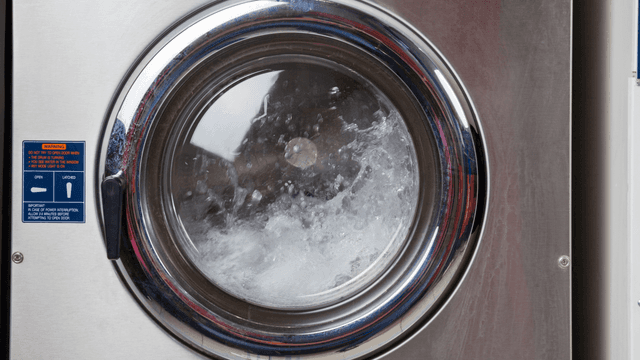
Why Your Front-Load Washer Isn't Filling Enough Water
Find common causes of a front-load washer not filling with enough water such as clogged inlet filters and poor water flow and learn how to troubleshoot them effectively




Family-owned and operated since 1912, Burke America Parts Group is the longest-running genuine appliance, HVAC, and outdoor power equipment parts solution in North America. At Repair Clinic, we're proud to be an international brand trusted by the pros as well as the DIY community.
About Repair Clinic