


 Price Match Guarantee
Hoover Vacuum Cleaner Parts
- Alternator, Battery & Charger
- Attachment
- Axle, Roller, Shaft, Wheel
- Bag
- Bearing
- Belt
- Blade
- Blower Wheel & Fan Blade
- Bracket & Flange
- Brushroll
- Cap, Lid & Cover
- Capacitor
- Carburetor
- Chassis
- Circuit Board & Timer
- Cleaner & Deodorizer
- Control Cable
- Curtain & Accordian
- Deflector & Chute
- Dipstick
- Dirt cup
- Dishrack
- Door
- Duct & Venting
- Engine
- Fastener
- Filter
- Finished Product
- Fuse, Thermal Fuse & Breaker
- Gasket & Seal
- Grille & Kickplate
- Handle
- Hinge
- Hose, Tube & Fitting
- Ignition Controls
- Insulation
- Knob, Dial & Button
- Latch
- Lighting & Light Bulb
- Lubricant
- Manuals, Care Guides & Literature
- Miscellaneous
- Motor
- Panel
- Pedal
- Power Cord
- Pulley
- Spring
- Starter
- Steering
- Suspension & Shock Absorption
- Switch
- Tank & Container
- Tire & Rim
- Tool
- Touchpad
- Transmission, Brake & Clutch
- Trim
- Wire, Receptacle & Wire Connector
Find the right part faster
Multiple models matched. Select your model to confirm fit.
RC Item #4433541




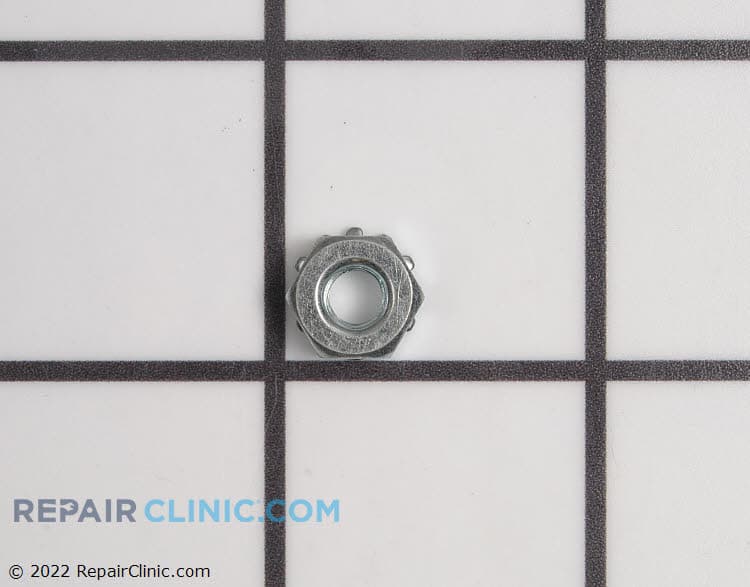
Lock nut
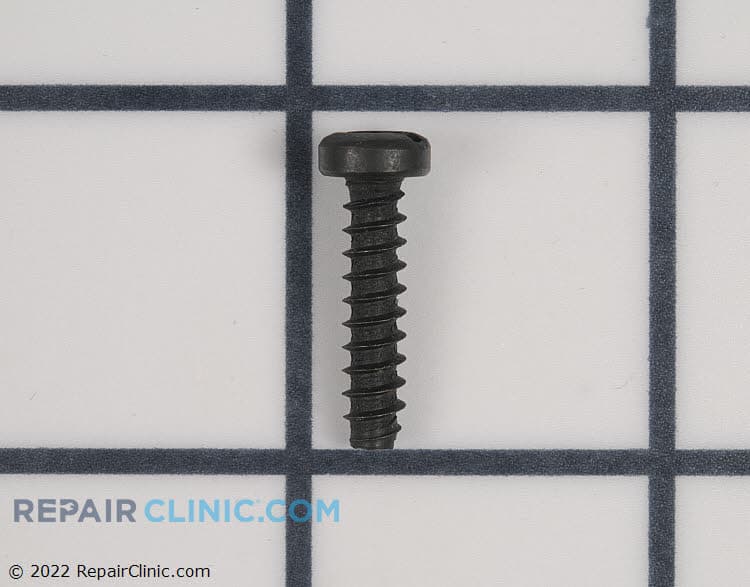
Screw,m4x19
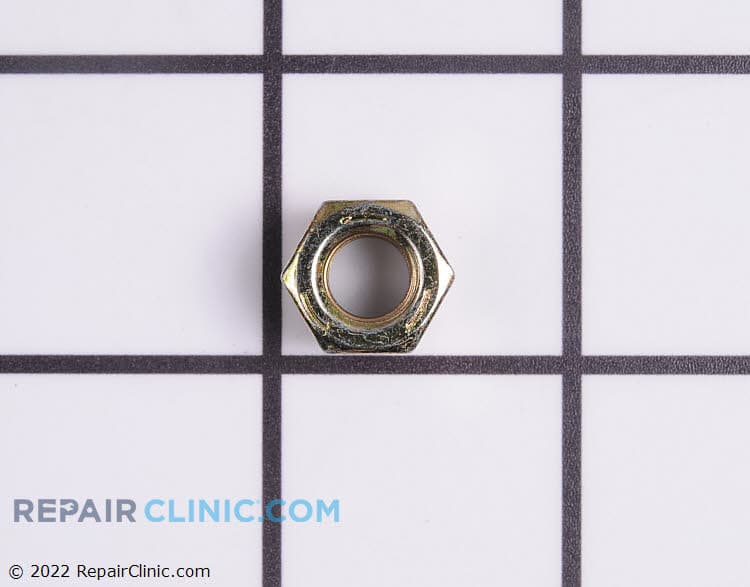
Hex nut, 5/16-18 Thd.
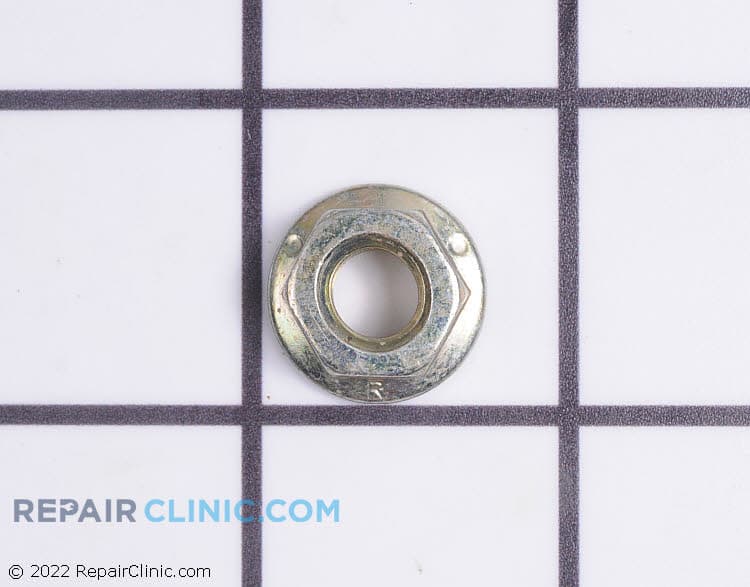
Nut-hex flange lock
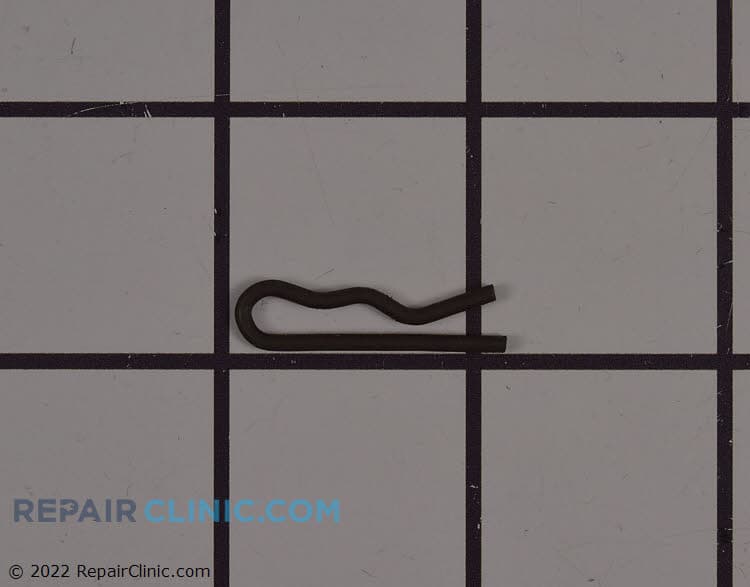
Pin:cot:.072 dia. 1.13 lg
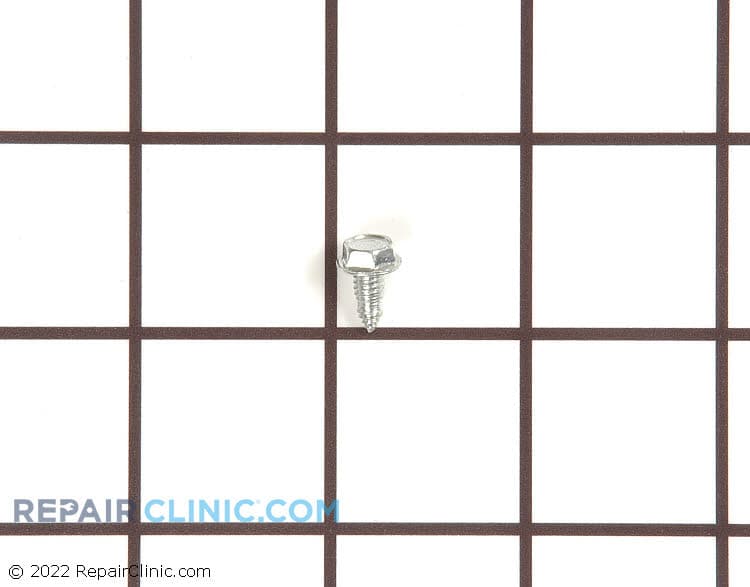
1/4 Inch hex head screw
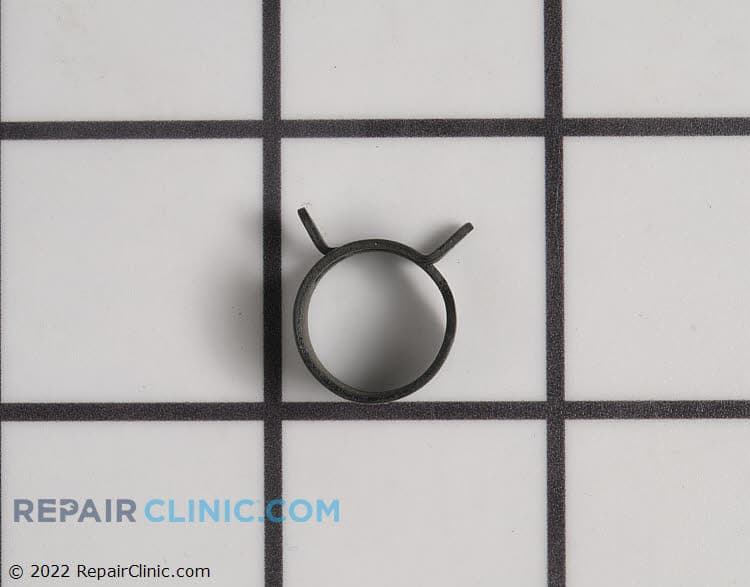
Hose clamp
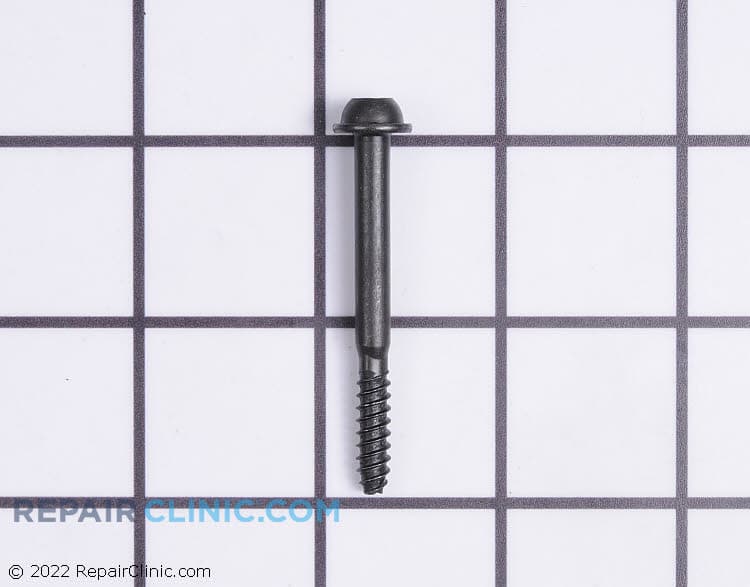
Screw-#9-15 x 1-15/
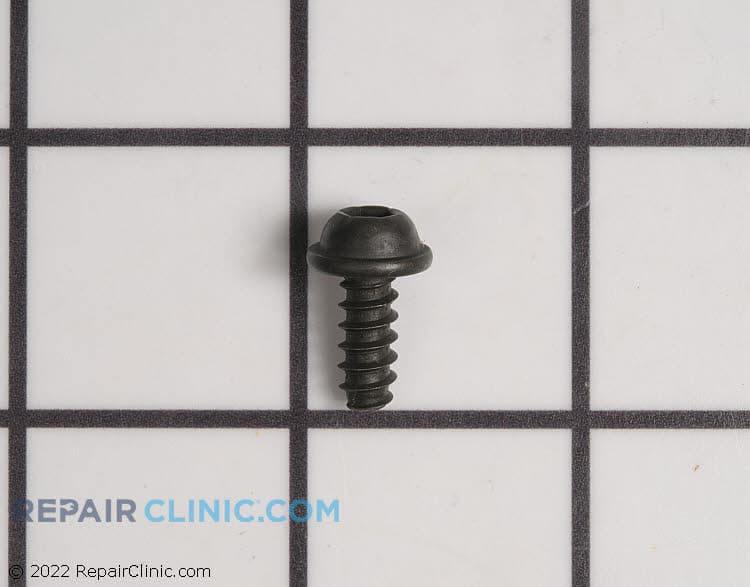
Screw-10-16 x 1/2 p
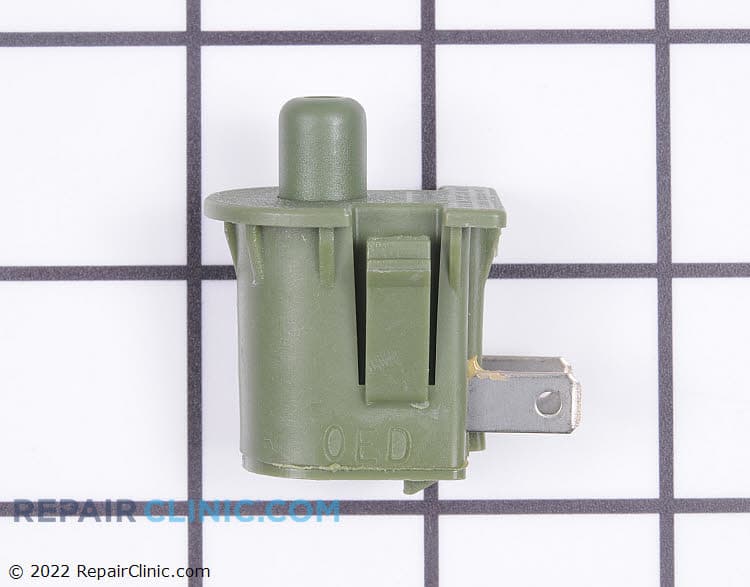
Safety Switch
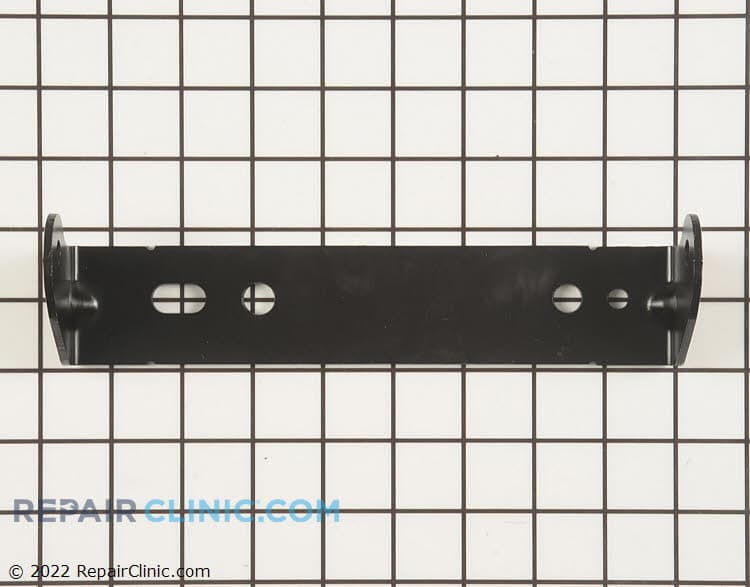
Service kit bracket seat pivot
RC Item #2960299
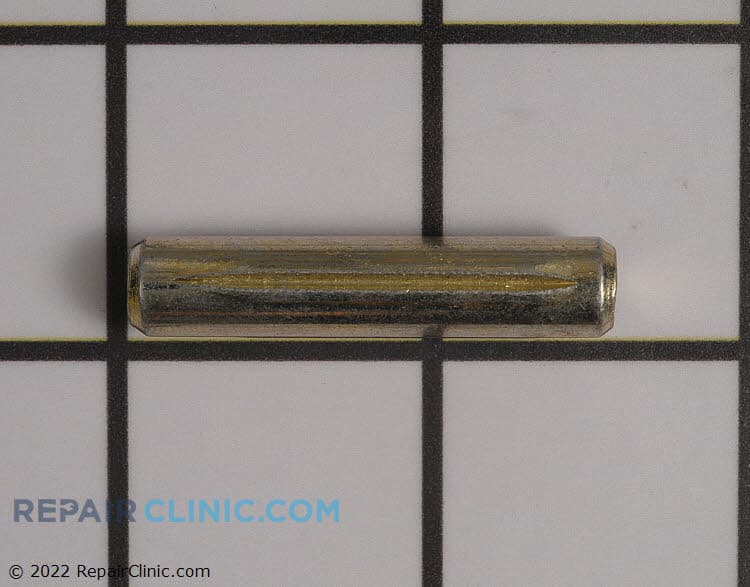
Pin-groove
Pin-intern cot-
RC Item #1995412
Nut hex
Screw-10-24 x 7/8 s


Hoover Vacuum Cleaner Parts
When your Hoover vacuum loses suction, stops spinning, or won't turn on, the fix is usually simpler — and cheaper — than replacing the whole machine. Motors burn out, belts snap, filters clog, and brush rolls jam. These are wear items, not permanent failures. Repair Clinic stocks genuine OEM Hoover parts that restore your vacuum to original performance.
Most Hoover vacuums fail at predictable points. A clogged filter cuts suction in half. A worn belt stops the brush roll cold. A dead motor means no airflow at all. The good news: each of these is a $10 to $60 fix that takes 15 to 30 minutes with basic tools and the right OEM part.
- Motor won't run: Motor assembly, power cord, on/off switch, capacitor
- No suction: Filter (most common), motor, hose blockage
- Brush roll won't spin: Belt, brush roll assembly, motor coupling
- Power loss midcycle: Thermal overload switch, clogged filter restricting airflow
- Leaking water or dust: Hose cracks, gaskets, dirt cup seal
Find Replacement Hoover Vacuum Cleaner Parts Online by Model or Part Number
Popular Hoover Vacuum Cleaner Models
Related Hoover Vacuum Cleaner Parts
- Hoover Vacuum Cleaner Miscellaneous Parts
- Hoover Vacuum Cleaner Bag Parts
- Hoover Vacuum Cleaner Fastener Parts
- Hoover Vacuum Cleaner Cap, Lid & Cover Parts
- Hoover Vacuum Cleaner Spring Parts
- Hoover Vacuum Cleaner Panel Parts
- Hoover Vacuum Cleaner Bracket & Flange Parts
- Hoover Vacuum Cleaner Gasket & Seal Parts
- Hoover Vacuum Cleaner Manuals, Care Guides & Literature
- Hoover Vacuum Cleaner Bearing Parts
- Hoover Vacuum Cleaner Axle, Roller, Shaft, Wheel Parts
- Hoover Vacuum Cleaner Handle Parts
- Hoover Vacuum Cleaner Filter Parts
- Hoover Vacuum Cleaner Motor Parts
- Hoover Vacuum Cleaner Transmission, Brake & Clutch Parts
- Hoover Vacuum Cleaner Latch Parts
- Hoover Vacuum Cleaner Wire, Receptacle & Wire Connector Parts
- Hoover Vacuum Cleaner Hose, Tube & Fitting Parts
- Hoover Vacuum Cleaner Attachment Parts
- Hoover Vacuum Cleaner Knob, Dial & Button Parts
- Hoover Vacuum Cleaner Pulley Parts
- Hoover Vacuum Cleaner Switch Parts
- Hoover Vacuum Cleaner Belt Parts
- Hoover Vacuum Cleaner Starter Parts
- Hoover Vacuum Cleaner Tool
- Hoover Vacuum Cleaner Dirt cup Parts
- Hoover Vacuum Cleaner Chassis Parts
- Hoover Vacuum Cleaner Cleaner & Deodorizer
- Hoover Vacuum Cleaner Duct & Venting Parts
- Hoover Vacuum Cleaner Power Cord Parts
- Hoover Vacuum Cleaner Insulation Parts
- Hoover Vacuum Cleaner Lighting & Light Bulb Parts
- Hoover Vacuum Cleaner Deflector & Chute Parts
- Hoover Vacuum Cleaner Circuit Board & Timer Parts
- Hoover Vacuum Cleaner Tank & Container Parts
- Hoover Vacuum Cleaner Control Cable Parts
- Hoover Vacuum Cleaner Fuse, Thermal Fuse & Breaker Parts
- Hoover Vacuum Cleaner Blade Parts
- Hoover Vacuum Cleaner Brushroll Parts
- Hoover Vacuum Cleaner Alternator, Battery & Charger Parts
- Hoover Vacuum Cleaner Capacitor Parts
- Hoover Vacuum Cleaner Grille & Kickplate Parts
- Hoover Vacuum Cleaner Ignition Controls Parts
- Hoover Vacuum Cleaner Suspension & Shock Absorption Parts
- Hoover Vacuum Cleaner Trim Parts
- Hoover Vacuum Cleaner Pedal Parts
- Hoover Vacuum Cleaner Engine Parts
- Hoover Vacuum Cleaner Lubricant
- Hoover Vacuum Cleaner Steering Parts
- Hoover Vacuum Cleaner Blower Wheel & Fan Blade Parts
- Hoover Vacuum Cleaner Carburetor Parts
- Hoover Vacuum Cleaner Door Parts
- Hoover Vacuum Cleaner Hinge Parts
- Hoover Vacuum Cleaner Tire & Rim Parts
- Hoover Vacuum Cleaner Curtain & Accordian Parts
- Hoover Vacuum Cleaner Dipstick Parts
- Hoover Vacuum Cleaner Dishrack Parts
- Hoover Vacuum Cleaner Finished Product Parts
- Hoover Vacuum Cleaner Touchpad Parts
Hoover Vacuum Cleaner Parts FAQ
What's the most common Hoover vacuum repair?
A clogged or dirty filter is the #1 reason Hoover vacuums lose suction. The motor runs but produces almost no airflow. Before replacing expensive parts, wash or replace the filter. If suction returns, you've solved it for under $20. If suction is still weak after filter cleaning, the motor or belt is next to check.
How do I find my Hoover vacuum model number?
The model number is printed on a label on the back or underside of the vacuum, usually near the motor housing or on the main body. It looks like a series of numbers and letters (e.g., UH70015, UH72400). Enter this model number in our lookup tool to see all compatible parts for your specific machine. Don't guess — Hoover has made hundreds of models, and the wrong belt or motor won't fit.
Can I use a universal vacuum belt instead of the OEM Hoover belt?
Universal belts are a gamble. Hoover belts come in specific widths, lengths, and rib profiles. A universal belt that's even slightly off-size will slip, produce noise, or fail prematurely. Use your model number to get the exact OEM belt. It's $5 to $15 more than a generic belt and will last twice as long.
My Hoover smells like burning plastic — what's wrong?
A burning smell usually means the motor is overheating, often because the filter is clogged or the brush roll is jammed with hair and debris. First, clean or replace the filter and clear any blockage in the hose or brush roll. If the smell persists after cleaning, the motor bearings may be failing and the motor assembly will need replacement. Don't keep running it — overheated motors can create a fire risk.
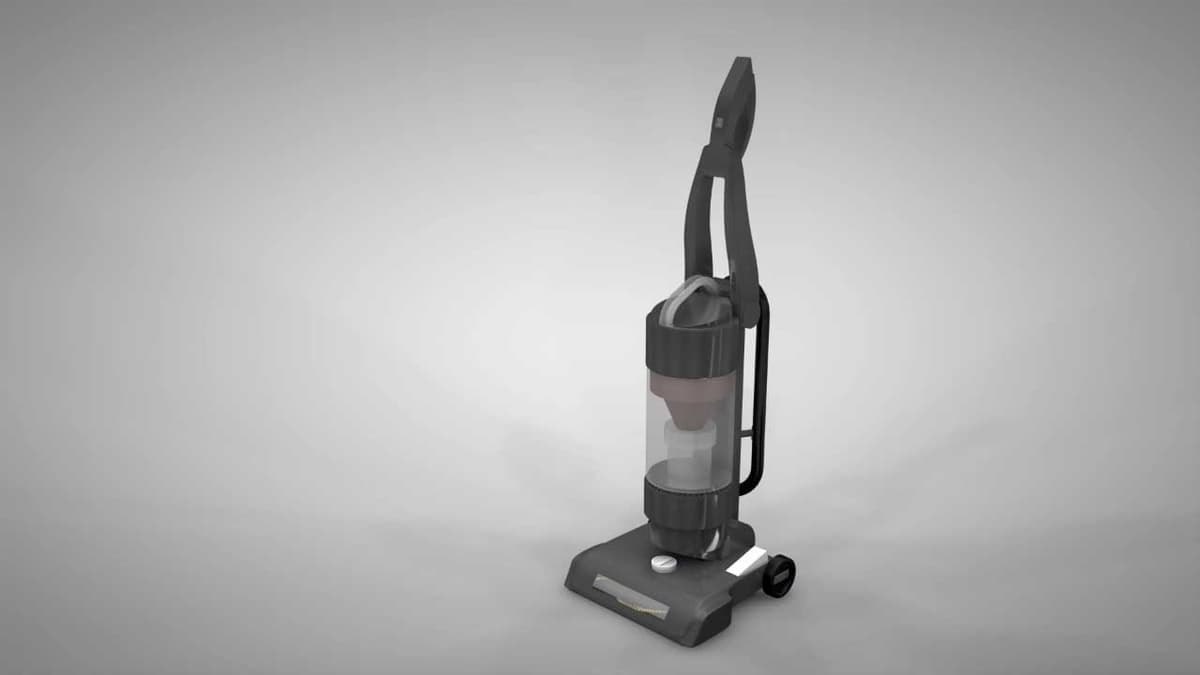
Easy Online Ordering for Hoover Vacuum Cleaner Parts
Keep your Hoover vacuum cleaner in top condition with our full inventory of original parts. Ordering Hoover vacuum cleaner parts online is straightforward, ensuring you receive genuine and compatible parts. Our inventory covers a broad range of needs, from Hoover circuit boards to motor parts required for your vacuum's performance. With same-day shipping, your order will arrive quickly, minimizing downtime. Utilize our convenient model number or part number lookup to find the exact parts needed. For common issues such as a non-working motor or a belt that keeps breaking, access guides and videos for DIY solutions on our Vacuum Cleaner Repair Help page. Enjoy our 365-day no-hassle return policy and price match offer to ensure satisfaction and value with your purchase. Trust Repair Clinic for all your Hoover vacuum cleaner repair needs, offering reliability and peace of mind for homeowners and technicians alike.
Hoover Vacuum Cleaner Model Number: Where to Look
Hoover prints the model number on a label on the back or underside of many vacuum cleaners, often near the motor housing or along the main body. Turn the machine off and check these areas for a string of letters and numbers, such as UH70015, before ordering anything. Type that number into our model number lookup and the catalog narrows to parts made for your exact Hoover model, across the entire unit. This avoids confusing similar Hoover machines that may use different belts, filters, motors, or housings. You order with confidence knowing the fit is right.

Cleaners and Deodorizers for Hoover Vacuum Cleaner
The right cleaner keeps your Hoover Vacuum Cleaner hygienic and helps prevent buildup that reduces performance over time. Repair Clinic stocks OEM-recommended cleaners, detergents, and deodorizers along with application tips for the best results. Use the model number lookup to confirm the correct product for your unit.
Related Articles: Vacuum Cleaner Repair

5 Reasons Why Your Vacuum Cleaner Has Lost Its Suction
Find out the five most common causes of lost suction in your vacuum cleaner and how to troubleshoot each from clogged filters and full bags to blockages, fan obstructions, or a failing blower motor.
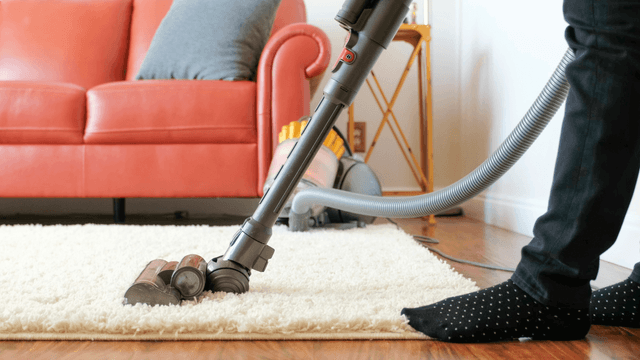
Three Reasons Why Your Vacuum Cleaner's Motor Isn't Working
Find out three common reasons why your vacuum cleaner motor is not working—seized bearings in the suction or brushroll motor, or damaged motor brushes—and how to check and address each issue.
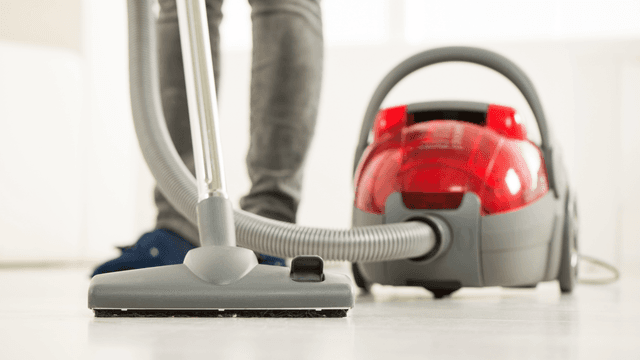
How It Works: Vacuum Cleaner
Learn how a vacuum cleaner creates suction using a motor-driven fan to draw air and debris through filters or bags and into a canister or bag for collection based on fundamental pressure differences and airflow design.




Family-owned and operated since 1912, Burke America Parts Group is the longest-running genuine appliance, HVAC, and outdoor power equipment parts solution in North America. At Repair Clinic, we're proud to be an international brand trusted by the pros as well as the DIY community.
About Repair Clinic