


 Price Match Guarantee
Hoover Vacuum Cleaner Heat Shield Replacement






OEM Hoover Vacuum Cleaner Heat Shield Parts
The heat shield is an integral component of your Hoover vacuum cleaner, designed to protect surrounding parts from overheating. Using genuine replacement parts ensures the optimal performance of your vacuum. Repair Clinic supplies genuine OEM parts tailored to fit specific Hoover models, allowing DIY enthusiasts and technicians to efficiently conduct vacuum cleaner repairs. Safeguard the manufacturer's warranty and achieve a perfect fit by selecting from our inventory of authentic Hoover heat shield replacements. Whether dealing with heat damage or preventive maintenance, invest in high-quality Hoover vacuum cleaner parts for reliable heating protection and vacuum efficiency. Shop Hoover blade guard parts for related components leveraging Repair Clinic's price match policy for competitive pricing.
FAQs about Hoover Vacuum Cleaner Heat Shield Replacement
Hoover vacuum cleaners are known for their durability, but over time, parts like the heat shield may need replacement. Below are common questions about replacing the heat shield in Hoover vacuum cleaners.
How do I replace the heat shield on a Hoover vacuum cleaner?
To replace the heat shield, first unplug the vacuum. Remove screws securing the vacuum’s body to access the internal components. Locate the heat shield near the motor and remove it gently. Replace with a new genuine OEM heat shield to ensure compatibility.
How much does a Hoover vacuum cleaner heat shield replacement cost?
The cost of replacing a Hoover vacuum heat shield varies depending on the model. Prices can range from $15 to $30 at Repair Clinic. They offer a price match, ensuring you never overpay for vacuum cleaner parts.
How do I know if my Hoover vacuum needs a new heat shield?
A damaged heat shield can cause improper cooling. Inspect for cracks or warping. If the vacuum overheats or has reduced performance, consider checking the heat shield.
For more Hoover vacuum cleaner parts, visit Hoover Vacuum Cleaner Parts.
Shop Hoover Vacuum Cleaner Heat Shield Replacement Online
Finding the right Hoover vacuum cleaner heat shield replacement parts online is effortless with our comprehensive catalog. Ensure your vacuum performs optimally by ordering genuine replacement parts that are compatible with your specific model. Benefit from our same-day shipping, allowing you to get your vacuum cleaner heat shield quickly and conveniently. Use our model number and part number lookup to easily find the exact part you need. Remember, with our No-Hassle 365-Day Returns and price match, you're guaranteed the best product and price. Improve your vacuum cleaner's efficiency by replacing faulty parts like the heat shield, which protect critical components from overheating. For more information on vacuum cleaner repairs and to access helpful resources, visit our Vacuum Cleaner Repair Help section. Also, explore additional Hoover vacuum cleaner parts on our Hoover Deflector Chute Parts page.
Steps to Locate Your Vacuum Cleaner Model Number
For Hoover vacuum cleaner parts, identifying the specific model number is crucial for repairs and replacements. The model number usually appears on a label or sticker, often found on the back, bottom, or side of the vacuum. This unique number ensures you order the correct heat shield replacement or other parts. When facing issues like a damaged heat shield, a precise model number allows for streamlined ordering of the exact spare parts needed for effective vacuum cleaner repair. Enjoy easy access to affordable vacuum cleaner parts online with hassle-free ordering and quick shipping.
Explore other Hoover parts at Repair Clinic, like the Hoover Dipstick Parts.

Find the Right Hoover Vacuum Cleaner Parts for Your Repair Needs
At Repair Clinic, we’re committed to making your vacuum cleaner repairs as smooth as possible. Whether you need a heat shield or any other Hoover vacuum parts, our model/part number lookup tool ensures you find the exact part you need. We're here to help seven days a week, with customer service and live chat to assist you. Enjoy the peace of mind of our price match, and benefit from our DIY-friendly guides and videos. Common issues such as a non-working motor or a continuously breaking belt can be easily resolved with our expert tips and genuine OEM parts—like testing and replacing switches, and ensuring brush rolls are free from obstructions. Should you need to return an uninstalled part, our no-hassle 365-day return policy has you covered. Discover more about our exceptional support at the Contact Us page.
Related Articles: Vacuum Cleaner Repair
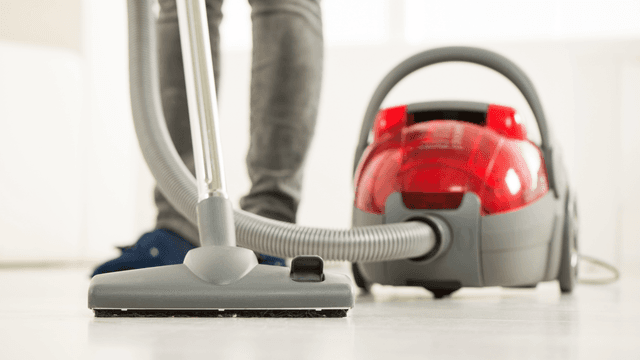
How It Works: Vacuum Cleaner
Learn how a vacuum cleaner creates suction using a motor-driven fan to draw air and debris through filters or bags and into a canister or bag for collection based on fundamental pressure differences and airflow design.

5 Reasons Why Your Vacuum Cleaner Has Lost Its Suction
Find out the five most common causes of lost suction in your vacuum cleaner and how to troubleshoot each from clogged filters and full bags to blockages, fan obstructions, or a failing blower motor.

New Year’s Appliance Maintenance Resolutions
Learn simple appliance maintenance resolutions to start the New Year right with DIY tips like cleaning your dishwasher spray arm, refrigerating coil upkeep, oven care, and dryer lint vent cleaning.




Family-owned and operated since 1912, Burke America Parts Group is the longest-running genuine appliance, HVAC, and outdoor power equipment parts solution in North America. At Repair Clinic, we're proud to be an international brand trusted by the pros as well as the DIY community.
About Repair Clinic