


 Price Match Guarantee
Vacuum Cleaner Fuse, Thermal Fuse & Breaker Parts
Find the right part faster
Multiple models matched. Select your model to confirm fit.




Protector
Protector
Protector
Protector
Protector
Protector
Protector
Fuse
Protector
Protector
Protector
Protector
Protector
Protector
Protector


Vacuum Cleaner Thermal Fuses and Breakers
Thermal fuses and circuit breakers protect your vacuum from overheating — but when they blow, your vacuum won't run. A clogged filter, blocked airflow, or motor strain triggers the thermal fuse to trip as a safety measure. Once blown, the fuse must be replaced; it's a one-time device. If your vacuum keeps blowing fuses, the real culprit is usually a dirty filter or clogged motor intake. Here's what to look for:
- Motor won't run at all: blown thermal fuse or tripped circuit breaker; check for continuity
- Vacuum runs briefly then stops: overheating protection engaged; clean filter first, then replace fuse
- Suction loss with motor running: clogged filter causing heat buildup; replace filter and fuse together
- Repeated fuse failures: underlying motor or airflow problem; inspect motor vents and hose for blockage
- Reset button won't stay clicked: breaker has failed internally; thermal reset switches wear out
Find your exact vacuum cleaner thermal fuse or breaker by model number to get the right OEM replacement and get suction back fast.
Find Replacement Vacuum Cleaner Fuse, Thermal Fuse & Breaker Parts Online by Model or Part Number
Popular Vacuum Cleaner Models
Related Vacuum Cleaner Fuse, Thermal Fuse & Breaker Parts
Vacuum Cleaner Thermal Fuse & Breaker FAQ
What's the difference between a thermal fuse and a circuit breaker in a vacuum?
A thermal fuse is a one-time safety device that melts when the motor temperature exceeds its rating — once blown, it must be replaced. A circuit breaker is a resettable switch that trips when current runs too high, and can be reset by pushing a button or flipping a switch. Some vacuums have both: the fuse protects against heat, the breaker against electrical overload. Always check your model schematic to identify which part you need.
Why does my vacuum thermal fuse keep blowing?
Repeated fuse failures point to a root cause — not the fuse itself. The most common culprits are: (1) a clogged or dirty filter restricting airflow and forcing the motor to work harder and run hotter, (2) a blocked hose or intake preventing air circulation, (3) a failing motor that's drawing excessive current, or (4) accumulated lint in the motor vents. Always clean or replace the filter first, inspect the hose and intake for obstructions, then replace the fuse. If fuses blow again within a few weeks, the motor may be failing and you should consider a professional assessment or replacement.
How do I test if my vacuum thermal fuse is bad?
The easiest test is continuity. Locate the fuse (usually a small ceramic or plastic cartridge near the motor or on the circuit board), carefully remove it, and use a multimeter set to ohms (O). Touch the probes to both ends of the fuse. A good fuse will beep and show 0 ohms or near-zero resistance. A blown fuse will show no beep and infinite resistance (or "OL" on the display). If the fuse is visibly cracked or has a black burned mark, it's definitely blown — replace it immediately.
Can I clean a thermal fuse instead of replacing it?
No. Thermal fuses are designed for one-time use. Once the internal element melts due to heat, cleaning or attempting to reset it won't restore continuity. The fuse must be replaced with an OEM part that matches your vacuum model exactly — wattage, voltage, and fuse current rating all matter. Using an incorrect fuse risks safety risks or failure to protect your motor. Order the exact replacement by model number from Repair Clinic and swap it out in a few minutes.
Easy Online Ordering for Vacuum Cleaner Fuse, Thermal Fuse & Breaker Parts
Ensure your vacuum cleaner's safety and efficiency with factory-certified vacuum cleaner fuse, thermal fuse, and breaker parts. Ordering online. Use your model number to get the right part. Our full inventory includes genuine, compatible parts that is designed for a model-specific fit for your device. Use our model number or part number lookup to find your exact replacement quickly. With our same-day shipping service, you can rest easy knowing your parts will arrive quickly, and our No-Hassle 365-Day Returns policy ensures peace of mind. Take advantage of our price match offer for competitive pricing. Whether you're a homeowner or a professional technician, our site makes repairing your vacuum cleaner easy and cost-effective.
For more guidance on vacuum cleaner repair troubles and solutions, visit our detailed repair help section.
Find more about vacuum cleaner electrical parts in the Capacitor Section. Don't wait, order today and restore your vacuum's reliable operation!
Filter Vacuum Cleaner Parts by Your Model Number
Check the bottom of your vacuum cleaner first, then look on the rear body or near the base for a label or nameplate. The model number may be listed alongside the serial number, so copy the complete model designation, including letters and numbers. Enter it in the search bar to filter the full catalog to parts that fit your specific vacuum cleaner, including electrical, motor, hose, brush, and other replacement parts. If the label is worn or hard to read, check the owner's manual or the manufacturer's documentation for the same information. Searching by model gives you a more accurate match and helps prevent ordering a part that is not compatible with your unit.

Do-It-Yourself Repair Resources for Vacuum Cleaner
Repair Clinic's online repair library gives DIYers and professional technicians the same reference material for Vacuum Cleaner work. Start with a common-symptom article to narrow the cause, watch the matching part testing video, then follow the step-by-step written or video repair guide during the installation. Use the model number lookup to confirm the exact OEM part, and wiring diagrams and exploded-view illustrations are on hand for the more complex jobs.
Related Articles: Vacuum Cleaner Repair

New Year's Appliance Maintenance Resolutions
Learn simple appliance maintenance resolutions to start the New Year right with DIY tips like cleaning your dishwasher spray arm, refrigerating coil upkeep, oven care, and dryer lint vent cleaning.
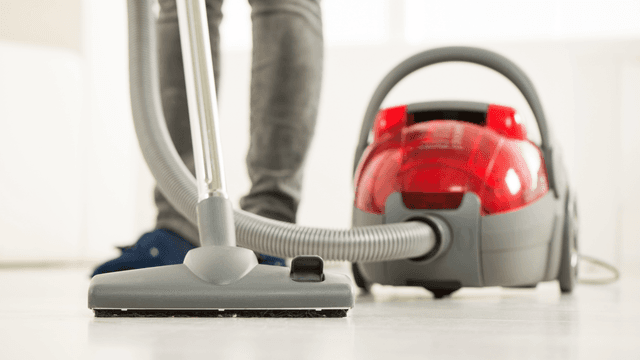
How It Works: Vacuum Cleaner
Learn how a vacuum cleaner creates suction using a motor-driven fan to draw air and debris through filters or bags and into a canister or bag for collection based on fundamental pressure differences and airflow design.

5 Reasons Why Your Vacuum Cleaner Has Lost Its Suction
Find out the five most common causes of lost suction in your vacuum cleaner and how to troubleshoot each from clogged filters and full bags to blockages, fan obstructions, or a failing blower motor.




Family-owned and operated since 1912, Burke America Parts Group is the longest-running genuine appliance, HVAC, and outdoor power equipment parts solution in North America. At Repair Clinic, we're proud to be an international brand trusted by the pros as well as the DIY community.
About Repair Clinic