


 Price Match Guarantee
Vacuum Cleaner Parts
- Adhesive
- Agitator
- Alternator, Battery & Charger
- Attachment
- Axle, Roller, Shaft, Wheel
- Bag
- Bearing
- Belt
- Blade
- Blower Wheel & Fan Blade
- Bracket & Flange
- Brushroll
- Cap, Lid & Cover
- Capacitor
- Carburetor
- Chassis
- Circuit Board & Timer
- Cleaner & Deodorizer
- Compressor & Sealed System
- Control Cable
- Curtain & Accordian
- Deflector & Chute
- Dipstick
- Dirt cup
- Dishrack
- Dispenser
- Door
- Drawer
- Drum & Tub
- Duct & Venting
- Engine
- Fastener
- Filter
- Finished Product
- Fuse, Thermal Fuse & Breaker
- Gas Burner & Control Valve
- Gasket & Seal
- Grille & Kickplate
- Handle
- Hinge
- Hose, Tube & Fitting
- Ignition Controls
- Insulation
- Knob, Dial & Button
- Latch
- Leg, Foot & Caster
- Lighting & Light Bulb
- Lubricant
- Manuals, Care Guides & Literature
- Miscellaneous
- Motor
- Muffler
- Oven Rack & Broiler Pan
- Panel
- Pedal
- Power Cord
- Pulley
- Pump
- Remote Control
- Shelf & Shelf Support
- Spindle
- Spring
- Starter
- Steering
- Suspension & Shock Absorption
- Switch
- Tank & Container
- Thermostat
- Tire & Rim
- Tool
- Touchpad
- Transformer
- Transmission, Brake & Clutch
- Trim
- Valve & Float
- Wire, Receptacle & Wire Connector
Find the right part faster
Multiple models matched. Select your model to confirm fit.




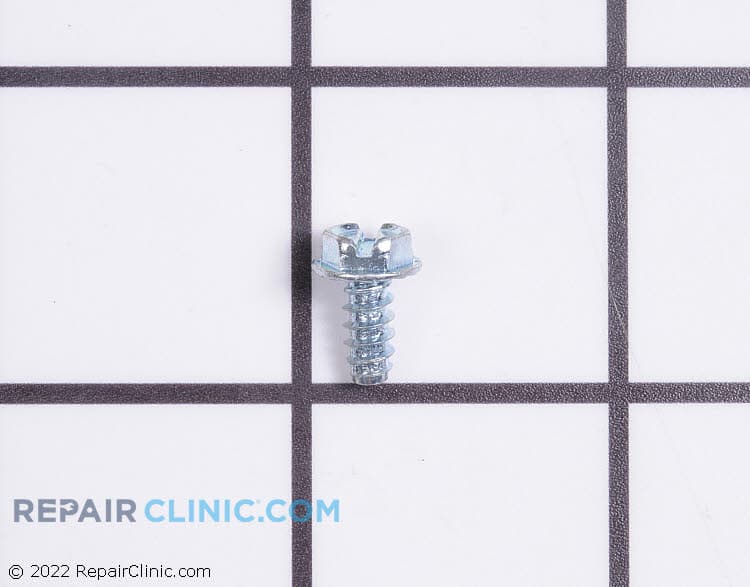
Screw, 10-24 3/8
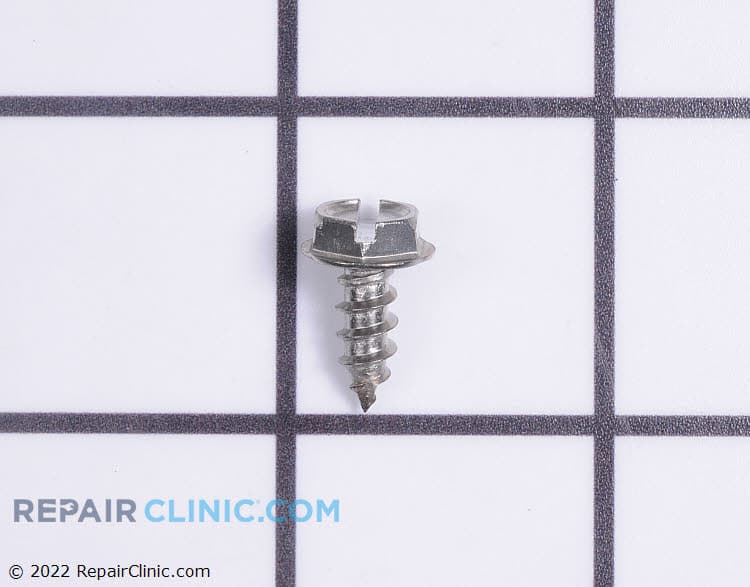
Screw, 10-16 X 1/2
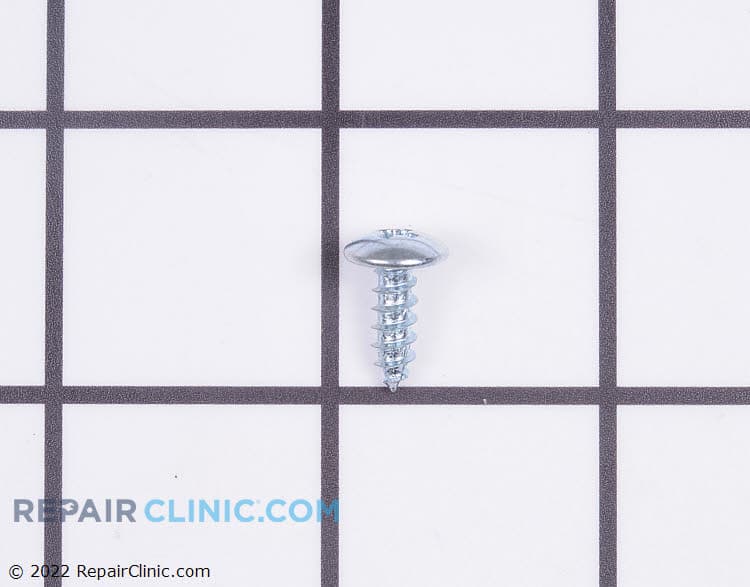
Screw, 8-18 x 3/8
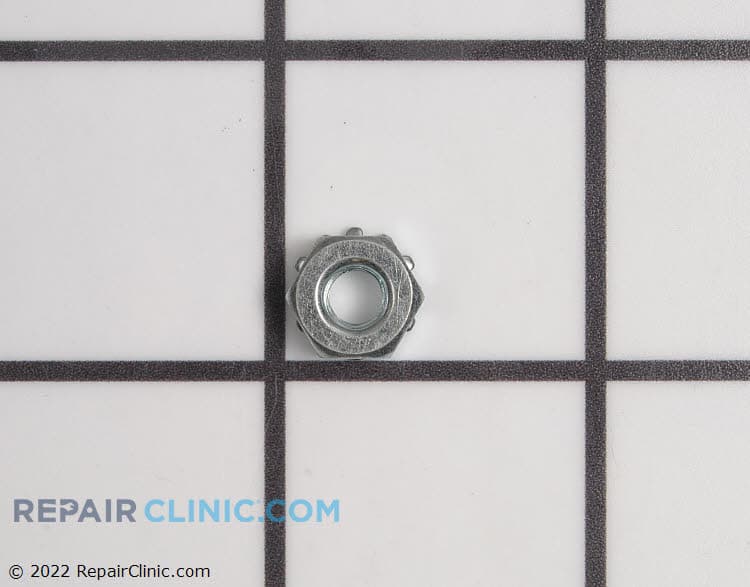
Lock nut
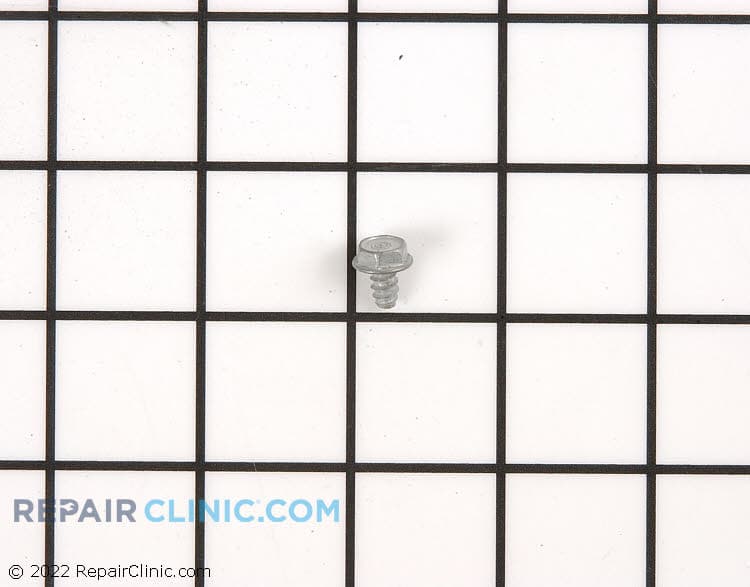
Screw, 10-16 x 5/16"
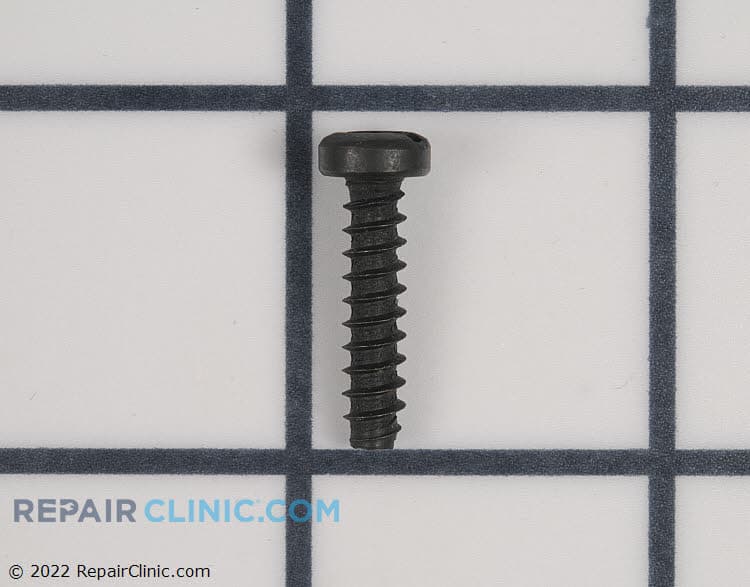
Screw,m4x19

Hex nut, 5/16-18 Thd.
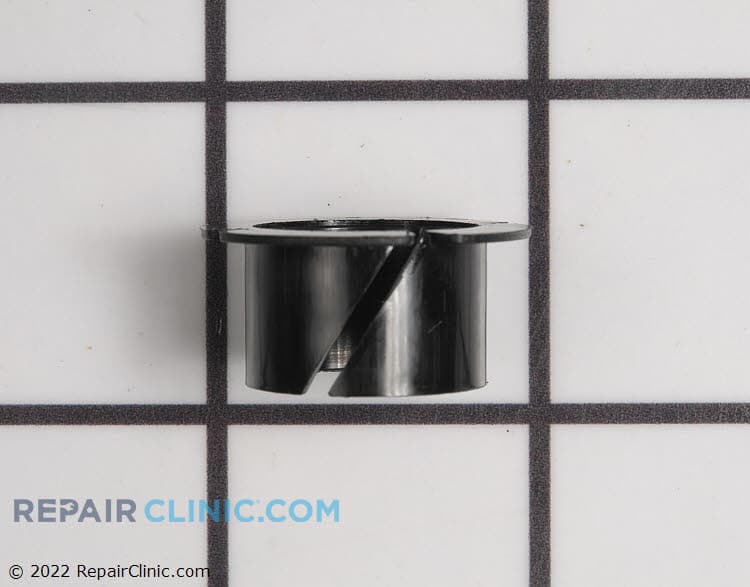
Nylon bearing
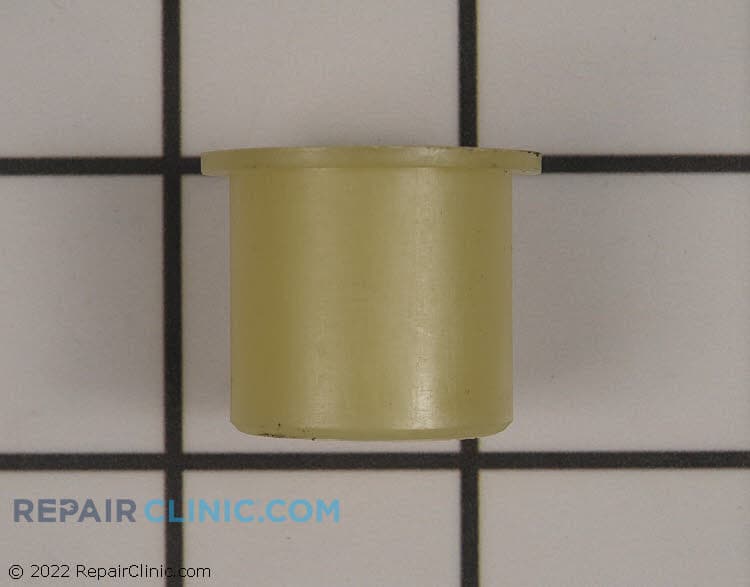
Bushing-0.765idx
RC Item #1606353
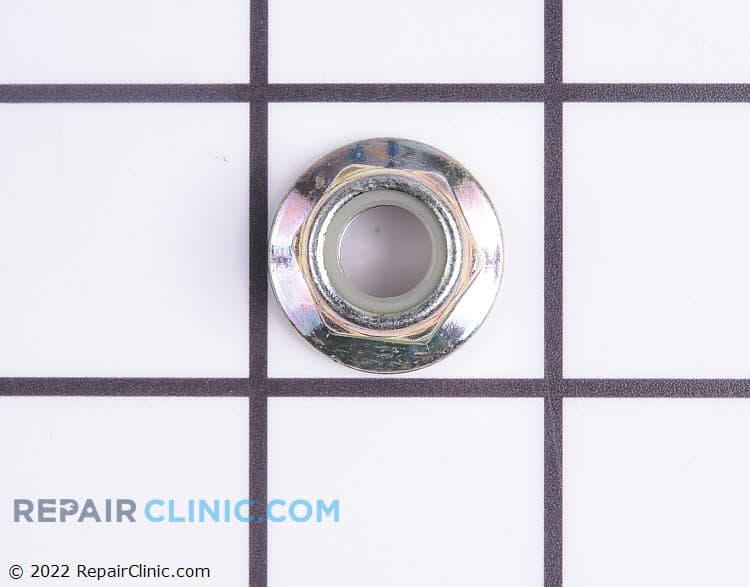
Lock nut, 3/8-16
RC Item #1621235
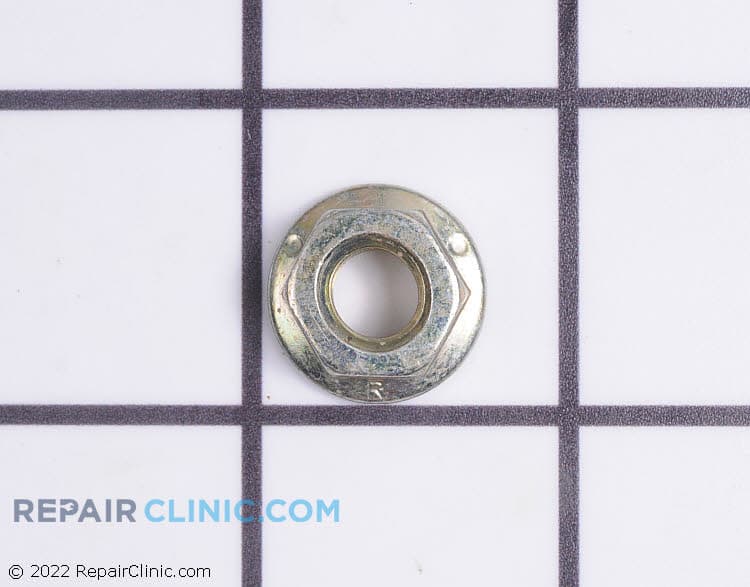
Nut-hex flange lock
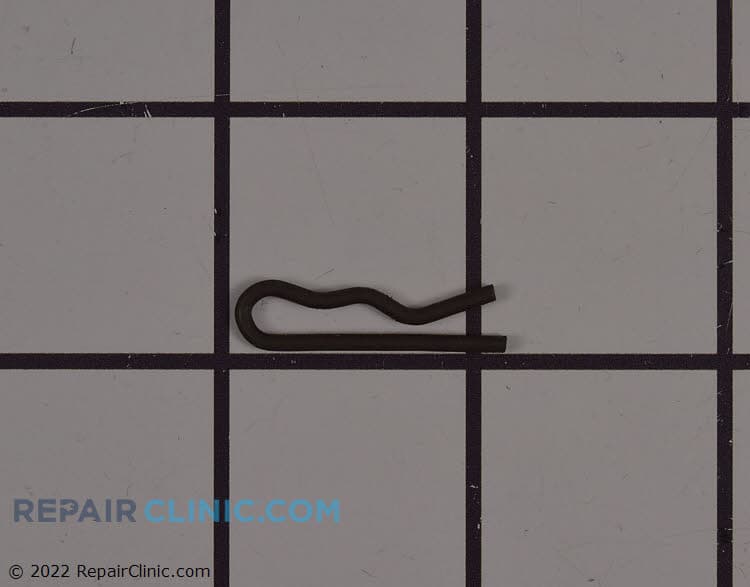
Pin:cot:.072 dia. 1.13 lg
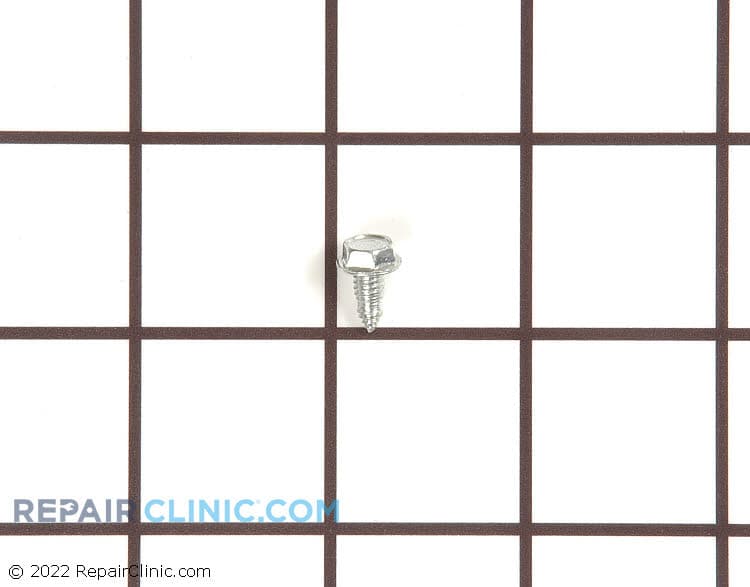
1/4 Inch hex head screw
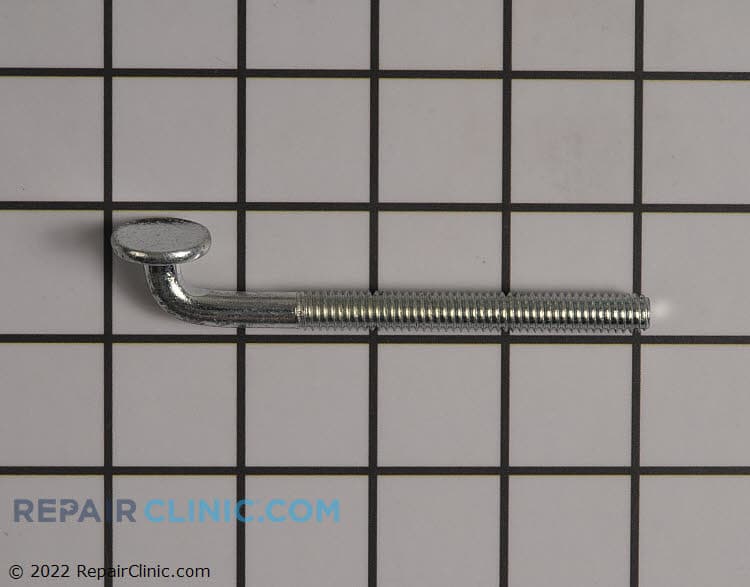
Rod adjuster
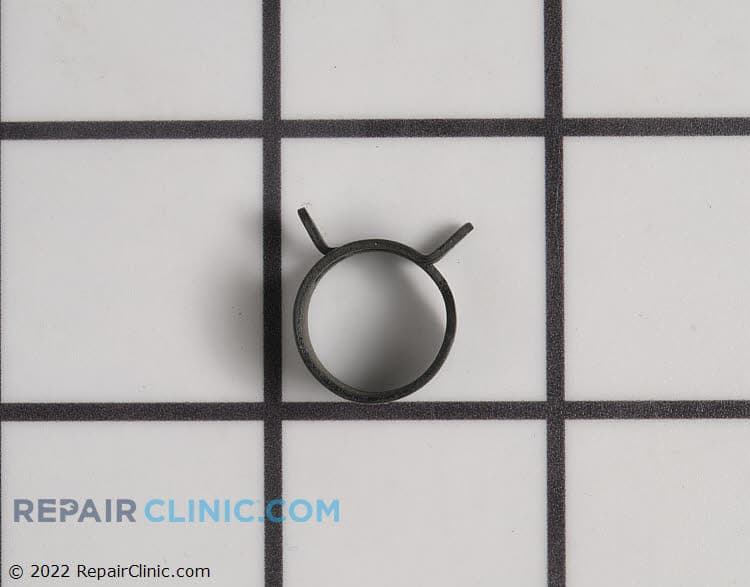
Hose clamp


Common Vacuum Cleaner Parts and Repair Solutions
Vacuum cleaners take a beating — they run hard, collect dust, and wear out common parts faster than almost any appliance. Whether your vacuum has lost suction, won't spin the brush roll, or won't power on at all, the fix usually comes down to one of a few high-volume parts. Most vacuum repairs are straightforward enough for DIY, and genuine OEM parts ensure your cleaner runs at peak efficiency.
The motor is the heart of any vacuum. When suction drops sharply, a clogged filter is the first suspect — but if the motor is struggling to spin the brush roll or won't run at all, the belt, motor itself, or power cord may have failed. Brush roll failures show up as weak cleaning on carpets; wheel and axle problems make the vacuum hard to push or pull across the floor.
- Motor failure: Vacuum won't turn on, no suction, runs but dies quickly
- Belt wear or breakage: Brush roll won't spin, cleaning effectiveness drops
- Clogged filter: Suction loss; motor strains and may overheat
- Power cord damage: Won't power on; frayed, cracked, or brittle cords are common
- Wheel and axle wear: Hard to push, wheels don't roll freely, mobility lost
Find your vacuum model number and browse the full list of Vacuum Cleaner Parts to locate the exact replacement you need — whether it's a motor, belt, filter, cord, or wheel assembly.
Popular Vacuum Cleaner Models
Related Vacuum Cleaner Parts
- Vacuum Cleaner Miscellaneous Parts
- Vacuum Cleaner Fastener Parts
- Vacuum Cleaner Bag Parts
- Vacuum Cleaner Cap, Lid & Cover Parts
- Vacuum Cleaner Panel Parts
- Vacuum Cleaner Hose, Tube & Fitting Parts
- Vacuum Cleaner Handle Parts
- Vacuum Cleaner Gasket & Seal Parts
- Vacuum Cleaner Bracket & Flange Parts
- Vacuum Cleaner Manuals, Care Guides & Literature
- Vacuum Cleaner Motor Parts
- Vacuum Cleaner Wire, Receptacle & Wire Connector Parts
- Vacuum Cleaner Axle, Roller, Shaft, Wheel Parts
- Vacuum Cleaner Spring Parts
- Vacuum Cleaner Filter Parts
- Vacuum Cleaner Power Cord Parts
- Vacuum Cleaner Attachment Parts
- Vacuum Cleaner Knob, Dial & Button Parts
- Vacuum Cleaner Switch Parts
- Vacuum Cleaner Latch Parts
- Vacuum Cleaner Dirt cup Parts
- Vacuum Cleaner Circuit Board & Timer Parts
- Vacuum Cleaner Bearing Parts
- Vacuum Cleaner Lighting & Light Bulb Parts
- Vacuum Cleaner Brushroll Parts
- Vacuum Cleaner Transmission, Brake & Clutch Parts
- Vacuum Cleaner Chassis Parts
- Vacuum Cleaner Belt Parts
- Vacuum Cleaner Pedal Parts
- Vacuum Cleaner Tool
- Vacuum Cleaner Duct & Venting Parts
- Vacuum Cleaner Door Parts
- Vacuum Cleaner Trim Parts
- Vacuum Cleaner Insulation Parts
- Vacuum Cleaner Tank & Container Parts
- Vacuum Cleaner Capacitor Parts
- Vacuum Cleaner Pulley Parts
- Vacuum Cleaner Alternator, Battery & Charger Parts
- Vacuum Cleaner Fuse, Thermal Fuse & Breaker Parts
- Vacuum Cleaner Grille & Kickplate Parts
- Vacuum Cleaner Hinge Parts
- Vacuum Cleaner Blower Wheel & Fan Blade Parts
- Vacuum Cleaner Touchpad Parts
- Vacuum Cleaner Starter Parts
- Vacuum Cleaner Finished Product Parts
- Vacuum Cleaner Deflector & Chute Parts
- Vacuum Cleaner Cleaner & Deodorizer
- Vacuum Cleaner Blade Parts
- Vacuum Cleaner Control Cable Parts
- Vacuum Cleaner Tire & Rim Parts
- Vacuum Cleaner Suspension & Shock Absorption Parts
- Vacuum Cleaner Engine Parts
- Vacuum Cleaner Drawer Parts
- Vacuum Cleaner Pump Parts
- Vacuum Cleaner Shelf & Shelf Support Parts
- Vacuum Cleaner Adhesive
- Vacuum Cleaner Leg, Foot & Caster Parts
- Vacuum Cleaner Lubricant
- Vacuum Cleaner Steering Parts
- Vacuum Cleaner Ignition Controls Parts
- Vacuum Cleaner Carburetor Parts
- Vacuum Cleaner Agitator Parts
- Vacuum Cleaner Transformer Parts
- Vacuum Cleaner Gas Burner & Control Valve Parts
- Vacuum Cleaner Remote Control Parts
- Vacuum Cleaner Valve & Float Parts
- Vacuum Cleaner Compressor & Sealed System Parts
- Vacuum Cleaner Curtain & Accordian Parts
- Vacuum Cleaner Dishrack Parts
- Vacuum Cleaner Dispenser Parts
- Vacuum Cleaner Spindle Parts
- Vacuum Cleaner Dipstick Parts
- Vacuum Cleaner Drum & Tub Parts
- Vacuum Cleaner Muffler Parts
- Vacuum Cleaner Oven Rack & Broiler Pan Parts
- Vacuum Cleaner Thermostat Parts
Vacuum Cleaner Parts: Frequently Asked Questions
What causes a vacuum to lose suction suddenly?
Sudden suction loss is usually the filter. Check for clogs, dirt buildup, or tears in the paper or foam filter — these restrict airflow and starve the motor. Clean or replace the filter first. If suction doesn't return, the motor itself may be failing, or there's a blockage in the hose or dust cup pathway. On carpet cleaners (, ProHeat), a clogged or failed circulation pump also causes loss of water spray.
Why won't the brush roll spin on my vacuum?
The drive belt is the most common culprit. Over time, belts wear, slip, stretch, or snap — and when they do, the brush roll stops turning even though the motor runs. You'll hear the motor but won't see any brush rotation. Replacing the belt is a 15-minute job for most models. If the belt is fine, the brush roll itself may be jammed by hair or debris, or the motor coupling (direct-drive models) has failed.
How do I find the right replacement belt for my vacuum?
Measure the old belt or look up your model number on Repair Clinic — belt width, length, and rib count vary across brands and models. A vacuum belt is a fallback, but OEM belts are always the better choice because they're engineered for your motor's torque. Measure twice before ordering; a belt that's even slightly wrong will slip or break quickly.
Are vacuum motors repairable, or do I need to replace the whole unit?
Most vacuum motors cannot be repaired — they're sealed units. If the motor has failed (won't spin, won't power on, or spins but produces no suction), you'll need to replace either the motor assembly or the entire vacuum, depending on cost. Check the price of an OEM motor for your model — if it's more than 40 to 50% of a new vacuum, replacement may make more sense. Also verify the power cord isn't the real culprit — a $10 cord replacement beats a $100+ motor.
Easy Online Ordering for Vacuum Cleaner Parts
Experience the convenience of purchasing vacuum cleaner parts online with our streamlined ordering process. Whether you're a homeowner needing replacements or a professional technician seeking repairs, finding genuine and compatible parts. Use your model number to get the right part. Utilize our model number or part number lookup to quickly locate the specific items required for your vacuum cleaner, ensuring accurate and efficient selection. We guarantee same-day shipping, allowing you to receive parts promptly and eliminate downtime. Alongside our extensive range of original spare parts for vacuum cleaner repairs, we also offer a comprehensive price match, confirming your access to the clear pricing. Browse our vacuum cleaner repair help section for guidance and troubleshoot common issues, such as motor problems or suction loss. With a commitment to quality service, our no-hassle 365-day returns ensure satisfaction with every purchase.
Narrow Vacuum Cleaner Parts to Your Exact Model
Check the rear body or bottom of your vacuum cleaner for a rating label; on some models, it is near the base or beneath the dust cover. Look for the model number, not the serial number, and copy every letter, number, and hyphen exactly as printed. Enter that identifier in the search bar, and the catalog will narrow to parts built for your complete vacuum cleaner, from belts and filters to motors, hoses, and wheels. That model-based match saves time and helps prevent ordering a part that looks similar but does not fit. If the label is hidden, unplug the vacuum and check the underside or inside the dust cover in good light.

Cleaners and Deodorizers for Vacuum Cleaner
The right cleaner keeps your Vacuum Cleaner hygienic and helps prevent buildup that reduces performance over time. Repair Clinic stocks OEM-recommended cleaners, detergents, and deodorizers along with application tips for the best results. Use the model number lookup to confirm the correct product for your unit.
Related Articles: Vacuum Cleaner Repair
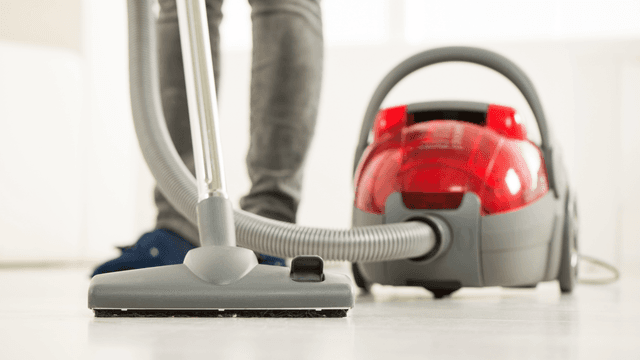
How It Works: Vacuum Cleaner
Learn how a vacuum cleaner creates suction using a motor-driven fan to draw air and debris through filters or bags and into a canister or bag for collection based on fundamental pressure differences and airflow design.

5 Reasons Why Your Vacuum Cleaner Has Lost Its Suction
Find out the five most common causes of lost suction in your vacuum cleaner and how to troubleshoot each from clogged filters and full bags to blockages, fan obstructions, or a failing blower motor.

New Year's Appliance Maintenance Resolutions
Learn simple appliance maintenance resolutions to start the New Year right with DIY tips like cleaning your dishwasher spray arm, refrigerating coil upkeep, oven care, and dryer lint vent cleaning.




Family-owned and operated since 1912, Burke America Parts Group is the longest-running genuine appliance, HVAC, and outdoor power equipment parts solution in North America. At Repair Clinic, we're proud to be an international brand trusted by the pros as well as the DIY community.
About Repair Clinic