


 Price Match Guarantee
Weed Eater Lawn Mower Starter Parts
Find the right part faster
Multiple models matched. Select your model to confirm fit.




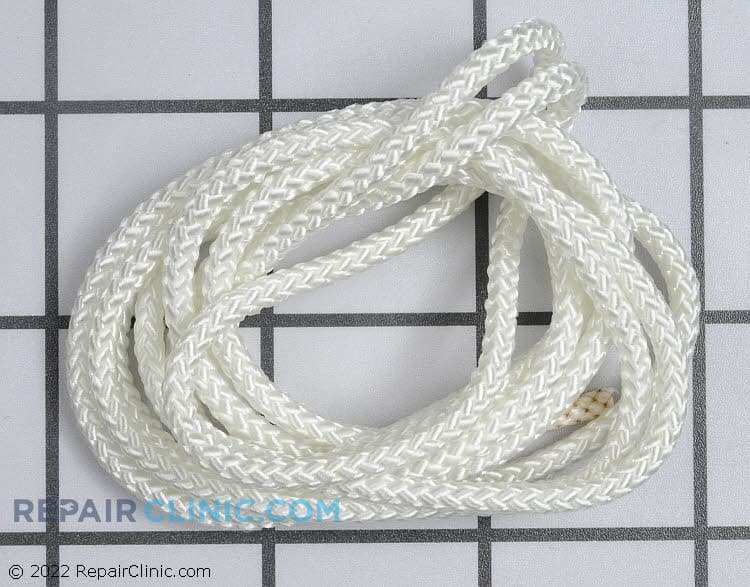
Rope for pull starter
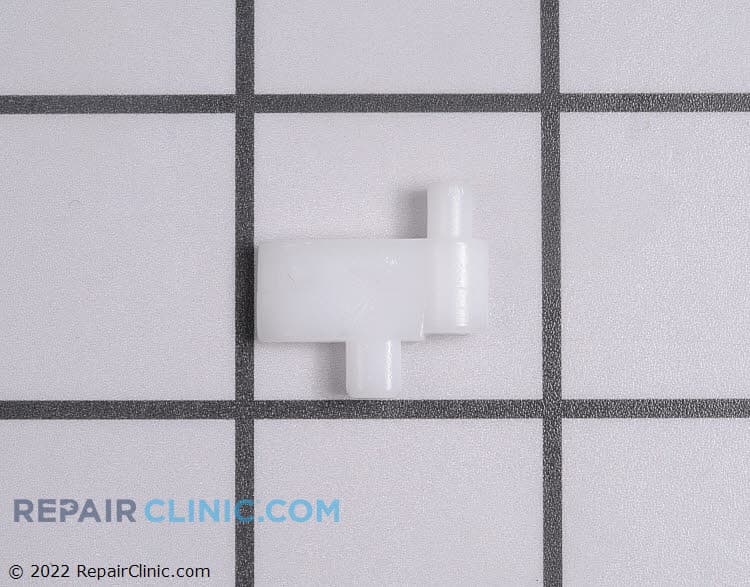
Dog-starter

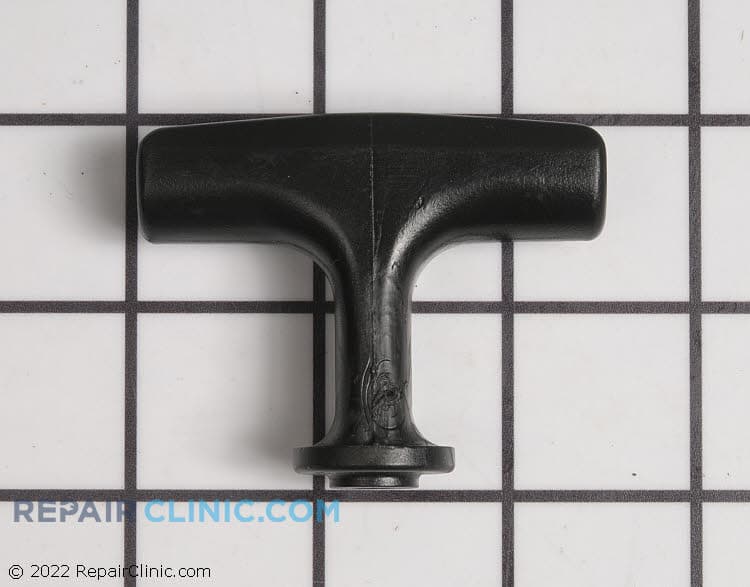
Handle-starter
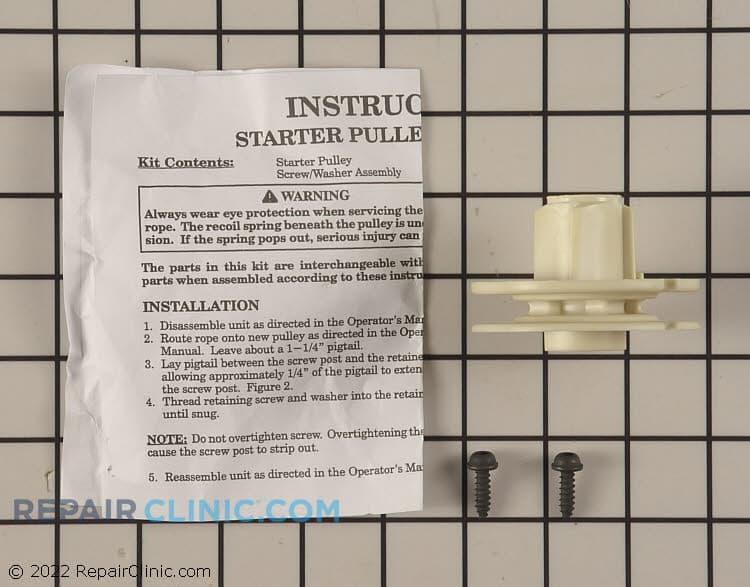
Kit-starter pulley
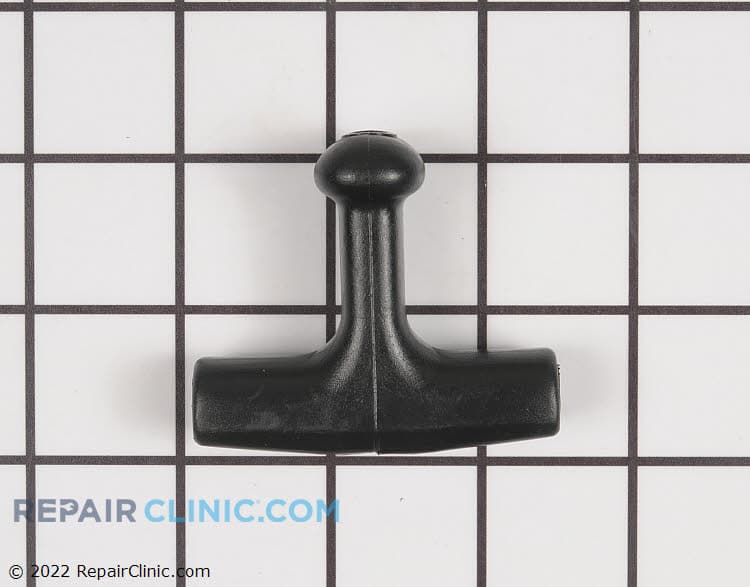
Handle-starter
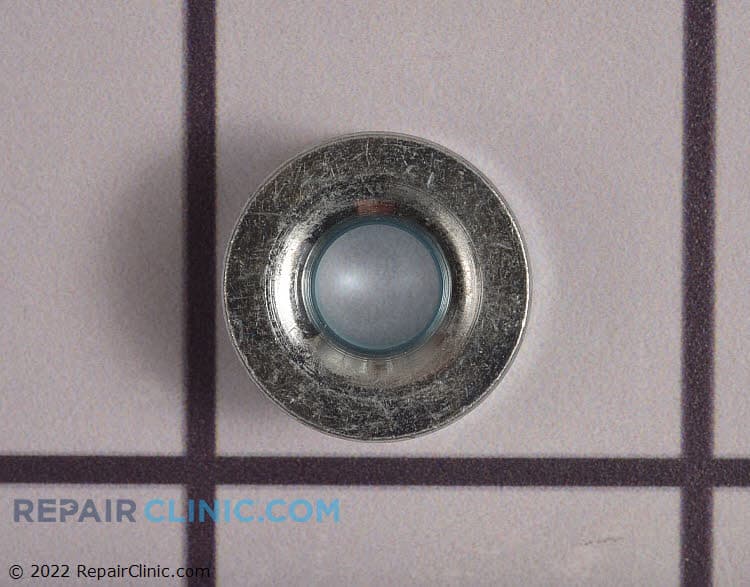
Eyelet-flange
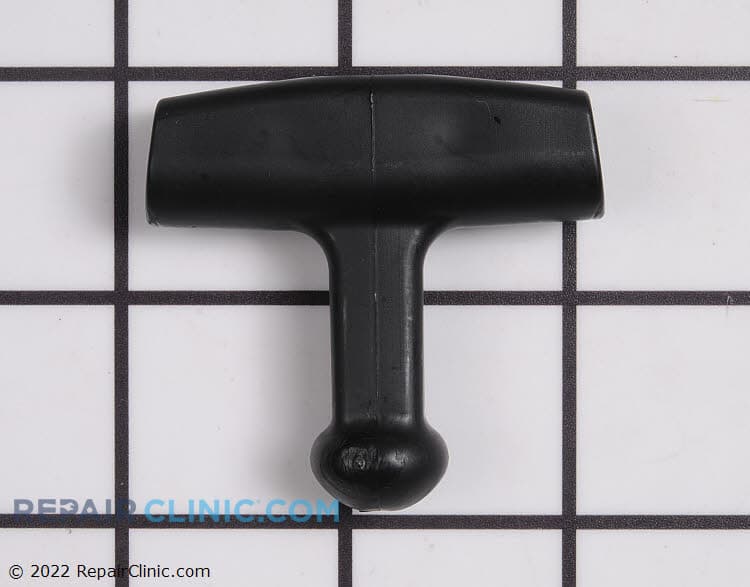
Recoil starter handle


Genuine OEM Weed Eater Lawn Mower Starter Motors & Recoil Assemblies
Nothing is more frustrating than a mower that won't turn over. Weed Eater starter problems—whether a dead motor, sluggish recoil, or broken pull rope—demand genuine OEM replacement. Repair Clinic supplies electric starter motors, recoil starter assemblies, starter solenoids, and spring kits built to Weed Eater's exacting standards for reliable cold starts and consistent performance year after year.
A failed starter wastes your time and strands you mid-season. Our Weed Eater lawn mower starter parts restore ignition reliability and get your mower running again fast.
- Electric starter motors — engine cranks slowly, won't crank, or solenoid clicks
- Recoil starter assemblies — rope won't pull, doesn't catch, or spring is broken
- Starter solenoids — electric starter engages but engine won't turn
- Recoil spring kits — rope retracts too fast or too slow, or doesn't retract at all
- Pull rope & handles — frayed, broken, or missing rope prevents manual start
Find Replacement Weed Eater Lawn Mower Starter Parts Online by Model or Part Number
Popular Weed Eater Lawn Mower Models
Weed Eater Lawn Mower Starter Parts: Common Questions
My Weed Eater has an electric starter that only clicks—what's wrong?
A clicking solenoid usually means low battery voltage, corroded battery cables, or a failing solenoid coil. Check your battery charge first and clean all battery connections. If the battery is good and you still hear only clicking, the starter solenoid or motor is likely failing and needs replacement. A weak or dead solenoid won't engage the starter drive pinion to crank the engine.
Why is my recoil pull rope stuck or won't retract?
A broken recoil spring, tangled rope, or worn pulley can jam the recoil mechanism. If the rope is frayed or kinked, replace both the rope and handle assembly. If the rope pulls but doesn't retract, the spring inside the recoil housing is broken—you'll need to replace the entire recoil starter assembly. Never force a stuck rope; you'll damage the engine flywheel.
Should I replace the whole starter or just the solenoid?
If your solenoid is clicking but the motor shaft isn't spinning, solenoid replacement may solve it. However, if the motor itself is grinding or making noise, the internal brushes or armature are worn and the entire starter motor should be replaced. OEM Weed Eater starters are affordable and last longer than trying to rebuild a used unit.
How do I find my mower's model number for starter parts?
Look on the frame, near the fuel tank, or on a sticker under the deck. Model and serial numbers identify your exact engine and starter type. Write down this information before ordering; starters differ between push-mower and self-propelled Weed Eater models, and between electric and recoil-start versions.
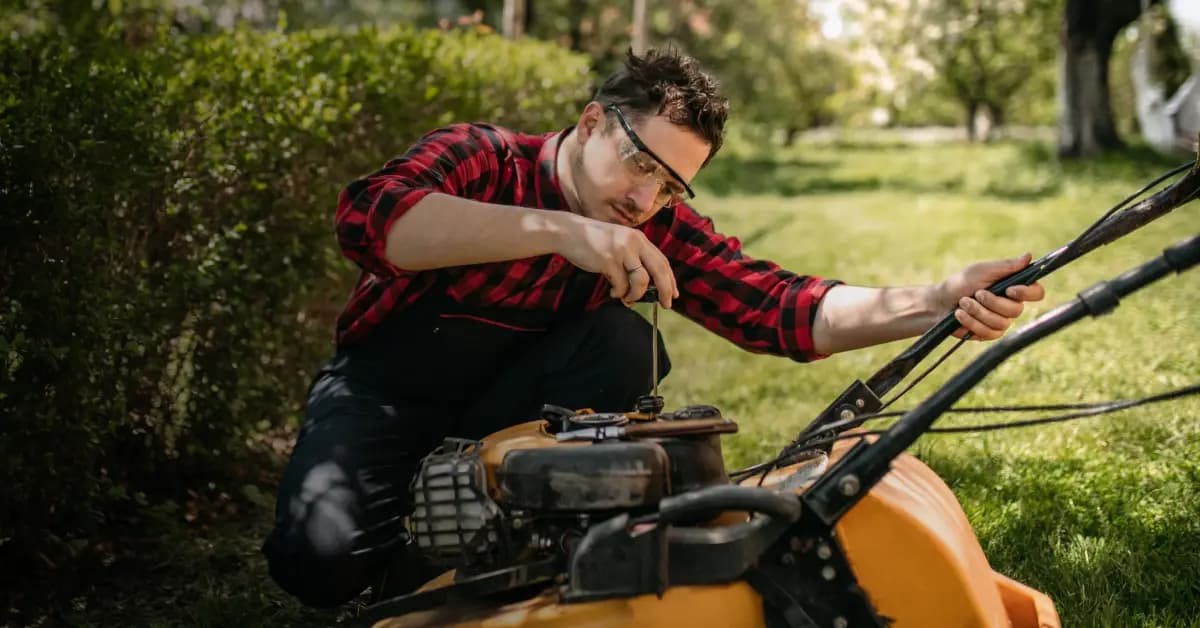
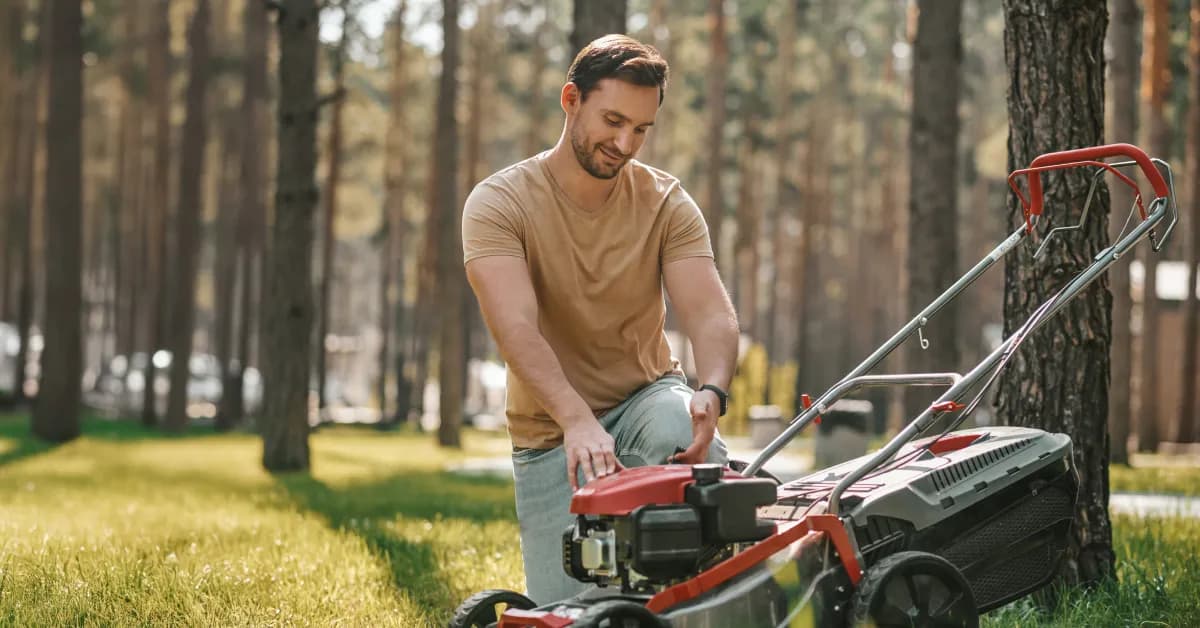
Order Weed Eater Lawn Mower Starter Parts Online
Ensure your Weed Eater lawn mower starts reliably with genuine OEM starter parts from Repair Clinic. Lawn mower starters are required for the efficient ignition of your machine, and replacing faulty parts can prevent delays and ensure smooth operation. Use our model number lookup tool to find the exact starter part you need, and benefit from our same-day shipping, 365-day returns, and Price Match Guarantee. Visit our Lawn Mower Repair Help page for installation guidance or browse our selection of Lawn Mower Starter Parts for more options.
Weed Eater Lawn Mower Model Number: Where to Look
On many Weed Eater lawn mowers, the model number appears on a label or plate on the frame near the fuel tank, beneath the deck, or on the engine housing. Clean away grass and dirt so you can read every letter and digit, and record the complete number before searching. Type it into our model number lookup, and the catalog narrows to parts made for your unit across all categories, not just starter parts. Matching the mower by model helps account for differences between push, self-propelled, electric-start, and recoil-start versions. That means fewer wrong orders and a faster repair.

Step-by-Step Repair Resources for Weed Eater Lawn Mower
Before you order parts for your Weed Eater Lawn Mower, use Repair Clinic's online repair resources to confirm the cause of the problem. Symptom-based articles narrow the failing component, part testing videos show how to verify it, and the model number lookup matches the exact OEM replacement. Step-by-step installation videos walk you through the swap once the part arrives.
Related Articles: Lawn Mower Repair

The 5 Ways You Can Stop Your Lawn Mower From Leaking Gas
Repair Clinic has five ways for you to stop your lawn mower from leaking gas. Before we get to those, let's review how the gasoline you pour into the tank powers the mower.
Why Does My Lawn Mower Battery Keep Dying?
Why does your lawn mower battery keep dying? Repair Clinic has done the research and this article will provide some answers, starting with what a battery's purpose is on a gas-powered lawn mower.
Lawn Mower Maintenance: No Smoking Allowed
What's causing that black smoke to billow out of the engine? There are three likely reasons and they are all related to how a gas-powered lawn mower engine operates.




Family-owned and operated since 1912, Burke America Parts Group is the longest-running genuine appliance, HVAC, and outdoor power equipment parts solution in North America. At Repair Clinic, we're proud to be an international brand trusted by the pros as well as the DIY community.
About Repair Clinic