


 Price Match Guarantee
Weed Eater Parts
- Alternator, Battery & Charger
- Auger
- Axle, Roller, Shaft, Wheel
- Bag
- Bearing
- Belt
- Blade
- Blower Wheel & Fan Blade
- Bracket & Flange
- Cap, Lid & Cover
- Carburetor
- Chain & Bar
- Control Cable
- Deflector & Chute
- Duct & Venting
- Engine
- Fastener
- Filter
- Finished Product
- Fuse, Thermal Fuse & Breaker
- Gasket & Seal
- Handle
- Hinge
- Hose, Tube & Fitting
- Ignition Controls
- Insulation
- Knob, Dial & Button
- Latch
- Manuals, Care Guides & Literature
- Miscellaneous
- Motor
- Muffler
- Panel
- Pedal
- Power Cord
- Pulley
- Pump
- Safety Equipment
- Skid & Shoe
- Spark Plug
- Spindle
- Spring
- Starter
- Steering
- Switch
- Tank & Container
- Tire & Rim
- Tool
- Transmission, Brake & Clutch
- Trim
- Trimmer Head
- Tune-Up Maintenance Kit
- Valve & Float
- Wire, Receptacle & Wire Connector
Find the right part faster
Multiple models matched. Select your model to confirm fit.




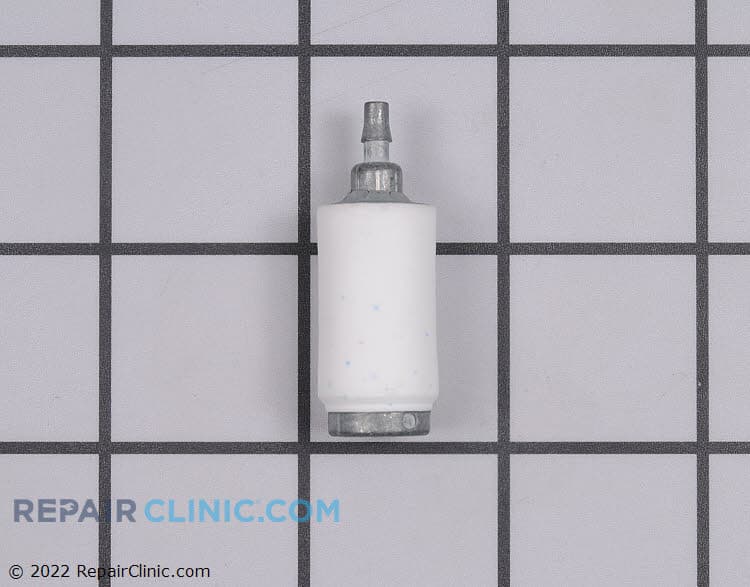
Husqvarna fuel filter. If the fuel filter is clogged, it will restrict the flow of fuel to the carburetor. As a result, the engine may not start.
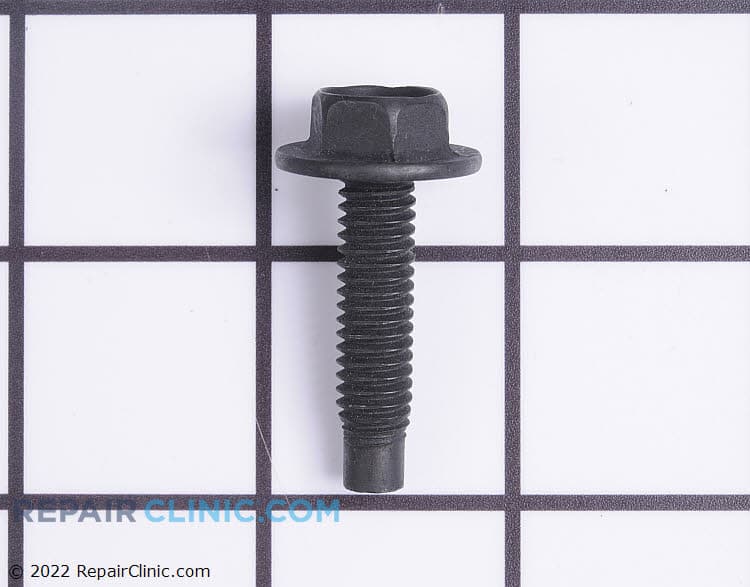
Self-tapping screw. 5/16-18 UNC X 1,25 '' Flanged external hex head.
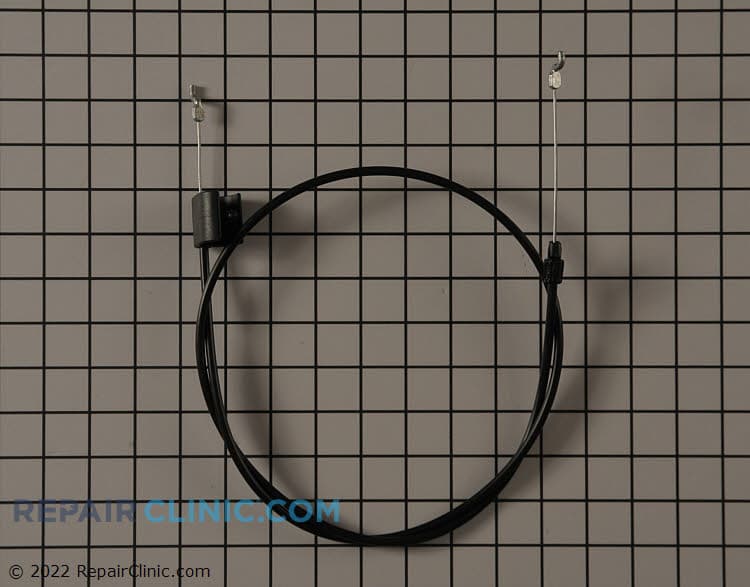
Engine zone control cable
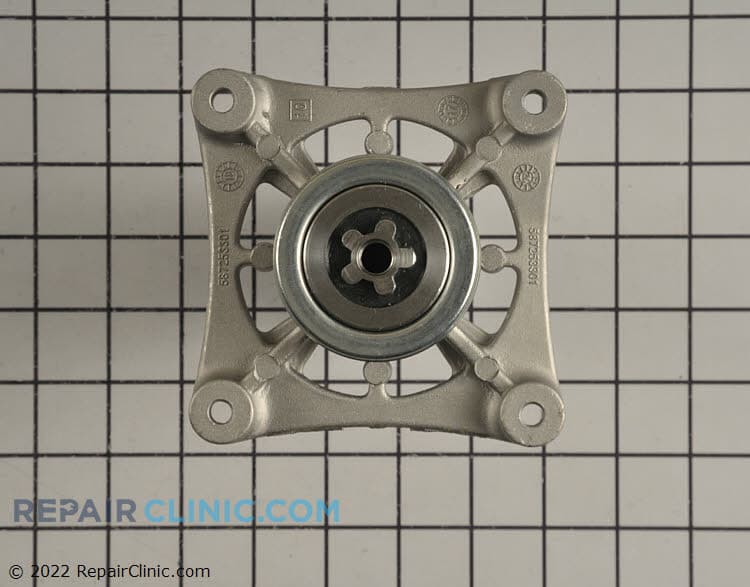
Lawn mower blade spindle assembly. *4 Self tapping screws included. Mounting holes are not threaded see Part Replacement video for thread tapping information
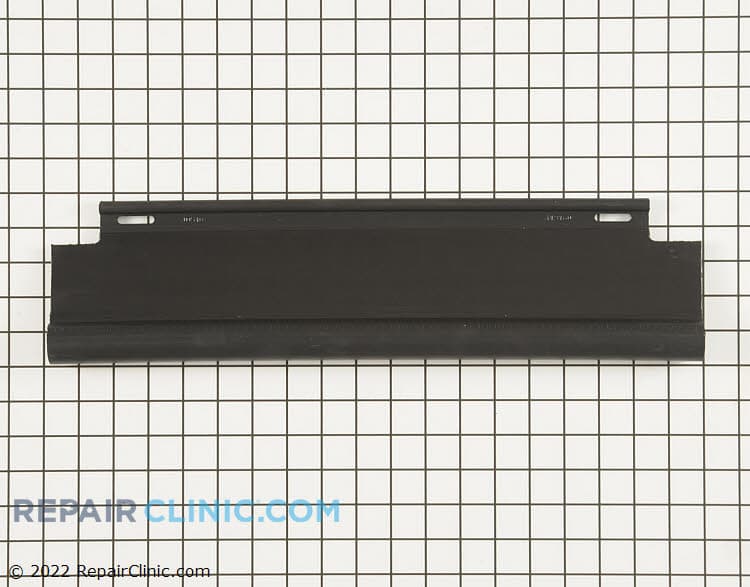
Lawn mower trail shield (or rear skirt).
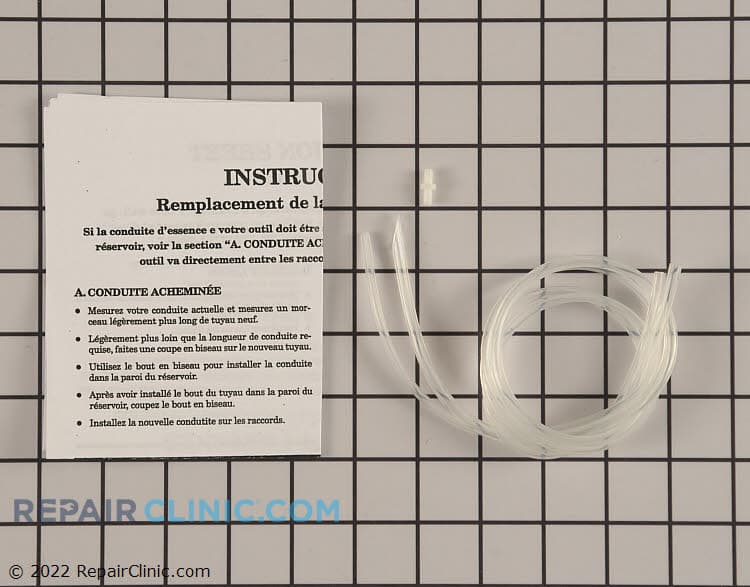
Fuel line kit. Both large & small diameter fuel lines included. The fuel line allows fuel to travel from the fuel tank to the carburetor and from the primer bulb to the fuel system. If the fuel line is leaking, replace it.
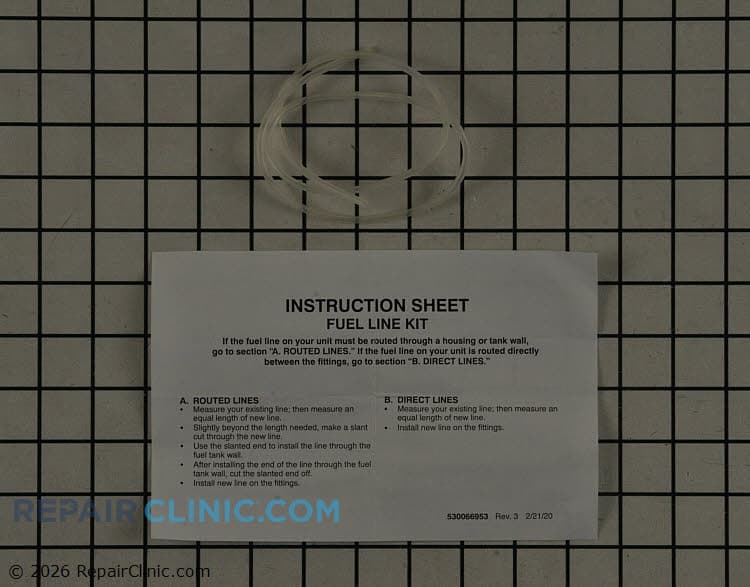
Fuel Line (Small)- 9/64 (.140) inch OD - (.080) inch ID, W/ Installation instructions.

Bag, blower "vac-n-sac"
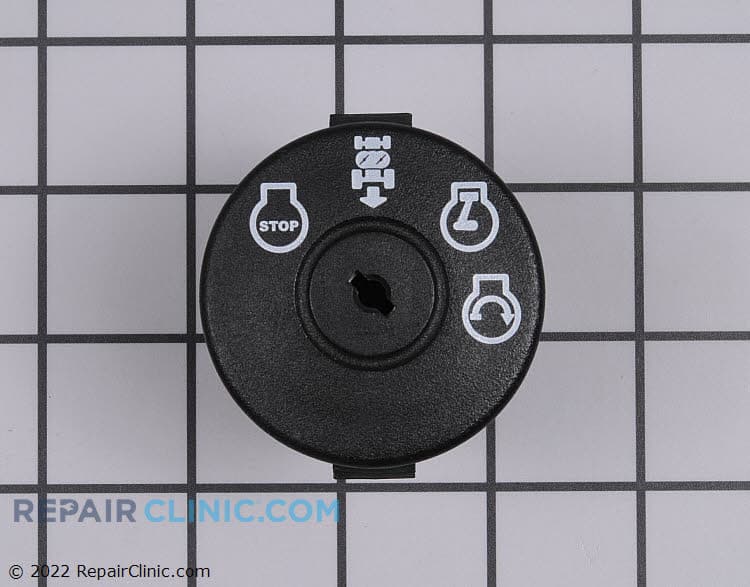
Riding lawn mower ignition switch. If the engine will not start, and the electric starter does not engage the ignition switch could be defective. Key sold seperately.
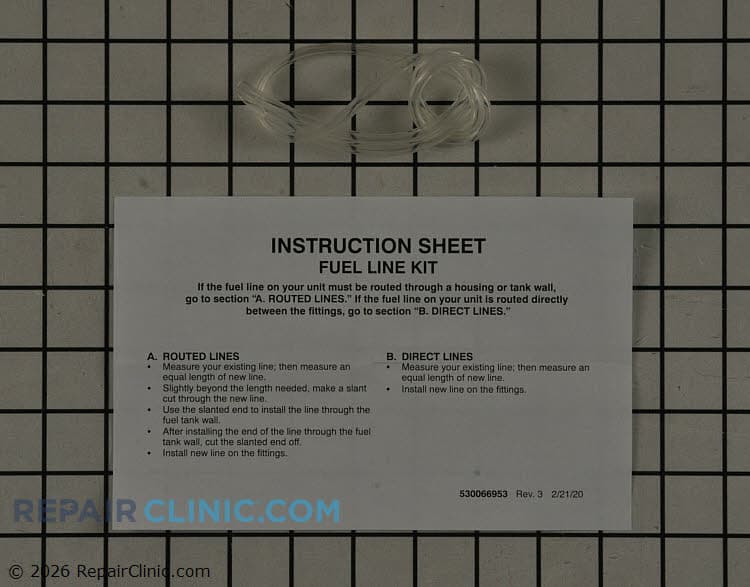
Fuel line (Large). The fuel line allows fuel to travel from the fuel tank to the carburetor and from the primer bulb to the fuel system.
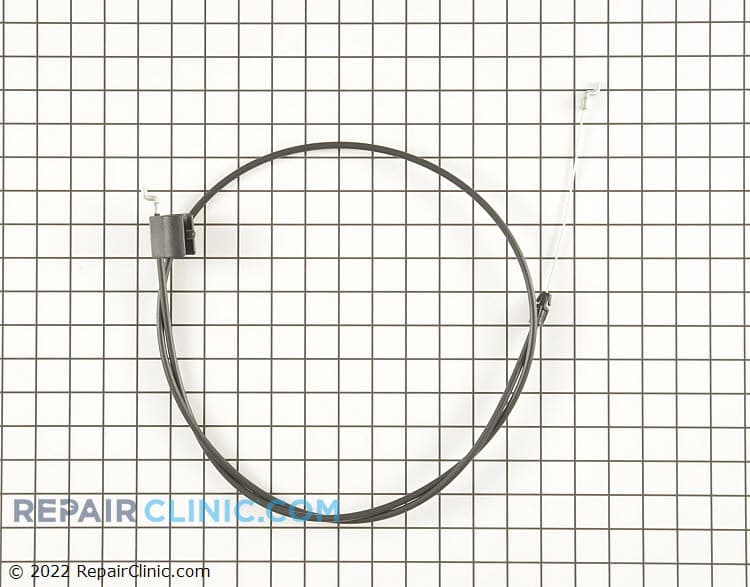
Lawn mower control cable. Engine Zone.
The conduit measures approximately 52.5 inches. The cable measures approximately 61.5 inches.
RC Item #2424197
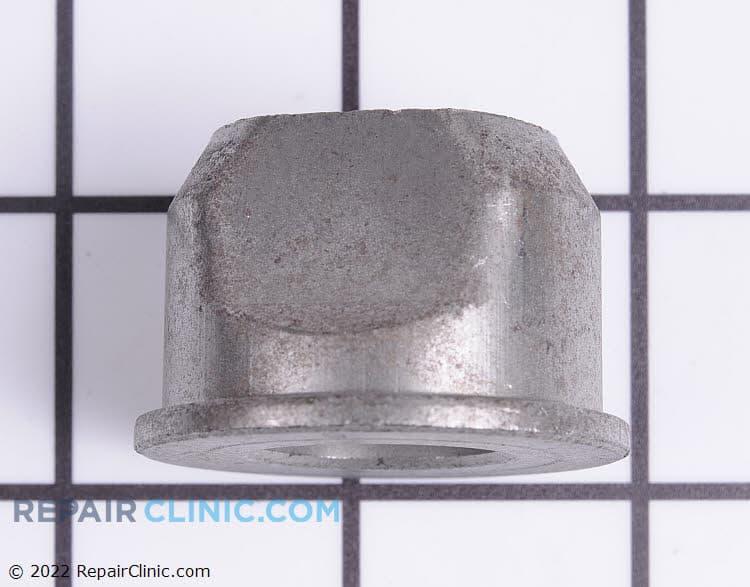
Lawn mower front wheel flange bearing. (2) required for each wheel. It is recomended to replace both at the same time.
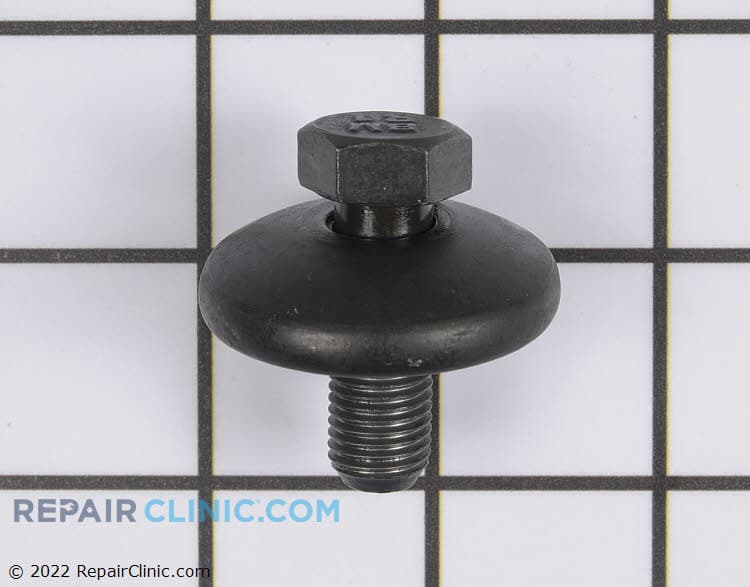
Lawn mower blade retaining bolt with washer.
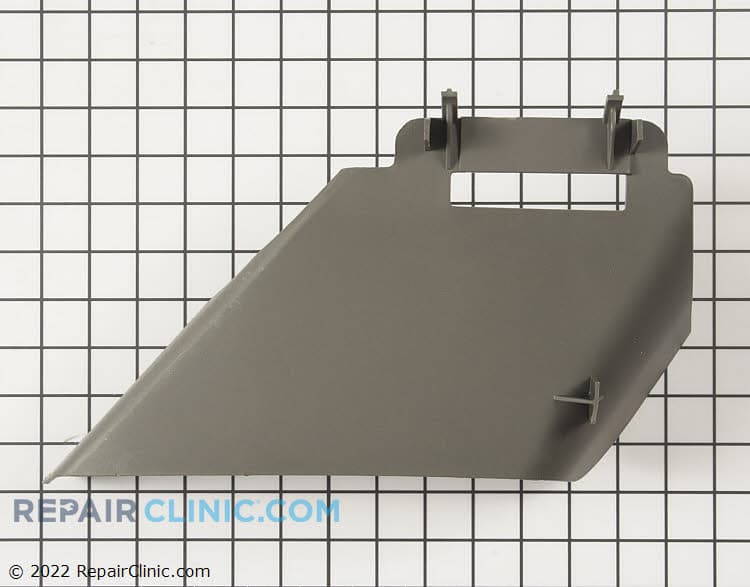
Deflector.clipping.21.push.blk
RC Item #2424188
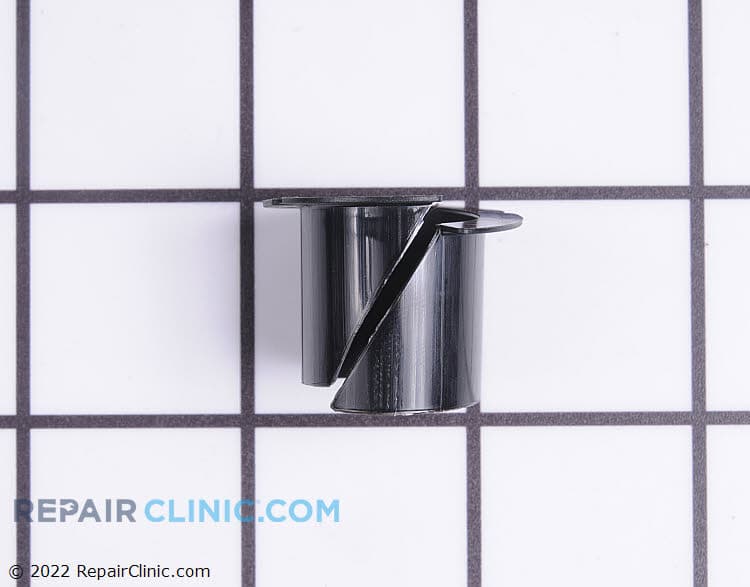
Lawn Mower Flange Bushing. Also called a bearing.


Weed Eater String Trimmer Parts
Weed Eater trimmers are one of the most common gas string trimmers in the field — millions sold through Sears and Walmart over decades. When your Weed Eater won't start, runs rough, or won't feed line, the fix is usually simple and inexpensive. We carry OEM Weed Eater parts for every major series: carburetors, primer bulbs, fuel lines, spark plugs, trimmer heads, recoil starters, and throttle cables.
The most common Weed Eater repairs involve the carburetor (ethanol damage clogs the jets), trimmer head/spool (line won't feed or gets jammed), and fuel system parts (cracked lines, bad primer bulbs). Weed Eater Parts are affordable and easy to replace — most jobs take under an hour with basic tools.
- Carburetor kits: Hard start, runs rich, won't idle; ethanol damage to float, needle, or jets
- Trimmer head / bump head / spool: Line won't feed, gets jammed, or head spins but line doesn't advance
- Fuel line and primer bulb: Cracked fuel line or cracked primer bulb won't draw fuel
- Spark plug: Maintenance item; black/fouled plugs from old fuel
- Recoil starter: Pull cord stuck, won't recoil, or rope is frayed
Popular Weed Eater Models
Related Weed Eater Parts
- Weed Eater Miscellaneous Parts
- Weed Eater Fastener Parts
- Weed Eater Manuals, Care Guides & Literature
- Weed Eater Cap, Lid & Cover Parts
- Weed Eater Gasket & Seal Parts
- Weed Eater Carburetor Parts
- Weed Eater Bracket & Flange Parts
- Weed Eater Axle, Roller, Shaft, Wheel Parts
- Weed Eater Spring Parts
- Weed Eater Hose, Tube & Fitting Parts
- Weed Eater Control Cable Parts
- Weed Eater Handle Parts
- Weed Eater Engine Parts
- Weed Eater Transmission, Brake & Clutch Parts
- Weed Eater Starter Parts
- Weed Eater Trimmer Head Parts
- Weed Eater Bearing Parts
- Weed Eater Filter Parts
- Weed Eater Wire, Receptacle & Wire Connector Parts
- Weed Eater Panel Parts
- Weed Eater Switch Parts
- Weed Eater Knob, Dial & Button Parts
- Weed Eater Pulley Parts
- Weed Eater Blade Parts
- Weed Eater Deflector & Chute Parts
- Weed Eater Muffler Parts
- Weed Eater Motor Parts
- Weed Eater Ignition Controls Parts
- Weed Eater Insulation Parts
- Weed Eater Tool
- Weed Eater Spark Plug Parts
- Weed Eater Bag Parts
- Weed Eater Steering Parts
- Weed Eater Belt Parts
- Weed Eater Latch Parts
- Weed Eater Spindle Parts
- Weed Eater Blower Wheel & Fan Blade Parts
- Weed Eater Duct & Venting Parts
- Weed Eater Safety Equipment
- Weed Eater Tire & Rim Parts
- Weed Eater Alternator, Battery & Charger Parts
- Weed Eater Fuse, Thermal Fuse & Breaker Parts
- Weed Eater Trim Parts
- Weed Eater Tune-Up Maintenance Kit
- Weed Eater Auger Parts
- Weed Eater Chain & Bar Parts
- Weed Eater Finished Product Parts
- Weed Eater Hinge Parts
- Weed Eater Pedal Parts
- Weed Eater Power Cord Parts
- Weed Eater Pump Parts
- Weed Eater Skid & Shoe Parts
- Weed Eater Tank & Container Parts
- Weed Eater Valve & Float Parts
Weed Eater Trimmer FAQ
Why won't my Weed Eater start?
The #1 reason Weed Eater trimmers won't start is a clogged carburetor from stale fuel and ethanol damage. If the trimmer sits more than a month without fuel stabilizer, the carburetor jets get blocked. A carburetor rebuild kit or full replacement carburetor solves this 80% of the time. Second most common: a cracked fuel line or bad primer bulb that won't draw fuel. Check the fuel line for splits and the primer bulb for cracks before ordering parts.
How do I find my Weed Eater model number?
The model number is stamped on the shaft tube or the motor housing, usually near the base of the engine. It looks like a series of digits or alphanumeric code (e.g., WE13A, WT3100, GHT18). Enter your model number into the Repair Clinic search bar and we'll show you the exact parts that fit — carburetors, gasket sets, ignition modules, and all fuel system parts are model-specific.
Why isn't my trimmer head feeding line?
Trimmer head problems are the second most common Weed Eater repair. The spool can jam if line is wound too tight, the bump knob can crack and stop advancing line, or the head itself can break. OEM Weed Eater trimmer heads are inexpensive and swap in quickly — measure your head diameter (usually 0.080" or 0.095" line size) and order the exact head for your model. Don't use universal heads if you can avoid it.
What's the difference between a carburetor kit and a full carburetor?
A carburetor kit includes the gasket, diaphragm, needle, float, and all internal parts — it rebuilds your existing carb. A full carburetor replacement is a complete new unit. For Weed Eater trimmers, a kit is usually sufficient unless the main body is cracked or the threads are stripped. Kits are also cheaper. If the kit doesn't solve the starting issue, move to a full carburetor replacement.
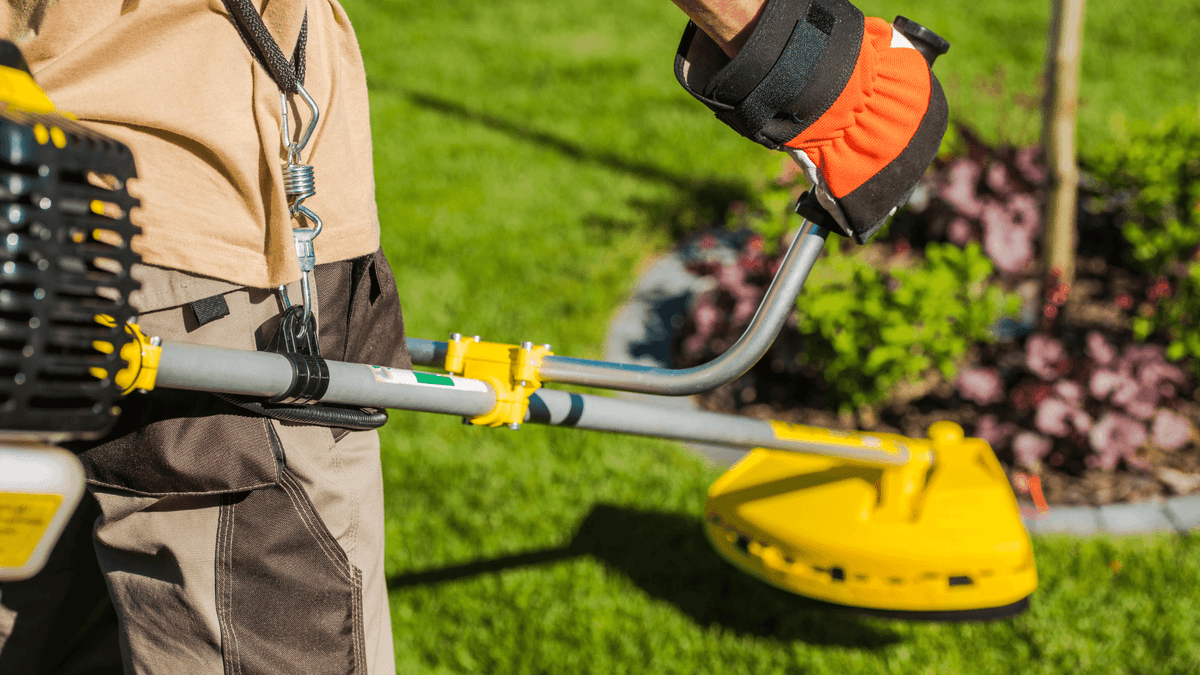
Order Weed Eater Replacement Parts Online
Ordering Weed Eater replacement parts online with Repair Clinic is quick and easy. Whether you're looking for Weed Eater trimmer parts, gas Weed Eater parts, or Weed Eater motor parts, simply enter your Weed Eater model number or part number into the search bar to find the exact parts you need.
We offer a No-Hassle 365-Day Returns policy, allowing you to return uninstalled parts within a year of purchase if they don't fit or meet your needs. With our Price Match Guarantee, you can be confident that you're getting the best price on genuine Weed Eater replacement parts.
Need your parts quickly? We offer same-day shipping on orders placed by 9:00 PM ET, so you can get your Weed Eater parts fast and get back to work. Whether you're a homeowner performing DIY repairs or a professional technician, our extensive Repair Clinic's online repair resources include videos, symptom articles, and step-by-step guides to help you complete the repair.
Weed Eater String Trimmer Model Number: Where to Look
On Weed Eater string trimmers, look for the model number on the shaft tube or motor housing, typically near the base of the engine. Check the equipment label carefully since the model code may appear alongside the serial number and other specifications. Once you have it, enter the number in Repair Clinic's model lookup to narrow the complete catalog to parts made for your specific trimmer, including engine, fuel-system, ignition, starting, and cutting parts. Matching the model before you shop saves time and helps you avoid ordering parts based on appearance alone. You will have a faster, more accurate path to the correct repair.

Do-It-Yourself Repair Resources for Weed Eater
Repair Clinic's online repair library gives DIYers and professional technicians the same reference material for Weed Eater work. Start with a common-symptom article to narrow the cause, watch the matching part testing video, then follow the step-by-step written or video repair guide during the installation. Use the model number lookup to confirm the exact OEM part, and wiring diagrams and exploded-view illustrations are on hand for the more complex jobs.
Related Articles: Washing Machine Parts
What Causes A Washing Machine To Stop Working?
What causes a washing machine to stop working? Learn common issues like power failures, faulty lid switches, broken drive belts, and more with troubleshooting tips from Repair Clinic.

Why Won't My Washing Machine Start?
Wondering why your washing machine won't start? Learn common causes like power issues, faulty lid switches, broken timers, and more with expert troubleshooting from Repair Clinic.
What Causes a Washing Machine To Not Spin or Drain?
Is your washing machine not spinning or draining? Learn about common issues like clogged drain pumps, faulty lid switches, and worn drive belts, plus expert repair tips from Repair Clinic.




Family-owned and operated since 1912, Burke America Parts Group is the longest-running genuine appliance, HVAC, and outdoor power equipment parts solution in North America. At Repair Clinic, we're proud to be an international brand trusted by the pros as well as the DIY community.
About Repair Clinic