


 Price Match Guarantee
Weed Eater Lawn Mower Tire & Rim Parts
Find the right part faster
Multiple models matched. Select your model to confirm fit.


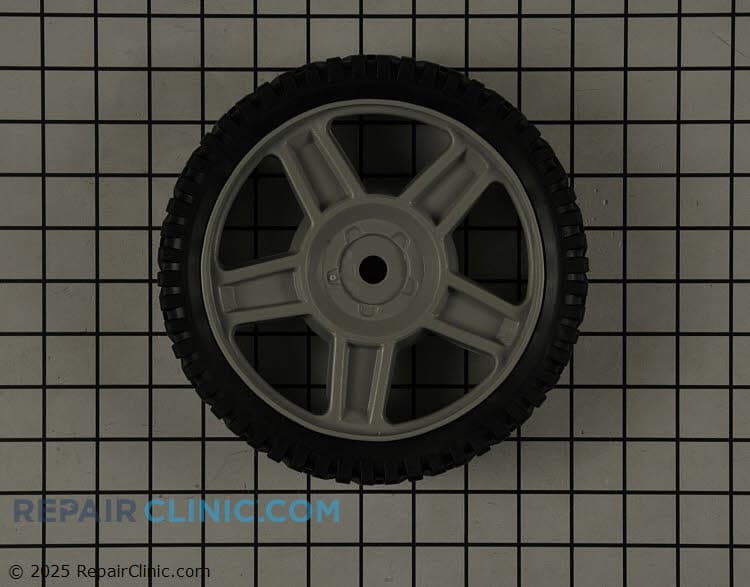
Wheel.8x1.75.rad3.5spk (2 2)
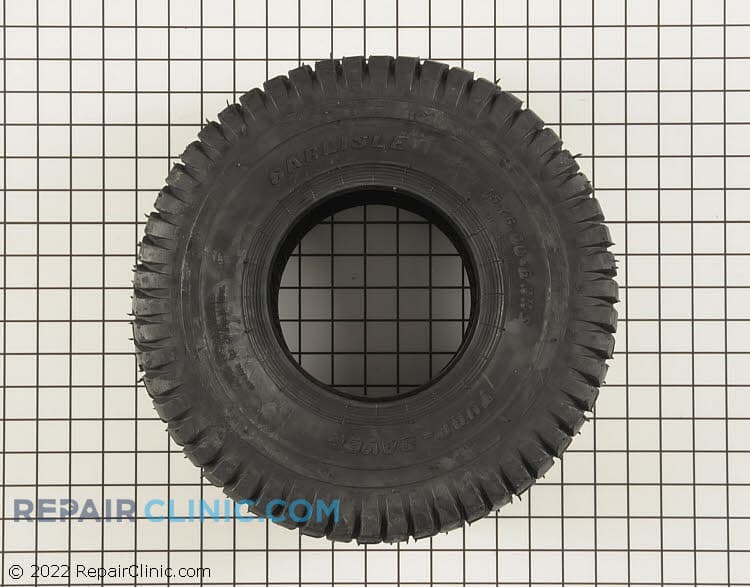
Front Tire, 15 X 6 X 6

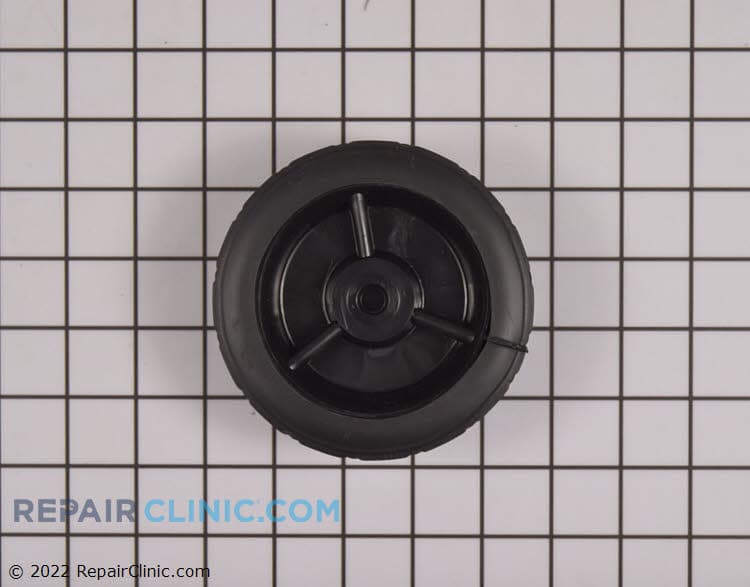
Wheel-4""(front)(ru


OEM Weed Eater Lawn Mower Tires, Rims & Wheel Assemblies
Worn or flat tires kill your mowing performance and make self-propelled Weed Eaters impossible to push. Repair Clinic stocks genuine OEM tire-and-rim combos, individual replacement tires, rim assemblies, and wheel bearings engineered for Weed Eater's walk-behind and riding mower platforms. Proper tire pressure and tread ensure even cutting height, smooth operator control, and safe traction on slopes.
Whether you're dealing with punctures, dry rot, or worn-down treads, upgrade to genuine Weed Eater lawn mower tire and rim parts and restore balanced, easy mowing every time.
- Tire-and-rim assemblies — flat spots, cracks, or punctures in sidewalls
- Replacement tires — bald tread, dry rot, or uneven wear patterns
- Rims & hubs — bent, cracked, or rusted wheels prevent smooth rolling
- Wheel bearings & spacers — wheels wobble, rattle, or lock up
- Tire valve stems — slow leaks or air won't hold after inflation
Find Replacement Weed Eater Lawn Mower Tire & Rim Parts Online by Model or Part Number
Popular Weed Eater Lawn Mower Models
Weed Eater Lawn Mower Tire & Rim Parts: Frequently Asked Questions
What's the right tire pressure for my Weed Eater mower?
Check the sidewall of your tire or the owner's manual for the correct PSI—typically 8–14 PSI for walk-behind mowers and 10–18 PSI for riders, depending on load and terrain. Underinflated tires cause uneven cutting height and make push mowers harder to control. Overinflated tires reduce traction and comfort. Maintain pressure every month during mowing season to ensure even blade engagement and operator safety.
Can I repair a punctured tire, or do I need a full replacement?
Small punctures in the tread can sometimes be patched, but sidewall damage, cracks, or bald spots mean the tire must be replaced. Weed Eater tires are affordable and come pre-mounted on rims for easy installation. A patched tire may hold temporarily, but it's weaker and risks blowout during mowing, especially on uneven ground.
How do I know if my rim is bent or damaged?
A wobbly or vibrating wheel, uneven cutting height, or difficulty steering are signs of rim damage. Spin the wheel by hand and watch for lateral runout—any side-to-side movement means the rim is bent. Bent rims can't be straightened safely on walk-behind mowers; replace the entire wheel assembly with OEM Weed Eater parts for correct alignment and balance.
Do I need to replace both front and rear tires at the same time?
Not necessarily, but if both show significant wear, replacing them together ensures even cutting height and balanced traction. If only one tire is damaged, you can replace that one. However, if your mower has been used heavily, replacing all four tires during one maintenance cycle saves time and ensures consistent performance across the deck.


Order Weed Eater Lawn Mower Tire & Rim Parts Online
Support the performance of your Weed Eater Lawn Mower with high-quality tire and rim parts from Repair Clinic. Replacing lawn mower tires and rims is key for maintaining stability and control on various terrains. Use our model number lookup to find the correct tire and rim parts for your Weed Eater mower. Benefit from same-day shipping, No-Hassle 365-Day Returns, and our Price Match Guarantee for a reliable shopping experience. Need guidance? Visit our Lawn Mower Repair Help page or browse other Lawn Mower Wheel Parts for more support.
Weed Eater Lawn Mower Model Number: Where to Look
On Weed Eater lawn mowers, look for the model number on a label attached to the engine housing, mower deck, or frame near the blade deck. Riding models may also list it under the seat or on the rear fender. The label can include several numbers, so choose the one identified as the model number, not the serial number or engine code. Enter it in the model number search to pull up the parts matched to your unit. This filters the full Weed Eater lawn mower parts catalog, including tires, rims, wheels, and other parts, to your exact model. That means fewer wrong orders and a faster repair.

Get Your Weed Eater Lawn Mower Working Again with Online Repair Help
Repair Clinic's online repair resources give you a clear path to fix your Weed Eater Lawn Mower without a service call. Symptom articles help identify the likely cause, part testing videos confirm the failed component, and step-by-step repair guides walk you through the installation with photos and video. Look up your model number to match the correct OEM part on the first try.
Related Articles: Lawn Mower Repair

The 5 Ways You Can Stop Your Lawn Mower From Leaking Gas
Repair Clinic has five ways for you to stop your lawn mower from leaking gas. Before we get to those, let's review how the gasoline you pour into the tank powers the mower.
Why Does My Lawn Mower Battery Keep Dying?
Why does your lawn mower battery keep dying? Repair Clinic has done the research and this article will provide some answers, starting with what a battery's purpose is on a gas-powered lawn mower.
Lawn Mower Maintenance: No Smoking Allowed
What's causing that black smoke to billow out of the engine? There are three likely reasons and they are all related to how a gas-powered lawn mower engine operates.




Family-owned and operated since 1912, Burke America Parts Group is the longest-running genuine appliance, HVAC, and outdoor power equipment parts solution in North America. At Repair Clinic, we're proud to be an international brand trusted by the pros as well as the DIY community.
About Repair Clinic