


 Price Match Guarantee
Mantis Tiller Ignition Controls Parts
Find the right part faster
Multiple models matched. Select your model to confirm fit.




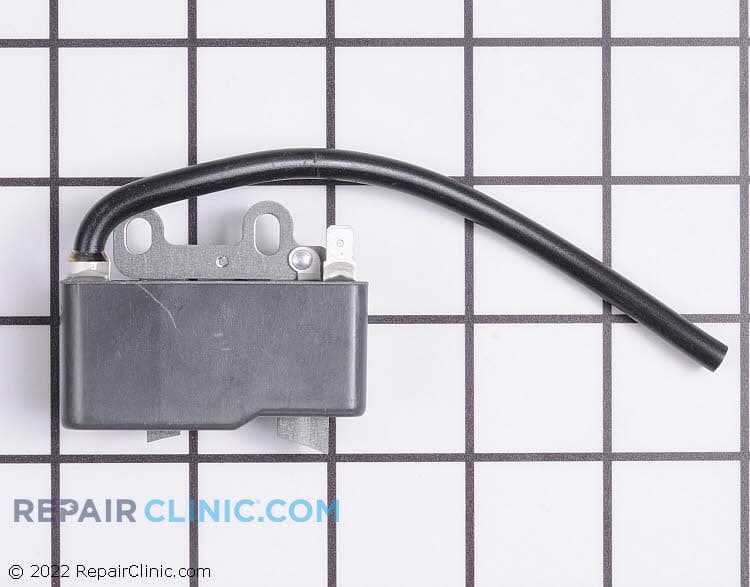
Ignition coil

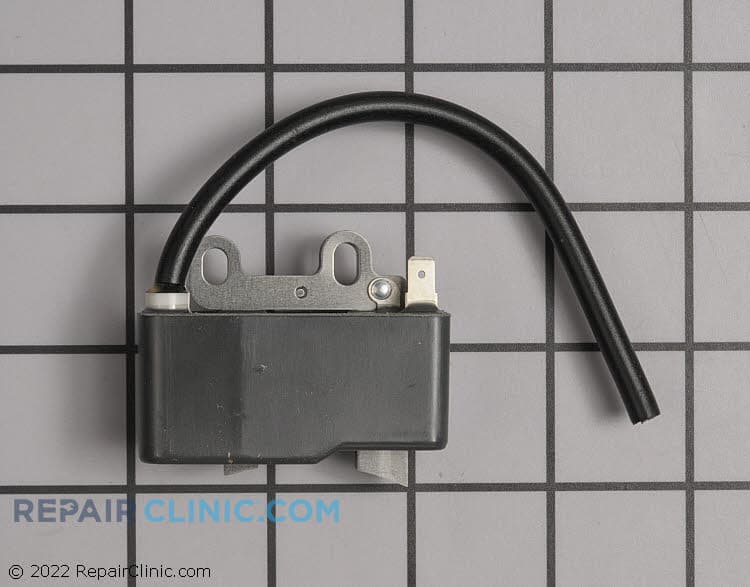
Ignition coil
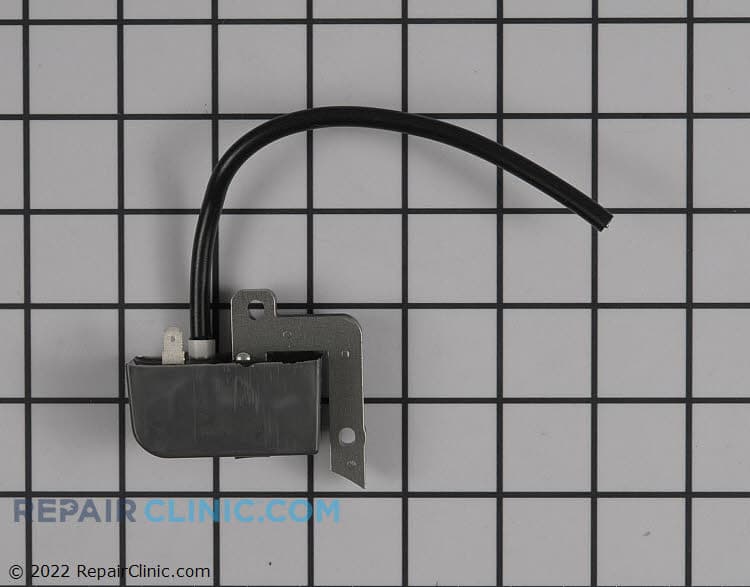
Ignition coil


Mantis Tiller Ignition Controls & Spark Plugs
Mantis tillers are built light and nimble for garden beds and compact spaces — but they still rely on a spark to turn over. Ignition controls and spark plugs are maintenance essentials that keep your Mantis reliable season to season. When your tiller won't start or runs rough, the ignition system is usually the first place to look.
Hard starts, weak spark, or no spark at all often trace back to a failed spark plug, a cracked ignition coil, or corrosion in the ignition module. OEM Mantis ignition parts ensure the exact heat range and resistance your engine needs. Aftermarket plugs can lead to misfires and fuel waste.
- Spark plugs: Won't fire or fouled after sitting; correct heat range critical for engine size
- Ignition coils: No spark or weak spark; test with ohmmeter before replacing
- Ignition modules: Electronic control failure; often paired with a new coil for best results
- Plug wires/boots: Cracked insulation; arcing or no spark at the plug
- Fuel lines and primer bulbs: Cracked fuel delivery prevents carburetor filling, which looks like an ignition problem
Enter your Mantis tiller model number to find the exact OEM spark plug and ignition controls — browse Mantis ignition and spark plug parts by year and engine type, then get same-day shipping on the parts you need.
Find Replacement Mantis Tiller Ignition Controls Parts Online by Model or Part Number
Popular Mantis Tiller Models
Related Mantis Tiller Ignition Controls Parts
Mantis Tiller Ignition & Spark Plug FAQs
Why won't my Mantis tiller start even though it has fuel and spark?
If your Mantis has fresh fuel and you see a spark at the plug, look beyond ignition. Check the carburetor for ethanol varnish (very common after winter storage), inspect the fuel line for cracks or blockages, and confirm the primer bulb is drawing fuel. If carburetor cleaning doesn't help, a bad fuel valve or intake blockage may be the culprit. Ignition is only one part of the start equation.
What's the difference between a Mantis spark plug and a standard universal plug?
Mantis tillers use specific heat ranges based on engine size and fuel mixture. A plug that's too cold won't fire in a small, high-RPM engine; one that's too hot will foul quickly. Using the OEM-recommended Champion or NGK plug type ensures the exact resistance and gap your Mantis needs. Aftermarket universal plugs are a gamble — OEM is always safer.
How do I test a Mantis ignition coil before I buy a replacement?
An ohmmeter test on the coil windings tells you if it's open or shorted. Most Mantis coils should read between 0.2 and 5 ohms (primary side) and 5,000 to 10,000 ohms (secondary side) — check your manual for exact specs. If the reading is zero or infinity, the coil is dead. Many shops test first before replacing to avoid unnecessary costs.
Can a bad ignition module cause my Mantis to shut off while tilling?
Yes. If the ignition module (CDI box) fails under load or heat, the spark cuts out and the engine dies. This is especially true on older Mantis models with electronic modules. You may see symptoms like intermittent starting, sputtering under load, or sudden shutdowns. Replace the module (and often the coil with it) using OEM parts that match your engine version exactly.
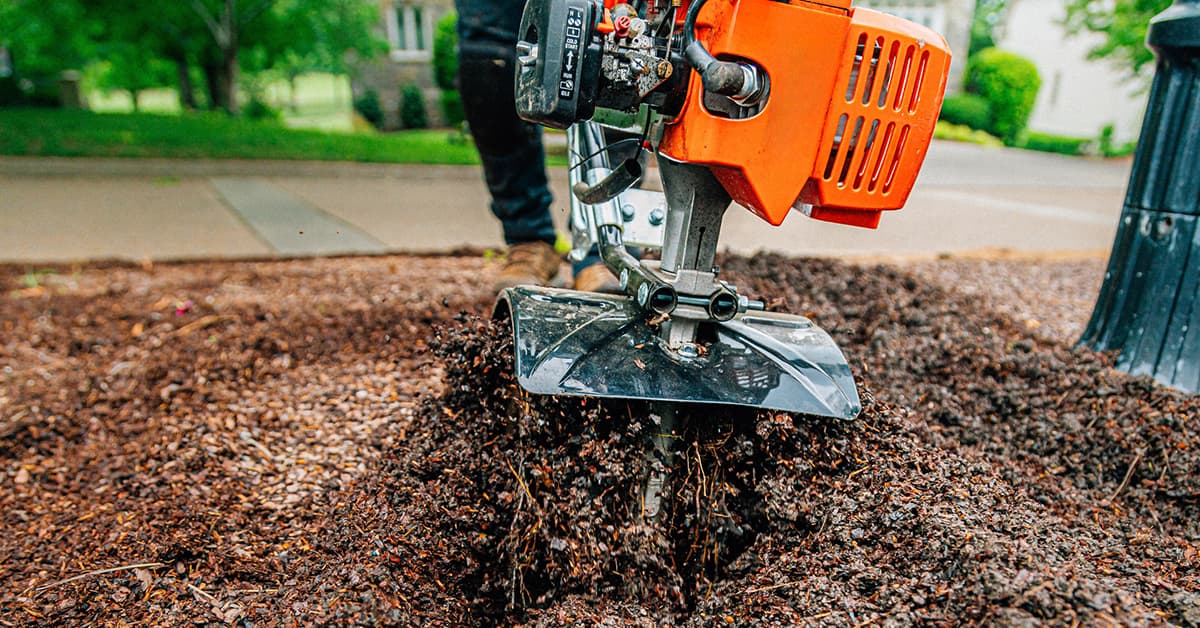
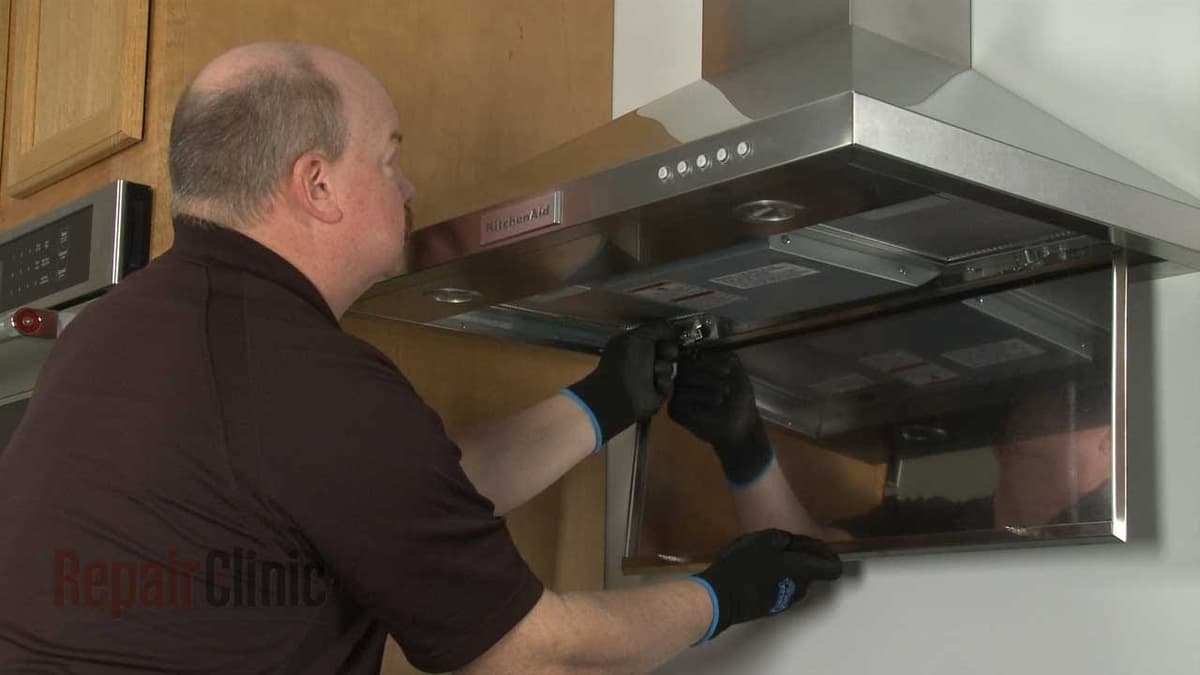
Order Mantis Tiller Ignition Controls Replacement Online
Keep your Mantis tiller running efficiently by replacing a faulty ignition controls promptly. With same-day shipping on most in-stock items, you'll have your replacement part fast, minimizing downtime. Our model/part number lookup finds the exact OEM part for your unit, and every order is backed by our 365-day return policy and price-match guarantee. If your Mantis tiller ignition controls is failing — showing symptoms like reduced performance, unusual noise, or complete non-operation — replacement is typically the fastest fix. Browse our full library of Mantis repair resources for troubleshooting guides and installation videos.
Mantis Tiller Model Number: Where to Look
On Mantis tillers, check for a model label near the recoil starter, on the engine housing, or along the frame. The number may appear on a decal or metal plate, so clean away dirt and read every letter, number, slash, or dash carefully. Enter the complete model number in the model number search, and the catalog narrows to parts made for your unit, including ignition, fuel, cutting, and maintenance parts. Matching the model before you order helps account for differences between engine versions and production years. It is the quickest way to be sure the part fits before you order.

Online Diagnostic and Repair Help for Mantis Tiller
Repair Clinic's online resources cover Mantis Tiller diagnostic work, part testing, and installation in one place. Symptom articles help you understand what is likely going wrong, video walkthroughs show the disassembly and reassembly, and step-by-step written repair guides let you follow along in your own time. Use the model number lookup to confirm the exact OEM part, and wiring diagrams support the more involved jobs.
Related Articles: Small Engine Parts





Family-owned and operated since 1912, Burke America Parts Group is the longest-running genuine appliance, HVAC, and outdoor power equipment parts solution in North America. At Repair Clinic, we're proud to be an international brand trusted by the pros as well as the DIY community.
About Repair Clinic