


 Price Match Guarantee
Snapper String Trimmer Parts
- Alternator, Battery & Charger
- Axle, Roller, Shaft, Wheel
- Bearing
- Belt
- Blade
- Bracket & Flange
- Cap, Lid & Cover
- Carburetor
- Control Cable
- Engine
- Fastener
- Filter
- Gasket & Seal
- Handle
- Hose, Tube & Fitting
- Ignition Controls
- Knob, Dial & Button
- Latch
- Lubricant
- Manuals, Care Guides & Literature
- Miscellaneous
- Motor
- Muffler
- Oil Plug
- Panel
- Pedal
- Pulley
- Safety Equipment
- Spark Plug
- Spring
- Starter
- Steering
- Switch
- Tank & Container
- Tool
- Transmission, Brake & Clutch
- Trimmer Head
- Tune-Up Maintenance Kit
- Wire, Receptacle & Wire Connector
Find the right part faster
Multiple models matched. Select your model to confirm fit.





Tecumseh carburetor repair kit. If the carburetor is clogged, the engine won't get enough fuel. As a result, the engine may not start or may run poorly.
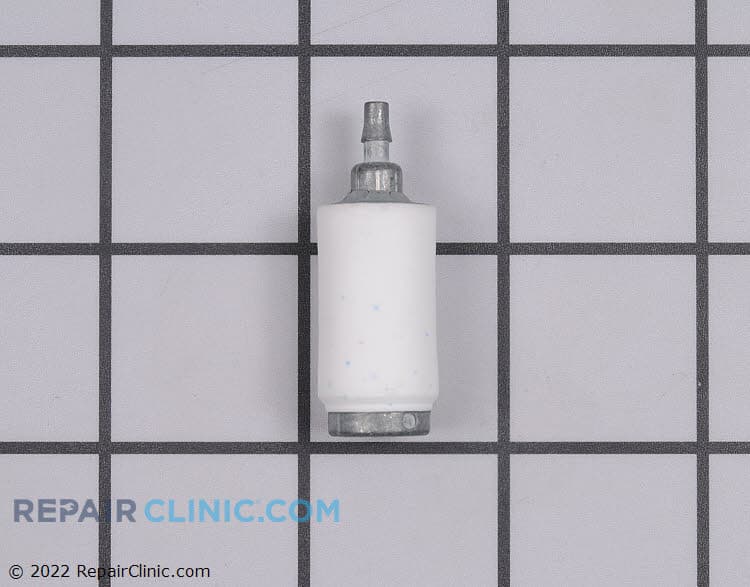
Husqvarna fuel filter. If the fuel filter is clogged, it will restrict the flow of fuel to the carburetor. As a result, the engine may not start.

Tecumseh carburetor bowl gasket. If this gasket is torn or damaged, the engine may run rough. Be sure to clean the surfaces around the carburetor gasket before installing it.
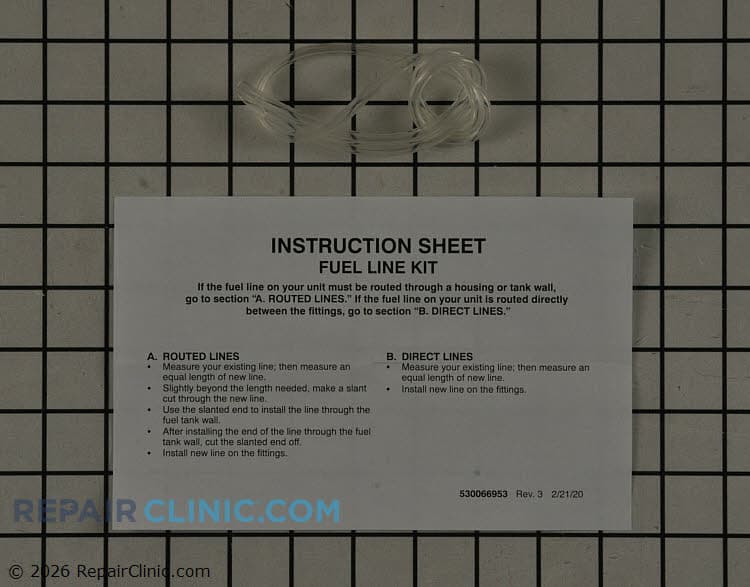
Fuel line (Large). The fuel line allows fuel to travel from the fuel tank to the carburetor and from the primer bulb to the fuel system.
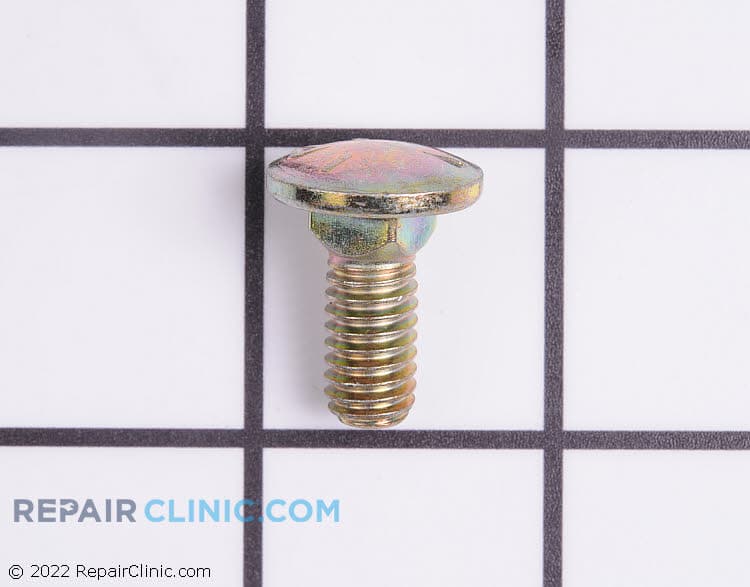
Carriage Bolt: 5/16-18 x .750"
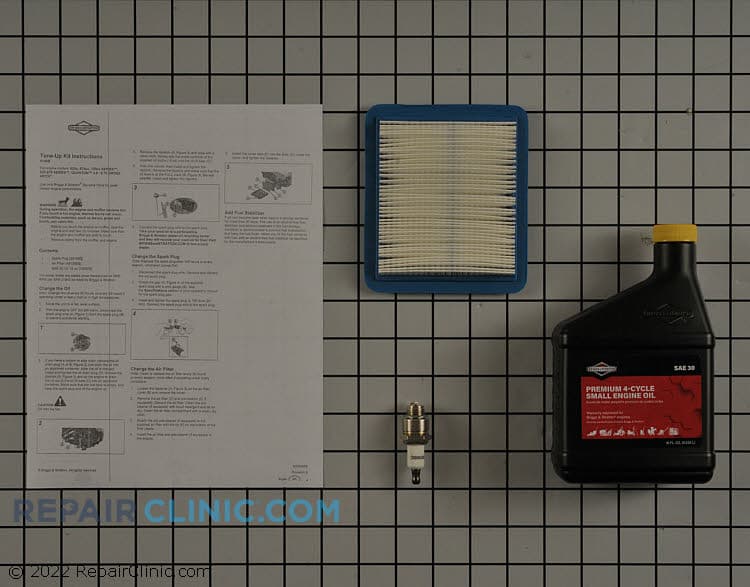
This Briggs & Stratton Genuine Tune-Up Kit Includes
1 Bottle Of Oil (100005)
1 Air Filter (491588S)
1 Spark Plug (591868)
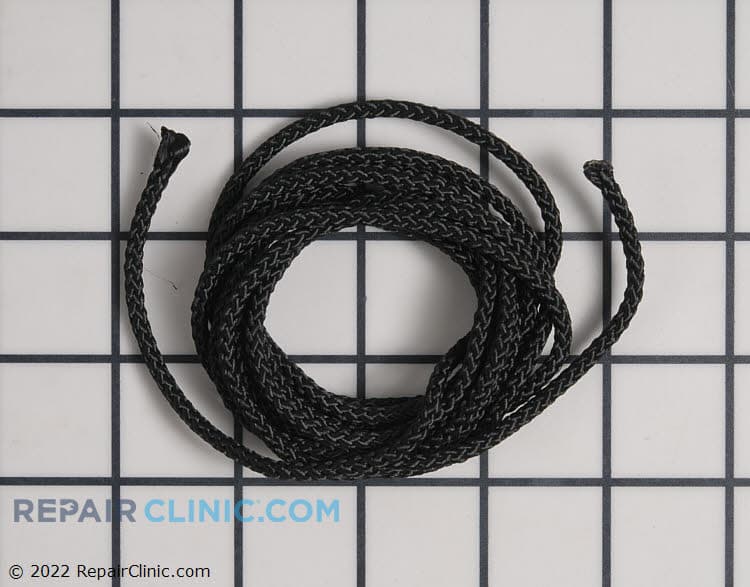
Starter rope
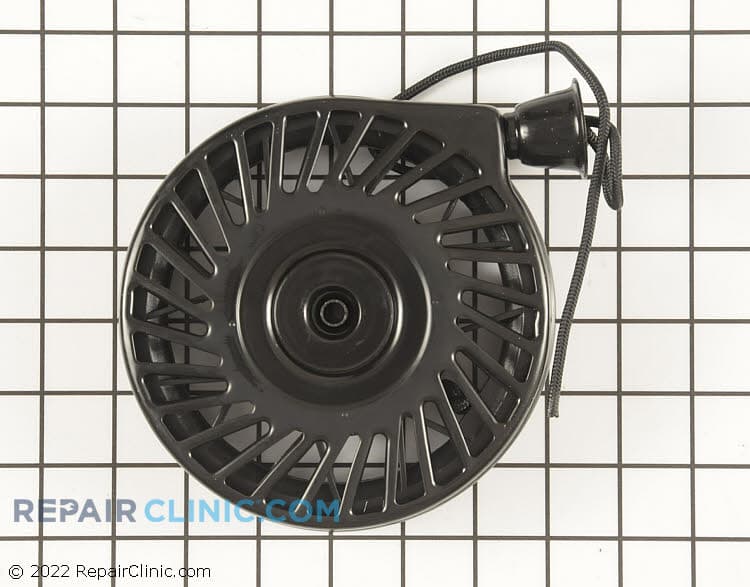
Recoil starter assembly

Valve spring retainer
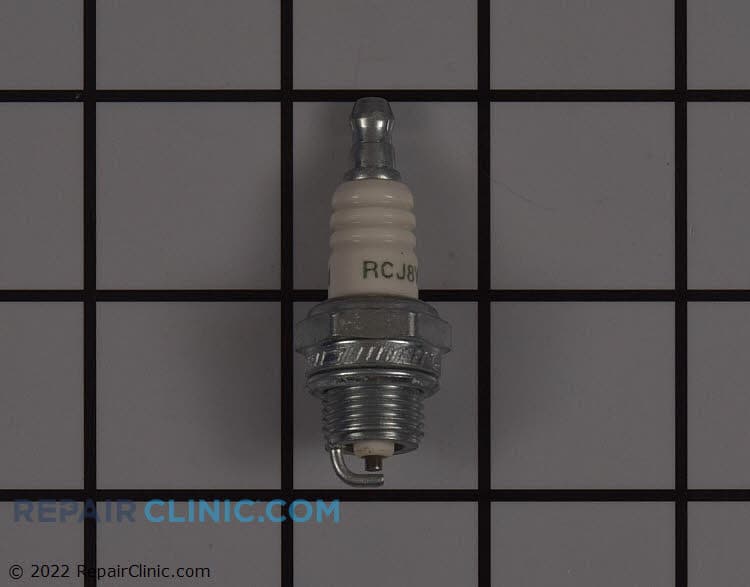
Champion Spark Plug (RCJ8Y). The spark plug ignites the fuel and air mixture in the cylinder to power the engine. If the spark plug is burnt, fouled or damaged the engine may not start or may run rough.
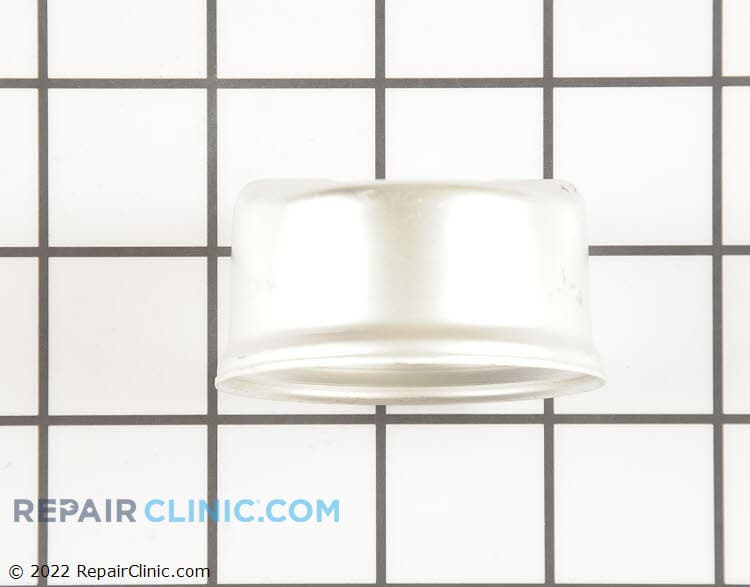
Small engine carburetor float bowl.
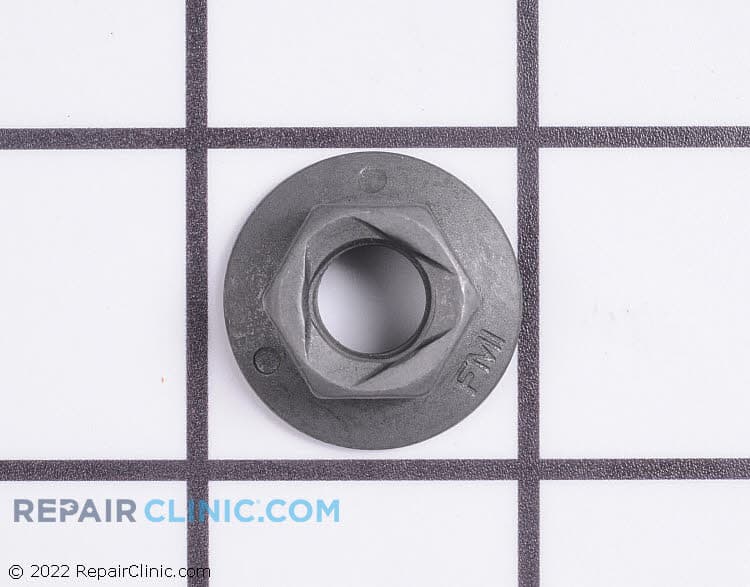
Nut hex flange
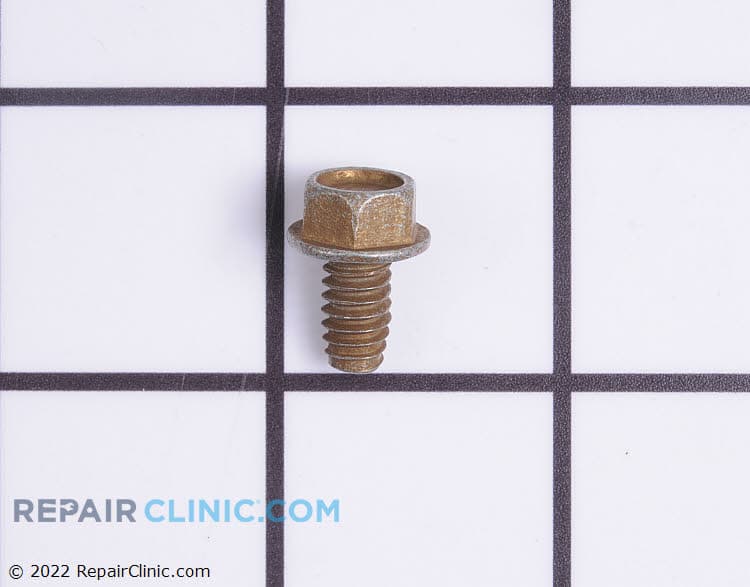
Screw, 1/4-20 x .5
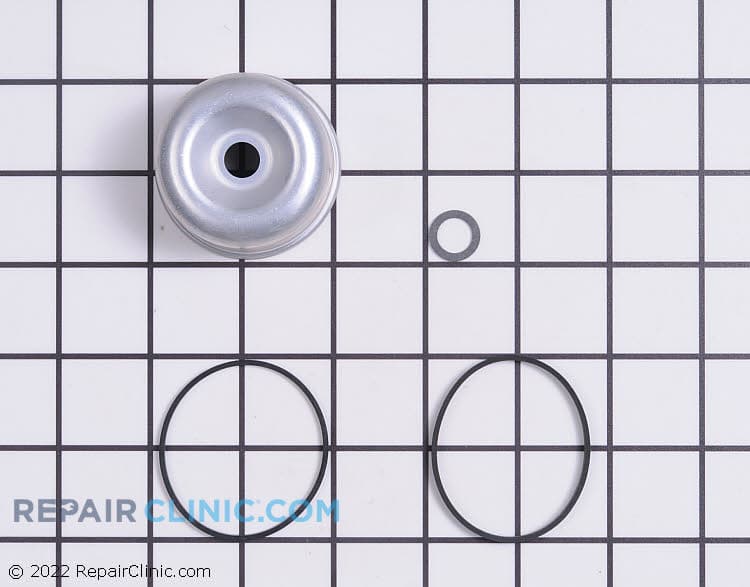
Carburetor float bowl kit
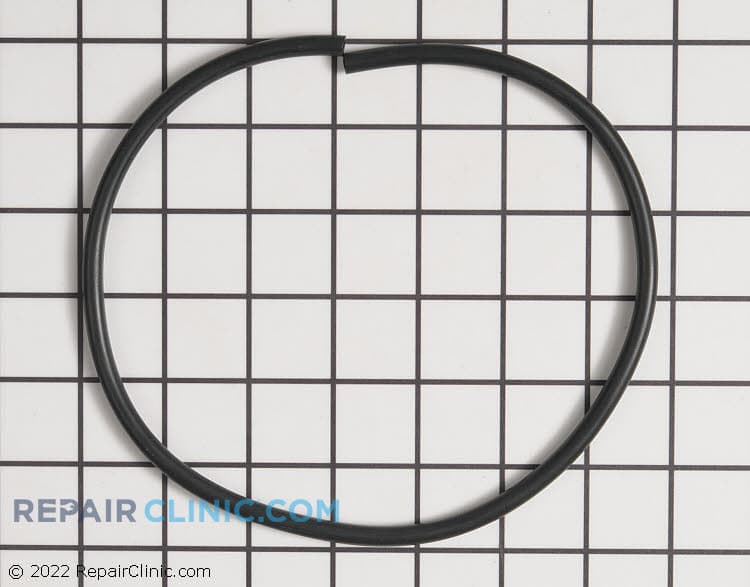
Primer line, length 18"


Snapper String Trimmer Parts
Snapper string trimmers are built tough for reliable yard work, but like any gas-powered equipment, they need maintenance and occasional repair. The carburetor is the #1 failure point — ethanol in modern fuel gums up the jets and needle, leaving you with hard starts or a trimmer that won't run at all. A carburetor rebuild kit often solves the problem without a full replacement.
When your Snapper trimmer won't start or runs rough, check the basics first: spark plug, air filter, and fuel line. If the engine turns over but won't catch, the carb is next. Recoil starters also wear out, and trimmer heads jam when the line spool gets wound too tight. We stock genuine Snapper parts and cross-compatible parts so you get the right fit every time.
- Carburetor and carb kits: hard start, runs lean/rich, stalls under load
- Recoil starter assemblies: pull cord stuck, won't recoil, engine won't turn
- Trimmer heads and spools: line jams, won't feed, head cracks
- Spark plugs: fouled from old fuel, weak spark, won't ignite
- Fuel lines and primer bulbs: cracked from ethanol damage, won't draw fuel
Find Replacement Snapper String Trimmer Parts Online by Model or Part Number
Popular Snapper String Trimmer Models
Related Snapper String Trimmer Parts
- Snapper String Trimmer Miscellaneous Parts
- Snapper String Trimmer Fastener Parts
- Snapper String Trimmer Gasket & Seal Parts
- Snapper String Trimmer Bearing Parts
- Snapper String Trimmer Spring Parts
- Snapper String Trimmer Cap, Lid & Cover Parts
- Snapper String Trimmer Carburetor Parts
- Snapper String Trimmer Engine Parts
- Snapper String Trimmer Filter Parts
- Snapper String Trimmer Hose, Tube & Fitting Parts
- Snapper String Trimmer Starter Parts
- Snapper String Trimmer Transmission, Brake & Clutch Parts
- Snapper String Trimmer Alternator, Battery & Charger Parts
- Snapper String Trimmer Bracket & Flange Parts
- Snapper String Trimmer Handle Parts
- Snapper String Trimmer Switch Parts
- Snapper String Trimmer Knob, Dial & Button Parts
- Snapper String Trimmer Panel Parts
- Snapper String Trimmer Control Cable Parts
- Snapper String Trimmer Lubricant
- Snapper String Trimmer Spark Plug Parts
- Snapper String Trimmer Tool
- Snapper String Trimmer Trimmer Head Parts
- Snapper String Trimmer Axle, Roller, Shaft, Wheel Parts
- Snapper String Trimmer Blade Parts
- Snapper String Trimmer Manuals, Care Guides & Literature
- Snapper String Trimmer Muffler Parts
- Snapper String Trimmer Pulley Parts
- Snapper String Trimmer Tune-Up Maintenance Kit
- Snapper String Trimmer Wire, Receptacle & Wire Connector Parts
- Snapper String Trimmer Ignition Controls Parts
- Snapper String Trimmer Belt Parts
- Snapper String Trimmer Latch Parts
- Snapper String Trimmer Motor Parts
- Snapper String Trimmer Oil Plug Parts
- Snapper String Trimmer Pedal Parts
- Snapper String Trimmer Safety Equipment
- Snapper String Trimmer Steering Parts
- Snapper String Trimmer Tank & Container Parts
Snapper String Trimmer Parts & Repair FAQ
Why won't my Snapper string trimmer start?
The most common cause is a clogged carburetor from stale fuel or ethanol breakdown. Even a few months of sitting allows fuel to gum up the jets and needle valve inside the carb. A carburetor rebuild kit (jets, gaskets, needle, float) often fixes the problem for $15 to $30. If the carb kit doesn't work, check that the spark plug is firing and the fuel line isn't cracked. A fresh spark plug is also cheap — try that first if your trimmer sat for the winter.
How do I find my Snapper trimmer model number?
Look on the engine shroud (the plastic cover around the motor) or on a label near the fuel tank. The model number usually starts with a series prefix like 7081 or 7102. Once you have it, enter it into our model lookup tool — we'll show you every compatible part for your exact trimmer. Snapper shares some parts with Briggs & Stratton engines, so knowing your model ensures you get the right carburetor, spark plug, and fuel system parts.
What's the difference between a trimmer head and a spool?
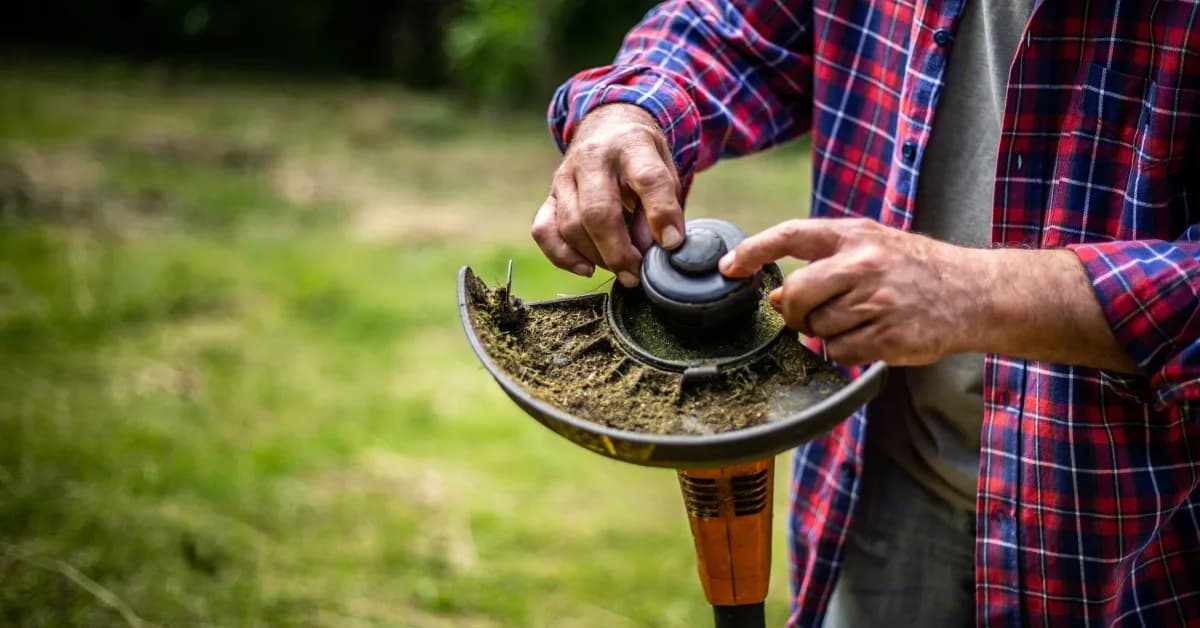
The trimmer head (also called a bump head) is the entire assembly that holds and feeds the cutting line. The spool is the internal reel where the line winds. When you run out of line, you either reload the spool (on reloadable heads) or replace the whole head (on some snap-on designs). Snapper trimmers use bump-feed heads — tap the head on the ground and it advances fresh line automatically. If the head won't feed line, the spool may be jammed or wound too tight. Always use the correct line diameter (.065" or.080") for your head to prevent jamming.
Why does my Snapper trimmer stall when I give it full throttle?
A lean fuel mixture is the usual culprit. This happens when the carburetor jets are partially clogged or the high-speed needle is set too lean. A carburetor rebuild kit clears the jets and restores fuel flow. If the carb is clean, check the air filter — a clogged filter restricts airflow and causes the engine to run lean under load. If the trimmer is older and has sat unused, the fuel may have gummed the carb; drain the old fuel and run fresh gasoline with a fuel stabilizer through it before assuming the carb needs rebuilding.
Shop Snapper String Trimmer Parts Online
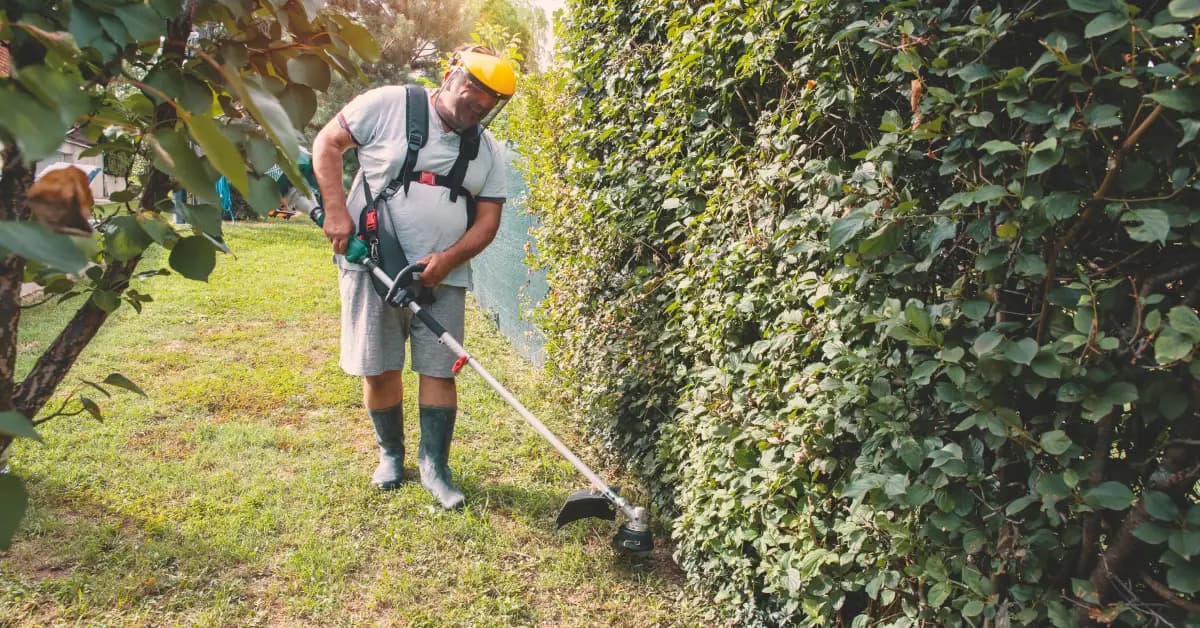
Ensure your Snapper string trimmer is always in peak condition with genuine parts available for easy online ordering. Whether you're a homeowner or a professional technician, finding the right Snapper string trimmer parts online. Use your model number to get the right part. Use our model and part number lookup tools to quickly locate compatible Snapper weed eater parts. Common issues like trimmers that won't start or run smoothly can often be resolved by replacing the spark plug, air filter, or carburetor. With our Price Match Guarantee. Snapper String Trimmer Parts. For repair guides and further assistance, visit our String Trimmer Repair Help section.
Snapper String Trimmer Model Number: Where to Look
Snapper typically prints the model number on the main housing near the engine, on the engine cover, or on a label close to the fuel tank. Set the trimmer on a stable surface, let the engine cool, and check for a model and serial number label or stamped metal plate. Copy the model number exactly, including letters, numbers, and hyphens. Type it into our model number lookup, and the catalog narrows to parts made for your unit across every part category. This filters out parts for similar-looking trimmers and helps you identify the correct parts without relying on appearance alone. You can move from model lookup to a confident order with less time spent comparing specifications.

Online Diagnostic and Repair Help for Snapper String Trimmer
Repair Clinic's online resources cover Snapper String Trimmer diagnostic work, part testing, and installation in one place. Symptom articles help you understand what is likely going wrong, video walkthroughs show the disassembly and reassembly, and step-by-step written repair guides let you follow along in your own time. Use the model number lookup to confirm the exact OEM part, and wiring diagrams support the more involved jobs.
Related Articles: Weed Eater
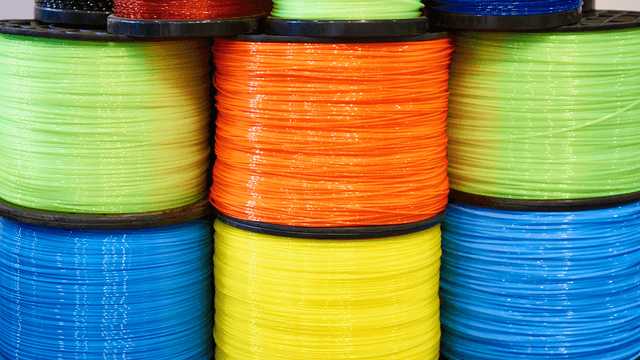
How To Properly Replace String Trimmer Line
Learn the correct way to replace your string trimmer line for proper function. Follow these simple steps to ensure smooth trimming and prevent frustrating tangles or breakage.

Four Likely Reasons Why Your String Trimmer Head Won't Spin
Is your string trimmer head not spinning? Common causes include a worn drive shaft, faulty clutch, broken trimmer head, or tangled line. Diagnose and fix the issue with these expert tips.

What Are The Symptoms of Bad Spark Plugs?
A faulty spark plug can cause engine misfires, hard starts, rough idling, or power loss. Learn how to recognize bad spark plug symptoms and when to replace them for smooth operation.




Family-owned and operated since 1912, Burke America Parts Group is the longest-running genuine appliance, HVAC, and outdoor power equipment parts solution in North America. At Repair Clinic, we're proud to be an international brand trusted by the pros as well as the DIY community.
About Repair Clinic