


 Price Match Guarantee
Lennox Furnace Parts
- Adhesive
- Axle, Roller, Shaft, Wheel
- Bearing
- Belt
- Blower Wheel & Fan Blade
- Bracket & Flange
- Cap, Lid & Cover
- Capacitor
- Circuit Board & Timer
- Compressor & Sealed System
- Deflector & Chute
- Diode, Magnetron & Resistor
- Door
- Drip Bowl & Drip Pan
- Duct & Venting
- Engine
- Fastener
- Filter
- Fuse, Thermal Fuse & Breaker
- Gas Burner & Control Valve
- Gasket & Seal
- Grille & Kickplate
- Handle
- Heating Element
- Hose, Tube & Fitting
- Igniter
- Ignition Controls
- Insulation
- Latch
- Leg, Foot & Caster
- Manuals, Care Guides & Literature
- Miscellaneous
- Motor
- Paint
- Panel
- Power Cord
- Pulley
- Pump
- Sensor & Thermistor
- Spring
- Switch
- Tank & Container
- Thermostat
- Transformer
- Transmission, Brake & Clutch
- Wire, Receptacle & Wire Connector
Find the right part faster
Multiple models matched. Select your model to confirm fit.




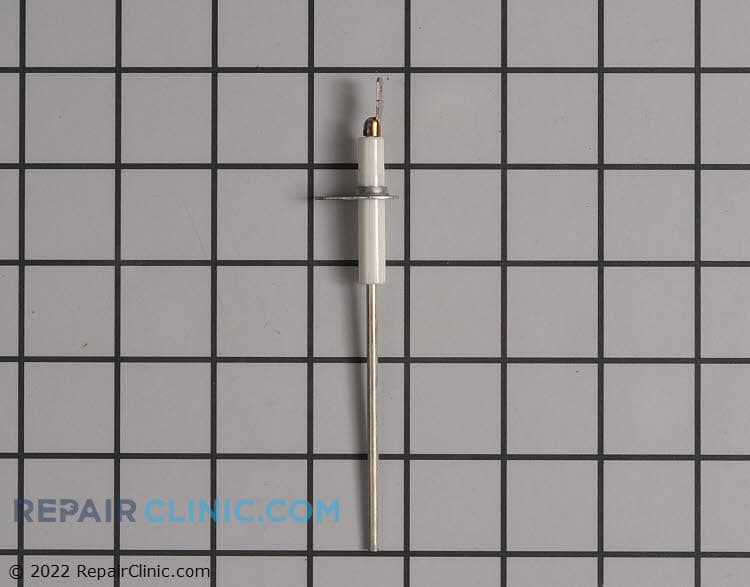
Furnace flame sensor. The flame sensor monitors the burner to detect whether or not a flame is present. If the flame sensor is defective, the furnace may not heat.
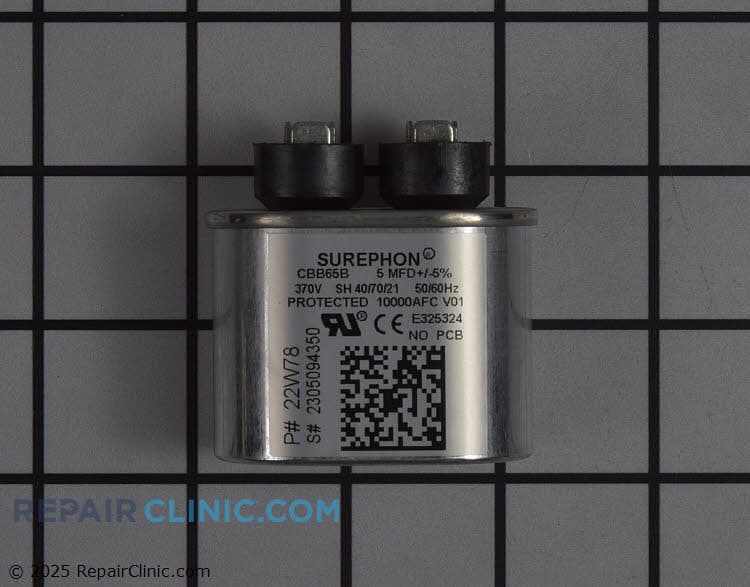
Run Capacitor. Single, Oval, 370 volt, 5 Microfarad.

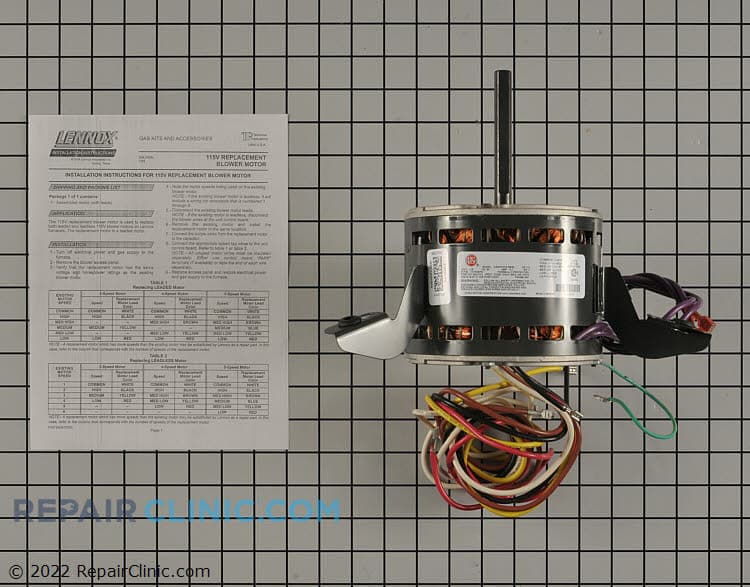
Furnace blower motor. This single-phase motor has the following specifications:
Horsepower: 1/3
Voltage: 115
Full-Load Amperage: 5.1
Hertz: 60
RPM: 1075
Speeds: 4
Rotation: Counterclockwise
Frame: 48
Enclosure: Open
Shaft Length: 4.25”
RC Item #2346861

Run Capacitor Dual 40 + 5 mfd. 440 volt Round
RC Item #2346863
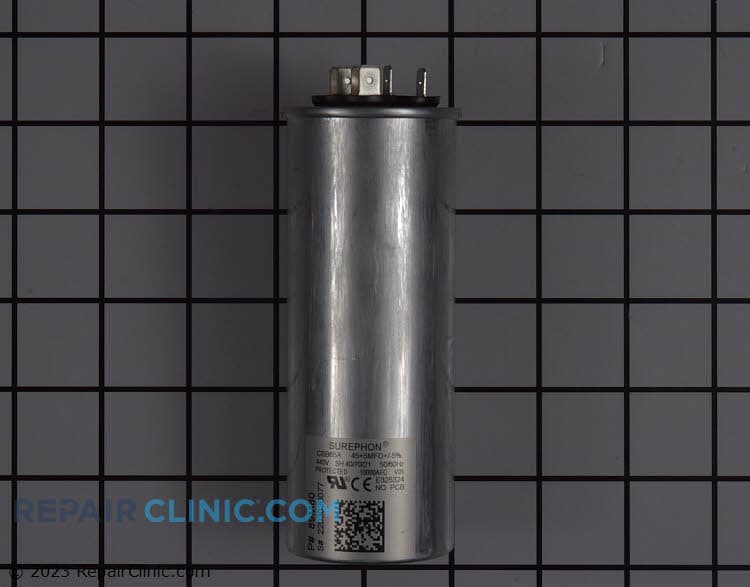
Round, Dual, 440 Volts, 45/5 Microfarads (MFD)
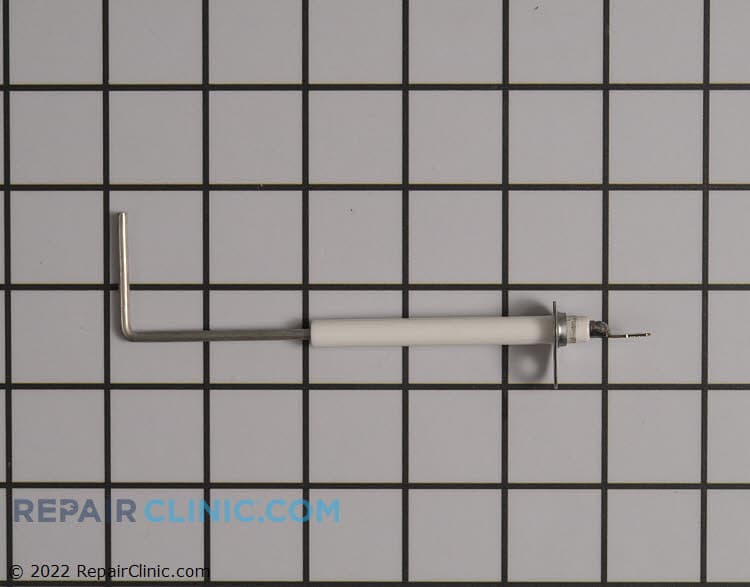
Furnace flame sensor. The flame sensor monitors the burner to detect whether or not a flame is present. If the flame sensor is defective, the furnace may not heat.
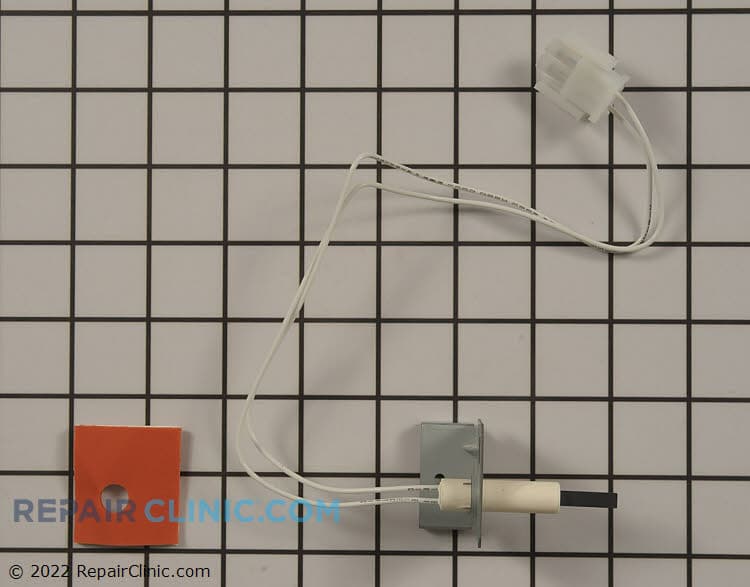
Igniter assembly (120 volt)
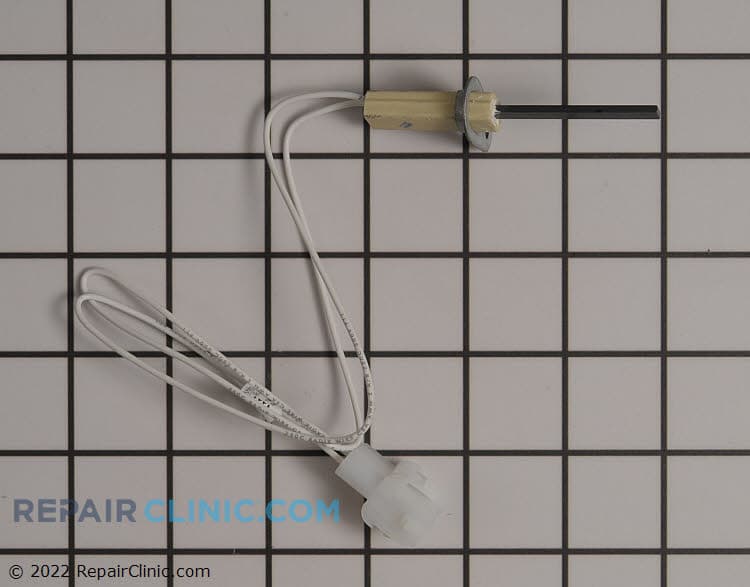
Furnace Igniter (80 volt) *** please see related item if 120 volt igniter is needed***
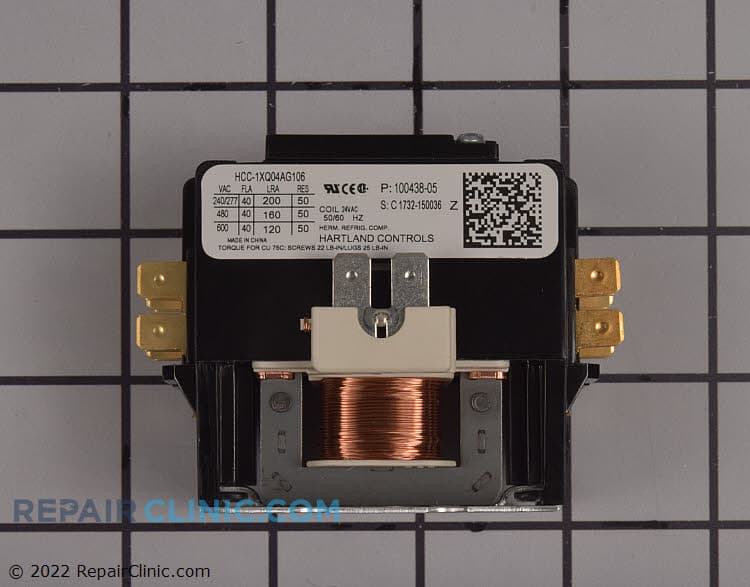
Contactor 24 volt coil, 30 FLA, Two Pole
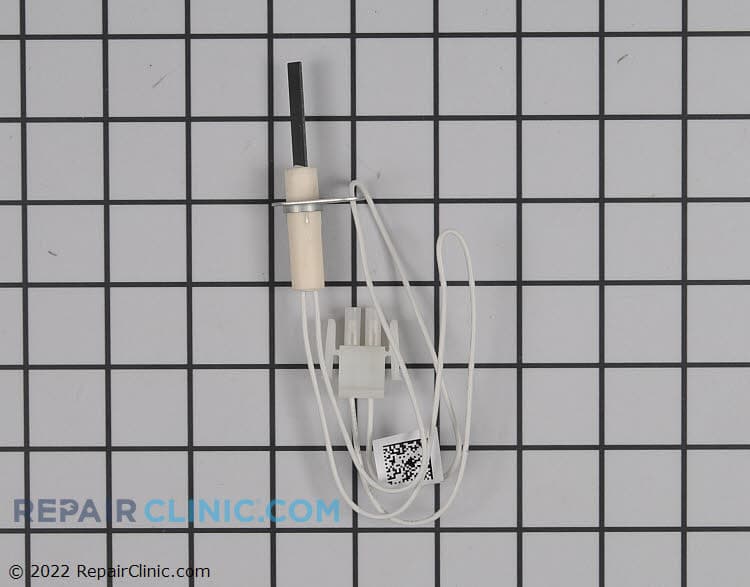
Furnace igniter assembly
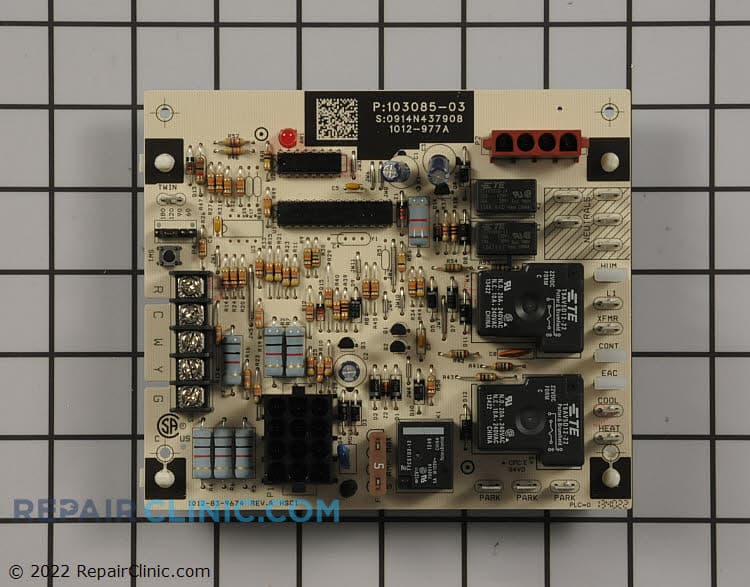
Ignition control board The ignition control board regulates the supply of power to the furnace components. Be sure to check more commonly defective parts before replacing the control board.
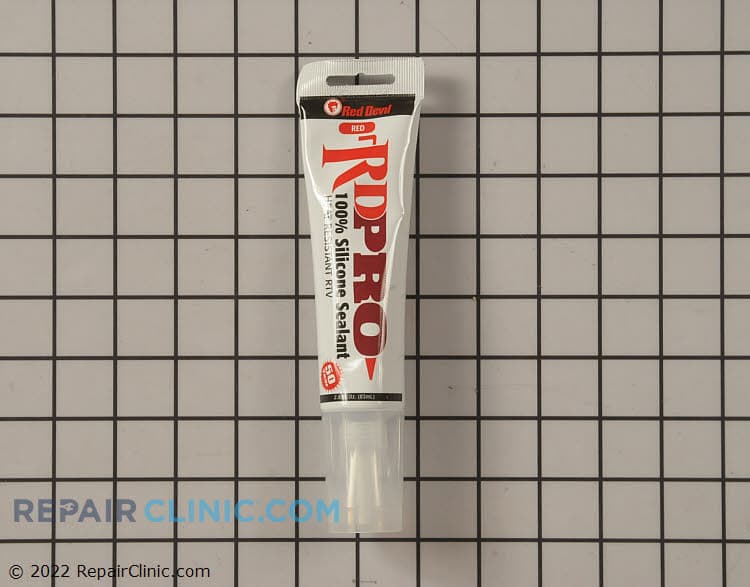
2.8 oz Tube of Red Devil High Temp RTV Silicone. Perfect for Gasket replacement. Not for Heat Exchangers.
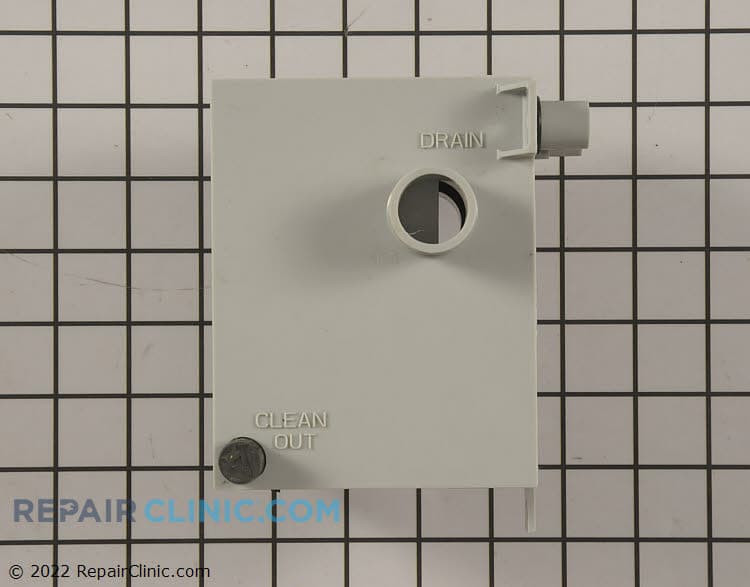
Condensate Trap
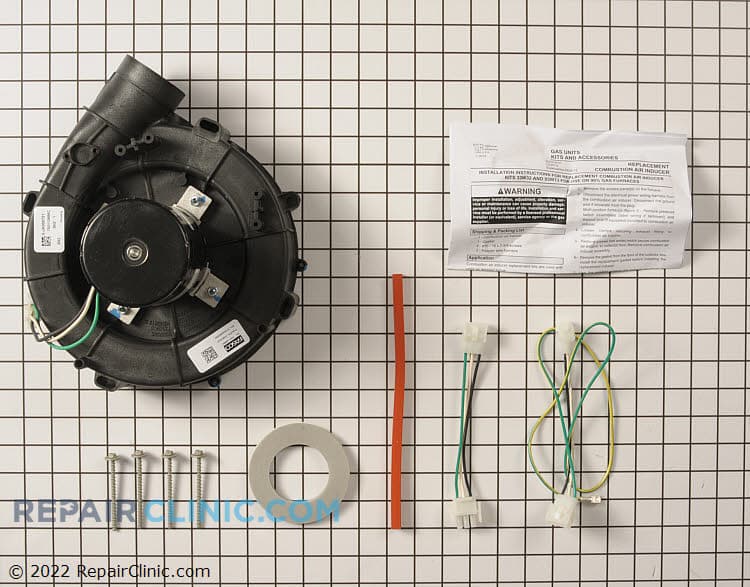
Furnace draft inducer motor. The draft inducer motor draws air into the burner and exhausts it out the flue. If the draft inducer motor is defective, the furnace may not heat.
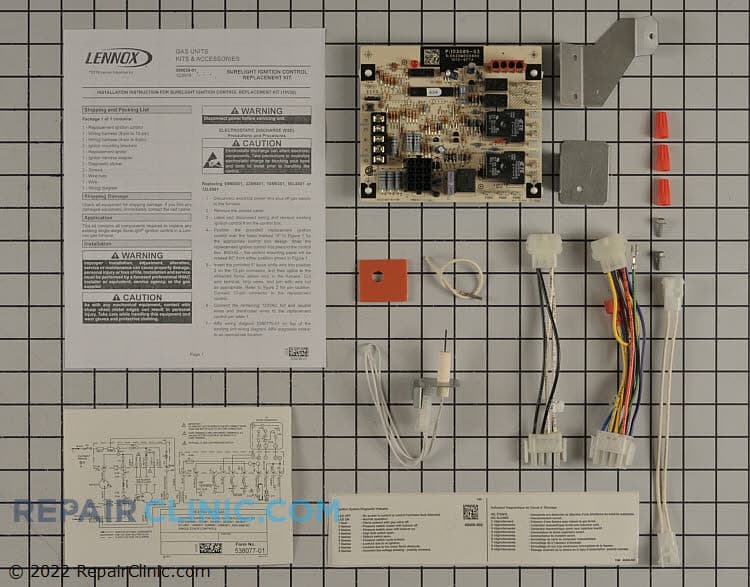
White-Rodgers 21D83M-843 Direct Replacement IFC Ignition Module The ignitiov control moduleregulates the supply of power to the furnace components. Be sure to check more commonly defective parts before replacing the control board.


Lennox Furnace Parts
Lennox furnaces are built for high efficiency and long service life, but when they fail, you need genuine OEM parts that match your model's exact specifications. Whether you're replacing an igniter that won't glow, a control board showing error codes, or a pressure switch that keeps tripping, Repair Clinic stocks the genuine Lennox parts you need.
The most common Lennox furnace repairs involve hot surface igniters, inducer motors, control boards (especially iComfort communicating boards), and pressure switches. Because Lennox furnaces often feature proprietary communicating controls, using OEM parts is essential — aftermarket boards won't work with your system. Find your model number on the furnace nameplate and browse our complete inventory of Lennox furnace parts with same-day shipping available.
- Hot surface igniter won't glow or glows orange then shuts off: Silicon carbide or silicon nitride igniter, depending on model year
- Furnace won't start or keeps shutting off: Check pressure switch, draft inducer motor, or flame sensor
- Blower runs but no heat: Limit switch, gas valve, or igniter failure
- Error codes on display or LED blinks: Control board (CNT or iComfort) requires exact model match
- Loud noise from furnace or inducer motor vibration: Inducer motor assembly or bearing wear
Popular Lennox Furnace Models
Related Lennox Furnace Parts
- Lennox Furnace Miscellaneous Parts
- Lennox Furnace Switch Parts
- Lennox Furnace Wire, Receptacle & Wire Connector Parts
- Lennox Furnace Panel Parts
- Lennox Furnace Gas Burner & Control Valve Parts
- Lennox Furnace Motor Parts
- Lennox Furnace Duct & Venting Parts
- Lennox Furnace Deflector & Chute Parts
- Lennox Furnace Gasket & Seal Parts
- Lennox Furnace Fastener Parts
- Lennox Furnace Bracket & Flange Parts
- Lennox Furnace Blower Wheel & Fan Blade Parts
- Lennox Furnace Cap, Lid & Cover Parts
- Lennox Furnace Fuse, Thermal Fuse & Breaker Parts
- Lennox Furnace Circuit Board & Timer Parts
- Lennox Furnace Hose, Tube & Fitting Parts
- Lennox Furnace Compressor & Sealed System Parts
- Lennox Furnace Capacitor Parts
- Lennox Furnace Belt Parts
- Lennox Furnace Transformer Parts
- Lennox Furnace Sensor & Thermistor Parts
- Lennox Furnace Igniter Parts
- Lennox Furnace Pulley Parts
- Lennox Furnace Engine Parts
- Lennox Furnace Filter Parts
- Lennox Furnace Drip Bowl & Drip Pan Parts
- Lennox Furnace Ignition Controls Parts
- Lennox Furnace Thermostat Parts
- Lennox Furnace Bearing Parts
- Lennox Furnace Handle Parts
- Lennox Furnace Heating Element Parts
- Lennox Furnace Insulation Parts
- Lennox Furnace Pump Parts
- Lennox Furnace Spring Parts
- Lennox Furnace Transmission, Brake & Clutch Parts
- Lennox Furnace Adhesive
- Lennox Furnace Axle, Roller, Shaft, Wheel Parts
- Lennox Furnace Door Parts
- Lennox Furnace Tank & Container Parts
- Lennox Furnace Diode, Magnetron & Resistor Parts
- Lennox Furnace Grille & Kickplate Parts
- Lennox Furnace Latch Parts
- Lennox Furnace Leg, Foot & Caster Parts
- Lennox Furnace Manuals, Care Guides & Literature
- Lennox Furnace Paint
- Lennox Furnace Power Cord Parts
Common Questions About Lennox Furnace Parts
What's the difference between Lennox CNT and iComfort control boards?
CNT boards are standard programmable controls found in classic Lennox models. IComfort boards are proprietary communicating controls used in Dave Lennox Signature and Elite series — they talk to thermostats and other equipment over a special wiring protocol. You'll need to use the exact OEM board for your model; aftermarket or mismatched boards will not work. Always verify your model number before ordering.
How do I know if my igniter is silicon carbide (SiC) or silicon nitride (SiN)?
The igniter type is determined by your furnace model and year of manufacture. You'll find the model number on the furnace's nameplate (usually on the side or front of the unit). Enter that model number into the Repair Clinic parts finder — it will show you the correct igniter type and ensure you get the right replacement. Installing the wrong type will prevent the gas valve from opening.
Where do I find my Lennox furnace model number?
The model number is printed on a white label attached to the furnace cabinet, typically on the side panel or front. It's also in your installation documentation. Write down the full model number (including any letter suffixes) — this one piece of information ensures you order parts that fit your exact furnace configuration and controls.
Why are Lennox parts more expensive than aftermarket alternatives?
Lennox furnaces use proprietary control systems and communicating technology. OEM boards, igniters, and other parts are engineered to work together reliably. Aftermarket parts may be cheaper but often fail prematurely or don't integrate with your controls. For Lennox, OEM is a primary reliable choice — and our same-day shipping means you'll have heat running again fast.
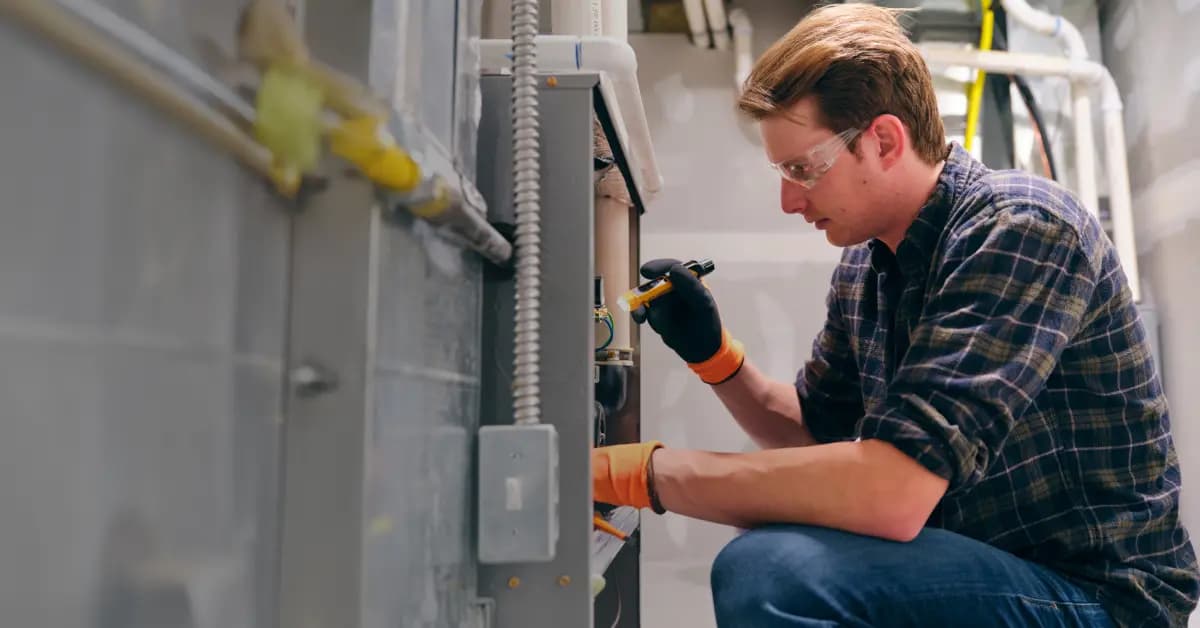
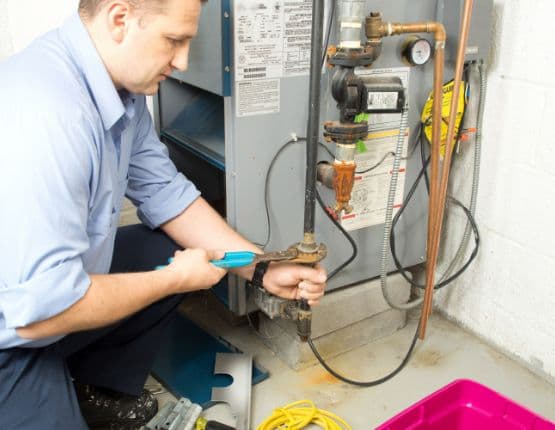
Order Lennox Furnace Replacement Parts Online
Find high-quality Lennox furnace replacement parts at Repair Clinic. Whether you need a Lennox furnace blower wheel, flame sensor, gas valve, or thermostat, our extensive inventory of OEM Lennox parts ensures a proper fit. Simply enter your model or part number to locate the correct replacement parts.
Lennox Furnace Model Number: Where to Look
On Lennox furnaces, look for the model number on the blower compartment door, inside the front access panel, or near the gas valve. Check the equipment label carefully and copy the complete model number, including letters, numbers, and any hyphens. Type it into our model number lookup and the catalog narrows to parts made for your unit. The model number identifies the furnace itself, so it filters the full selection across every associated part category, not just the part you are replacing. Matching the number before you order helps confirm compatibility, reduces time spent comparing specifications, and means fewer wrong orders and a faster repair.

Step-by-Step Repair Resources for Lennox Furnace
Before you order parts for your Lennox Furnace, use Repair Clinic's online repair resources to confirm the cause of the problem. Symptom-based articles narrow the failing component, part testing videos show how to verify it, and the model number lookup matches the exact OEM replacement. Step-by-step installation videos walk you through the swap once the part arrives.
Related Furnace Repair Help Articles
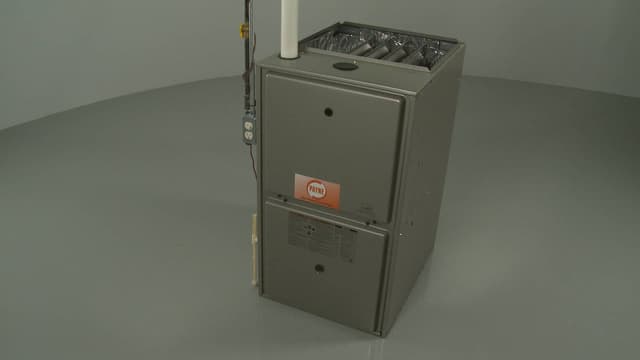
How To Replace a Circuit Board in Your Furnace
Replacing a malfunctioning furnace circuit board may be the key to restoring your heating system's functionality. This article provides a clear guide to understanding the role of the circuit board in a furnace's ignition sequence, common reasons for circuit board failure, and step-by-step instructions for replacing a furnace circuit board.
Why is My Furnace Not Working?
Learn why your furnace isn't working by understanding its ignition sequence and identifying common faulty parts like the igniter, flame sensor, or control board. This article provides practical repair tips and insights into each part's role in the heating process.
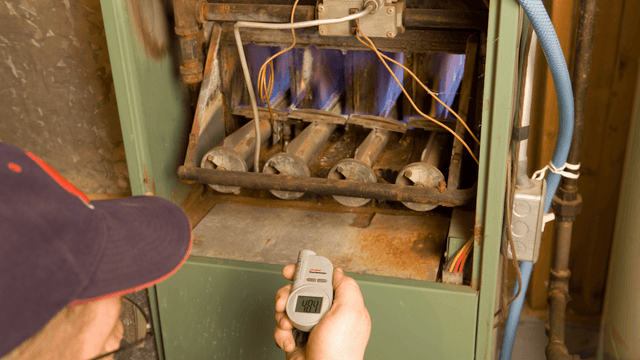
5 Causes of a Furnace Starting Then Stopping
A gas furnace that starts and then stops unexpectedly can be frustrating, especially during cold weather. This article explains five common causes, including issues with the flame sensor, pressure switch, control board, draft inducer fan motor, or air flow. Learn how each cause may impact your furnace's operation and get tips to resolve the problem.




Family-owned and operated since 1912, Burke America Parts Group is the longest-running genuine appliance, HVAC, and outdoor power equipment parts solution in North America. At Repair Clinic, we're proud to be an international brand trusted by the pros as well as the DIY community.
About Repair Clinic