


 Price Match Guarantee
Lennox Furnace Motor Parts
Find the right part faster
Multiple models matched. Select your model to confirm fit.





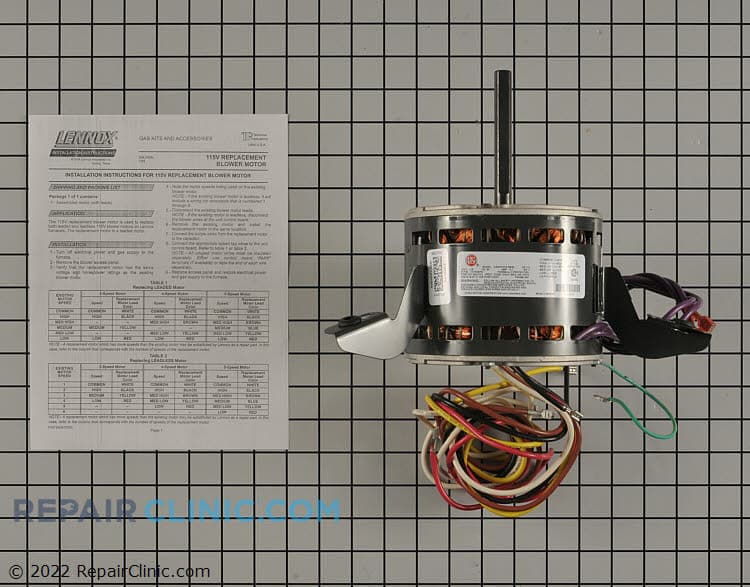
Furnace blower motor. This single-phase motor has the following specifications:
Horsepower: 1/3
Voltage: 115
Full-Load Amperage: 5.1
Hertz: 60
RPM: 1075
Speeds: 4
Rotation: Counterclockwise
Frame: 48
Enclosure: Open
Shaft Length: 4.25”
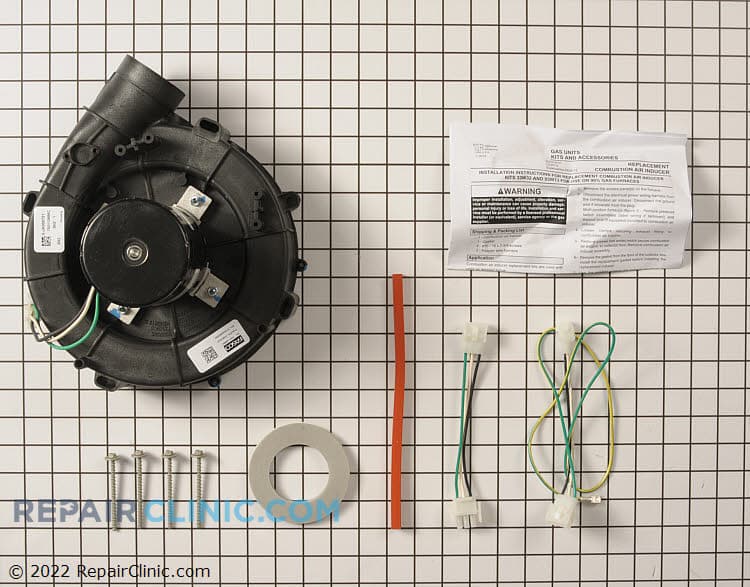
Furnace draft inducer motor. The draft inducer motor draws air into the burner and exhausts it out the flue. If the draft inducer motor is defective, the furnace may not heat.
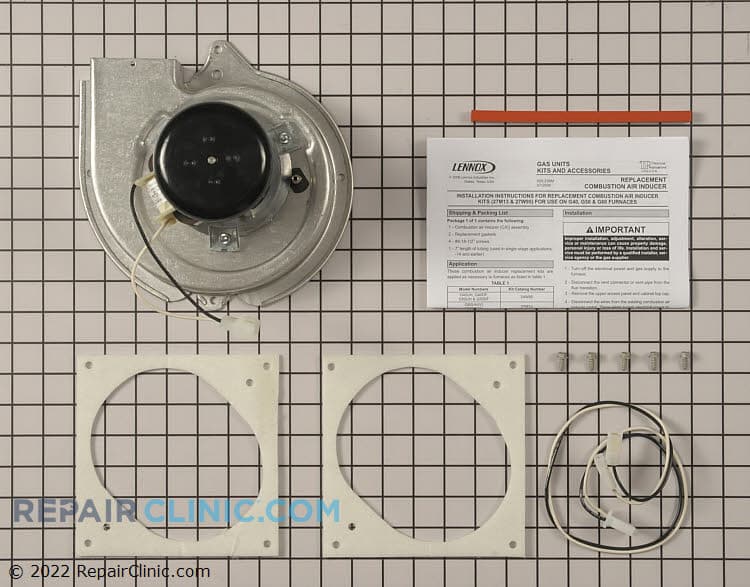
Furnace draft inducer motor.115Volts 60Hz 1.2 amp 3000 RPM's Closed Enclosure. The draft inducer motor draws air into the burner and exhausts it out the flue. If the draft inducer motor is defective, the furnace may not heat.
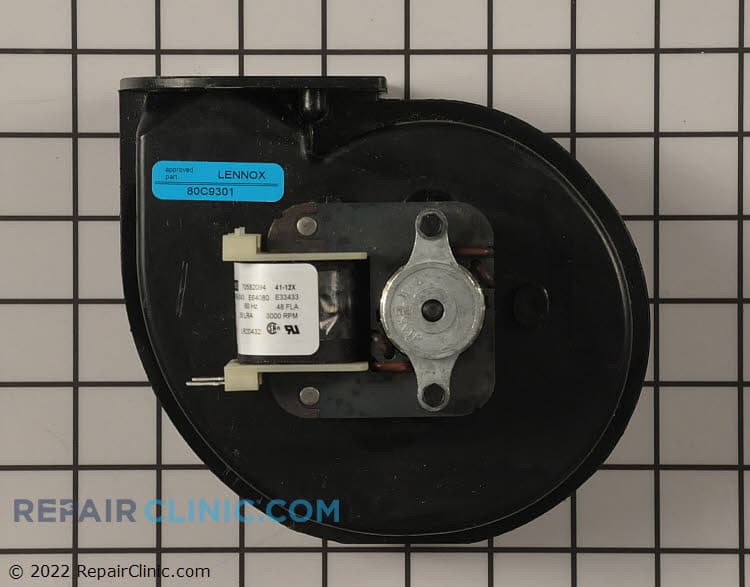
Furnace draft inducer motor. The draft inducer motor draws air into the burner and exhausts it out the flue. If the draft inducer motor is defective, the furnace may not heat.
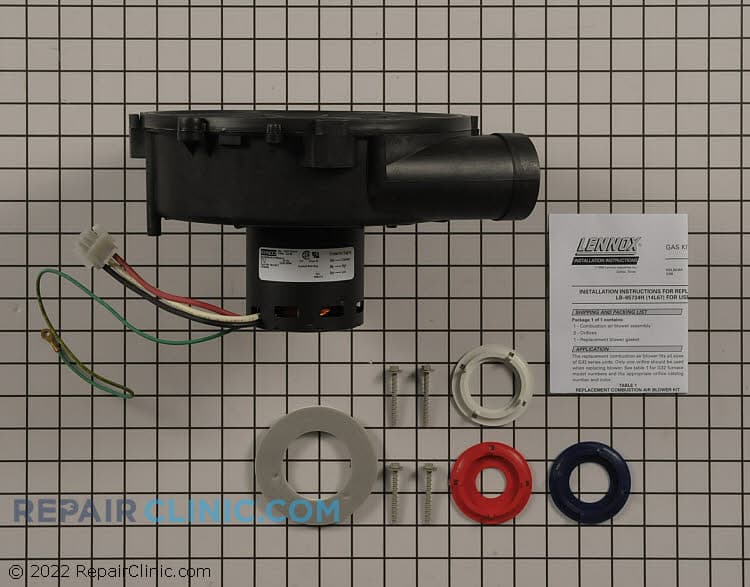
Furnace draft inducer motor. The draft inducer motor draws air into the burner and exhausts it out the flue. If the draft inducer motor is defective, the furnace may not heat.
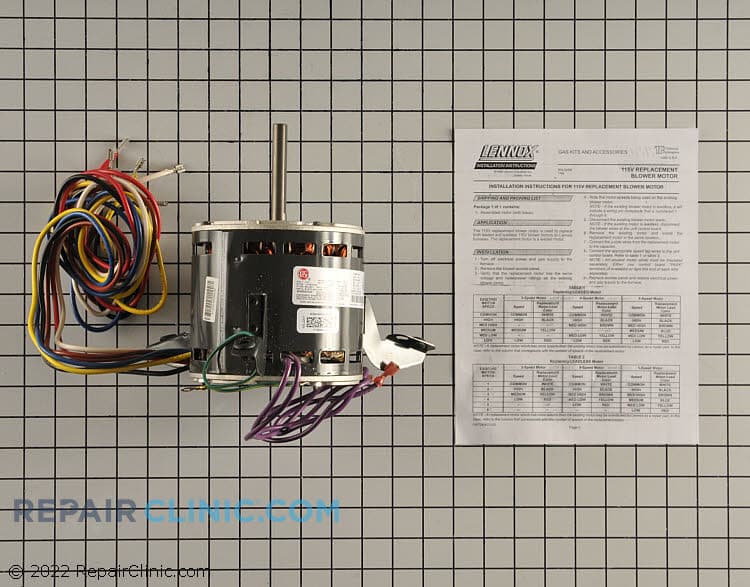
1/2HP 115Volts 60Hz 8 amp 1075 RPM's 5 Speed Open Enclosure 48Y Frame Single Phase CCW 3" Shaft. Any unused wires will need to be taped off or put on the "park" terminals on the control board. These terminals are there specifically for unused wires.
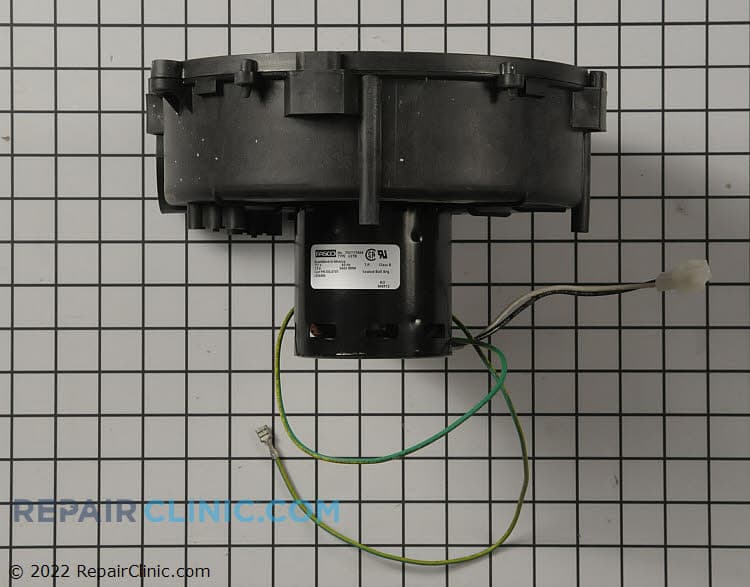
Furnace draft inducer motor. The draft inducer motor draws air into the burner and exhausts it out the flue. If the draft inducer motor is defective, the furnace may not heat.
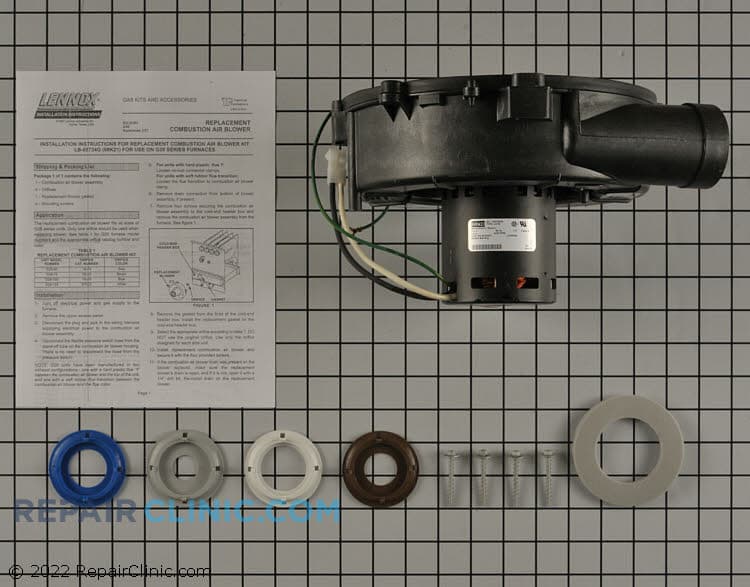
Furnace draft inducer motor. The draft inducer motor draws air into the burner and exhausts it out the flue. If the draft inducer motor is defective, the furnace may not heat.
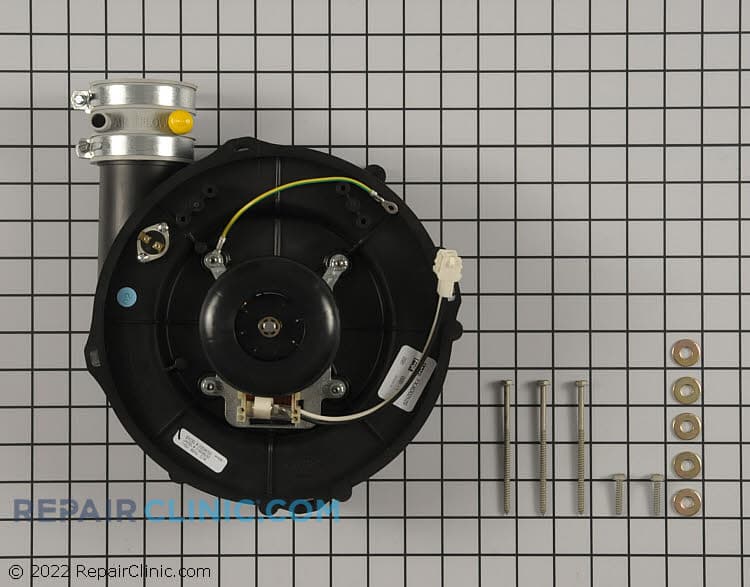
Furnace draft inducer motor. The draft inducer motor draws air into the burner and exhausts it out the flue. If the draft inducer motor is defective, the furnace may not heat.
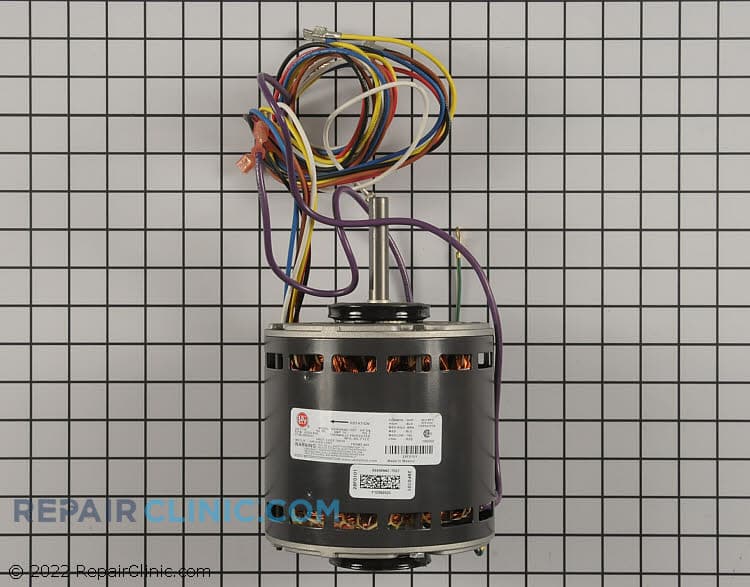
Blower motor, 3/4 HP, 115 Volts, 60 Hz, 10 amps, 1075 RPM's, 5 speed open enclosure, 48Y, Frame Single Phase CCW, 2.75" shaft
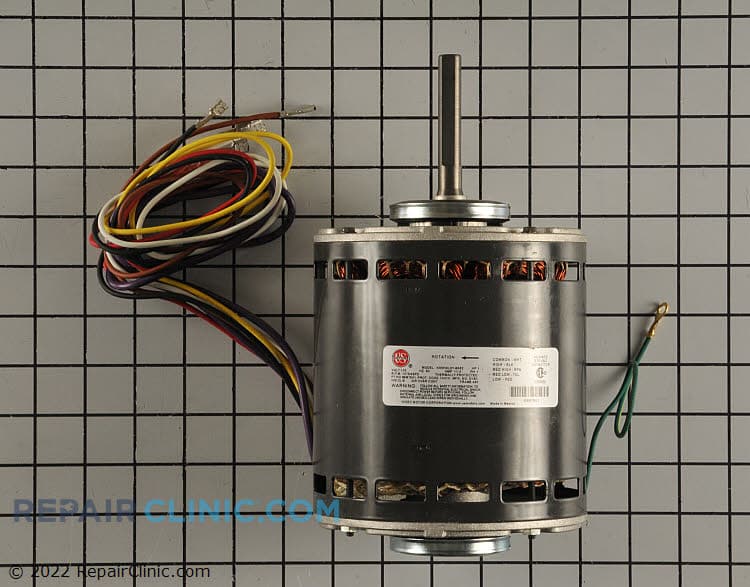
1HP 115Volts 60Hz 11 amp 1075 RPM's 4 Speed Open Enclosure 48Y Frame Single Phase CCW 3" Shaft
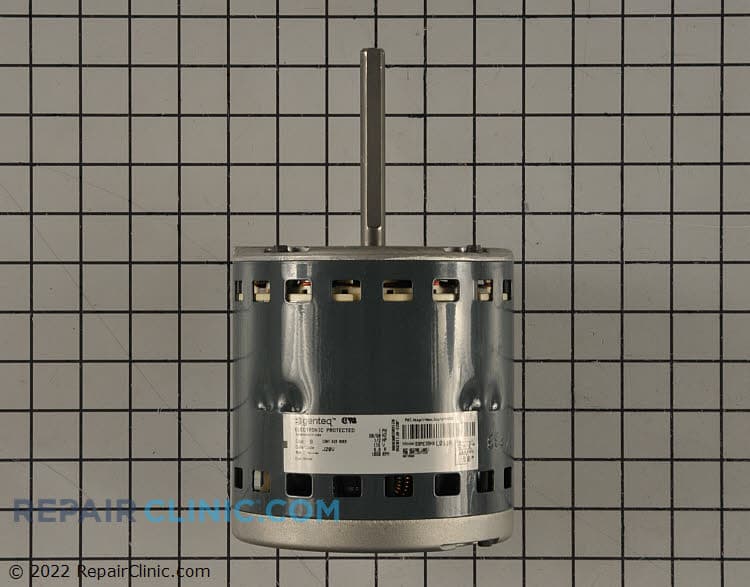
Blower motor 1/2 hp x 13
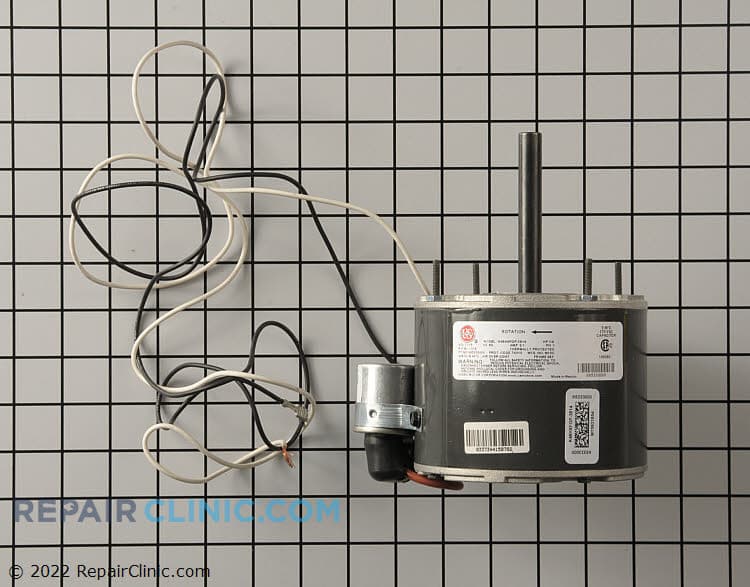
Blower motor, 1/8 HP, 1075 RPM, 115 volts, 60 hertz, 1 phase
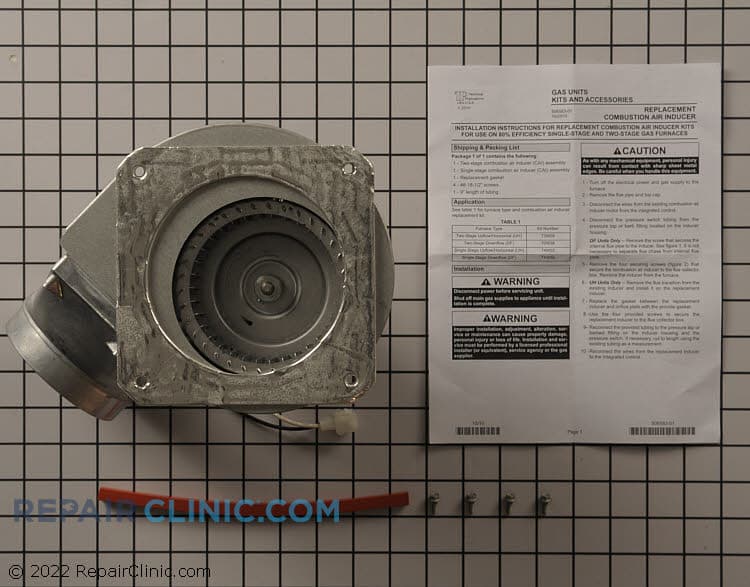
Furnace draft inducer motor. The draft inducer motor draws air into the burner and exhausts it out the flue. If the draft inducer motor is defective, the furnace may not heat.
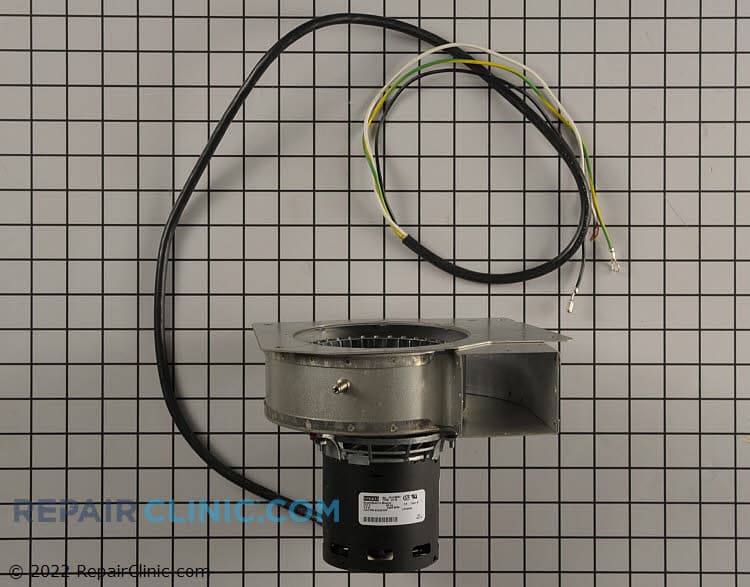
Furnace draft inducer motor. The draft inducer motor draws air into the burner and exhausts it out the flue. If the draft inducer motor is defective, the furnace may not heat.


Lennox Furnace Blower and Inducer Motors
Lennox furnaces rely on two critical motors to deliver heat: the blower motor circulates warm air throughout your home, while the inducer motor creates the draft needed for safe combustion. When either motor fails, you'll notice poor airflow, weak heat, or a furnace that won't start at all. Motor failures often come with noise — grinding, squealing, or rattling — that signals bearing wear or a seized shaft.
The motor assembly includes the motor housing, shaft, wheel or impeller, and often the capacitor that helps it start. OEM Lennox motors maintain the exact horsepower and mounting specifications your furnace needs. Always verify your model number before ordering — Lennox furnace motors vary by series and year.
- No airflow from vents: blower motor has failed or capacitor is weak
- Furnace won't ignite or pressure switch keeps tripping: inducer motor weak or not running
- Loud grinding or squealing during operation: motor bearing wear; replace motor assembly
- Motor hums but doesn't turn: capacitor failed; test before replacing motor
- Motor runs intermittently then stops: thermal overload tripping; check airflow first, then motor windings
Find Replacement Lennox Furnace Motor Parts Online by Model or Part Number
Popular Lennox Furnace Models
Related Lennox Furnace Motor Parts
- Lennox Furnace Blower Motor Parts
- Lennox Furnace Draft Inducer Motor Parts
- Lennox Furnace Fan Motor Parts
- Lennox Furnace Motor Parts
- Lennox Furnace Damper Motor Parts
- Lennox Furnace Armature Parts
- Lennox Furnace Blower Wheel and Housing Parts
- Lennox Furnace Diverter Motor Parts
- Lennox Furnace Vent Fan Motor Parts
Lennox Furnace Motor Questions & Answers
What's the difference between the blower motor and the inducer motor in a Lennox furnace?
The inducer motor is the first motor to run when the furnace starts — it creates draft pressure that pulls air into the burner box and vents exhaust safely. The blower motor comes on after ignition and circulates heated air into your home. If the inducer fails, the furnace won't start; if the blower fails, the furnace runs but you get no heat in the house. Both are essential, and both have their own capacitors on most Lennox models.
How do I find my Lennox furnace motor model number, and why does it matter?
The motor model number is usually stamped on a metal tag attached to the motor housing. Look for a series like PSC, ECM (electronically commutated motor), or a traditional AC motor designation. Lennox furnaces come in different efficiency tiers — the Dave Lennox Signature series uses variable-speed ECM motors, while Merit and Elite series use standard PSC motors. Ordering the wrong motor type will result in poor airflow control or incompatibility with your control board.
Can I replace a Lennox furnace motor with a universal or aftermarket motor?
We strongly recommend OEM Lennox motors. While some universal motors may physically fit, they won't have the correct horsepower, voltage, or mounting flange — all of which affect airflow and furnace efficiency. Aftermarket motors often fail prematurely and can trigger error codes on Lennox's iComfort control systems. An OEM motor is a $200 to $400 investment that ensures proper operation and model-specific fit and performance.
My Lennox furnace motor is noisy — do I need a new motor or is it the capacitor?
Start with the capacitor. A weak capacitor causes the motor to work harder, leading to noise and eventual failure. If the capacitor tests good (using a multimeter set to capacitance mode) and the noise continues, the motor bearings have likely worn out. A grinding or squealing sound while the motor shaft spins freely means replacement is needed. If the shaft is stuck, the motor has seized internally.
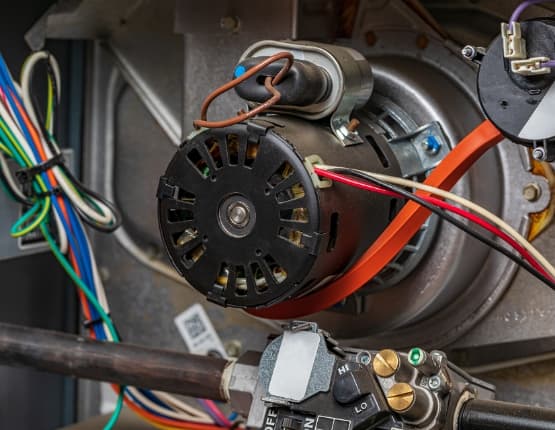
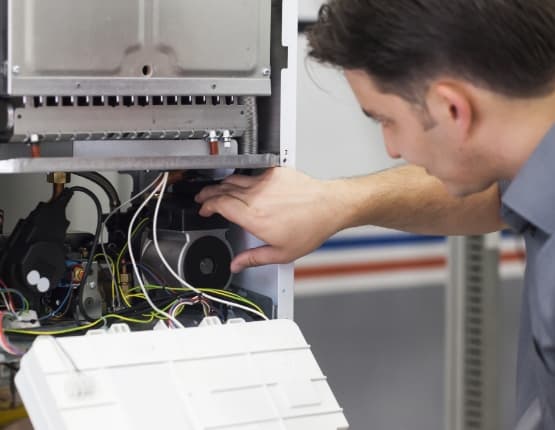
Order Lennox Furnace Motor Parts Online
For reliable and efficient Lennox furnace motor replacements, shop online at Repair Clinic. We offer a full range of genuine OEM parts, including blower and inducer motors, to ensure your HVAC system operates smoothly. Enjoy our no-hassle 365-day return policy, allowing you to return uninstalled parts for any reason within a year. Plus, with our price match guarantee, we promise to match any competitor's price on genuine replacement parts. Easily find the right Lennox furnace motor by entering your model or part number in our lookup tool. Order by 9:00 PM ET for same-day shipping and get your furnace running in no time. Visit our replacement parts page for more options.
Lennox Furnace Model Number: Where to Look
On Lennox furnaces, the unit model number is typically listed on a data plate inside the front access panel or on the blower compartment door. Turn off power to the furnace, remove the panel, and look for a label showing the model and serial numbers. Use the furnace model number, not the motor's identification information, when matching replacement parts. Enter that number in the model number search to pull up the parts matched to your unit, including motors and every other associated furnace part. Matching the complete model helps you avoid confusing similar Lennox series and gets you the correct parts without unnecessary cross-checking.

Lennox Furnace Repair Guides and Videos
Fixing your Lennox Furnace starts with the right diagnostic information. Repair Clinic's online library includes common-symptom articles, part testing walkthroughs, and repair videos that help you pinpoint what needs replacing. Once identified, the model number lookup confirms the correct OEM part, and the matching installation video guides you through the swap.
Related Furnace Repair Help Articles
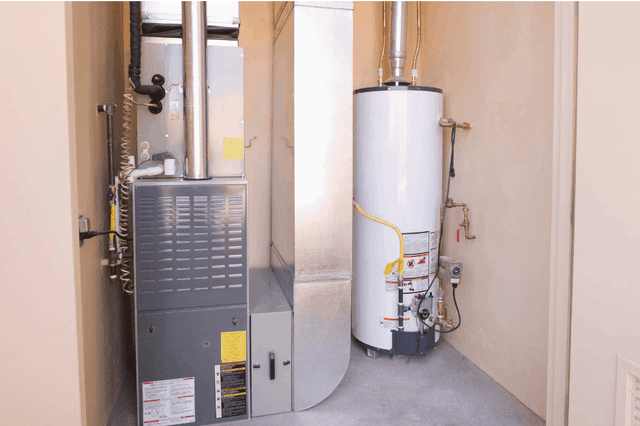
Top Reasons Furnace is Not Igniting
A furnace that fails to ignite can leave your home in the cold. Common issues include a faulty igniter, malfunctioning flame sensor, or a defective draft inducer fan motor. Replacing furnace filters and cleaning furnace parts can help prevent these problems.
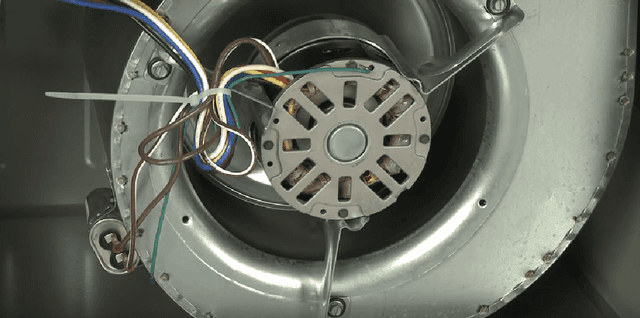
How to Replace a Furnace Blower Fan Motor
A malfunctioning furnace blower fan motor can disrupt your heating system, but replacing it doesn't have to be daunting. This article explains the blower motor's role in circulating air through your home and provides detailed, step-by-step guidance for safely removing and installing a new furnace blower fan motor.
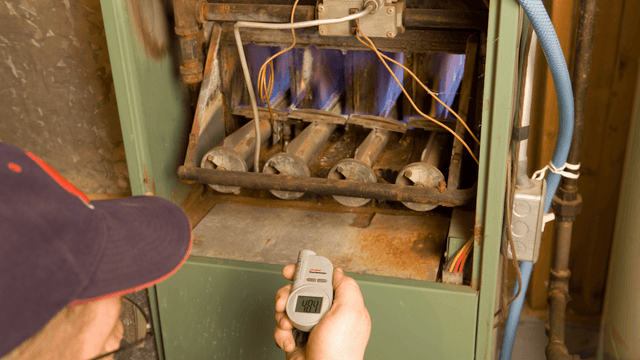
5 Causes of a Furnace Starting Then Stopping
A gas furnace that starts and then stops unexpectedly can be frustrating, especially during cold weather. This article explains five common causes, including issues with the flame sensor, pressure switch, control board, draft inducer fan motor, or air flow. Learn how each cause may impact your furnace's operation and get tips to resolve the problem.




Family-owned and operated since 1912, Burke America Parts Group is the longest-running genuine appliance, HVAC, and outdoor power equipment parts solution in North America. At Repair Clinic, we're proud to be an international brand trusted by the pros as well as the DIY community.
About Repair Clinic