


 Price Match Guarantee
Trane Furnace Igniter Parts
Find the right part faster
Multiple models matched. Select your model to confirm fit.




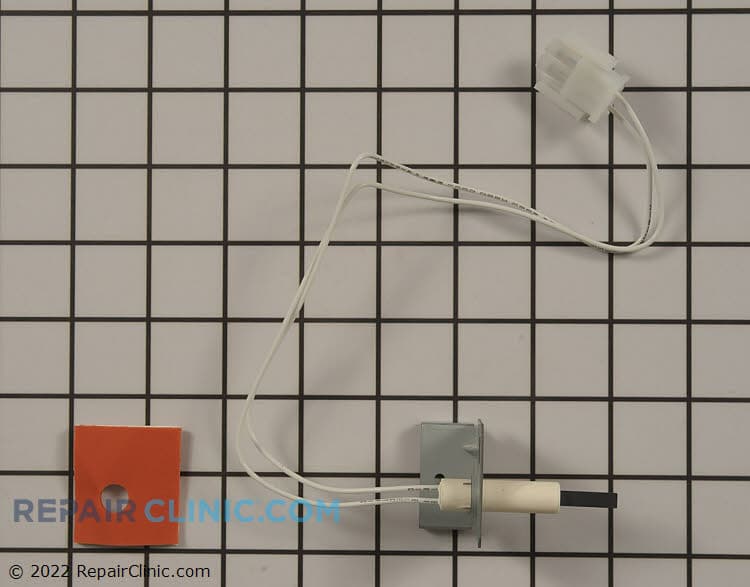
Igniter assembly (120 volt)
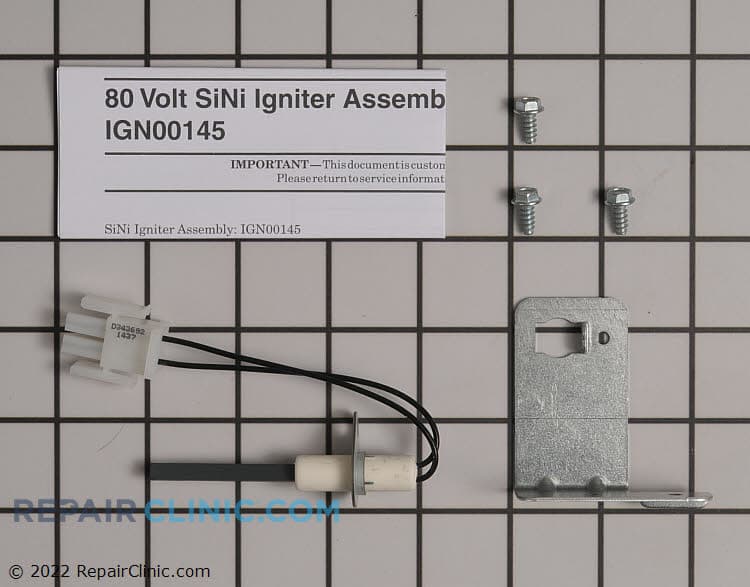
Hot Surface Ignitor Kit
RC Item #4960794
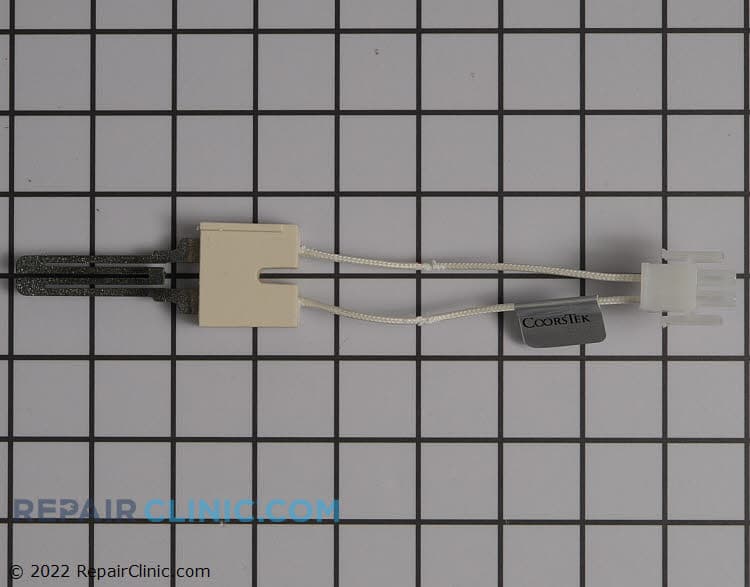
Hot surface furnace ignitor with plug on connector
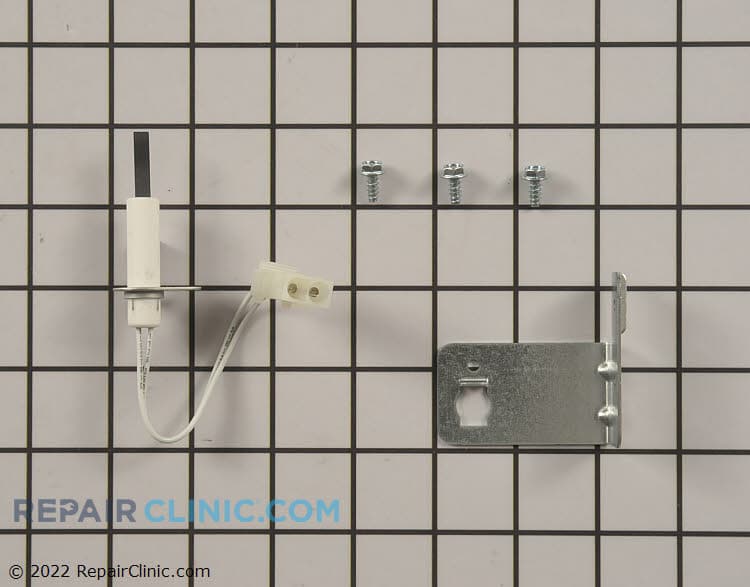
Replacement silicon-nitride igniter kit, gas furnace
RC Item #4975008
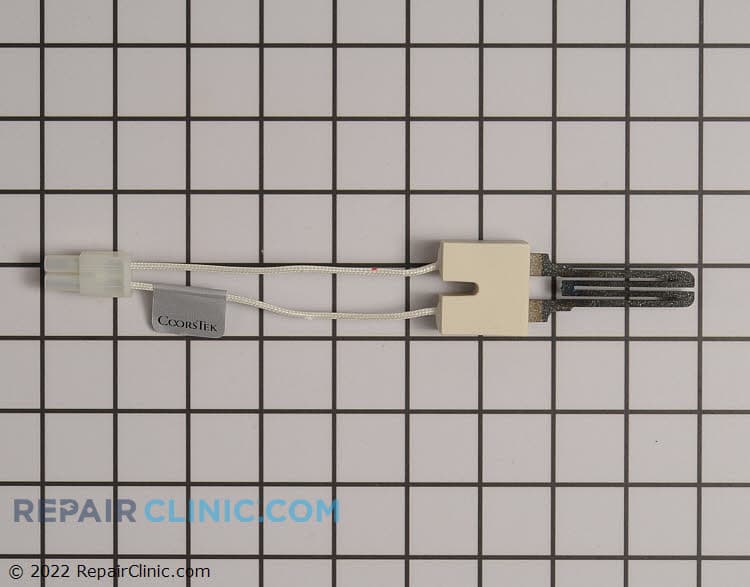
Ignitor; oem, hot surface silicon carbide, rapid he
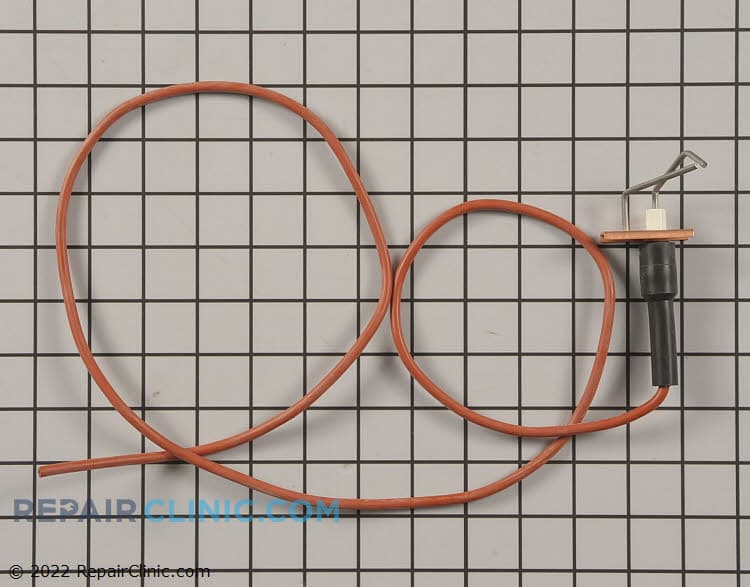
Ignitor; electrode, 47in. lead

Hot Surface Ignitor with 11" leads, Y Style Mounting Block, Oblong Base, Insulation 200°C, Stripped Ends, Includes Ceramic Wire Nuts, Includes Gasket. Replaces R/S 41-406
RC Item #4975902

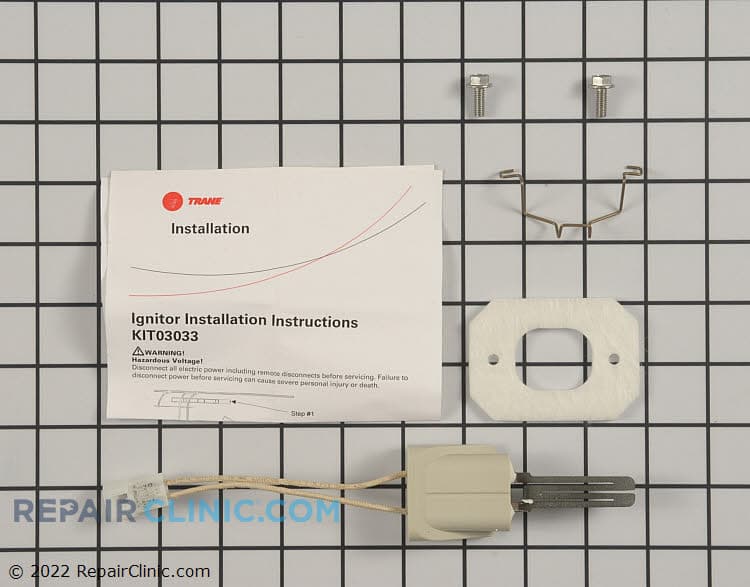
Igniter kit
Ignitor;
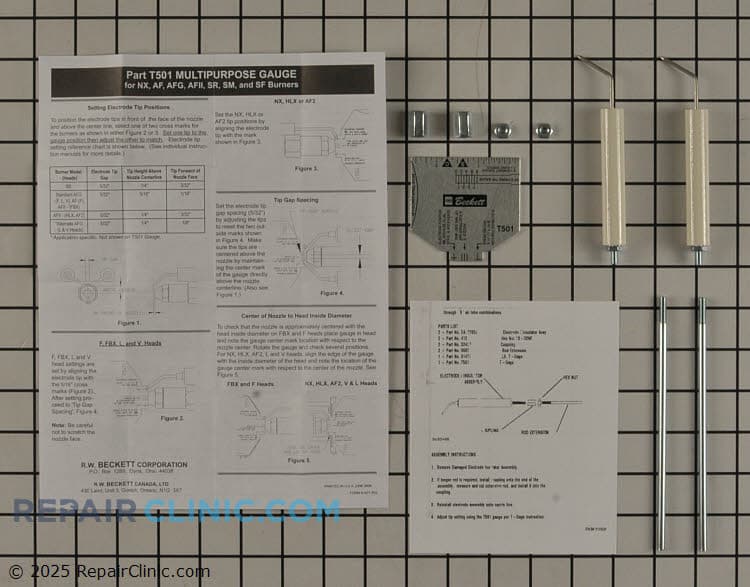
Electrode; oil burner
Electrode; assembly,7in.
Electrode; assembly,5in.
Electrode;
Electrode; assembly
Electrode; assembly


Trane Furnace Hot Surface Igniter Parts
The hot surface igniter is the most common Trane furnace repair — when it fails to glow, cracks under thermal stress, or loses resistance over time, your furnace won't ignite and you'll have no heat. Trane furnaces use specific silicon carbide (SiC) or silicon nitride (SiN) igniters depending on your model year and control board type. Getting the exact OEM igniter for your model is critical because resistance values and ignition timing must match your IFC board's expectations.
Trane igniters typically glow orange and last 5 to 10 years before weakening. If your igniter glows dimly, goes out after a few seconds, or doesn't glow at all, replacement is almost always the fix. Enter your Trane model number below to find the correct igniter type — SiC and SiN igniters are not interchangeable, and using the wrong type will cause ignition failures and fault codes on your control board.
- Igniter glows orange but furnace won't ignite: Weak igniter — resistance has degraded; OEM replacement needed
- Igniter doesn't glow at all: Cracked igniter or control board not sending power; test IFC board voltage first, then replace igniter
- Igniter glows then goes out within seconds: Igniter cooling too quickly; SiC/SiN mismatch or cracked element; OEM replacement required
- Furnace cycles on then off repeatedly: Failed igniter causing no flame; flame sensor sees no flame and shuts down
- F code or 3-flash error on LED: Ignition failure; check igniter resistance with multimeter, then order OEM replacement
Find Replacement Trane Furnace Igniter Parts Online by Model or Part Number
Popular Trane Furnace Models
Trane Furnace Igniter Troubleshooting & FAQs
How do I know if my Trane furnace igniter has failed?
Watch your furnace's ignition cycle: the igniter should glow orange/red within 5 seconds of the inducer motor starting. If it glows very dimly, flickers, or doesn't glow at all, the igniter is failing. You may also hear the gas valve click open but smell no gas burning (no flame = igniter didn't reach temperature). Some Trane models display an F code or a 3-flash error on the IFC board LED when the flame sensor detects no flame after igniter activation — that's a strong sign the igniter is too weak to ignite the gas.
What's the difference between silicon carbide (SiC) and silicon nitride (SiN) igniters on Trane units?
Trane uses both types depending on the model and IFC board generation. SiC igniters are older, operate at lower temperatures, and have specific resistance ratings. SiN igniters are newer, run hotter, and have different electrical characteristics. They are not interchangeable: installing the wrong type will cause ignition faults because the control board won't see the correct temperature rise or flame signal. Always verify your model number to confirm which type your furnace uses, or check the old igniter itself for the part number.
Can I clean a Trane furnace igniter instead of replacing it?
No. Unlike flame sensors, which can be carefully cleaned with a paper towel or fine steel wool, hot surface igniters cannot be safely cleaned. Any mechanical disturbance can cause hairline cracks that aren't visible but cause failure within days. If the igniter is visibly cracked or discolored, replacement is a primary solution. If it looks intact but won't glow or glows very weakly, the element has degraded internally and must be replaced with an OEM part.
How long does a Trane furnace igniter last, and why do they fail?
Most Trane igniters last 5 to 10 years before weakening from repeated thermal cycling (heating and cooling through 1500°F+ during operation). They can also fail prematurely if the furnace has airflow problems (restricted filter, blocked ductwork) causing overheating, or if the control board has power surges. Once an igniter starts to degrade, it will eventually fail completely. Preventive replacement of aging igniters (especially in furnaces over 10 years old) can save you from a heating emergency mid-winter.
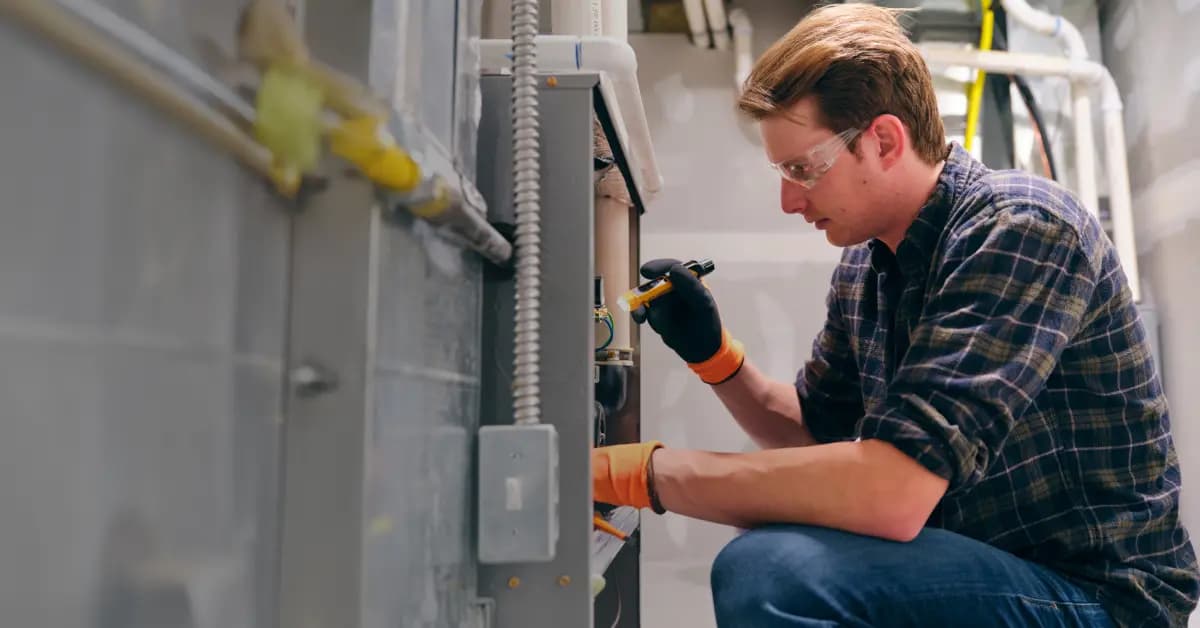
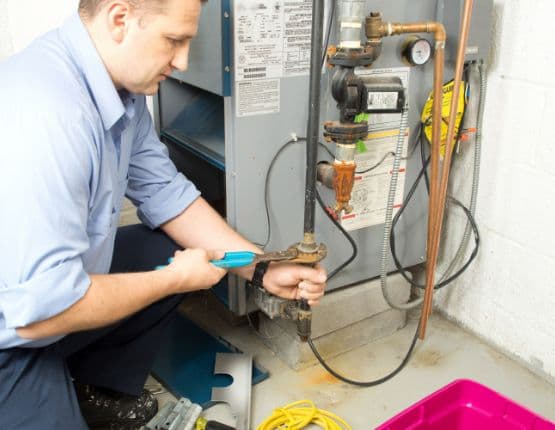
Order Trane Furnace Igniter Parts Online
Shopping for Trane furnace igniter parts online is simple and efficient with Repair Clinic. We offer a Price Match Guarantee on all genuine OEM replacement parts, ensuring you never overpay. Our No-Hassle 365-Day Returns allow you to return uninstalled parts within a year for any reason. Easily find the right igniter by searching with your model or part number, and enjoy the convenience of same-day shipping. Repair Clinic's large inventory and reliable service make it easy for homeowners and professionals to maintain their Trane furnaces. Visit our replacement parts page to find more.
Trane Furnace Model Number: Where to Look
On Trane furnaces, look for the model number on the rating plate inside the front access panel or on the blower compartment door. Some units place the label near the gas valve, so check there if it is not visible in either compartment. Record the complete model number, including letters and numbers, rather than the serial number. Type it into the model number search to pull up the parts matched to your unit. The model number filters the entire Trane furnace parts catalog, not just igniters, so you can review parts that fit your specific furnace. That means fewer wrong orders and a faster repair.

Fix Your Trane Furnace with Online Repair Help
The online repair library at Repair Clinic covers Trane Furnace diagnostics, part testing, and installation from start to finish. Symptom-based articles narrow the failing component, and matching repair videos or step-by-step written guides walk you through the fix. Use the model number lookup to confirm the exact OEM part before you order, then follow the exploded-view diagrams for a clean reassembly.
Related Furnace Repair Help Articles
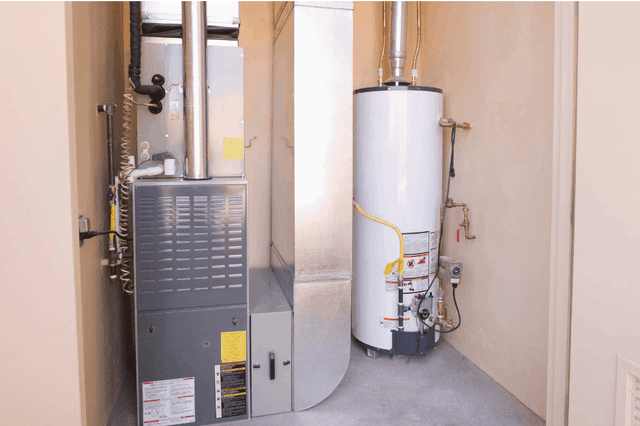
Top Reasons Furnace is Not Igniting
A furnace that fails to ignite can leave your home in the cold. Common issues include a faulty igniter, malfunctioning flame sensor, or a defective draft inducer fan motor. Replacing furnace filters and cleaning furnace parts can help prevent these problems.
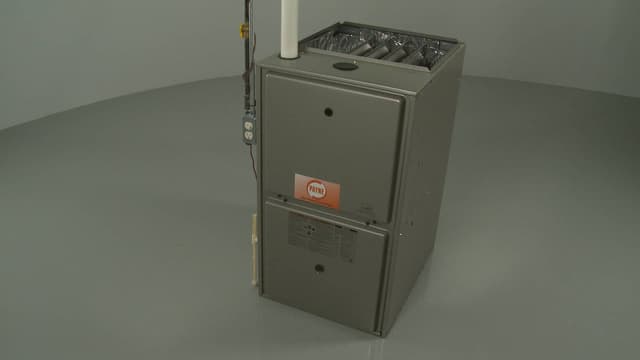
Why is My Furnace Not Working?
Learn why your furnace isn't working by understanding its ignition sequence and identifying common faulty parts like the igniter, flame sensor, or control board. This article provides practical repair tips and insights into each part's role in the heating process.
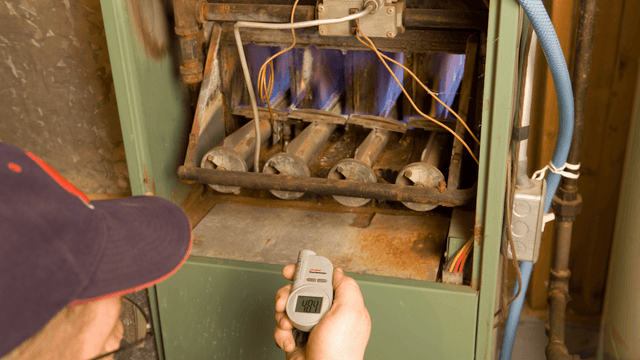
5 Causes of a Furnace Starting Then Stopping
A gas furnace that starts and then stops unexpectedly can be frustrating, especially during cold weather. This article explains five common causes, including issues with the flame sensor, pressure switch, control board, draft inducer fan motor, or air flow. Learn how each cause may impact your furnace's operation and get tips to resolve the problem.




Family-owned and operated since 1912, Burke America Parts Group is the longest-running genuine appliance, HVAC, and outdoor power equipment parts solution in North America. At Repair Clinic, we're proud to be an international brand trusted by the pros as well as the DIY community.
About Repair Clinic