


 Price Match Guarantee
- Amana
- Frigidaire
- GE
- Jenn Air
- Kenmore
- KitchenAid
- LG
- Maytag
- Samsung
- Whirlpool
- Admiral
- Bosch
- Caloric
- Crosley
- Dacor
- Danby
- E-Wave
- Electrolux
- Emerson
- Estate
- Gaggenau
- Gibson
- Goldstar
- Haier
- Hitachi
- Hotpoint
- Ikea
- Kenmore Pro
- Litton
- Magic Chef
- Modern Maid
- Montgomery Wards
- Panasonic
- Quasar
- RCA
- Roper
- Sanyo
- Sears
- Sharp
- Tappan
- Thermador
- Toshiba
- Universal
- Viking
- White-Westinghouse
- Adhesive
- Axle, Roller, Shaft, Wheel
- Bag
- Bearing
- Belt
- Blade
- Blower Wheel & Fan Blade
- Bracket & Flange
- Cap, Lid & Cover
- Capacitor
- Chassis
- Circuit Board & Timer
- Compressor & Sealed System
- Control Cable
- Curtain & Accordian
- Deflector & Chute
- Diode, Magnetron & Resistor
- Door
- Drawer
- Drip Bowl & Drip Pan
- Drum & Tub
- Duct & Venting
- Fastener
- Filter
- Finished Product
- Fuse, Thermal Fuse & Breaker
- Gas Burner & Control Valve
- Gasket & Seal
- Glass Tray, Coupler & Support Roller
- Grate & Griddle
- Grille & Kickplate
- Handle
- Heating Element
- Hinge
- Hose, Tube & Fitting
- Insulation
- Knob, Dial & Button
- Latch
- Leg, Foot & Caster
- Lighting & Light Bulb
- Manuals, Care Guides & Literature
- Miscellaneous
- Motor
- Oven Rack & Broiler Pan
- Paint
- Panel
- Power Cord
- Pulley
- Pump
- Sensor & Thermistor
- Shelf & Shelf Support
- Spring
- Switch
- Tank & Container
- Thermostat
- Tool
- Touchpad
- Transformer
- Trim
- Valve & Float
- Wire, Receptacle & Wire Connector
Find the right part faster
Multiple models matched. Select your model to confirm fit.





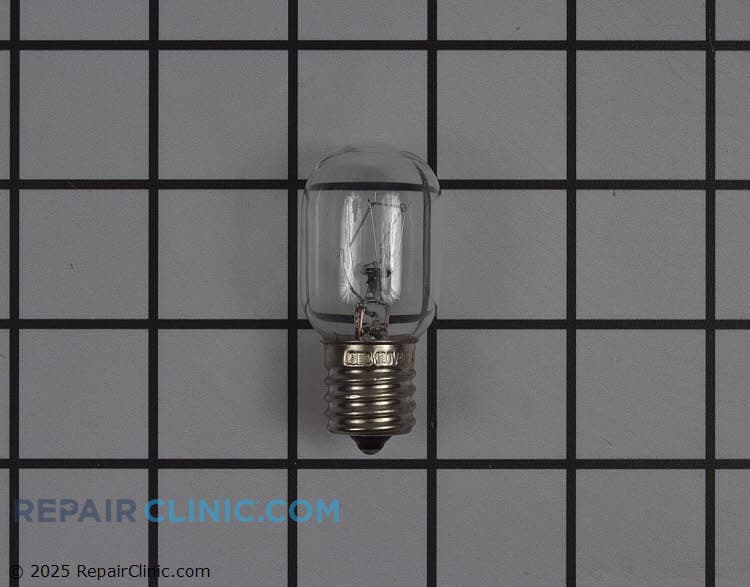
Microwave incandescent light bulb, 40 Watt. * Special Note* Manufacture recommends unplugging microwave prior to replacing light bulb.
RC Item #2304686
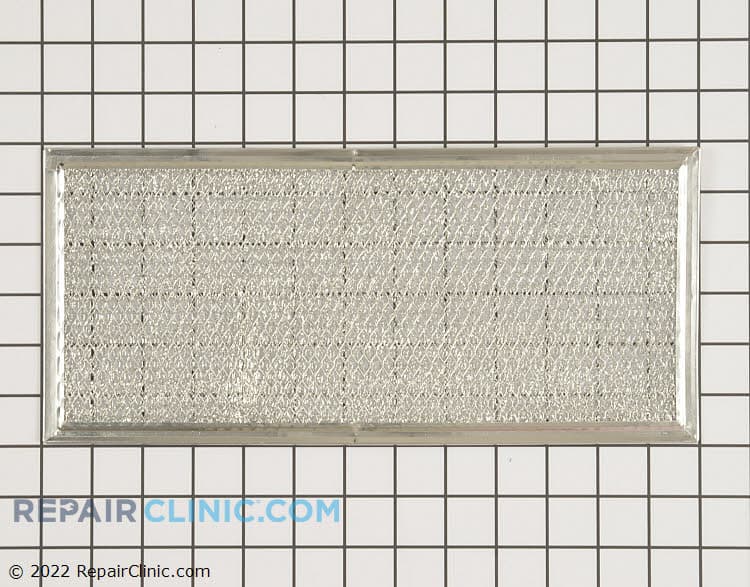
Grease filter assembly 13" X 6"

Charcoal filter. Measures approximately 5 1/2" x 5"
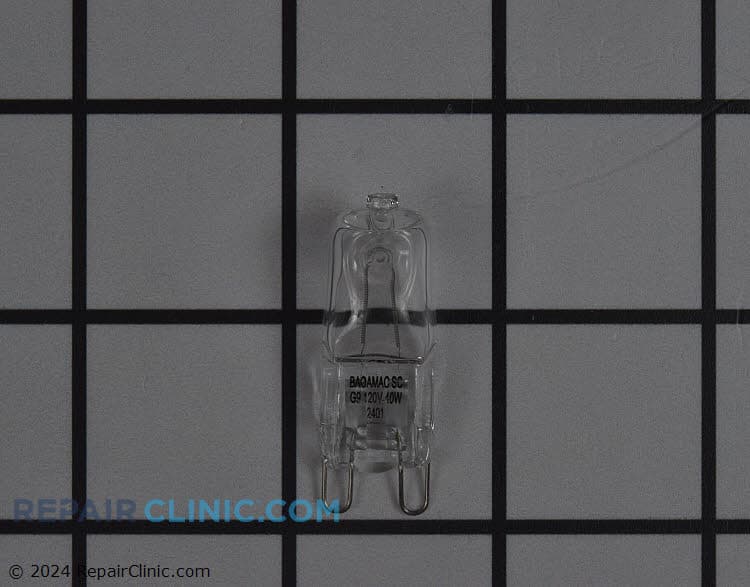
Halogen G9 Light Bulb, 120 Volts 40 Watts 60 HZ
RC Item #4985670

Charcoal filter
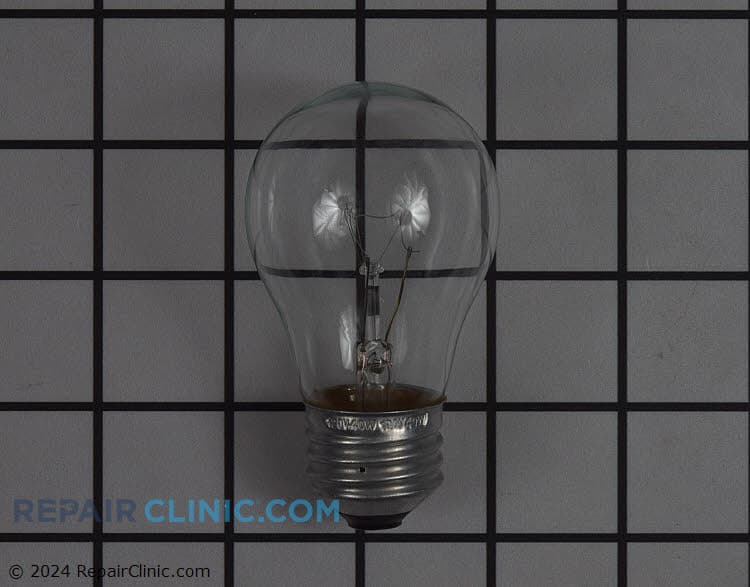
Appliance light bulb, clear 120 Volt 40 Watt Regular Base
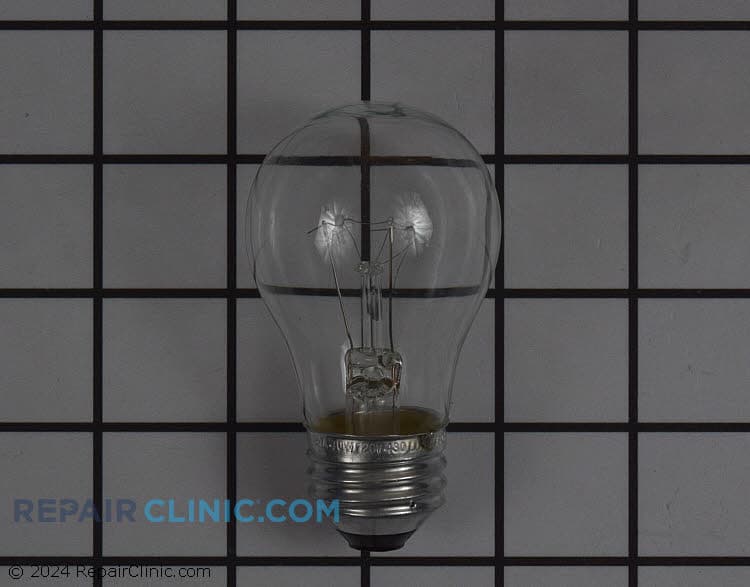
Light Bulb, 40 Watts regular base
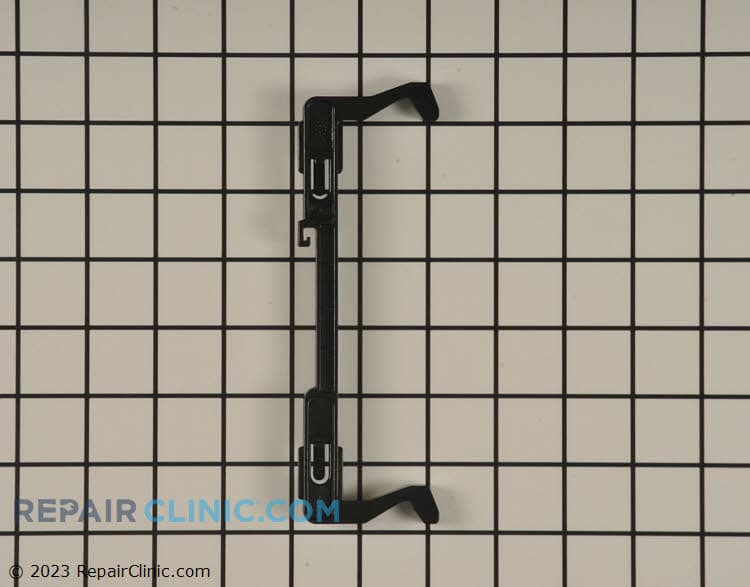
Latch, door
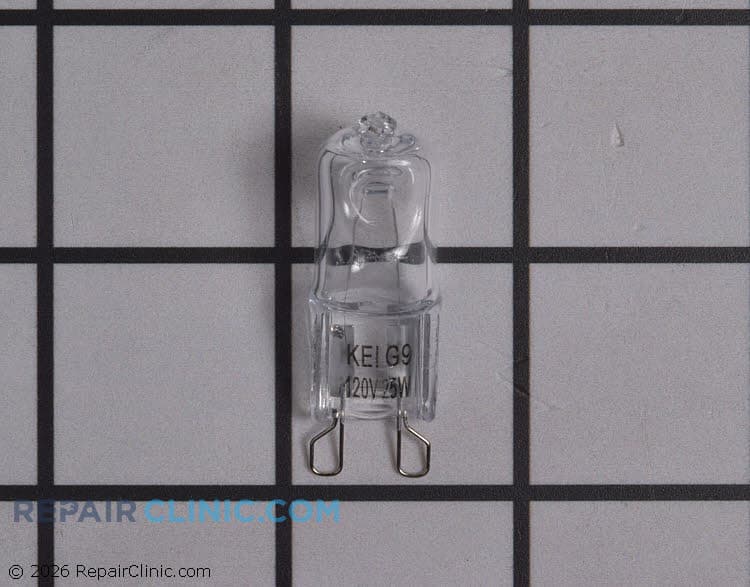
Microwave halogen light bulb. Rated for 120 Volts 25 Watts
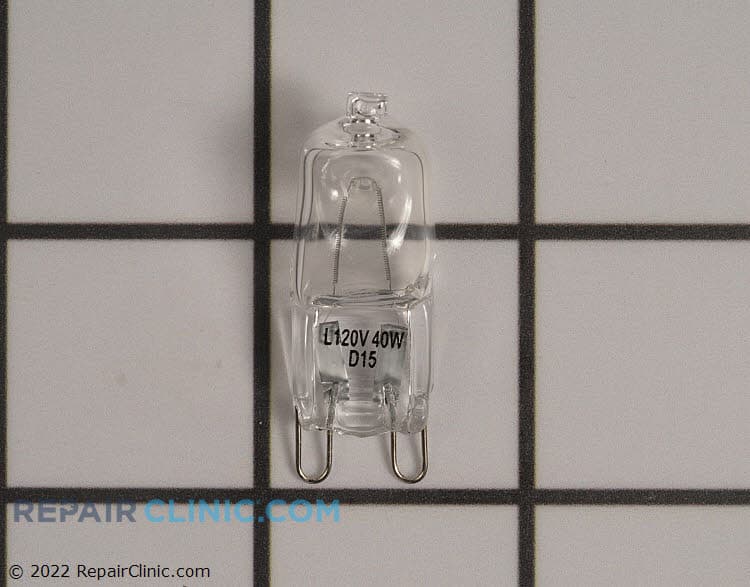
Halogen plug-in light bulb, 40 watts
RC Item #4920114
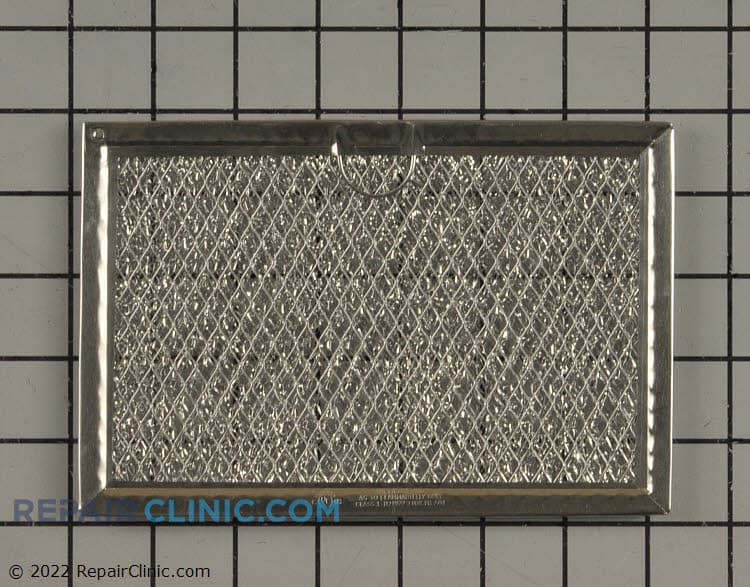
Filter
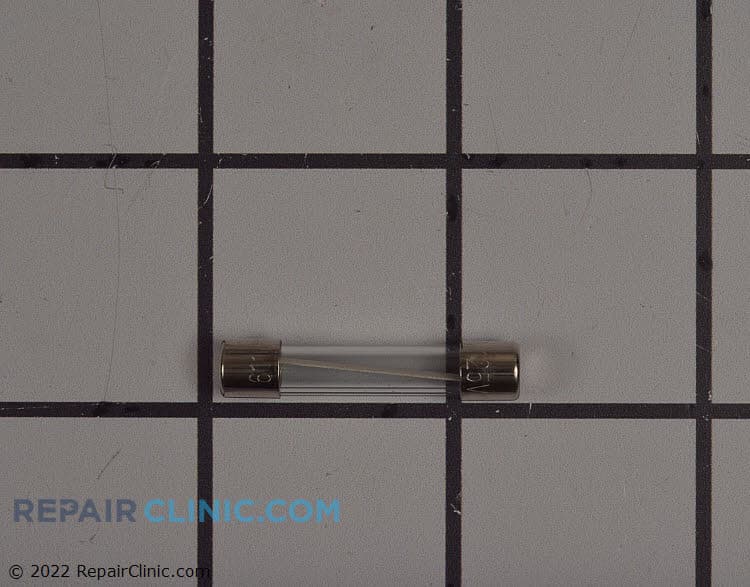
Line fuse. 125 volt. 20 amp.
RC Item #4455038

Charcoal Filter 5-7/16 by 3-1/4 inches.
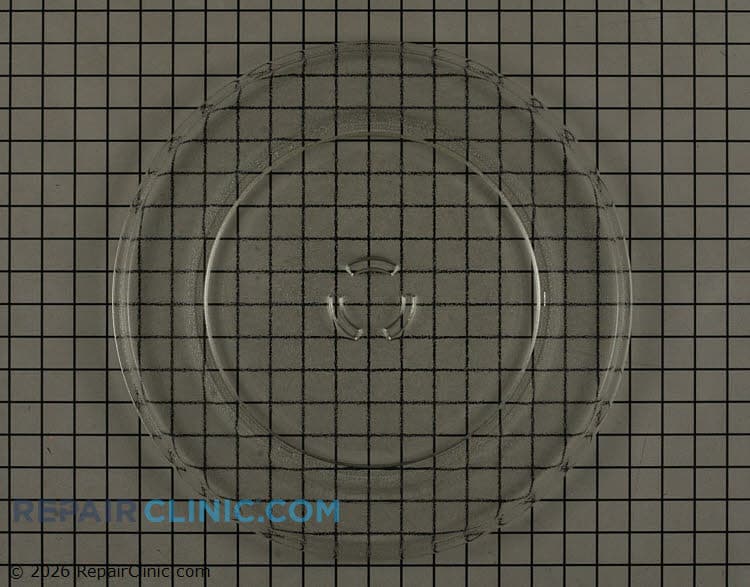
Cooking tray, 15.75 inch diameter
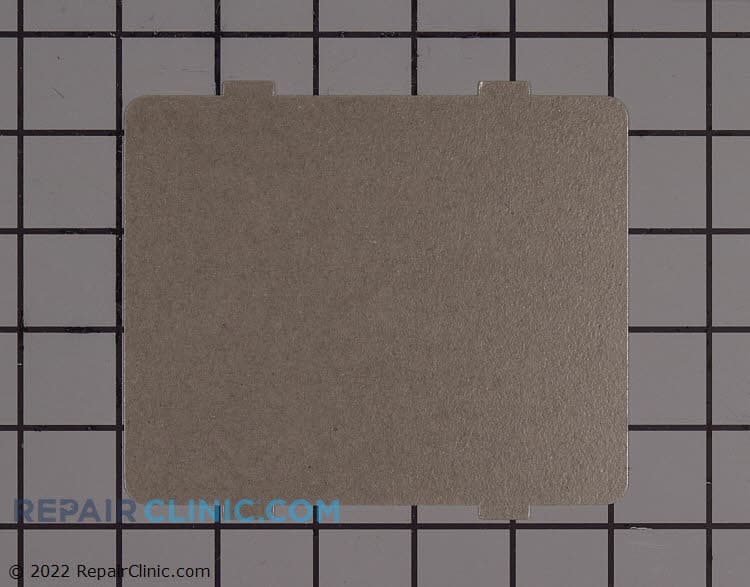
Wave guide cover


Common Microwave Parts and Symptoms
Microwaves fail in predictable ways, and most repairs come down to a handful of affordable, easy-to-replace parts. Whether your microwave won't start, heats unevenly, or has stopped heating altogether, identifying the right part can save you hundreds versus buying a new unit. Repair Clinic stocks genuine OEM microwave parts for many major brands — so you get the exact replacement your model needs, not a generic aftermarket substitute.
The good news: many microwave repairs are simple enough for DIY replacement if you have basic tools and confidence. Door switches, turntable motors, and waveguide covers are all straightforward swaps. Magnetron and capacitor repairs require more caution due to high-voltage parts, but we provide clear guidance on safety and part selection.
- Door switches failing: Microwave won't start, light stays on when door opens, or interior light won't turn off. All three door switches must work for the microwave to run.
- Magnetron not heating: Food stays cold even though the microwave runs normally. The magnetron generates microwave energy; when it fails, heat production stops entirely.
- Turntable not rotating: Carousel spins slowly or not at all. The turntable motor is an easy, inexpensive replacement that improves cooking consistency.
- Arcing or burning smell inside: The waveguide cover (thin plastic or mica sheet) over the magnetron has been damaged by food splatter, causing electrical arcing. Replace it immediately to prevent further damage.
- No heat but microwave runs: Check the high-voltage diode and capacitor. A failed diode is one of the cheapest microwave fixes and very common in mid-range models.
Popular Microwave Models
Related Microwave Parts
- Microwave Miscellaneous Parts
- Microwave Fastener Parts
- Microwave Door Parts
- Microwave Panel Parts
- Microwave Wire, Receptacle & Wire Connector Parts
- Microwave Touchpad Parts
- Microwave Circuit Board & Timer Parts
- Microwave Manuals, Care Guides & Literature
- Microwave Bracket & Flange Parts
- Microwave Cap, Lid & Cover Parts
- Microwave Switch Parts
- Microwave Motor Parts
- Microwave Knob, Dial & Button Parts
- Microwave Transformer Parts
- Microwave Handle Parts
- Microwave Latch Parts
- Microwave Duct & Venting Parts
- Microwave Glass Tray, Coupler & Support Roller Parts
- Microwave Power Cord Parts
- Microwave Capacitor Parts
- Microwave Diode, Magnetron & Resistor Parts
- Microwave Lighting & Light Bulb Parts
- Microwave Thermostat Parts
- Microwave Gasket & Seal Parts
- Microwave Hinge Parts
- Microwave Trim Parts
- Microwave Blower Wheel & Fan Blade Parts
- Microwave Insulation Parts
- Microwave Fuse, Thermal Fuse & Breaker Parts
- Microwave Filter Parts
- Microwave Spring Parts
- Microwave Grille & Kickplate Parts
- Microwave Sensor & Thermistor Parts
- Microwave Shelf & Shelf Support Parts
- Microwave Heating Element Parts
- Microwave Oven Rack & Broiler Pan Parts
- Microwave Bearing Parts
- Microwave Axle, Roller, Shaft, Wheel Parts
- Microwave Leg, Foot & Caster Parts
- Microwave Adhesive
- Microwave Blade Parts
- Microwave Drawer Parts
- Microwave Gas Burner & Control Valve Parts
- Microwave Finished Product Parts
- Microwave Paint
- Microwave Tool
- Microwave Belt Parts
- Microwave Compressor & Sealed System Parts
- Microwave Hose, Tube & Fitting Parts
- Microwave Chassis Parts
- Microwave Pulley Parts
- Microwave Drip Bowl & Drip Pan Parts
- Microwave Valve & Float Parts
- Microwave Deflector & Chute Parts
- Microwave Control Cable Parts
- Microwave Tank & Container Parts
- Microwave Grate & Griddle Parts
- Microwave Bag Parts
- Microwave Curtain & Accordian Parts
- Microwave Drum & Tub Parts
- Microwave Pump Parts
Microwave Parts: Frequently Asked Questions
Why won't my microwave start even though it sounds like it's running?
A microwave that hums but doesn't run almost always has a failed door switch. Microwaves have three interlock switches — all three must close for the unit to operate. If even one switch fails, the entire microwave shuts down as a safety measure. Test continuity on each switch with a multimeter, or replace them as a set. It's one of the most common and cheapest microwave repairs.
My microwave is making a burning smell — what's happening?
Arcing or a burning smell usually means food splatter has damaged the waveguide cover, a thin protective shield over the magnetron opening. Microwave energy arcs across the damage, creating sparks and burning plastic. Replace the waveguide cover immediately — continuing to use the microwave risks damage to the magnetron itself, which is a much more expensive repair. This is why it's critical to use microwave-safe covers when heating food.
How do I know if my magnetron is dead or if it's something cheaper?
Before assuming the magnetron has failed, check the high-voltage diode first. A burned-out diode prevents the magnetron from receiving proper voltage and is much cheaper to replace. Also verify the thermal fuse hasn't blown — it's a one-time safety device that cuts power if the microwave overheats. If the fuse is good and the diode checks out, then the magnetron is likely the culprit. For budget microwaves, magnetron cost often tips the repair-versus-replace decision, so knowing the exact part is worth it.
How do I find my microwave model number to order the right replacement part?
The microwave model number is usually printed on a sticker inside the microwave cavity, on the back panel, or on the interior wall near the hinges. It's typically a long alphanumeric code (for example, LMHM2237ST or ME21M706BAS). Enter your full model number into Repair Clinic's lookup tool and you'll see every compatible part for your exact machine — no guessing, no mismatches. If you can't find the model number, take a photo of the sticker and search by brand and a description of the issue; we'll help narrow it down.
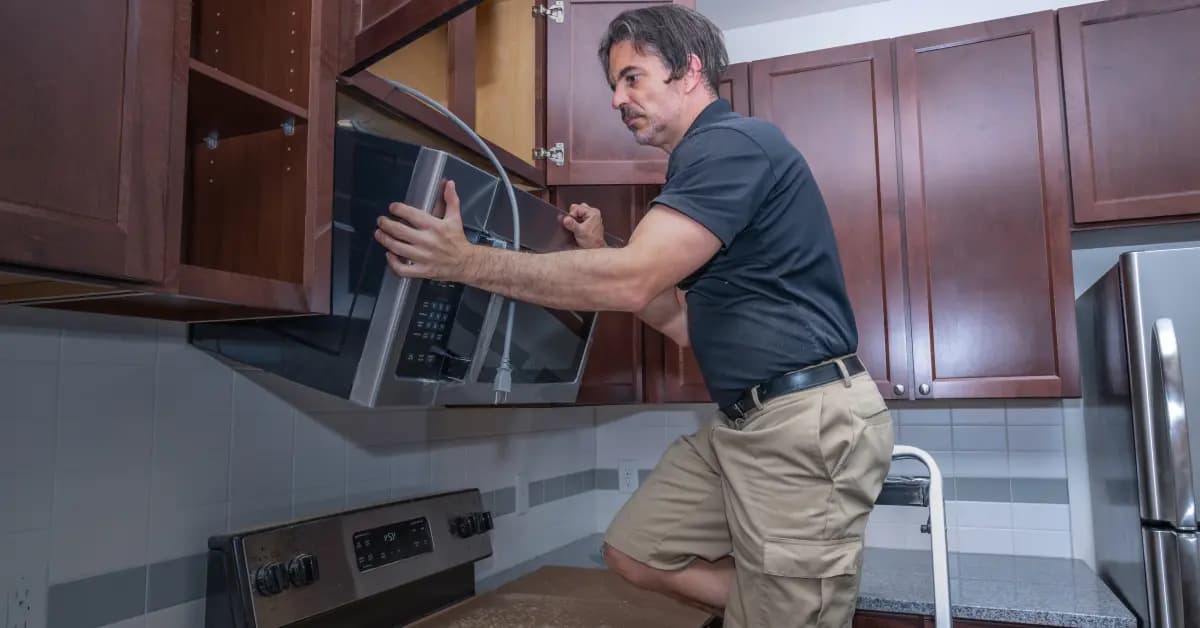
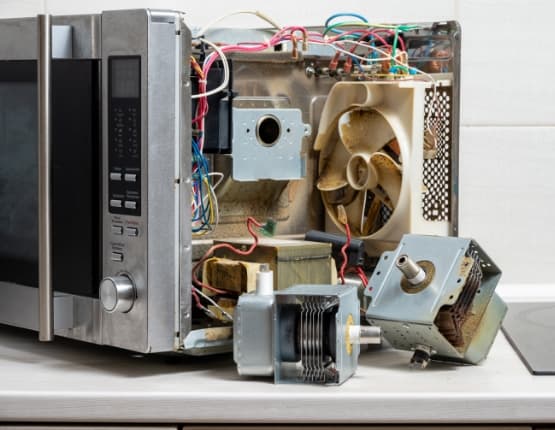
Order Microwave Replacement Parts Online
Ordering microwave replacement parts online is easy with Repair Clinic. You can quickly search by model or part number to find the exact parts you need. With our No-Hassle 365-Day Returns, you can return uninstalled parts within a year of purchase, supported by model-number lookup and return options with your order. Plus, we offer a Price Match Guarantee to help you shop with confidence on genuine OEM parts.
We provide same-day shipping on orders placed by 9:00 PM ET, ensuring that you receive your microwave parts as quickly as possible. Whether you're a homeowner looking to repair your microwave or a professional technician, Our online repair library provides the videos, guides, and diagrams to support the repair.
Enter Your Model Number to Match Microwave Parts
Check the label inside your microwave's door frame for the model number. If it is not there, look on the back or side cabinet, where manufacturers often place the appliance identification label. Copy the complete model number, including any letters, numbers, or slashes, and enter it in the model number search to pull up the parts matched to your unit. The model number applies to the entire microwave, not just a single replacement part, so using it narrows the full catalog to compatible doors, switches, filters, trays, controls, and other parts. You order with confidence knowing the fit is right.

Microwave Troubleshooting Videos and Repair Articles
Repair Clinic's online repair library is where Microwave owners and technicians go to diagnose the problem and complete the fix. Video walkthroughs, symptom articles, part testing tutorials, and exploded-view diagrams cover the most common repairs from start to finish. Model number lookup confirms the exact OEM part before you order.
Related Articles: Microwave Parts
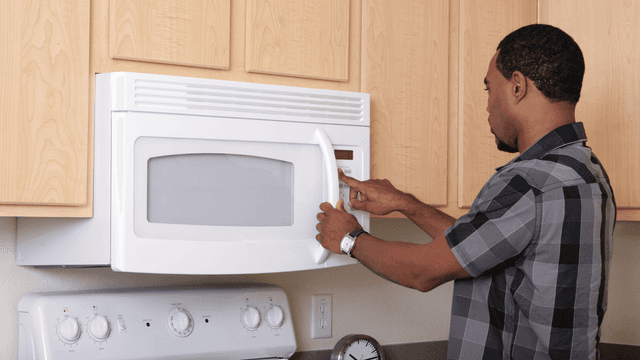
Why Is My Microwave Sparking?
Microwave sparking is often caused by food residue, a damaged waveguide cover, or a faulty diode. Identifying and fixing the issue quickly can prevent further damage and ensure safe operation.
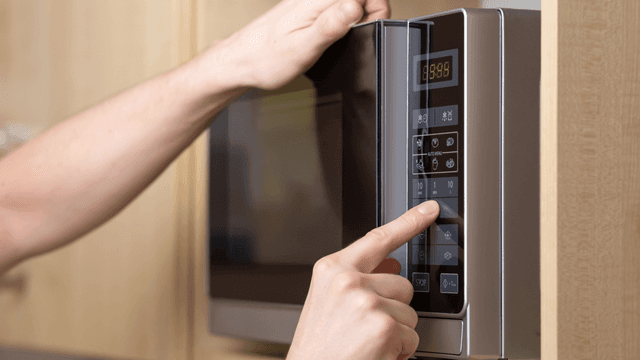
Why Your Microwave Keeps Tripping The Kitchen Circuit Breaker
If your microwave trips the breaker, the cause may be an overloaded circuit, faulty door switch, or failing magnetron. Troubleshooting the issue can help restore safe and reliable performance.
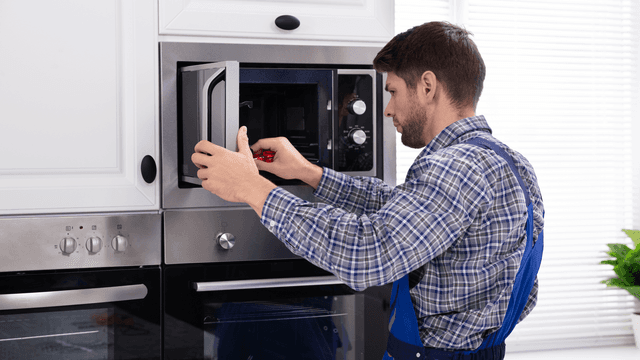
Why Won't The Microwave Door Open?
A stuck microwave door is usually due to a broken latch, faulty switch, or misaligned release mechanism. Understanding the cause can help you fix the problem and restore proper function.




Family-owned and operated since 1912, Burke America Parts Group is the longest-running genuine appliance, HVAC, and outdoor power equipment parts solution in North America. At Repair Clinic, we're proud to be an international brand trusted by the pros as well as the DIY community.
About Repair Clinic