


 Price Match Guarantee
Find the right part faster
Multiple models matched. Select your model to confirm fit.




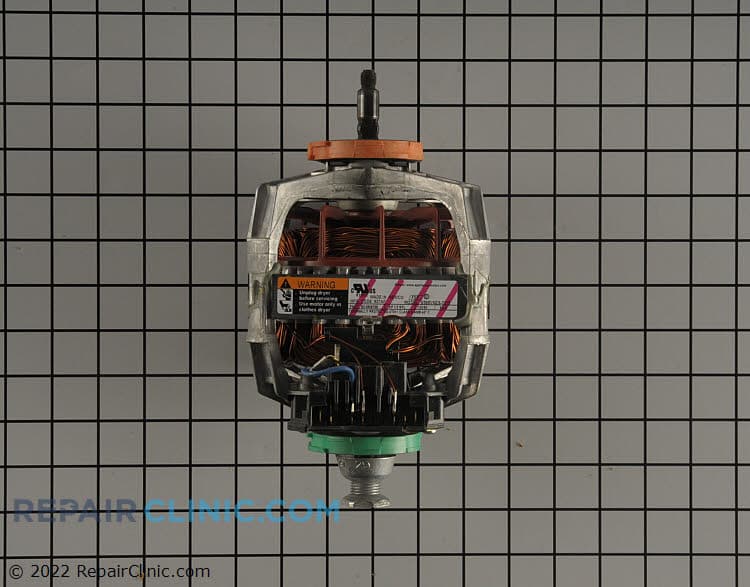
Dryer drum drive motor. Includes pulley for drum belt
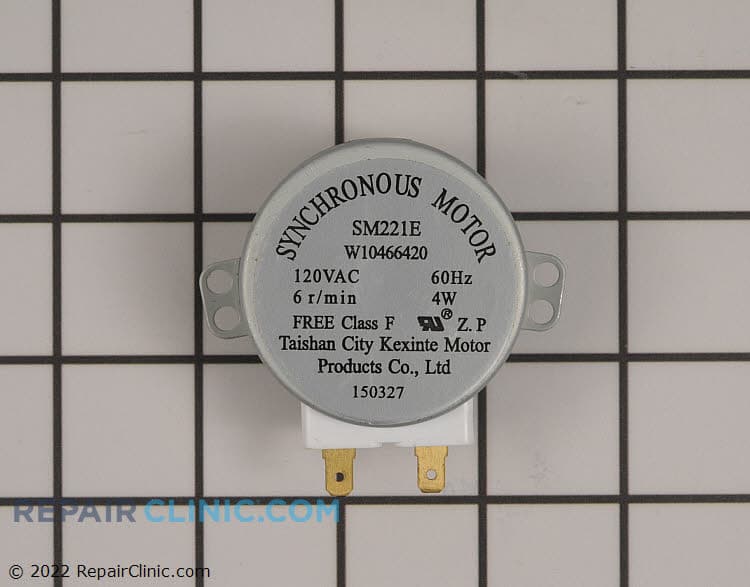
Turntable motor
RC Item #4454814
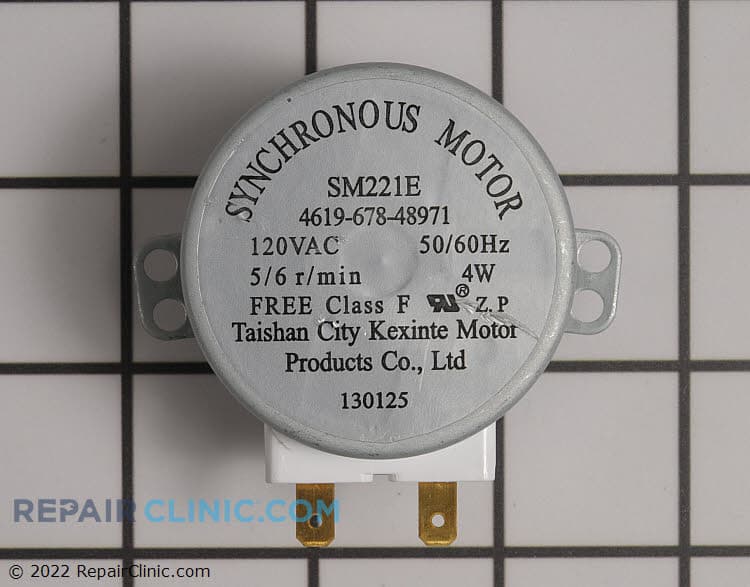
Turntable motor

Evaporator fan motor
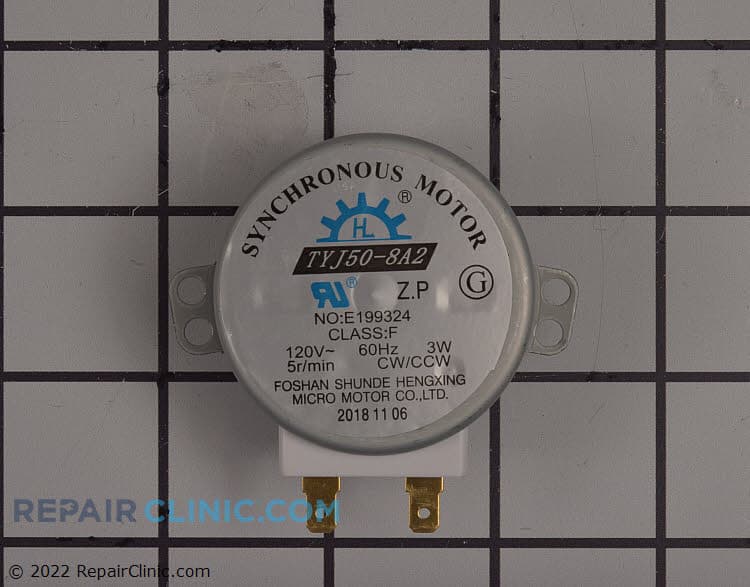
Turntable motor
RC Item #769741
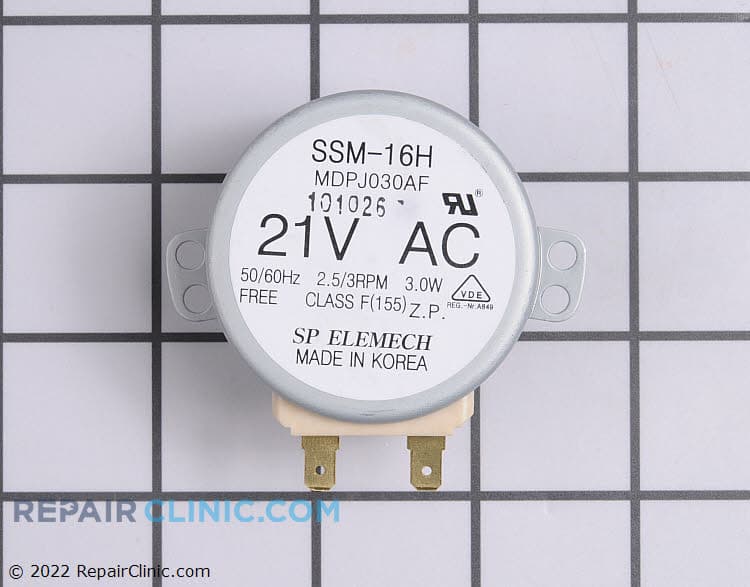
This is a genuine replacement part. GE WB26X10038 Microwave Turntable Motor
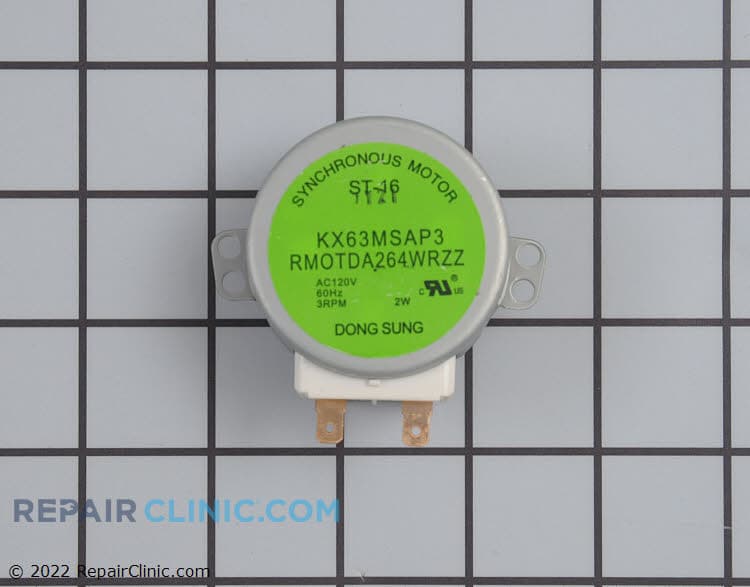
Turntable motor
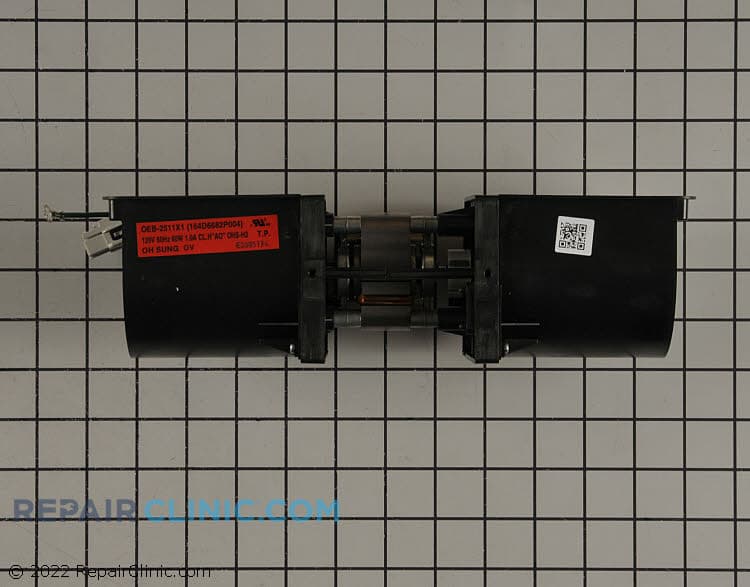
Cooling fan
RC Item #4382490
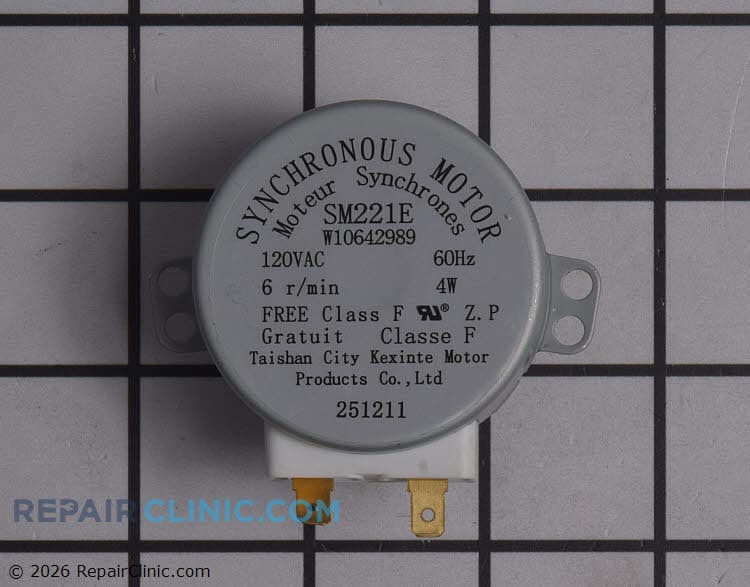
Turntable drive motor
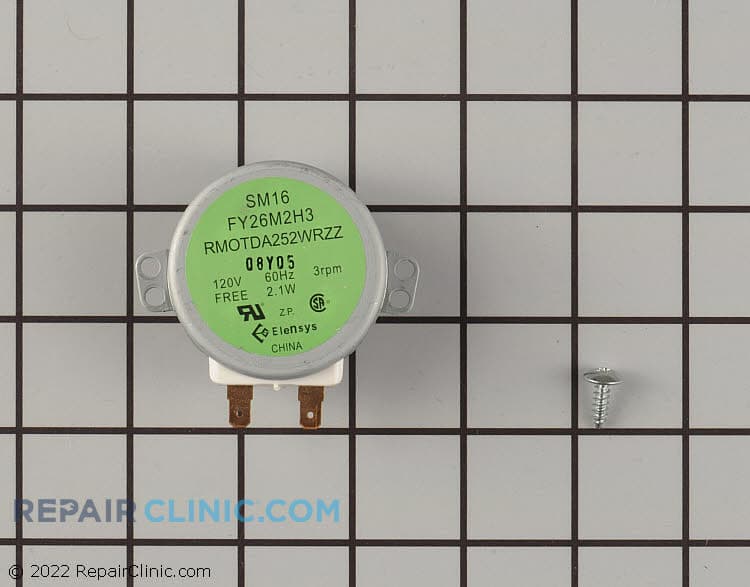
Turntable motor
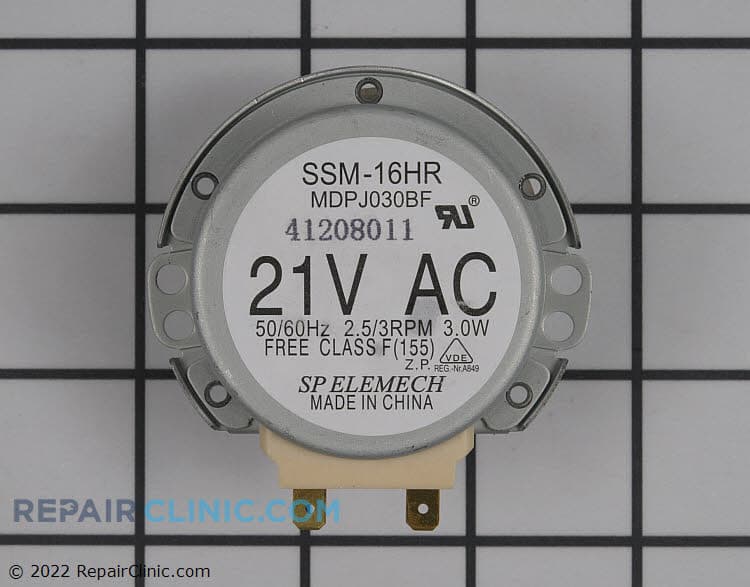
Turntable motor
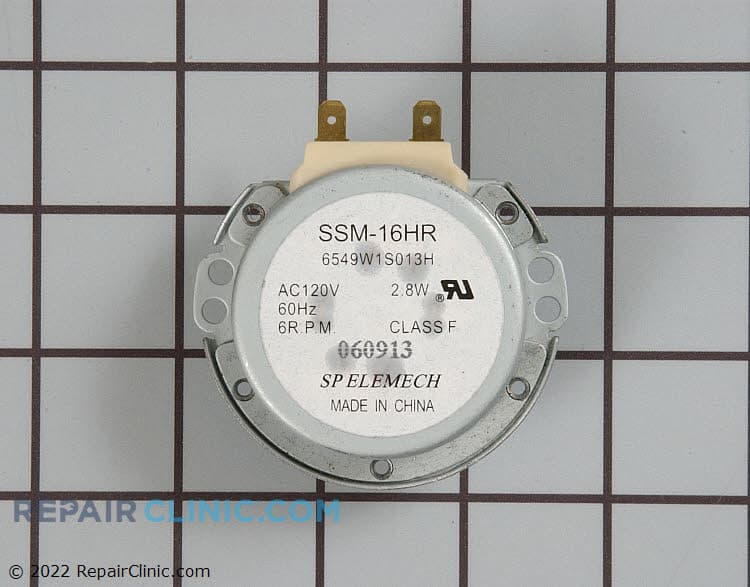
Turntable motor
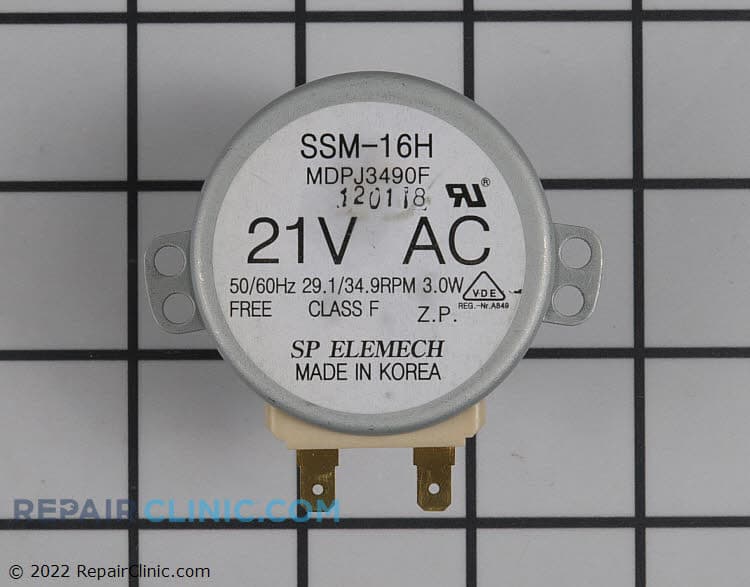
Stirrer drive motor (Square shaped shaft) If you have a "D" shaped shaft see related parts below.
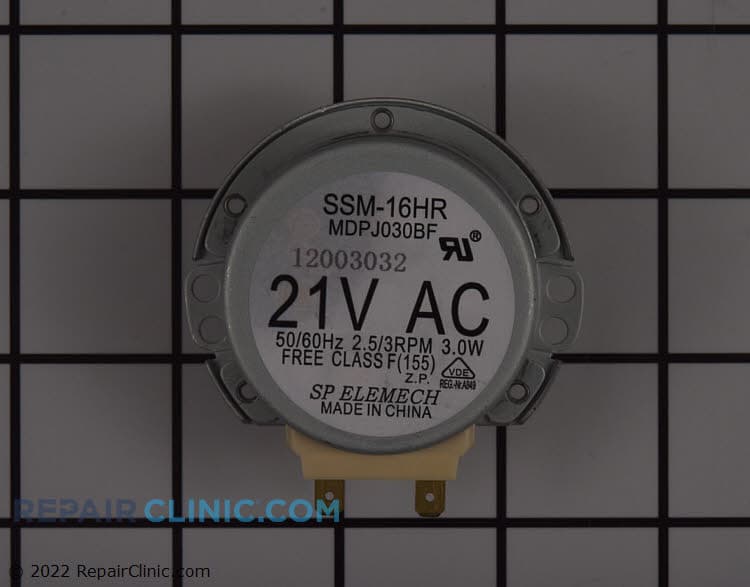
Turn table motor

Turntable motor


Microwave Turntable Motor & Blower Motor Parts
Microwave motors handle two critical jobs: spinning the turntable so food heats evenly, and pulling air across the magnetron to keep it cool. When either motor fails, you'll notice it right away — no rotation means cold spots in your food, and a dead blower motor can overheat the magnetron itself. The good news: microwave motors are straightforward replacements, and OEM motors come with exact voltage and speed ratings for your model.
Turntable motors are the most common failure. A motor that hums but doesn't spin, or spins only partway, is usually worn out — not a gearbox issue. Blower motors (found in over-the-range and some countertop models) run continuously during cooking to pull heat away from the magnetron. Both are plug-and-play once you access the cabinet.
- Turntable motor won't spin: Hums but rotation stalls; worn bearing or electrical failure
- Slow or intermittent rotation: Motor losing power; capacitor may be failing alongside it
- Blower motor silent: No cooling airflow; magnetron may overheat and fail next
- Motor noisy or grinding: Bearing wear; replacement is the fix
- Motor runs backward (rare): Wiring reversal or internal winding fault; verify connections first
Find your microwave model number on the serial plate (usually inside the door frame or back panel), then search Microwave Motor Parts by brand and model to confirm the exact motor assembly, voltage, and RPM for your unit.
Popular Microwave Models
Related Microwave Motor Parts
- Microwave Fan Motor Parts
- Microwave Turntable Motor Parts
- Microwave Motor Parts
- Microwave Blower Motor Parts
- Microwave Drive Motor Parts
- Microwave Stirrer Motor Parts
- Microwave Cooling Fan Parts
- Microwave Vent Fan Motor Parts
- Microwave Exhaust Fan Motor Parts
- Microwave Convection Motor Parts
- Microwave Blower Wheel and Housing Parts
- Microwave Condenser Fan Motor Parts
- Microwave Damper Motor Parts
- Microwave Synchronous Motor Parts
- Microwave Actuator Parts
- Microwave Evaporator Fan Motor Parts
- Microwave Motor Isolator Parts
- Microwave Piston Pin Fixture Parts
- Microwave Piston Parts
- Microwave Rotor and Disc Parts
- Microwave Stator Assembly Parts
Microwave Motor & Turntable Questions
Why does my microwave turntable spin slowly or stop mid-cycle?
A turntable motor that slows down or quits mid-cycle is almost always electrical wear, not a mechanical jam. The motor draws power at startup and maintains speed through the cycle — when it weakens, voltage drop causes slowdown. The turntable ring itself rarely breaks; it's the motor that fails. Verify the turntable rotates freely by hand (no binding), then replace the motor with an OEM unit rated for your model's voltage and speed.
Is the blower motor the same as the turntable motor?
No — they're completely different. Over-the-range (OTR) and some countertop microwaves have a separate blower motor that pulls cooling air across the magnetron. If your microwave heats fine but you notice no airflow sound, or the case feels hot during cooking, the blower motor has likely failed. Turntable motors are found in almost all microwaves; blower motors only in ventilated models. Use your model number to confirm which motor(s) your microwave has.
Can I run my microwave if the turntable motor is broken?
Technically yes, but you shouldn't — food will have hot and cold spots because rotation is what spreads heat evenly. The magnetron heats the same area of the food continuously while it sits still, creating dangerous temperature unevenness. Replace the turntable motor to restore even cooking. It's a $20 to $60 part and a 30-minute job.
How do I know if my microwave motor needs replacing vs. Cleaning?
If the motor hums when you start the microwave but the turntable doesn't spin (or spins only when you help it by hand), the motor is likely worn out, not jammed. If the turntable is stuck and won't budge — and the motor isn't humming — check for something blocking the turntable ring or gears first. Nine times out of ten, a silent or slow-spinning motor that hums means OEM motor replacement.
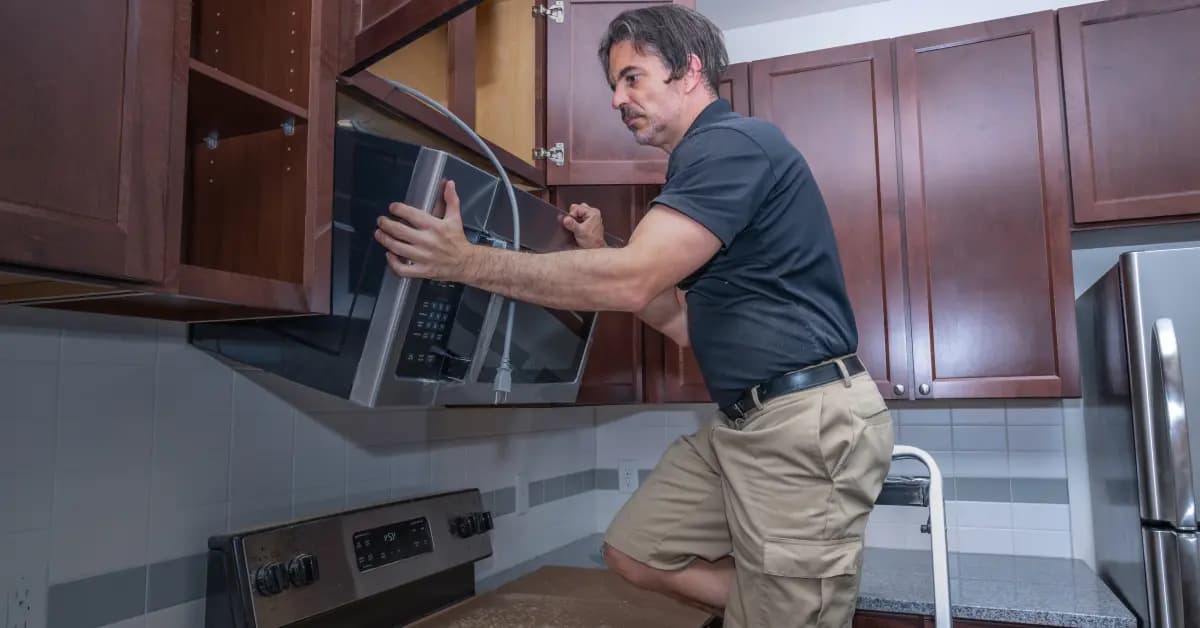
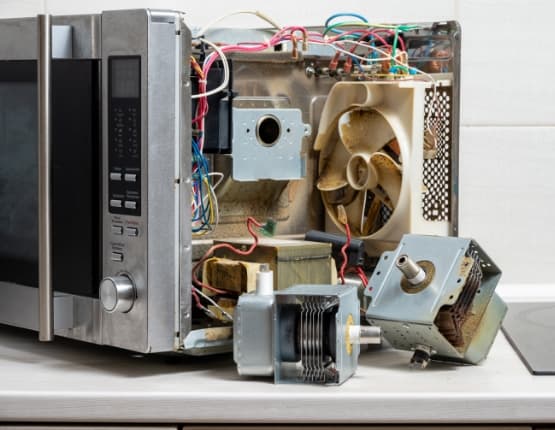
Order Microwave Motor Parts Online
Ensure your microwave operates smoothly by replacing faulty motor parts with genuine OEM microwave motor parts from Repair Clinic. A functional motor is key for the turntable and fan operation, preventing uneven cooking and overheating. Take advantage of our model number lookup to find the exact motor part for your microwave. Enjoy the convenience of same-day shipping, a Price Match Guarantee, and No-Hassle 365-Day Returns, ensuring a reliable shopping experience. For expert installation tips, visit our Microwave Repair Help page. Additionally, browse related options like Microwave Circuit Board Timer Parts to support your repair efforts.
Use Your Model Number to Find the Right Microwave Parts
Before ordering, locate the model number on the inside of your microwave's door frame, or check the back or side of the cabinet for the appliance label. Copy the number exactly, including letters, numbers, and any dashes or slashes. Type it into our model number lookup and the catalog narrows to parts made for your unit, not just the motor or other part you may be repairing. Using the complete model number helps match every associated part to the correct microwave configuration, even when similar models use different parts. You order with confidence knowing the fit is right.

Online Repair Library for Microwave
Repair Clinic's online repair library gives you the tools to diagnose and fix your Microwave without a service call. Common-symptom articles cover the most likely causes, part testing videos confirm the failed component, and step-by-step written guides walk you through the installation. Use the model number lookup to confirm the exact OEM part, and exploded-view diagrams and wiring illustrations support the more involved jobs.
Related Articles: Microwave Parts
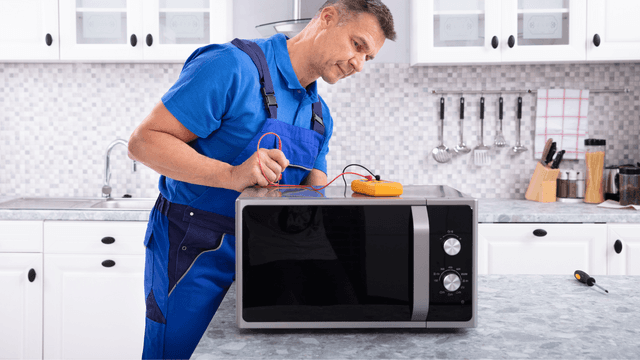
Testing A Microwave Capacitor
Learn how to safely test a microwave capacitor using a multimeter to determine if it's faulty and causing your microwave to malfunction.
7 Probable Causes Of Your Microwave Not Heating
Find the most common reasons your microwave isn't heating, from defective magnetrons to door switch failures, and how to troubleshoot each issue.
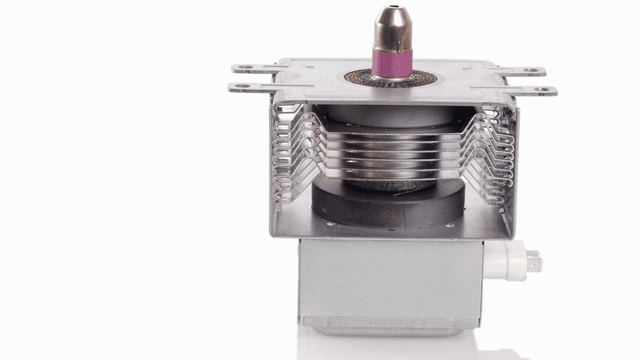
Microwave Magnetron Testing
Find out how to test a microwave magnetron to diagnose heating problems and determine if this crucial part needs to be replaced.




Family-owned and operated since 1912, Burke America Parts Group is the longest-running genuine appliance, HVAC, and outdoor power equipment parts solution in North America. At Repair Clinic, we're proud to be an international brand trusted by the pros as well as the DIY community.
About Repair Clinic