


 Price Match Guarantee
LG Dryer Heating Element Parts
Find the right part faster
Multiple models matched. Select your model to confirm fit.




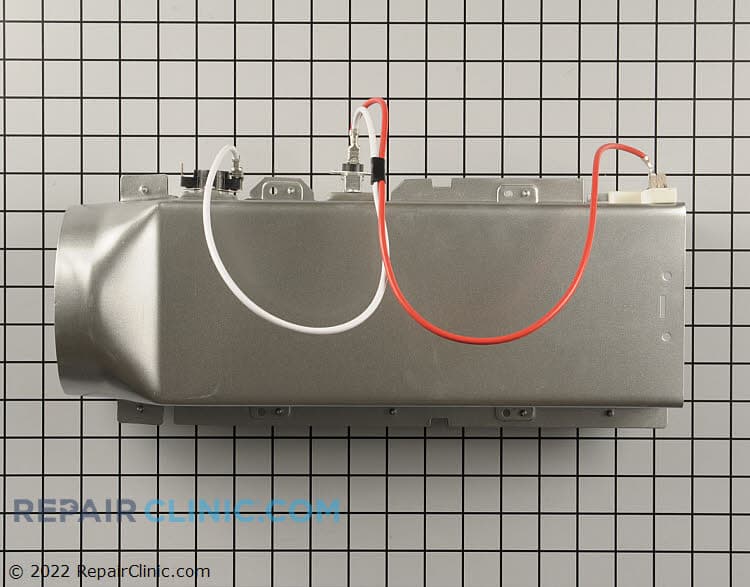
Dryer heating element assembly. If the dryer no longer heats then the heating element may have failed, but it is not the most common cause. The most common cause for a dryer to stop heating is a blown thermal fuse.
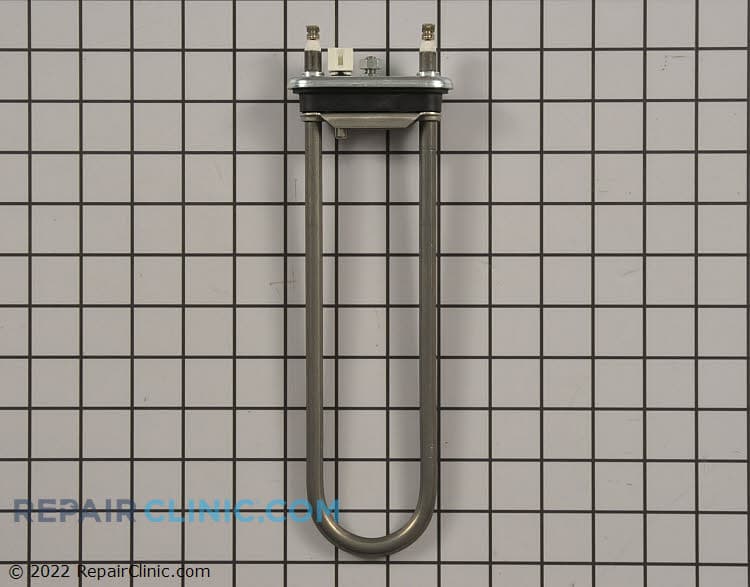
Heating element with sensor probe. Element has been changed. May require new wire harness to install. Please see related item.


Generator assembly
Generator assembly
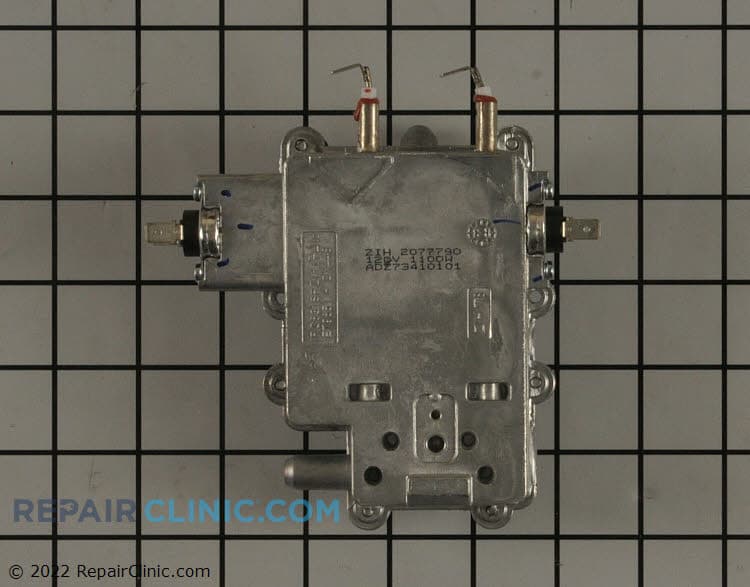
Generator assembly
Heater assembly
Guide assembly, *Includes all components of the generator assembly including the drawer, drawer guide, body frame, water tank, pump motor assembly, three hoses, and a clamp
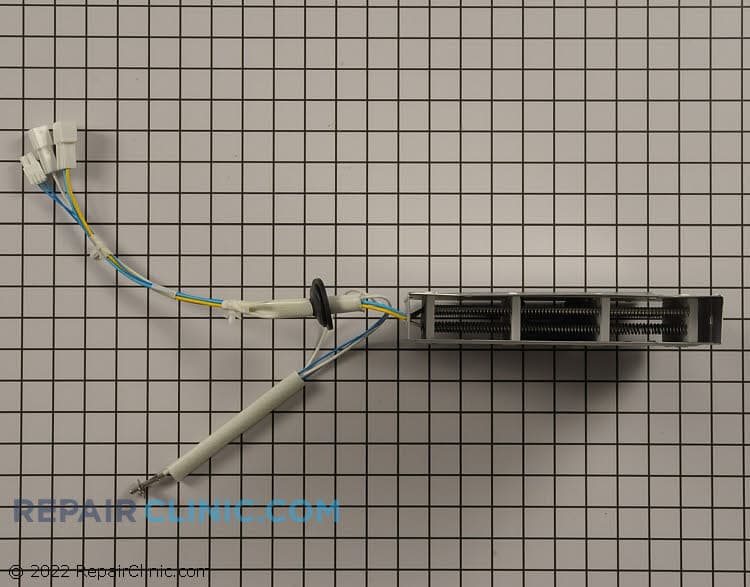
Heater Assembly
Guide assembly, *Includes all components of the generator assembly including the drawer, drawer guide, body frame, water tank, pump motor assembly, three hoses, and a clamp
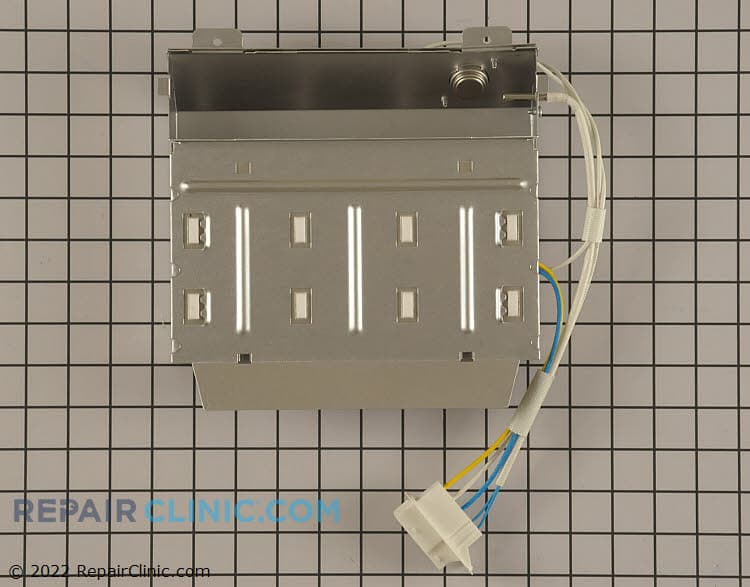
Heater assembly


LG Dryer Heating Element Replacement Parts
An LG dryer that runs but produces no heat almost always points to a failed heating element. The element is a coiled nichrome wire that generates the warmth your clothes need — when the coil breaks or the circuit opens, you get tumbling but cold air. It's one of the most common electric dryer repairs, and replacing it is straightforward with an OEM element that matches your model's wattage and voltage.
LG heating elements are engineered to the exact specifications of your dryer model. Using an OEM part ensures proper heat output, prevents overheating, and reliable performance. If your dryer runs for a full cycle but clothes come out damp and cold, the heating element is the first part to check.
- No heat but drum tumbles: Heating element failure; nichrome coil has broken
- Takes twice as long to dry clothes: Weakened element producing partial heat
- Thermal fuse blows after element replacement: Check vent blockage; clogged vent causes element to overheat and fuse to blow
- Visible burn mark or break in the element coil: Element is dead; replacement required
- Dryer gets hot but won't dry: Often the heating element, sometimes the blower wheel; airflow and heat work together
Enter your LG dryer model number above to find the exact heating element assembly for your machine. OEM elements come as a complete assembly ready to install.
Find Replacement LG Dryer Heating Element Parts Online by Model or Part Number
Popular LG Dryer Models
LG Dryer Heating Element: Frequently Asked Questions
Why did my heating element fail?
Heating elements in LG dryers typically fail from age and thermal cycling — the coil expands and contracts thousands of times over years of use. A clogged vent is the #1 cause of premature failure; restricted airflow forces the element to work harder and overheat, shortening its life significantly. Always check that your dryer vent is clear before replacing the element. If you're replacing the element because the thermal fuse keeps blowing, a blocked vent is almost certainly the real culprit.
How do I find my LG dryer model number?
The model number is usually on a sticker inside the door frame, on the back panel, or on the side wall of the cabinet. It starts with letters (like DLE, DLEC, DLEX) followed by numbers. Write down the complete model number — LG has many similar models, and the element specifications vary between them. If you can't locate the sticker, check your warranty paperwork or your online retailer account; they often have your model on file.
Can I use a universal or aftermarket heating element instead of OEM?
Universal elements exist, but OEM LG heating elements are the right choice. Aftermarket elements may be close in size but often have different wattage or resistance, which means uneven heat output or premature failure. LG engineers each element to match your dryer's electrical system and vent restrictions. An OEM element costs only a few dollars more and eliminates guesswork about compatibility.
What if the heating element is not the problem?
If your element tests good but the dryer still won't heat, check the thermal fuse (blown fuses are the second-most-common no-heat failure), the blower wheel for blockage, and your exhaust vent for lint clogs. A restricted vent also prevents heat from building up in the drum. If airflow is clear and the fuse is good, the issue may be a limit switch, cycling thermostat, or control board — enter your model number to see all available heating and safety parts for your LG dryer.
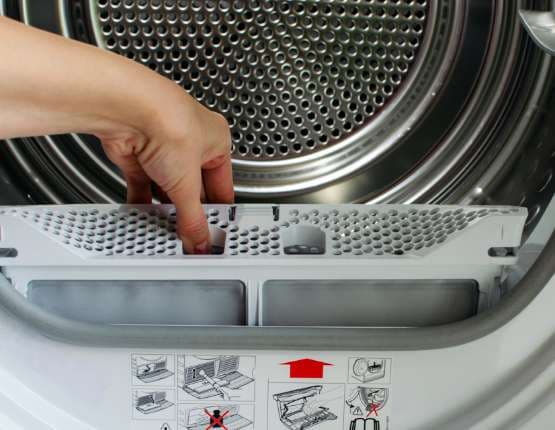
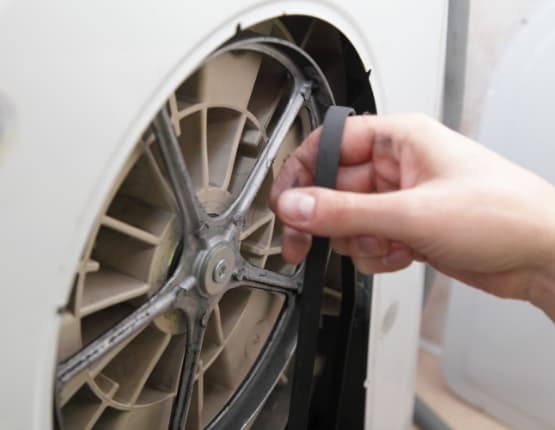
Order LG Dryer Heating Element Replacement Parts Online
Maintain your LG dryer's reliable operation with genuine OEM heating element replacement parts from Repair Clinic. A faulty heating element can cause your dryer to not heat properly, leading to longer drying times or no heat at all. Use our model number lookup tool to find the exact LG heating element for your dryer, ensuring a proper fit and proper functionality. With our same-day shipping, No-Hassle 365-Day Returns, and Price Match Guarantee, ordering online is stress-free and efficient. For troubleshooting and installation tips, visit our Dryer Repair Help page. Browse other related options like LG Dryer Parts to keep your appliance in peak condition.
LG Dryer Model Number: Where to Look
LG typically places the dryer model number on a label inside the door opening, although you may also find it on the back panel or behind the lint filter door. Open the dryer and check the frame and nearby cabinet surfaces for a label listing the model and serial numbers. Record the complete model number, including any letters and numbers, since similar LG dryers can use different parts. Enter it in the model number lookup, and the catalog will narrow to parts made for your entire unit, not just one part. That means fewer wrong orders and a faster repair.

Online Guides and Videos for LG Dryer
Repair Clinic makes LG Dryer repair straightforward with a deep online library of videos, guides, and diagnostic articles. Step-by-step written instructions cover disassembly, testing, and reassembly, and the video library shows the same work in action so you can follow along. Use the model number lookup to confirm the exact OEM part, and wiring diagrams and part testing walkthroughs support the more technical steps.
Related Articles: Dryer Parts
Why Would A Dryer Keep Shutting Off?
Is your dryer shutting off unexpectedly? Learn the common causes of airflow issues, faulty thermostats, heating element failure, and more, plus how to fix them with expert repair tips and OEM parts from Repair Clinic.
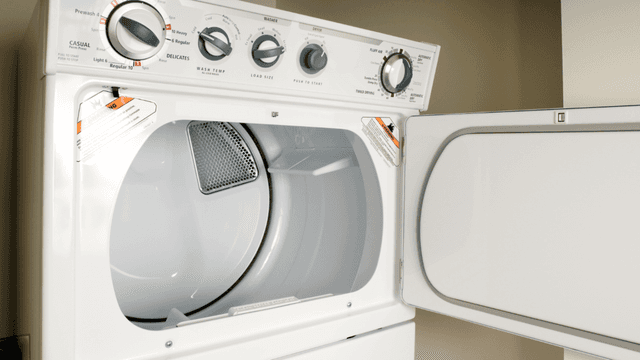
Dryer Won't Start? Let's Troubleshoot
Dryer won't start or turn on? Learn the common causes, from faulty start switches to blown thermal fuses, and find step-by-step troubleshooting tips. Get expert repair advice and genuine OEM parts from Repair Clinic.
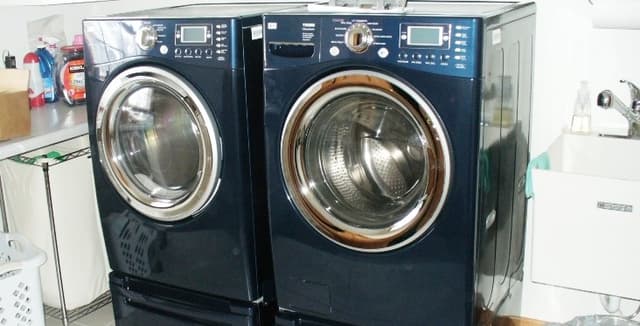
Top 5 Reasons a Dryer Drum Won't Spin
Dryer drum won't spin? Learn the top 5 reasons why, from a broken drive belt to worn rollers or a faulty motor. Get expert troubleshooting tips and shop genuine OEM dryer parts at Repair Clinic.




Family-owned and operated since 1912, Burke America Parts Group is the longest-running genuine appliance, HVAC, and outdoor power equipment parts solution in North America. At Repair Clinic, we're proud to be an international brand trusted by the pros as well as the DIY community.
About Repair Clinic