


 Price Match Guarantee
Weed Eater Lawn Mower Transmission, Brake & Clutch Parts



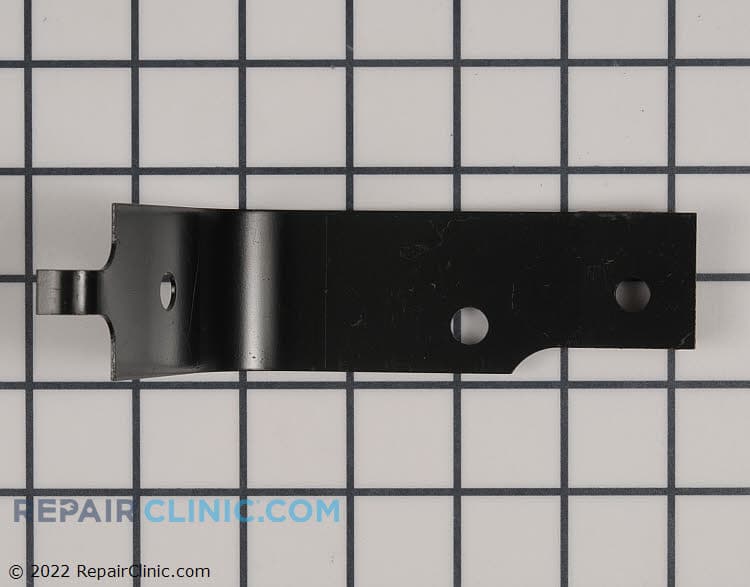
Brake assembly
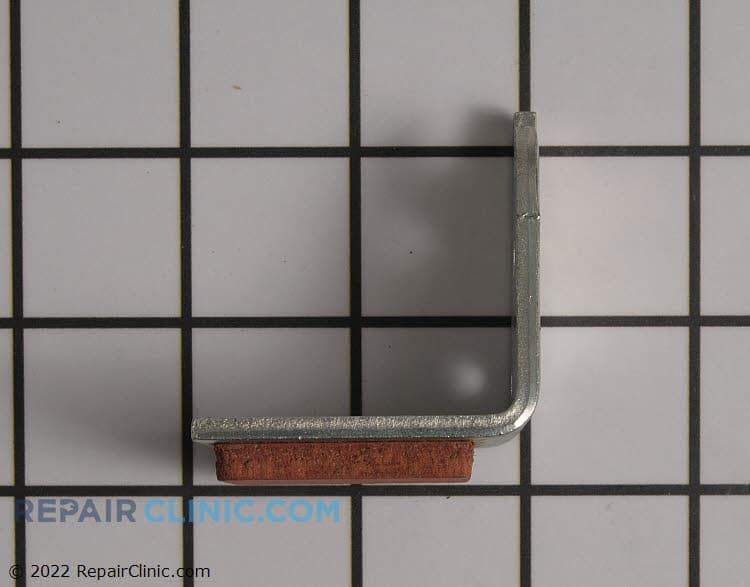
Brkae.arm.rh
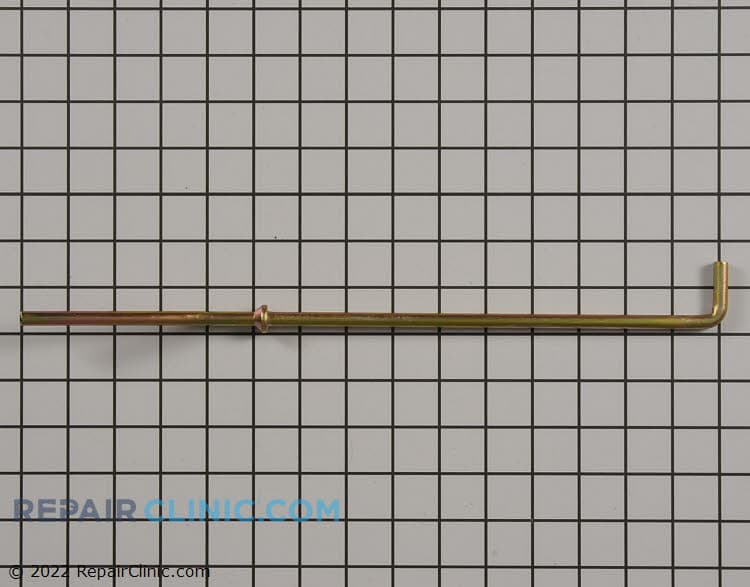
Rod.brake.(3 2)(5 2)


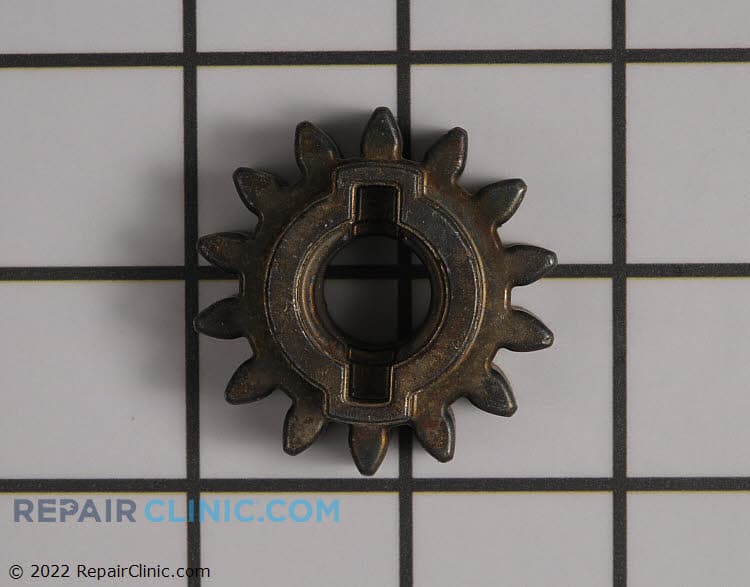
Wheel drive pinion gear
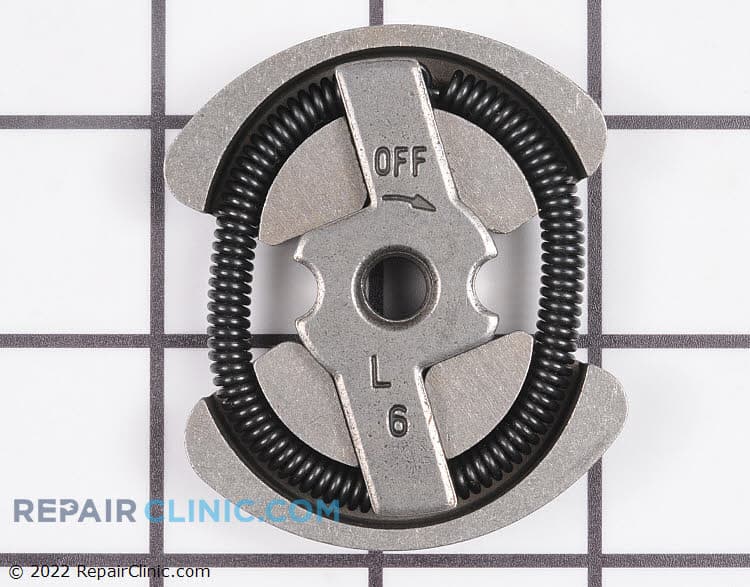
Assembly-clutch
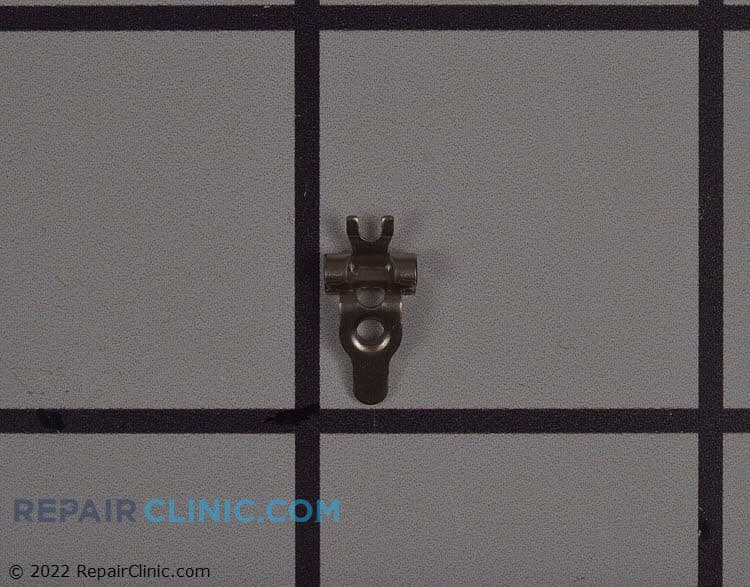
Float Needle Lever
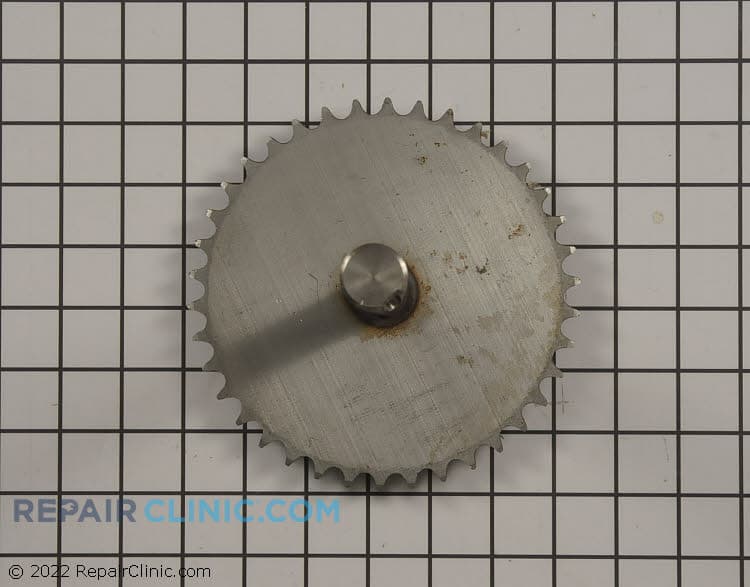
Weldment.axle.driven
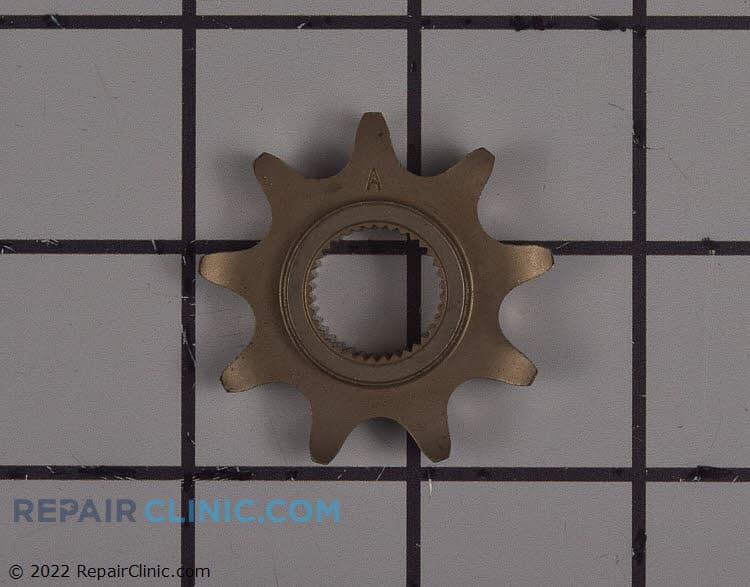
Sprocket.9.tooth.splined
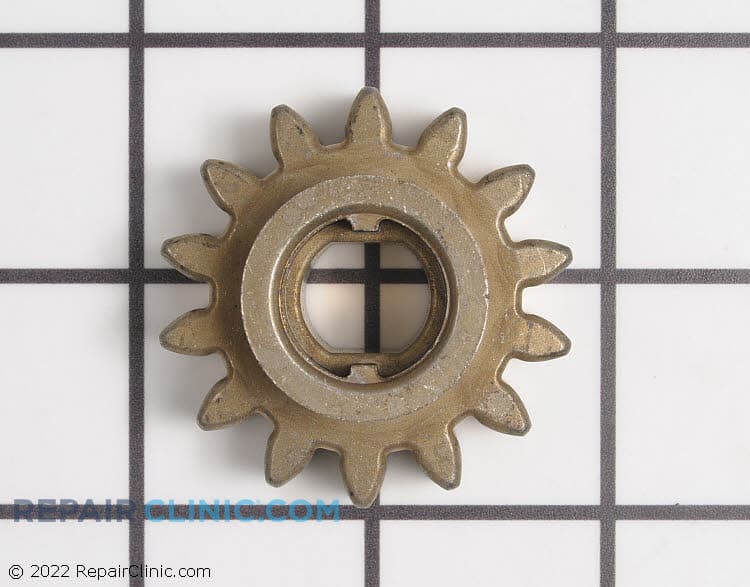
Pinion gear
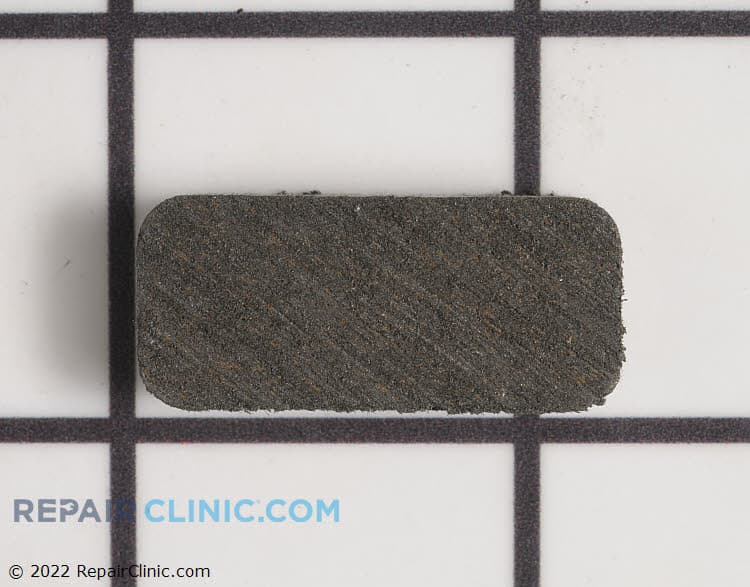
Puck.brake
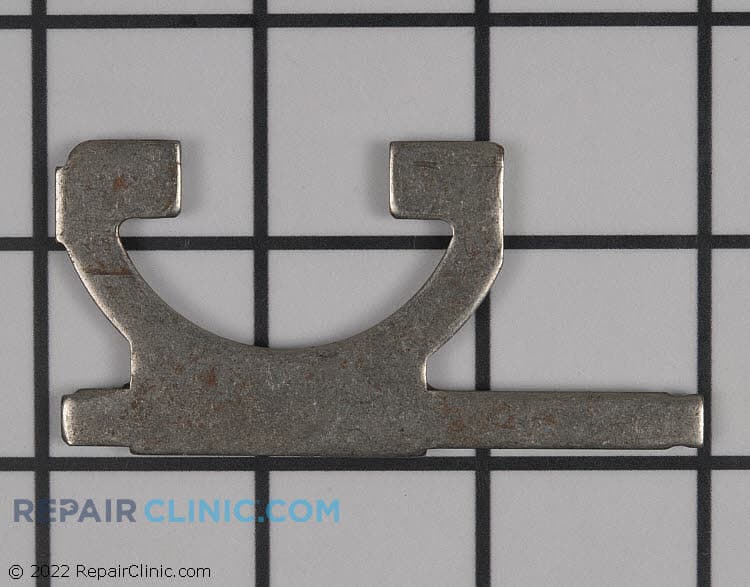
Clutch yoke

Transaxle
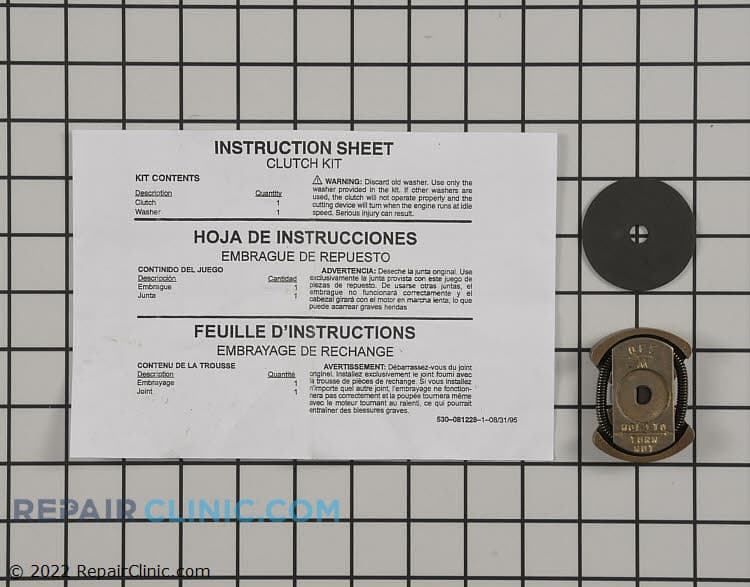
Kit-clutch assy
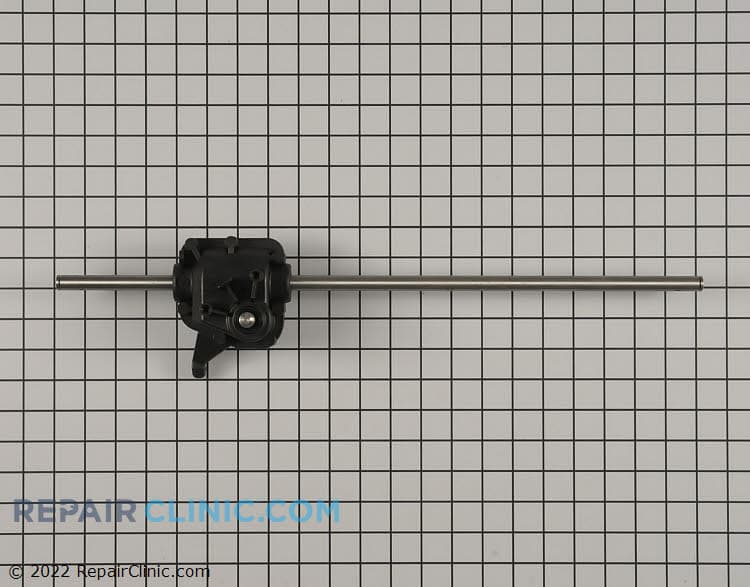
Transmission Assembly for Walking Lawn Mowers
Hardware pieces are sold separately. Please see related items below for suggested pieces to replace with this part.
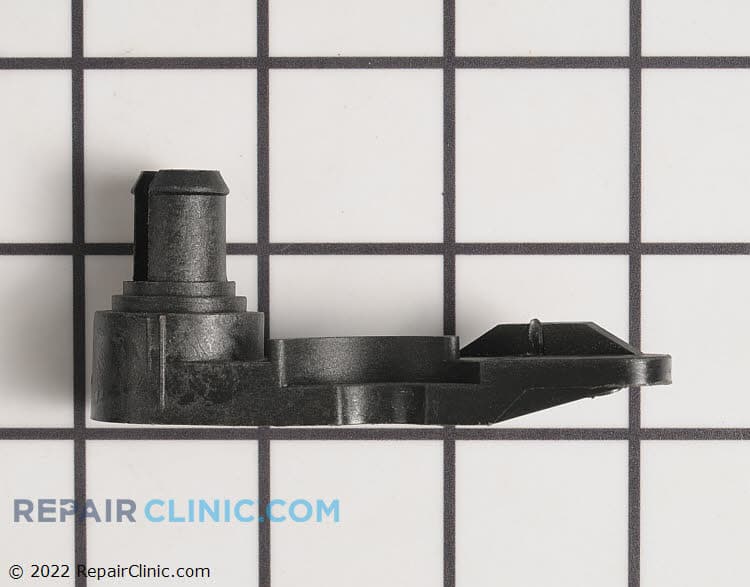
Lever.clutch.(11041)


Weed Eater Lawn Mower Transmission & Drive System Parts
When your Weed Eater stops moving or lurches forward unpredictably, transmission failure is often the culprit. Genuine OEM parts like belts, pulleys, and transaxles restore smooth power delivery from engine to wheels—and they're engineered to your exact model's specifications. Repair Clinic stocks genuine Weed Eater parts that keep your mower cutting season after season.
Drive system problems don't wait, especially mid-season. A worn belt slips under load, a failing clutch cable leaves you stranded, and a damaged pulley throws everything out of alignment. Replace worn parts now with OEM quality.
- Transmission belts: Cracking, fraying, or loss of grip causes weak self-propel or complete drive failure
- Clutch cables: Stretched or snapped cables prevent engagement and leave you pushing manually
- Transaxles: Grinding, leaking fluid, or refusal to engage signals internal wear
- Pulleys & spindles: Worn bearings create noise and vibration during operation
- Brake parts: Soft or unresponsive braking indicates cable or pad deterioration
Find Replacement Weed Eater Lawn Mower Transmission, Brake & Clutch Parts Online by Model or Part Number
Popular Weed Eater Lawn Mower Models
Related Weed Eater Lawn Mower Transmission, Brake & Clutch Parts
- Weed Eater Lawn Mower Gear Parts
- Weed Eater Lawn Mower Clutch Lever Parts
- Weed Eater Lawn Mower Clutch Parts
- Weed Eater Lawn Mower Transmission Parts
- Weed Eater Lawn Mower Brake Arm Parts
- Weed Eater Lawn Mower Brake Assembly Parts
- Weed Eater Lawn Mower Brake Pad Parts
- Weed Eater Lawn Mower Brake Parts
- Weed Eater Lawn Mower Lever Parts
- Weed Eater Lawn Mower Sprocket Parts
- Weed Eater Lawn Mower Transaxle Assembly Parts
Weed Eater Transmission, Brake & Clutch Repair Guide
What causes transmission slipping on my Weed Eater mower?
The drive belt is the most common culprit—age, grass debris, and heat degrade rubber over time. Check for fraying, cracks, or glazing on the belt surface. If it looks worn, replacement is straightforward. Also inspect the pulleys for damage; a bent pulley won't grip the belt evenly. Transmission fluid leaks from the transaxle are rarer but serious—they require professional service or transaxle replacement.
How do I find my Weed Eater model number for the correct parts?
Locate the model plate on your mower's frame or fuel tank—it's usually a sticker or stamped metal tag near the engine or under the seat. Write down the full model and serial numbers before ordering. Repair Clinic's parts finder lets you enter this information to pull up exact-fit parts. Never guess on transmission parts; one digit off means incompatibility.
Why is my Weed Eater clutch cable stuck or won't disengage?
Exposure to moisture and grass residue causes cable corrosion and binding. Clean the cable housing first; if that doesn't free it, the inner wire is likely frayed or kinked inside. Replacement cables are affordable and install in minutes. While you're at it, lubricate the new cable with light grease to extend its life through next season.
Can I mix aftermarket and OEM parts in my transmission system?
Stick with genuine OEM parts for critical drive parts. Transmission belts, clutches, and transaxles are precision-engineered for your Weed Eater model's engine power and blade load. Mixing brands or generic replacements causes premature wear, misalignment, and potential safety hazards. OEM quality is one reliable way to restore factory performance.
Shop Weed Eater Lawn Mower Transmission, Brake & Clutch Parts Online
Ensure your Weed Eater Lawn Mower operates smoothly with genuine OEM transmission, brake, and clutch parts available from Repair Clinic. These parts are needed for maintaining the performance and safety of your mower, allowing for precise control and efficient operation. Use our model number lookup tool to find the exact parts needed for your machine. Enjoy the convenience of same-day shipping, No-Hassle 365-Day Returns, and our Price Match Guarantee. For further assistance, visit our Lawn Mower Repair Help page, or browse other Weed Eater Lawn Mower Parts for more solutions.
Weed Eater Lawn Mower Model Number: Where to Look
On Weed Eater lawn mowers, look for the model label on the frame near the engine, under the seat, or on the fuel tank. It may be a decal or stamped metal plate, so clean off grass and dirt if the numbers are hard to read. Record the complete model number, including every letter and digit. Search that number to narrow the full Weed Eater lawn mower parts catalog to parts built for your exact mower. The model number applies to the entire unit, not just the transmission or another part category. That means less time comparing specifications and a more confident repair.

Repair Help for Weed Eater Lawn Mower
Whether you own a Weed Eater Lawn Mower or work on one professionally, Repair Clinic's online repair help covers what you need. Start with a symptom guide to narrow the likely cause, then use the model number lookup to confirm the correct replacement part. Written repair instructions and matching videos walk you through each step of the installation for a clean, first-time repair.
Related Articles: Lawn Mower Repair

The 5 Ways You Can Stop Your Lawn Mower From Leaking Gas
Repair Clinic has five ways for you to stop your lawn mower from leaking gas. Before we get to those, let's review how the gasoline you pour into the tank powers the mower.
Why Does My Lawn Mower Battery Keep Dying?
Why does your lawn mower battery keep dying? Repair Clinic has done the research and this article will provide some answers, starting with what a battery's purpose is on a gas-powered lawn mower.
Lawn Mower Maintenance: No Smoking Allowed
What's causing that black smoke to billow out of the engine? There are three likely reasons and they are all related to how a gas-powered lawn mower engine operates.




Family-owned and operated since 1912, Burke America Parts Group is the longest-running genuine appliance, HVAC, and outdoor power equipment parts solution in North America. At Repair Clinic, we're proud to be an international brand trusted by the pros as well as the DIY community.
About Repair Clinic