


 Price Match Guarantee
Mantis Tiller Transmission, Brake & Clutch Parts



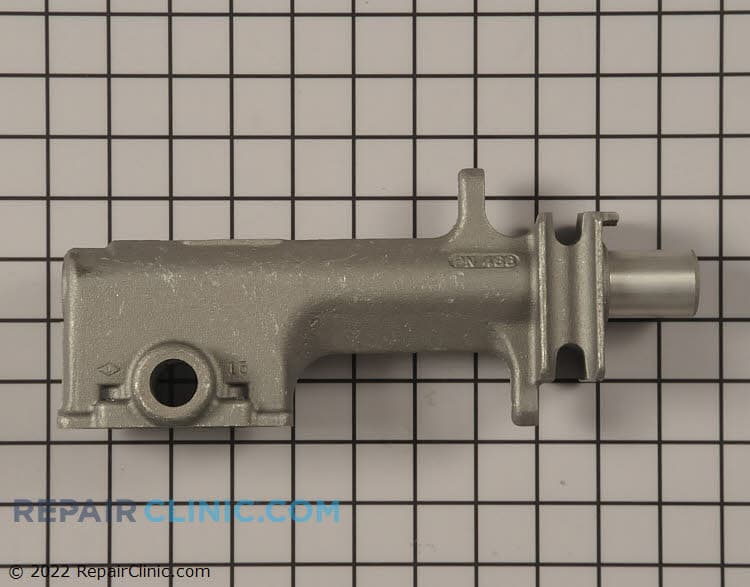
Worm gear housing


Mantis Tiller Transmission, Brake & Clutch Parts
Your Mantis tiller's transmission and clutch system handles the heavy lifting — literally. When the tines won't engage, slip during operation, or the tiller lurches forward unpredictably, the problem almost always traces back to worn clutch parts, failed transmission seals, or broken brake assemblies. Mantis tillers are built light and nimble for small-space gardening, which means the transmission takes proportional stress. Catching wear early — before metal-on-metal grinding starts — saves both your machine and your back.
Repair Clinic stocks OEM Mantis transmission and clutch parts engineered for your exact model's frame and engine. Whether you're dealing with a mini-tiller (like the 3550 cultivator series) or a mid-size model, using genuine Mantis parts ensures the clutch engages cleanly and the transmission holds its gearing without slip. Sub-standard aftermarket clutch kits can glaze quickly on Mantis' high-RPM engines, leading to repeat failures.
- Clutch slipping or not engaging: Worn friction material, broken clutch springs, or a bent engagement arm — OEM clutch assembly
- Transmission grinding or noise during tine operation: Damaged gears, worn synchro rings, or low transmission fluid — check for metal shavings
- Tiller lurches or rolls unexpectedly: Brake pad wear, sticky brake caliper, or failed engagement cable — brake assembly replacement
- Tines won't disengage when you release the handle: Stuck clutch rod, worn cable, or seized friction disc — transmission linkage inspection critical
- Transmission fluid leak at seal points: Cracked transmission case, failed output shaft seal, or worn input bearing — seal kit or full transmission replacement
Find Replacement Mantis Tiller Transmission, Brake & Clutch Parts Online by Model or Part Number
Popular Mantis Tiller Models
Related Mantis Tiller Transmission, Brake & Clutch Parts
Mantis Tiller Transmission & Clutch FAQs
What's the difference between a clutch slip and a complete transmission failure on a Mantis tiller?
A slipping clutch lets the engine run but the tines spin slower than they should — you'll feel reduced digging power even though the engine is at full throttle. A failed transmission won't transfer any power to the tines at all; the engine revs but nothing moves. Clutch slip is often a wear issue (friction material worn smooth) or a cable adjustment problem. Transmission failure usually involves broken gears or a sheared input shaft — a bigger repair. Start with clutch cable tension and friction disc inspection before assuming transmission failure.
How do I find my Mantis tiller model number for the correct transmission and clutch parts?
Mantis model numbers are stamped on the frame — look near the engine mount or on the main chassis tube. Common Mantis tiller series include the 3550 (mini-tiller), 4-cycle models, and older 2-cycle cultivators. Write down the full model number (example: Mantis 7924-05-02) and enter it into Repair Clinic's model lookup. The transmission and clutch assemblies vary between 2-cycle and 4-cycle engines, and between mini and standard-width models, so exact model matching is critical.
Can I replace just the clutch friction disc, or do I need the whole clutch assembly?
On Mantis tillers, friction discs are often available separately, but OEM clutch kits (disc + springs + pressure plate + engagement arm) are recommended. Individual friction material tends to glaze quickly if the pressure plate or springs are worn; buying the kit at once means all mating surfaces are fresh. If your tiller is relatively new with low hours, a friction disc alone might work. For tillers over 10 years old or heavily used, the full assembly ensures reliable engagement without slip.
What maintenance prevents Mantis transmission and clutch problems?
Keep the clutch cable properly tensioned — loose cables delay engagement and cause slipping. Check transmission fluid level (on 4-cycle models) before each season and top up with the OEM-specified fluid weight. Never let the clutch engage while the tiller is tilted or partially lifted; the shock load can shear gears. And don't override a slipping clutch by forcing the handles down harder — that accelerates wear. Replace the spark plug and air filter seasonally, which reduces engine load stress on the transmission.
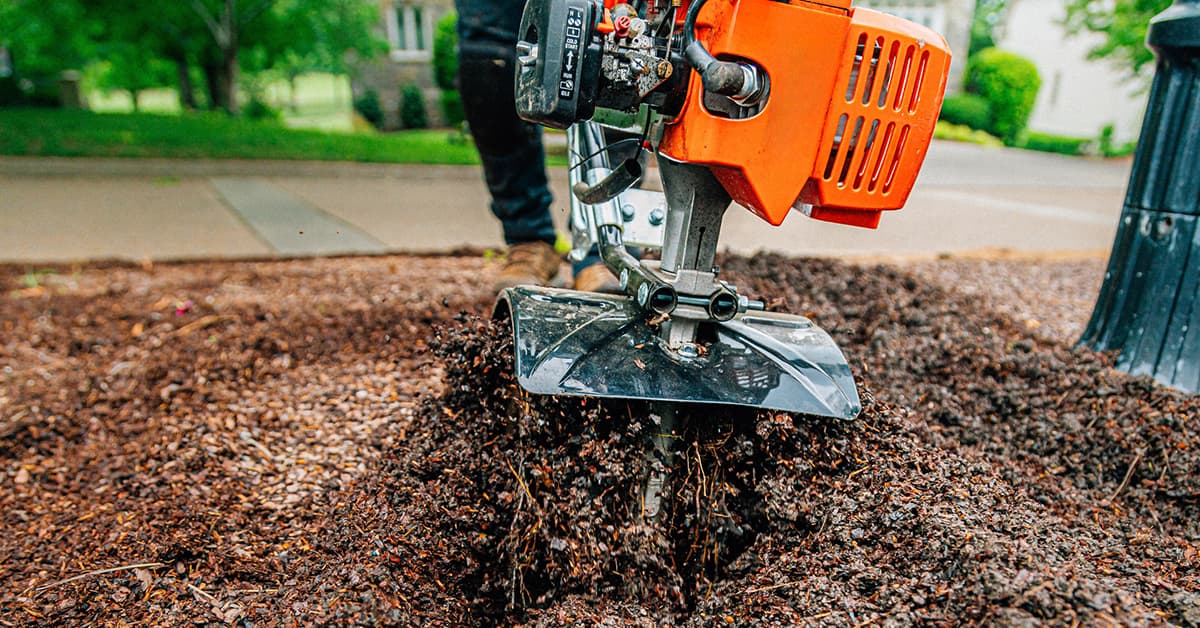
Order Mantis Tiller Transmission Brake Clutch Replacement Online
Keep your Mantis tiller running efficiently by replacing a faulty transmission brake clutch promptly. With same-day shipping on most in-stock items, you'll have your replacement part fast, minimizing downtime. Our model/part number lookup finds the exact OEM part for your unit, and every order is backed by our 365-day return policy and price-match guarantee. If your Mantis tiller transmission brake clutch is failing — showing symptoms like reduced performance, unusual noise, or complete non-operation — replacement is typically the fastest fix. Browse our full library of Mantis repair resources for troubleshooting guides and installation videos.
Find the Model Number on Your Mantis Tiller
Mantis typically stamps the model number on the tiller's frame, often near the engine mount or along the main chassis tube. Check the metal frame and nearby labels carefully, then record the complete number, including any letters, dashes, or suffixes. Enter it in the model number search to pull up parts matched to your entire tiller, not just one repair category. The results narrow the catalog to parts built for your specific Mantis model, whether you need transmission, clutch, brake, engine, or other tiller parts. Matching the full model number before ordering helps prevent mix-ups between similar 2-cycle, 4-cycle, mini-tiller, and standard-width machines, so you order with confidence knowing the fit is right.

DIY Repair Resources for Mantis Tiller
Whether you are new to appliance repair or a seasoned technician, Mantis Tiller repairs go smoother with the right online resources. Troubleshooting videos, common-symptom articles, part testing guides, and wiring diagrams cover the diagnostic and installation steps. Use the model number lookup to confirm the exact OEM part for your unit, then follow the matching video from start to finish.
Related Articles: Small Engine Parts
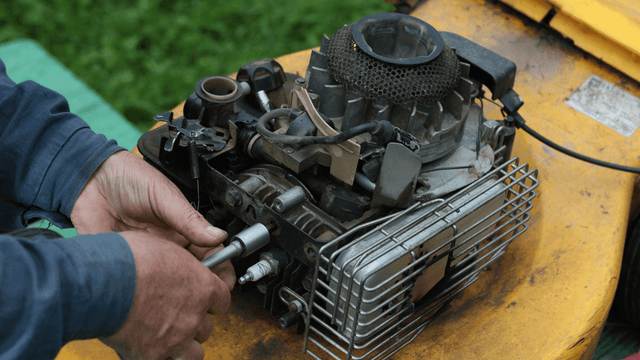





Family-owned and operated since 1912, Burke America Parts Group is the longest-running genuine appliance, HVAC, and outdoor power equipment parts solution in North America. At Repair Clinic, we're proud to be an international brand trusted by the pros as well as the DIY community.
About Repair Clinic