


 Price Match Guarantee
Furnace Limit Switch Replacement
Find the right part faster
Multiple models matched. Select your model to confirm fit.




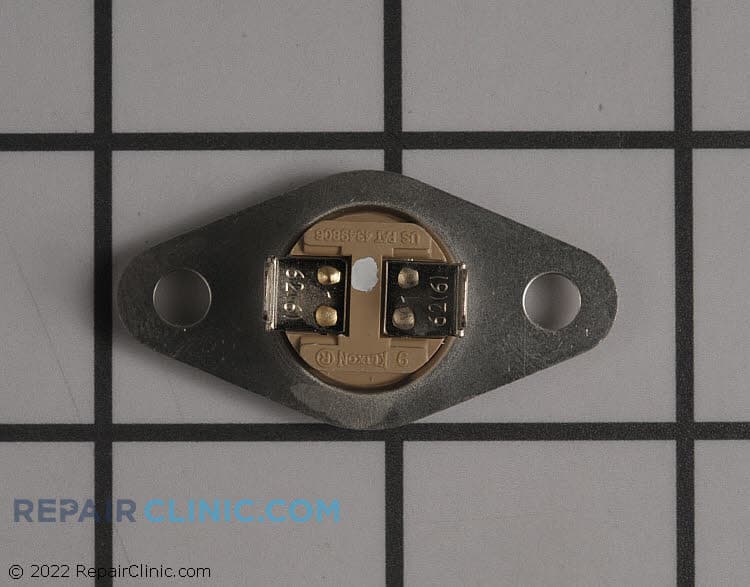
Limit switch non-resettable 101-200F
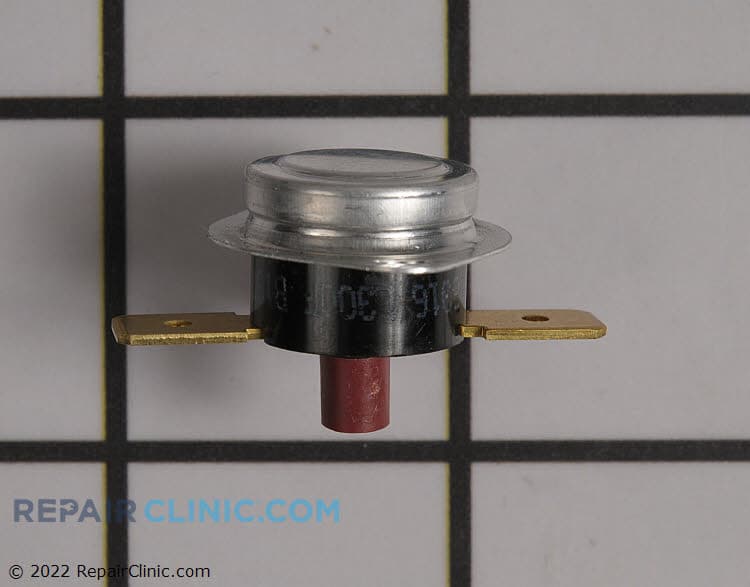
Rollout Limit Switch, 300 degrees F, Manual Reset, SPST
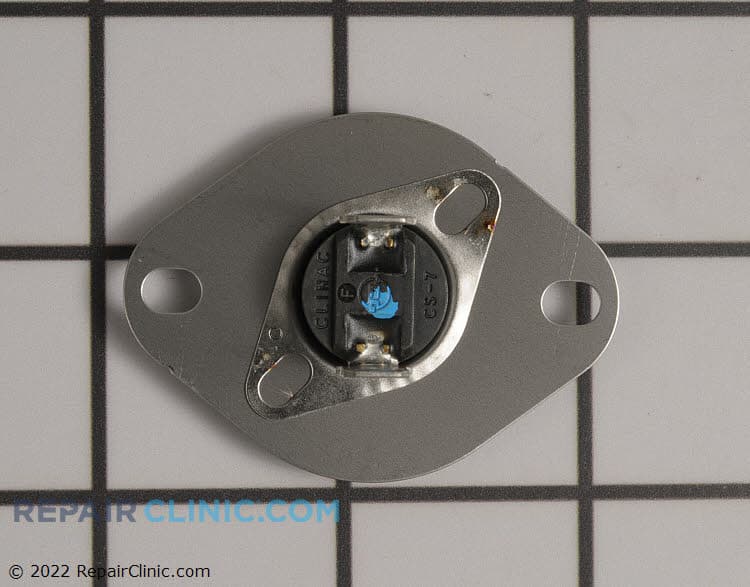
Limit, primary, 120, lt blue
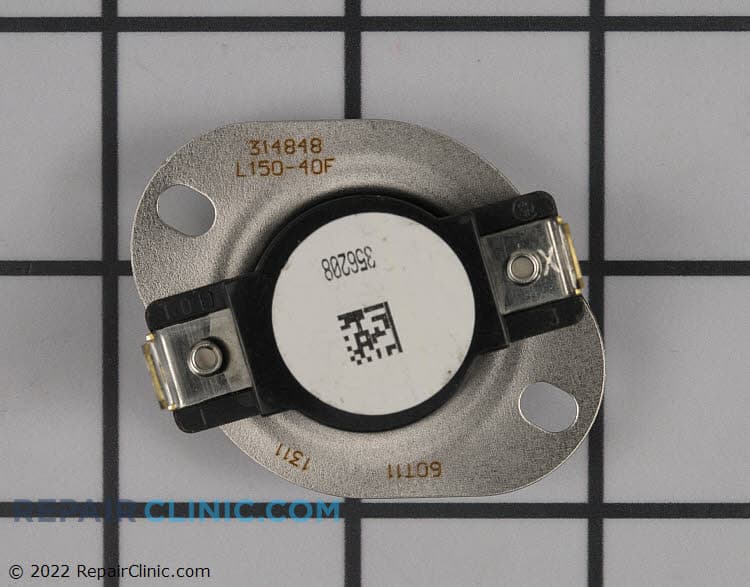
Limit thermostat, 150 open, 110 close
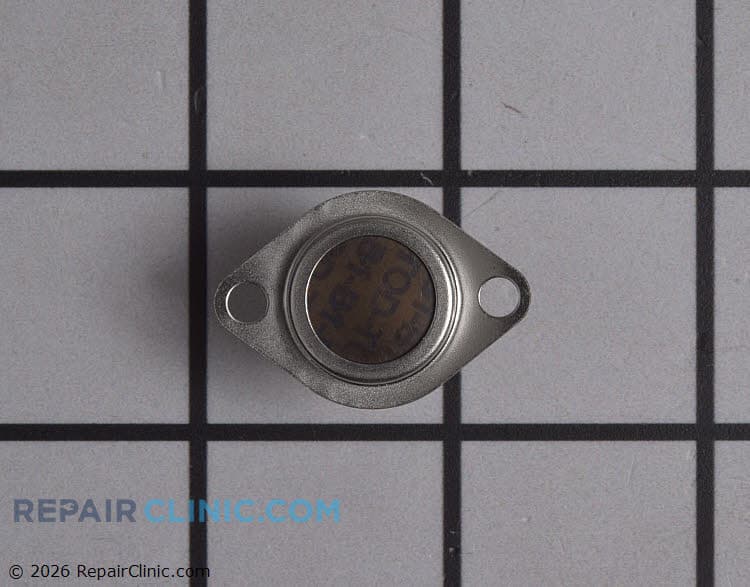
Limit switch, manual reset
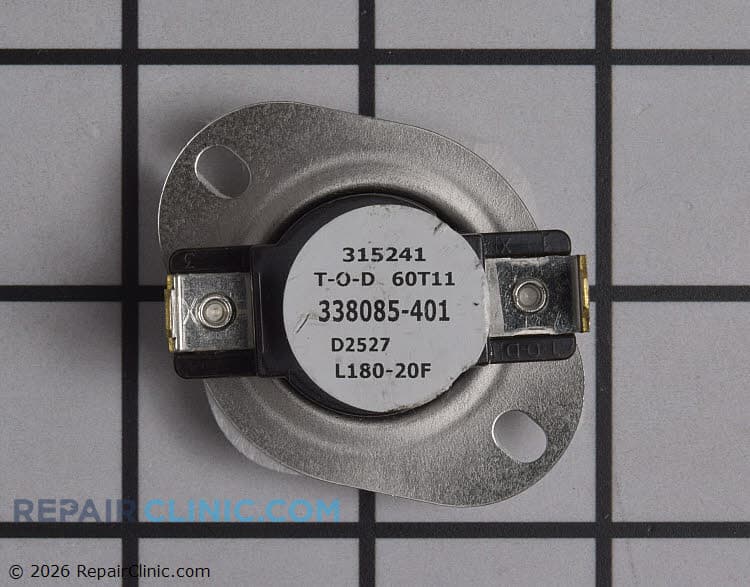
Limit Switch
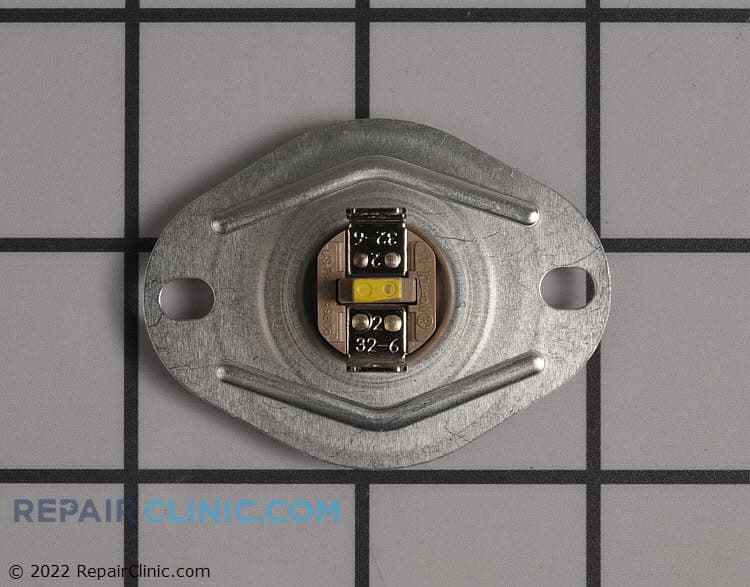
Limit switch
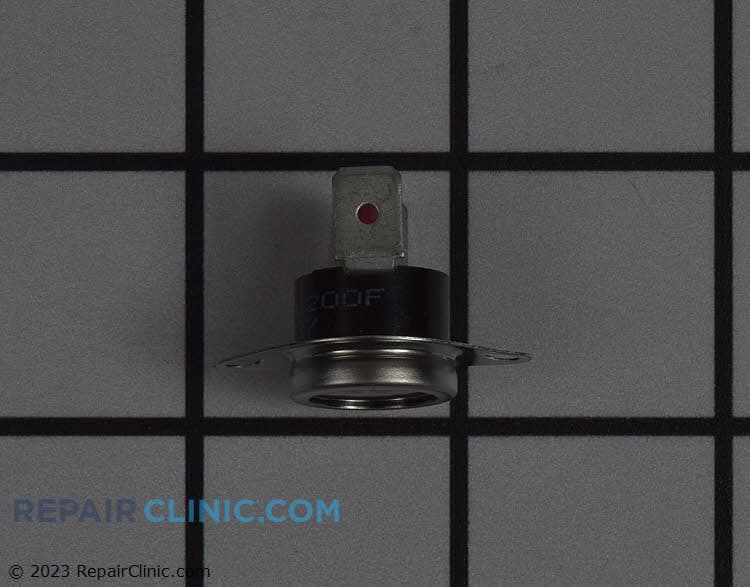
Limit switch, manual reset
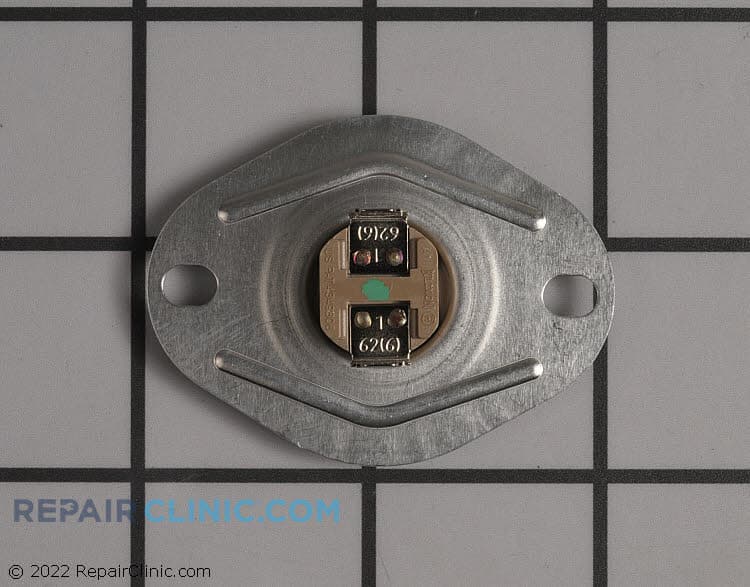
Limit switch 125-165F
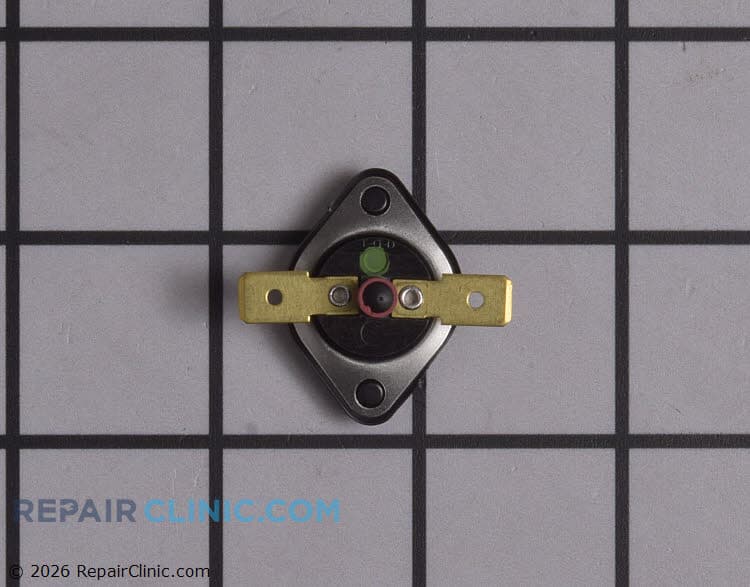
Limit Switch - re-settable
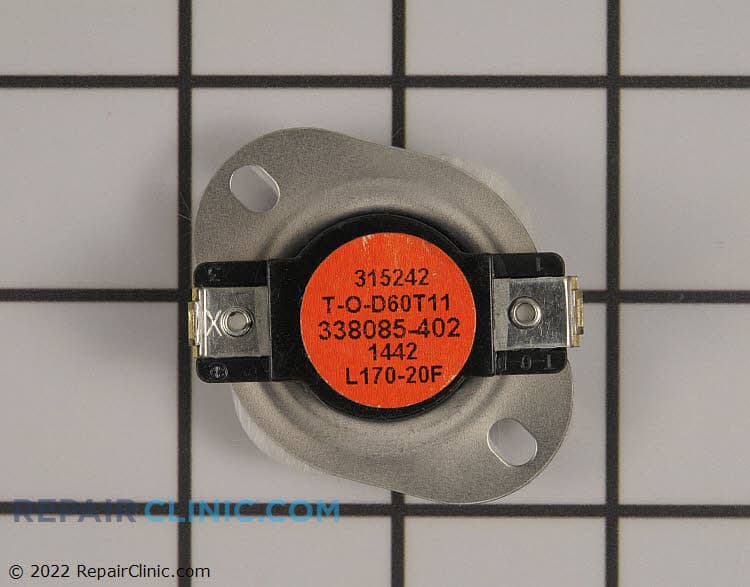
Limit switch
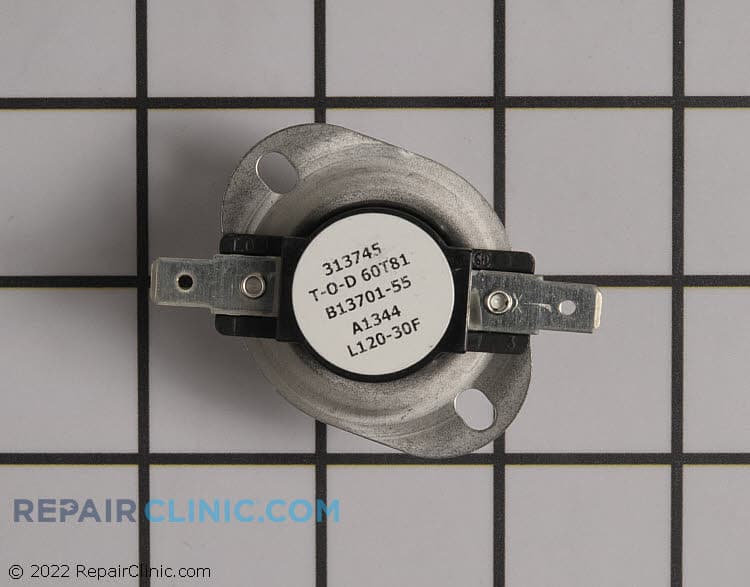
Auxiliary Limit Switch L120°F -30°F
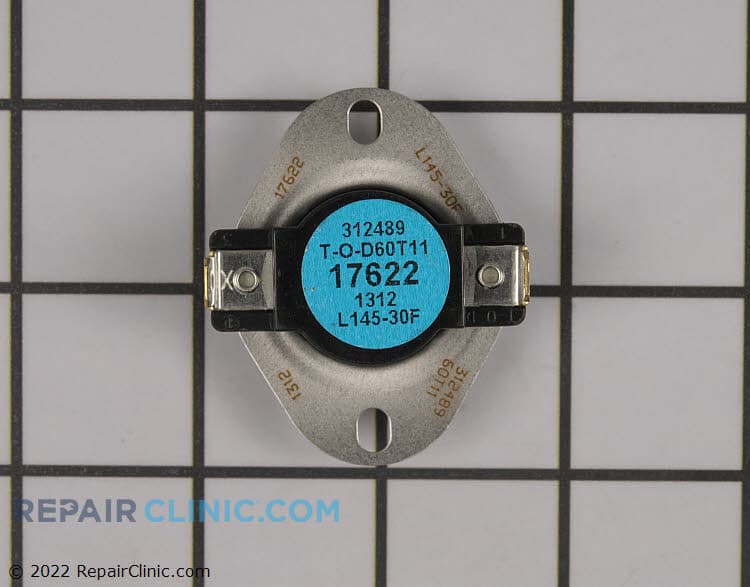
Limit switch, L145-30F
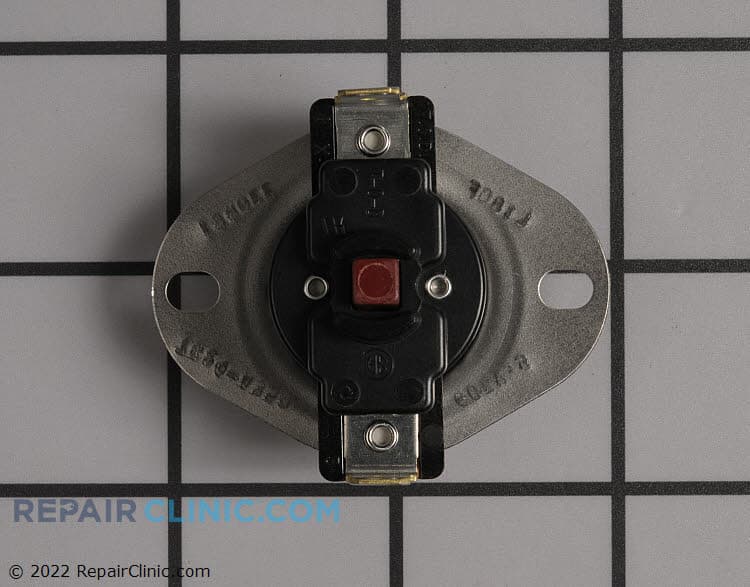
Upper limit switch 180° manual reset
manufacture approved alternate for
this limit switch part# S1-7990-3591
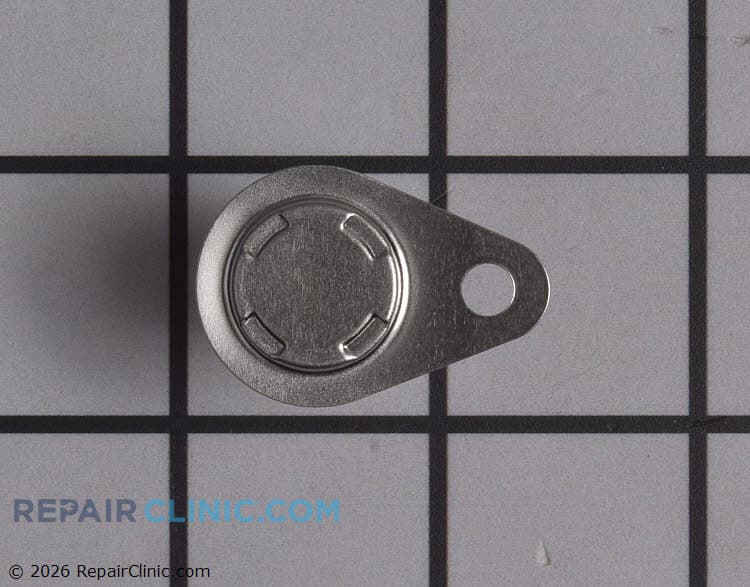
Switch limit 350f


Furnace Limit Switch Parts
The limit switch is your furnace's high-temperature safety guardian. When the heat exchanger gets too hot — whether from blocked airflow, a stuck blower, or a malfunctioning thermostat — the limit switch trips and shuts off the burner to prevent damage and fire risk. If your furnace won't heat, cycles on and off erratically, or the limit switch keeps tripping, the switch itself may have failed and needs replacement.
Furnace limit switches come in two types: the main high-limit switch (trips around 200°F) and the rollout limit switch (safety backup, trips at 250°F+). Both are simple, inexpensive parts that last 15 to 20 years but do fail. Always verify your furnace model number to match the exact switch — voltage, terminal configuration, and temperature setpoint vary by manufacturer.
- Furnace won't ignite or heat at all: Tripped or failed limit switch prevents the heating cycle from starting.
- Furnace cycles on 20 seconds, then shuts off: High-limit switch trips prematurely; check ductwork blockage and blower operation first.
- Limit switch trips repeatedly: Airflow restriction, dirty filter, or failed blower motor — or the switch itself is defective and won't reset.
- Red reset button pops out: Manual reset limit switch has been triggered; push it back to test, but investigate the root cause (clogged filter, airflow issue).
- Furnace runs but produces no heat: Rollout switch may be open; verify gas valve is energized and pilot/igniter is functioning.
Furnace Limit Switch FAQs
What's the difference between a high-limit and rollout limit switch?
The high-limit (or main limit) switch trips first, around 200°F, to protect the heat exchanger under normal operation. The rollout switch is a backup safety device, typically set at 250°F or higher, and only trips if the high-limit fails. Most furnaces have both. When the high-limit trips, it shuts off the burner but the blower usually keeps running to cool the heat exchanger. A rollout trip is a sign something serious is wrong — usually an airflow blockage or failed blower.
Why does my limit switch keep tripping?
Before replacing the switch, check these common causes: a clogged air filter (most common), blocked return air ducts, a stuck blower damper, or a failed blower motor. If airflow is clear and the blower spins freely, the limit switch itself may be faulty. A switch that trips at a lower temperature than its rating, or refuses to reset, is a failed switch and needs replacement.
How do I find my furnace limit switch model number?
The limit switch is mounted on the furnace plenum (hot air chamber) or on the main burner assembly. Look for a small rectangular or round device with a snap-disc inside and one or two reset buttons. The model number is printed on the switch housing or a metal tag attached to it. Enter your furnace brand and model number in Repair Clinic's lookup tool — it will show you the exact limit switch assembly (or individual switch if replaceable separately).
Can I replace just the switch, or do I need the whole assembly?
That depends on your furnace design. Some furnaces have a replaceable snap-disc switch that clips into a permanent bracket; others have a one-piece molded assembly that includes the switch and plenum bracket welded together. Your model number determines which you need. OEM switches ensure correct temperature setpoint and terminal configuration — critical for safe operation.
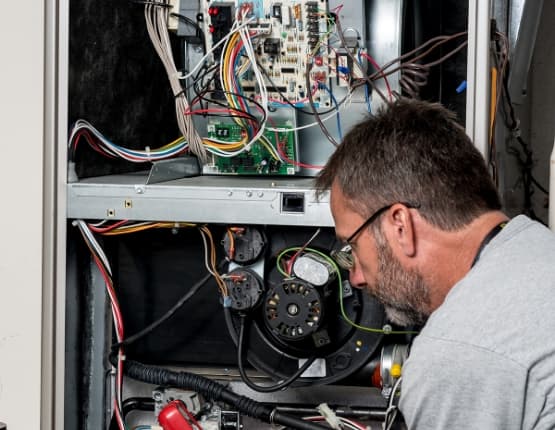
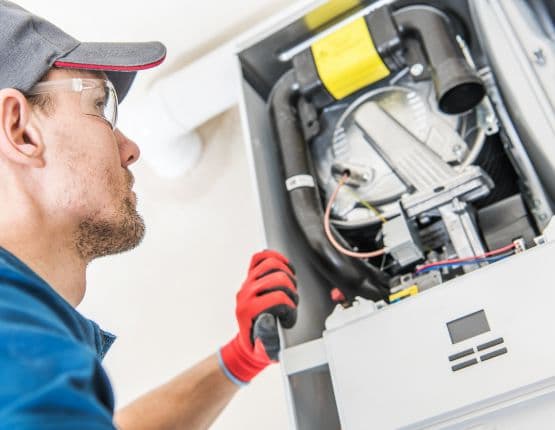
Fast and Reliable Online Ordering for Furnace Limit Switch Replacement
Ensure your furnace operates safely with a reliable limit switch replacement from Repair Clinic. Our selection of genuine OEM parts supports compatibility and durability, helping DIYers and professionals alike to keep their heating systems running efficiently. With our user-friendly online parts lookup, you can easily find the exact furnace limit switch you need by model number or part number. Enjoy the convenience of our No-Hassle 365-Day Returns policy and Price Match Guarantee, ensuring you get the best value. Also, browse our extensive furnace parts and furnace repair & troubleshooting resources to complete your repair with confidence. Trust Repair Clinic to provide the quality parts and support you need to tackle any furnace issue.
Filter Furnace Parts by Your Model Number
On many furnaces, the model number appears on the blower compartment door or a nameplate inside the front access panel. You may also find it near the gas valve or along the cabinet side. Turn off power before opening the panels, then copy the complete model number, including letters, numbers, and any separators. Enter that information in the model number search to pull up the parts matched to your unit. The lookup applies to the entire furnace, so it narrows the full catalog to compatible parts instead of limiting you to a single category. You will spend less time comparing specifications and more time making the repair.

Fix Your Furnace with Online Repair Help
The online repair library at Repair Clinic covers Furnace diagnostics, part testing, and installation from start to finish. Symptom-based articles narrow the failing component, and matching repair videos or step-by-step written guides walk you through the fix. Use the model number lookup to confirm the exact OEM part before you order, then follow the exploded-view diagrams for a clean reassembly.
Related Furnace Repair Help Articles
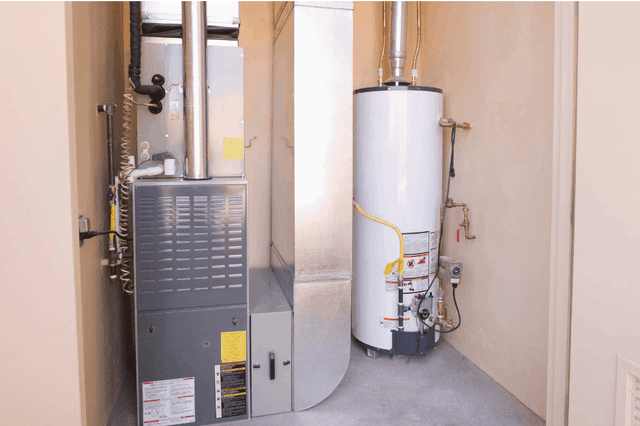
Top Reasons Furnace is Not Igniting
A furnace that fails to ignite can leave your home in the cold. Common issues include a faulty igniter, malfunctioning flame sensor, or a defective draft inducer fan motor. Replacing furnace filters and cleaning furnace parts can help prevent these problems.
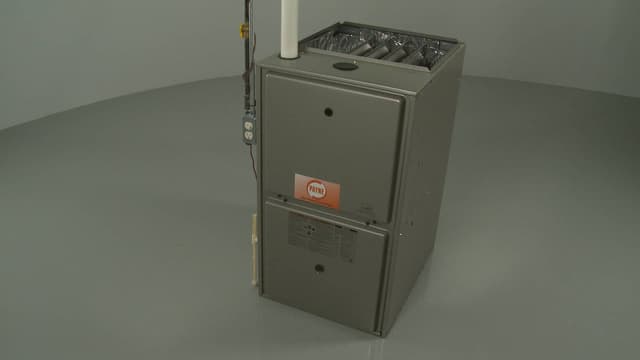
Why is My Furnace Not Working?
Learn why your furnace isn't working by understanding its ignition sequence and identifying common faulty parts like the igniter, flame sensor, or control board. This article provides practical repair tips and insights into each part's role in the heating process.
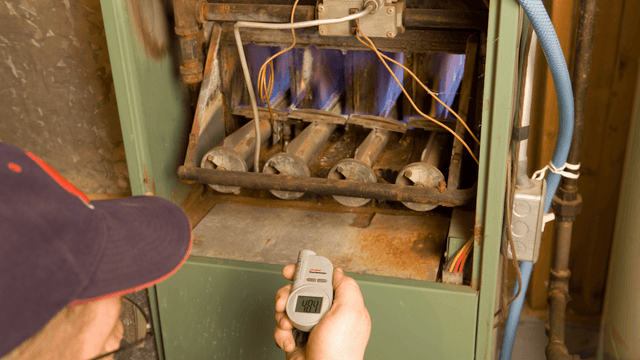
5 Causes of a Furnace Starting Then Stopping
A gas furnace that starts and then stops unexpectedly can be frustrating, especially during cold weather. This article explains five common causes, including issues with the flame sensor, pressure switch, control board, draft inducer fan motor, or air flow. Learn how each cause may impact your furnace's operation and get tips to resolve the problem.




Family-owned and operated since 1912, Burke America Parts Group is the longest-running genuine appliance, HVAC, and outdoor power equipment parts solution in North America. At Repair Clinic, we're proud to be an international brand trusted by the pros as well as the DIY community.
About Repair Clinic