


 Price Match Guarantee
York Furnace Limit Switch Replacement
Find the right part faster
Multiple models matched. Select your model to confirm fit.




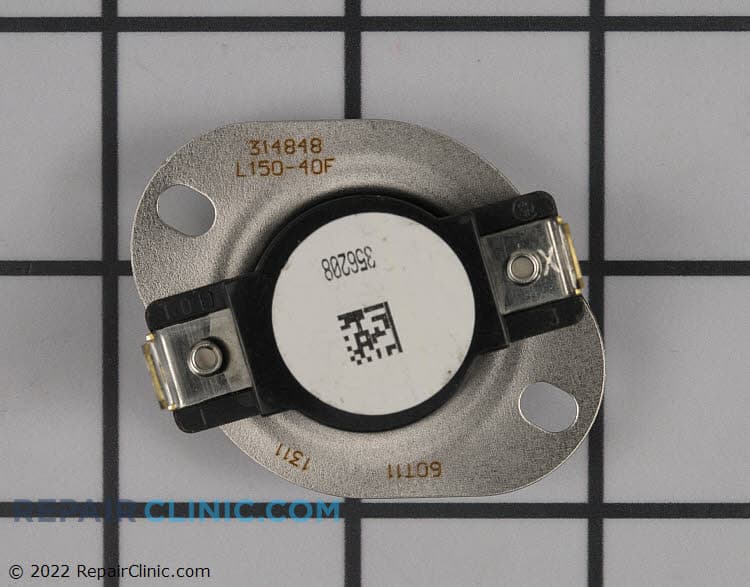
Limit thermostat, 150 open, 110 close
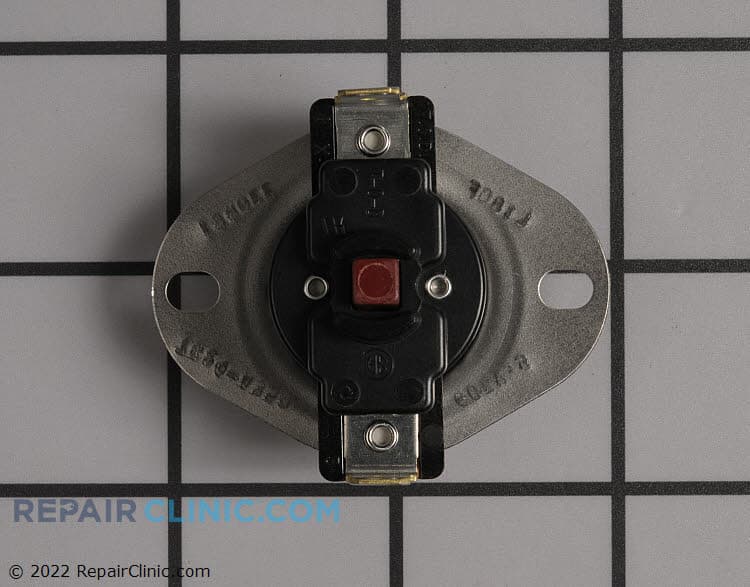
Upper limit switch 180° manual reset
manufacture approved alternate for
this limit switch part# S1-7990-3591
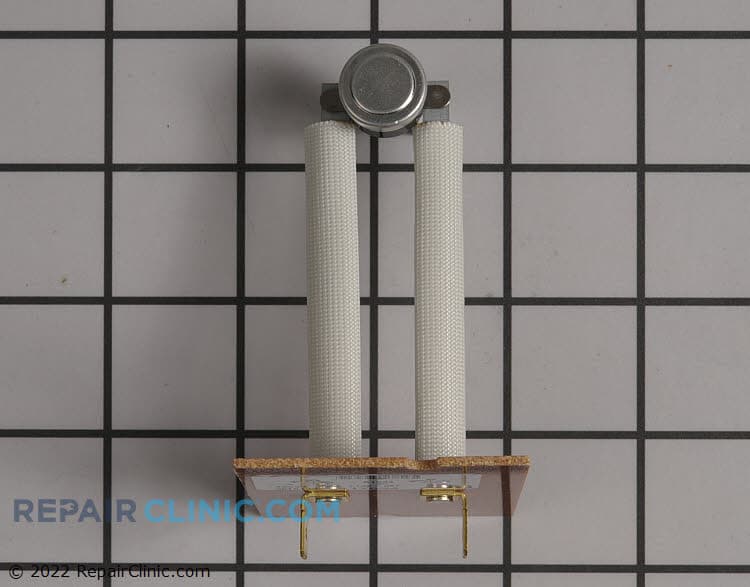
High limit thermostat -140 open, 110 close
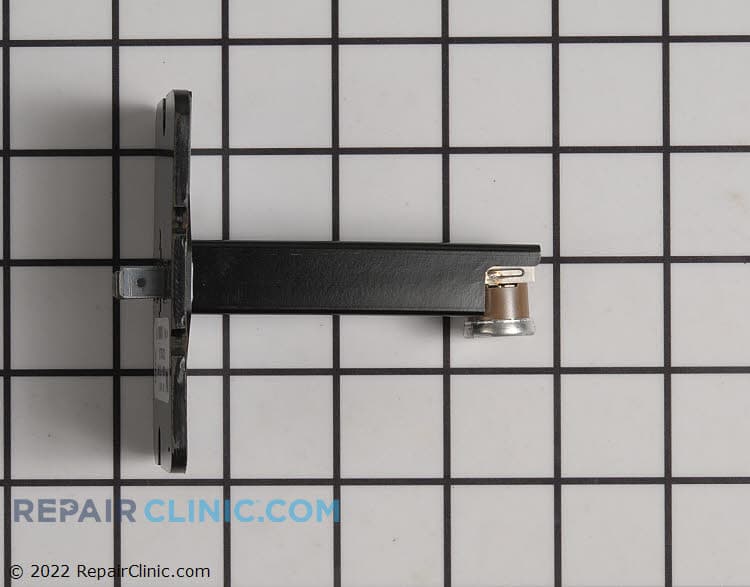
Limit themrostat switch
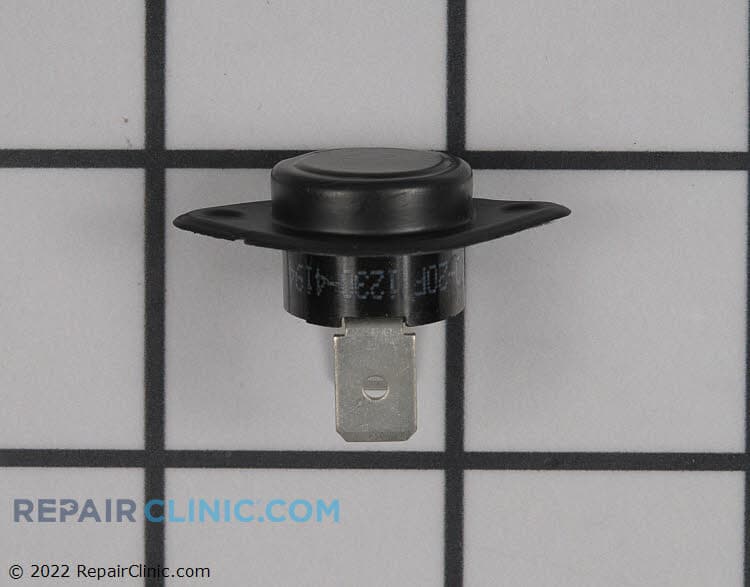
Limit Switch
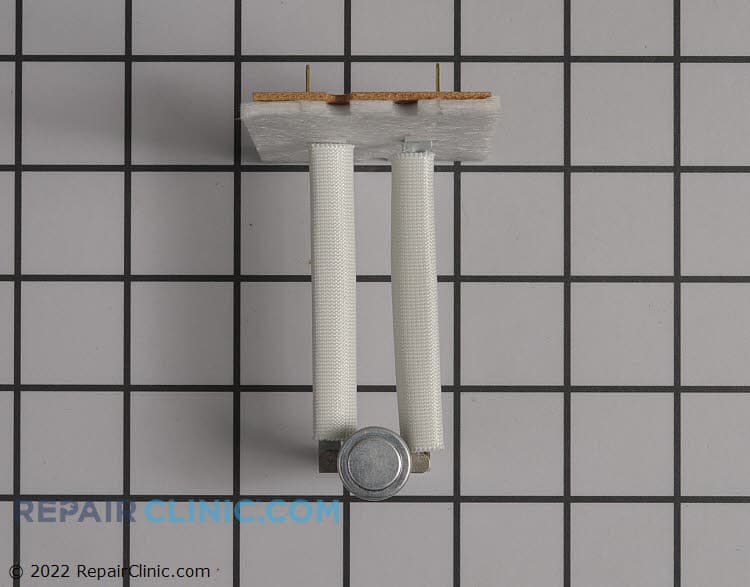
Limit switch, 140 open
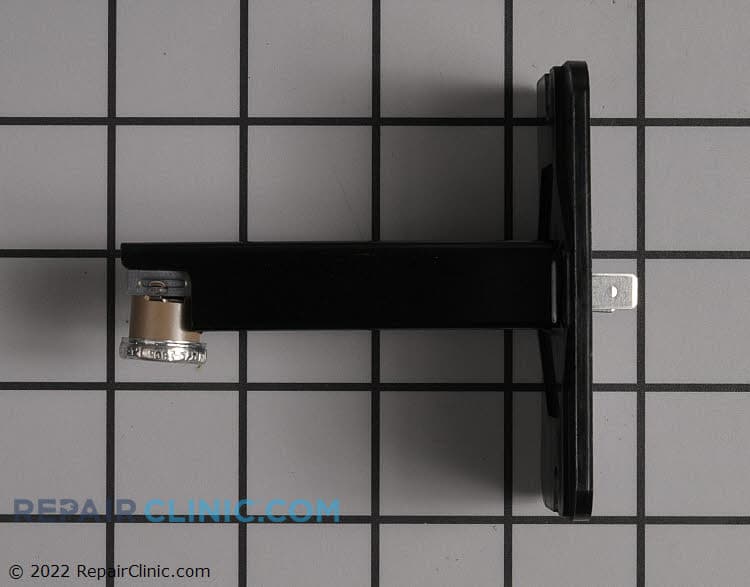
Limit switch,160 open,130 close
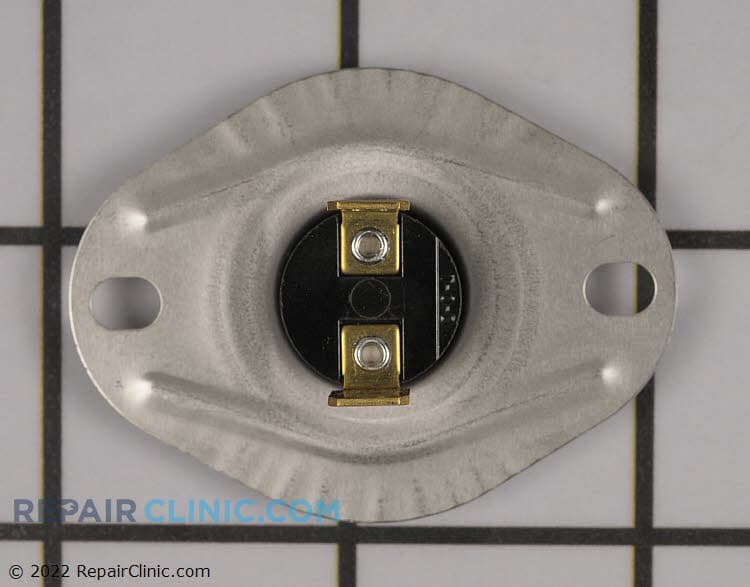
Fan limit switch, opens at 150 and closes at 120
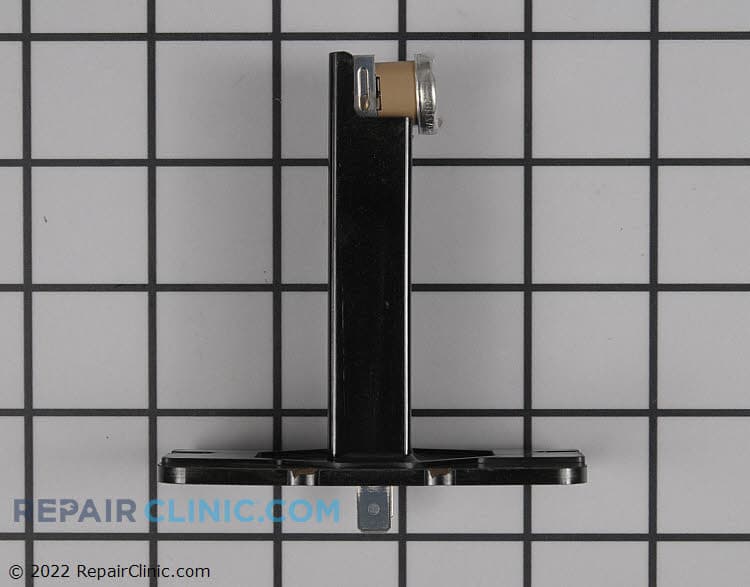
Limit Switch
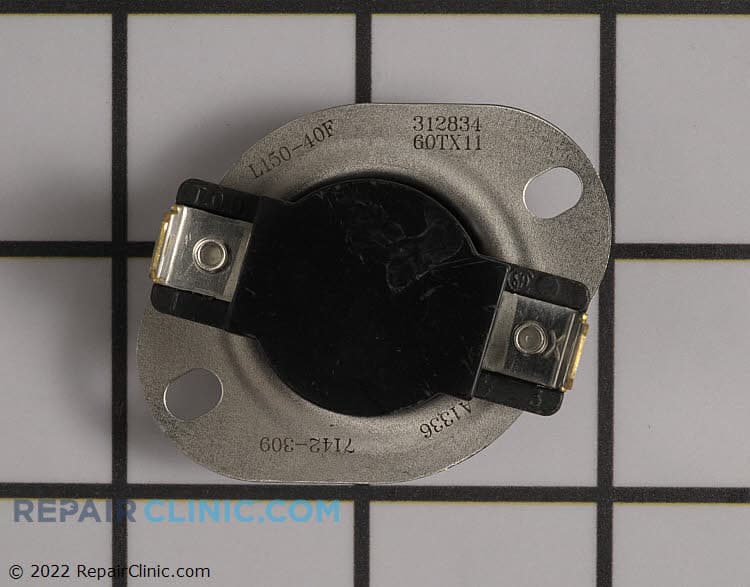
Limit switch
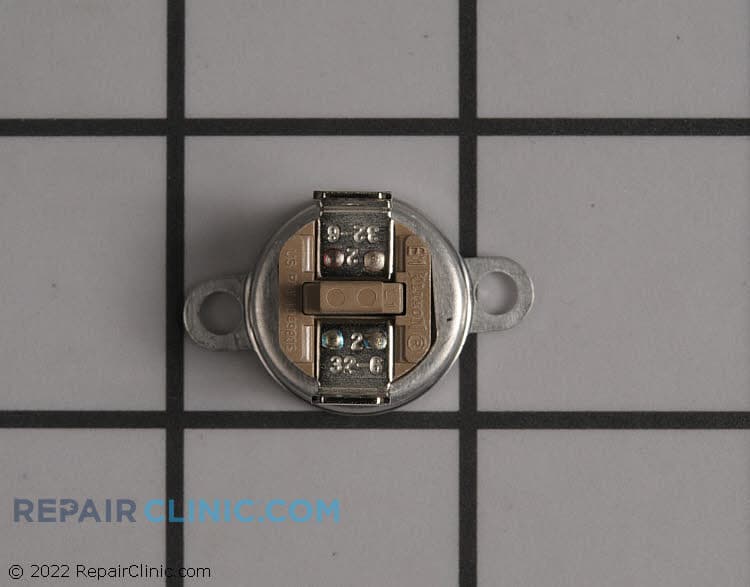
Temperature control, 190 open, manual close
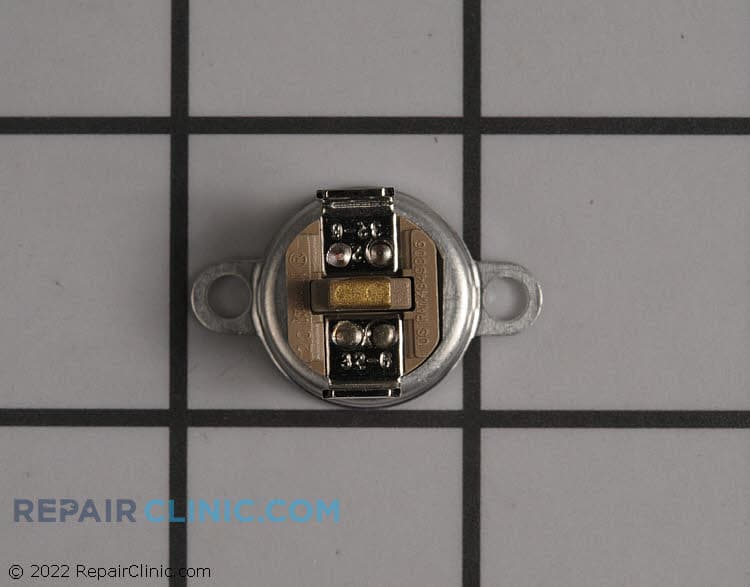
Limit switch, 370 open, manual re-set
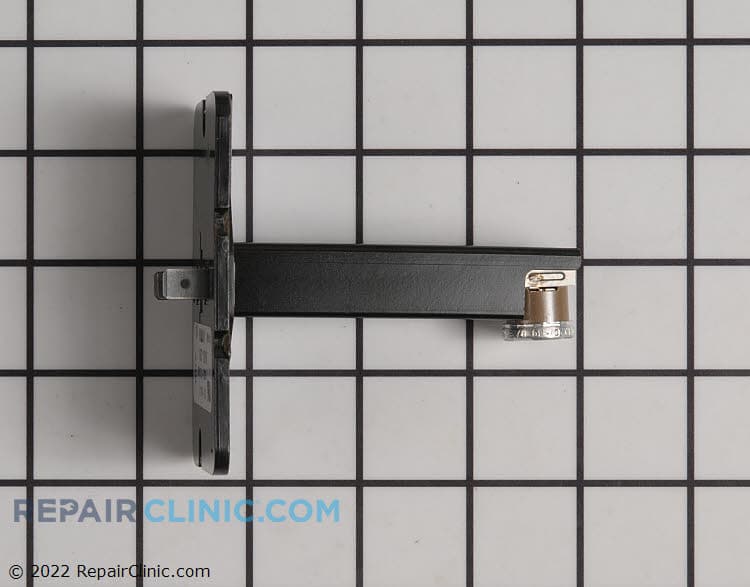
Auto reset limit control
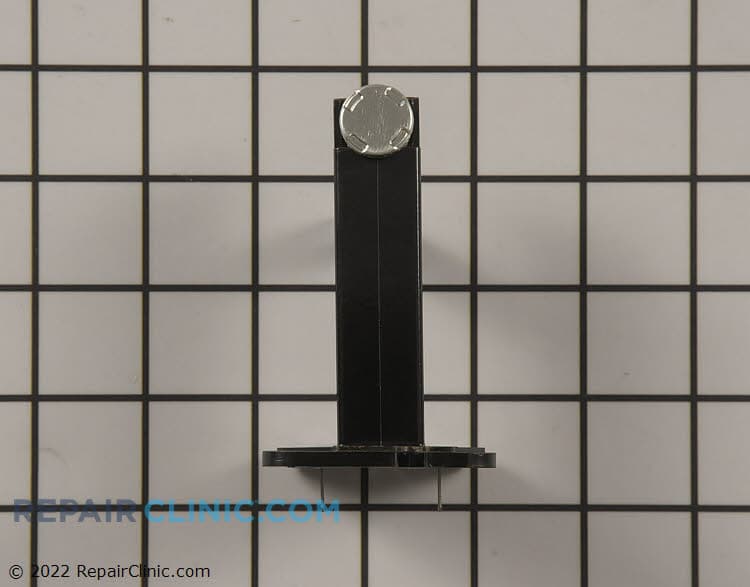
Limit Switch Opens @ 175 Closes @ 145 Degrees F.
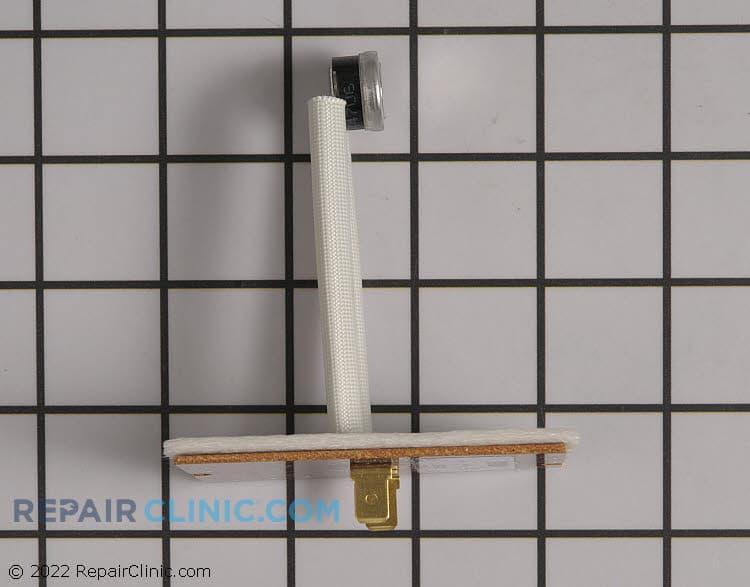
Limit switch, open at 155 and close at 125


York Furnace Limit Switch Parts
The limit switch is a safety shutoff device that monitors furnace temperature. When airflow becomes restricted or heat builds up, the limit switch trips to prevent overheating and potential damage to your heat exchanger. If your York furnace keeps shutting off mid-cycle or won't restart after cooling down, the limit switch itself may have failed and needs replacement.
A faulty limit switch can cause repeated lockouts, leaving you without heat. Before replacing the switch, check that your furnace filter is clean and all return air vents are unblocked — a clogged filter is the most common cause of high-limit trips. If airflow checks out, the switch has likely failed internally and requires an OEM York replacement for your specific model.
- Furnace shuts off during heating cycle: limit switch trips on temperature rise
- Furnace won't restart after cooling down: switch stuck in open position
- Repeated lockout errors: switch failing intermittently
- High-limit light blinking on panel: switch detected overheat condition
- Rollout switch tripping: safety sensor detects flame rollout (related high-temperature shutdown)
Find a Replacement York Furnace Limit Switch Online by Model or Part Number
York Furnace Limit Switch FAQs
What does a furnace limit switch do?
The limit switch monitors the temperature inside your furnace's plenum (the chamber above the heat exchanger). When air temperature exceeds a safe setpoint — typically 200 to 220°F — the switch opens the circuit and shuts down the furnace. This protects the heat exchanger from cracking and prevents dangerous overheating. A healthy furnace with good airflow should rarely trip the limit switch.
Why does my York furnace keep tripping the limit switch?
Restricted airflow is the #1 cause. A clogged air filter, blocked return vents, or a failing blower motor all cause the furnace to heat up beyond the limit setpoint. Before replacing the switch, replace your filter and inspect all return air grilles for blockage. If airflow is clear and the furnace still trips, the limit switch itself has likely failed internally and needs replacement.
How do I know if my limit switch is bad?
Test continuity across the switch terminals using a multimeter. A healthy limit switch shows continuity when cool and opens (no continuity) when heated. If the switch doesn't respond to temperature change, or shows continuity when it should be open, replace it. You can also compare your furnace's behavior to the model-specific limit switch specs in your manual — repeated tripping with clean filters points to switch failure.
What's the difference between a limit switch and a rollout switch?
The limit switch monitors plenum air temperature and is a safety device. The rollout switch (often mounted on the heat exchanger itself) detects flame rollout — a dangerous condition where combustion gases escape the heat exchanger. Both can trip, shutting down the furnace. York furnaces often have both switches wired in series, so either one failing causes a no-heat condition. Enter your York model number to confirm which switches your furnace uses and get the correct OEM replacements.
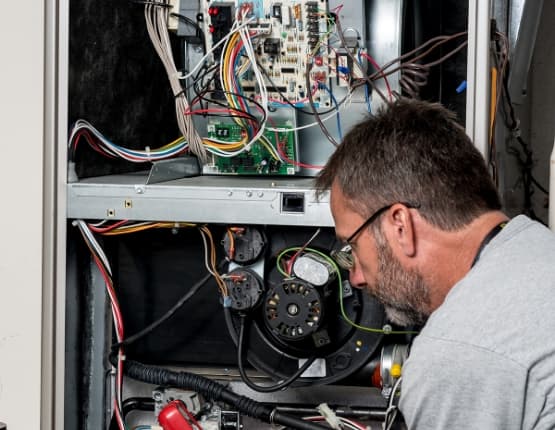
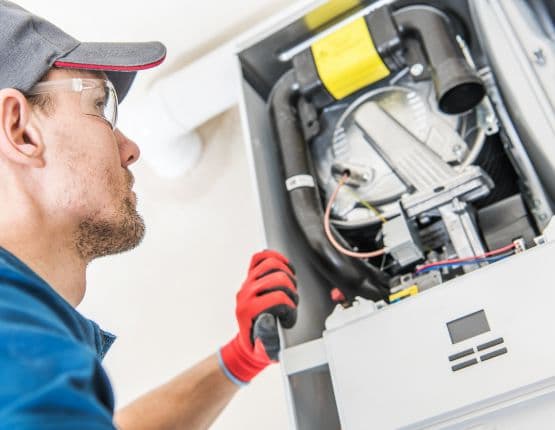
Order York Furnace Limit Switches Online
Ordering York furnace limit switches online is easy and efficient with Repair Clinic. We provide a reliable shopping experience with our user-friendly platform, allowing you to find the exact part needed using model or part numbers. Enjoy the benefit of our No-Hassle 365-Day Returns, supported by model-number lookup and return options to return any uninstalled part within a year of purchase. Additionally, take advantage of our Price Match Guarantee on all genuine OEM replacement parts, helping you shop with confidence available. With same-day shipping on orders placed before 9:00 PM ET, you can quickly receive the York furnace parts you need to keep your heating system operating smoothly. Trust Repair Clinic for reliable service and quality parts for all your furnace repair needs.
York Furnace Model Number: Where to Look
On York furnaces, look for the model number on the blower compartment door, inside the front access panel, or near the gas valve. Check the rating plate or identification label and copy the complete model number, including letters and numbers, rather than the serial number. Enter that number in the model number search to pull up the parts matched to your unit. The lookup applies to the entire York furnace, so it narrows the full catalog across every associated part category, not just limit switches. With the exact model entered, you can confirm compatibility quickly, avoid comparing mismatched specifications, and order with confidence knowing the fit is right.

Repair Clinic's Online Resources for York Furnace Owners
Repair Clinic gives York Furnace owners and technicians everything they need to diagnose and repair the appliance online. The video library shows disassembly, testing, and reassembly for the most common repairs. Written repair guides pair with the videos, and diagnostic articles cover the likely causes for each symptom. Use the model number lookup to confirm the correct OEM part before you order.
Related Furnace Repair Help Articles
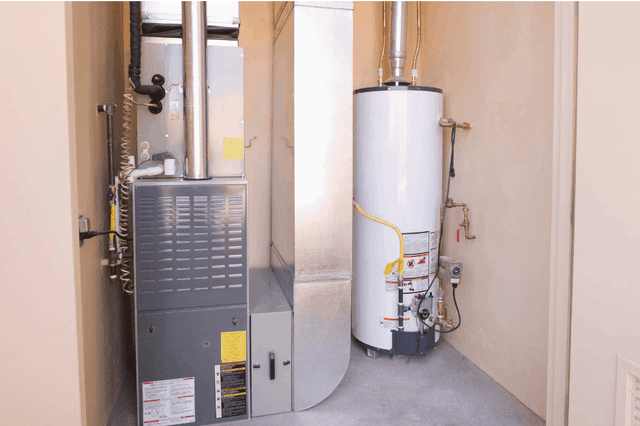
Top Reasons Furnace is Not Igniting
A furnace that fails to ignite can leave your home in the cold. Common issues include a faulty igniter, malfunctioning flame sensor, or a defective draft inducer fan motor. Replacing furnace filters and cleaning furnace parts can help prevent these problems.
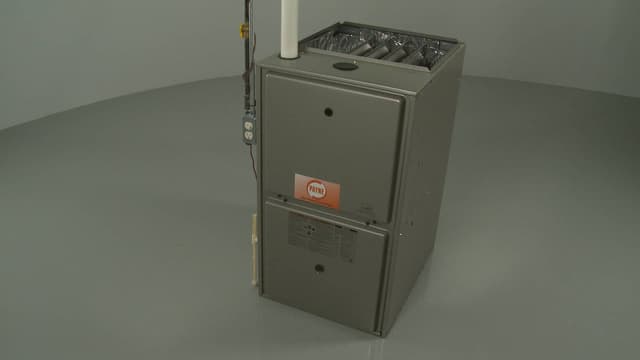
Why is My Furnace Not Working?
Learn why your furnace isn't working by understanding its ignition sequence and identifying common faulty parts like the igniter, flame sensor, or control board. This article provides practical repair tips and insights into each part's role in the heating process.
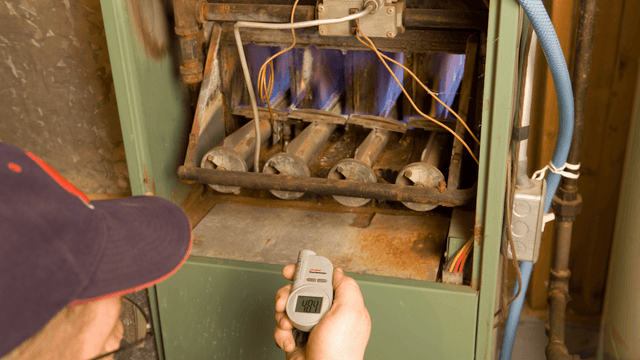
5 Causes of a Furnace Starting Then Stopping
A gas furnace that starts and then stops unexpectedly can be frustrating, especially during cold weather. This article explains five common causes, including issues with the flame sensor, pressure switch, control board, draft inducer fan motor, or air flow. Learn how each cause may impact your furnace's operation and get tips to resolve the problem.




Family-owned and operated since 1912, Burke America Parts Group is the longest-running genuine appliance, HVAC, and outdoor power equipment parts solution in North America. At Repair Clinic, we're proud to be an international brand trusted by the pros as well as the DIY community.
About Repair Clinic