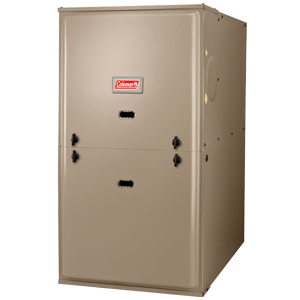
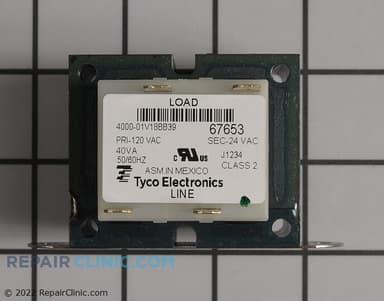
Restore your York TG8S080B12MP11 Furnace with confidence: this is an 80,000 BTU, 80 percent AFUE single-stage gas furnace from York’s TG8S series, built with a PSC blower motor for multi position installation. Whether you’re replacing a control board or tracking down a tricky symptom, Repair Clinic has the exact parts and guidance to get this furnace back in service.
Understanding Your TG8S080B12MP11 Furnace
This furnace is a non-condensing, single-stage unit, meaning it vents through standard metal B-vent rather than PVC and has no condensate drain to manage, which keeps its diagnostic profile more straightforward than a two-stage condensing platform. The TG8S designation identifies the 80 percent AFUE single-stage tier within York’s furnace lineup, built around a PSC blower motor that runs at a fixed speed rather than the ECM variable-speed motor found on higher efficiency York platforms. Because it is single-stage, this furnace fires at one fixed output on every heating cycle rather than adjusting between low and high firing rates, which simplifies diagnosis since a capacity complaint is either the whole system underperforming or a specific component failing rather than a staging issue. Scheduling a professional inspection of the electrical connections and heating elements once a year, in addition to routine filter changes a homeowner can handle personally, helps catch small issues before they affect comfort or efficiency. Keeping the area around the furnace cabinet clear of stored items also makes routine filter changes and any future service calls considerably easier to perform. Replacing the filter on schedule protects more than just airflow, since a severely restricted filter can cause a furnace to run longer than necessary to reach the set temperature. Listening for new humming or clicking noises during a heating cycle is a simple way to catch a developing relay or element issue before it leads to a no heat complaint. Scheduling a professional inspection of the electrical connections and heating elements once a year, in addition to routine filter changes a homeowner can handle personally, helps catch small issues before they affect comfort or efficiency. Keeping the area around the furnace cabinet clear of stored items also makes routine filter changes and any future service calls considerably easier to perform. Replacing the filter on schedule protects more than just airflow, since a severely restricted filter can cause a furnace to run longer than necessary to reach the set temperature. Listening for new humming or clicking noises during a heating cycle is a simple way to catch a developing relay or element issue before it leads to a no heat complaint. Scheduling a professional inspection of the electrical connections and heating elements once a year, in addition to routine filter changes a homeowner can handle personally, helps catch small issues before they affect comfort or efficiency. Keeping the area around the furnace cabinet clear of stored items also makes routine filter changes and any future service calls considerably easier to perform. Replacing the filter on schedule protects more than just airflow, since a severely restricted filter can cause a furnace to run longer than necessary to reach the set temperature. Listening for new humming or clicking noises during a heating cycle is a simple way to catch a developing relay or element issue before it leads to a no heat complaint. Scheduling a professional inspection of the electrical connections and heating elements once a year, in addition to routine filter changes a homeowner can handle personally, helps catch small issues before they affect comfort or efficiency. Keeping the area around the furnace cabinet clear of stored items also makes routine filter changes and any future service calls considerably easier to perform. Replacing the filter on schedule protects more than just airflow, since a severely restricted filter can cause a furnace to run longer than necessary to reach the set temperature. Listening for new humming or clicking noises during a heating cycle is a simple way to catch a developing relay or element issue before it leads to a no heat complaint. Scheduling a professional inspection of the electrical connections and heating elements once a year, in addition to routine filter changes a homeowner can handle personally, helps catch small issues before they affect comfort or efficiency. Keeping the area around the furnace cabinet clear of stored items also makes routine filter changes and any future service calls considerably easier to perform. Replacing the filter on schedule protects more than just airflow, since a severely restricted filter can cause a furnace to run longer than necessary to reach the set temperature. Listening for new humming or clicking noises during a heating cycle is a simple way to catch a developing relay or element issue before it leads to a no heat complaint. Scheduling a professional inspection of the electrical connections and heating elements once a year, in addition to routine filter changes a homeowner can handle personally, helps catch small issues before they affect comfort or efficiency. Keeping the area around the furnace cabinet clear of stored items also makes routine filter changes and any future service calls considerably easier to perform. Replacing the filter on schedule protects more than just airflow, since a severely restricted filter can cause a furnace to run longer than necessary to reach the set temperature. Listening for new humming or clicking noises during a heating cycle is a simple way to catch a developing relay or element issue before it leads to a no heat complaint. Scheduling a professional inspection of the electrical connections and heating elements once a year, in addition to routine filter changes a homeowner can handle personally, helps catch small issues before they affect comfort or efficiency. Keeping the area around the furnace cabinet clear of stored items also makes routine filter changes and any future service calls considerably easier to perform. Replacing the filter on schedule protects more than just airflow, since a severely restricted filter can cause a furnace to run longer than necessary to reach the set temperature. Listening for new humming or clicking noises during a heating cycle is a simple way to catch a developing relay or element issue before it leads to a no heat complaint. Scheduling a professional inspection of the electrical connections and heating elements once a year, in addition to routine filter changes a homeowner can handle personally, helps catch small issues before they affect comfort or efficiency. Keeping the area around the furnace cabinet clear of stored items also makes routine filter changes and any future service calls considerably easier to perform. Replacing the filter on schedule protects more than just airflow, since a severely restricted filter can cause a furnace to run longer than necessary to reach the set temperature.
Most Replaced Parts on the TG8S080B12MP11 Furnace
Control Board Sequencing Faults on the TG8S080B12MP11
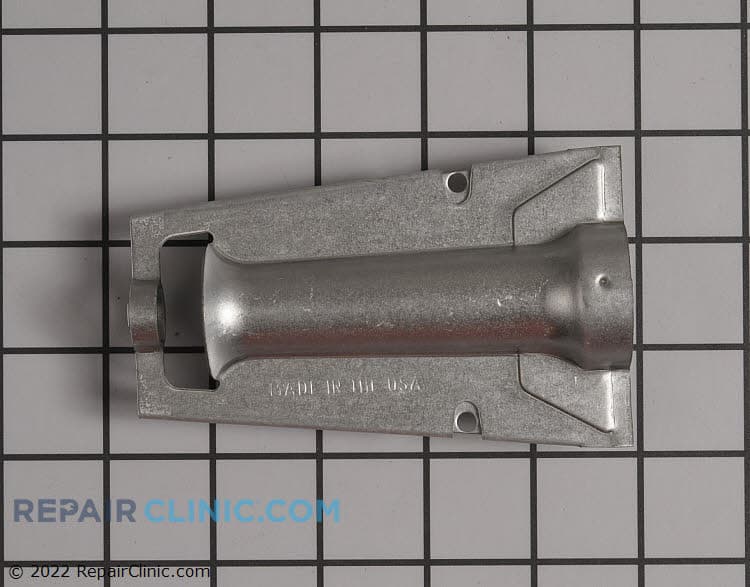
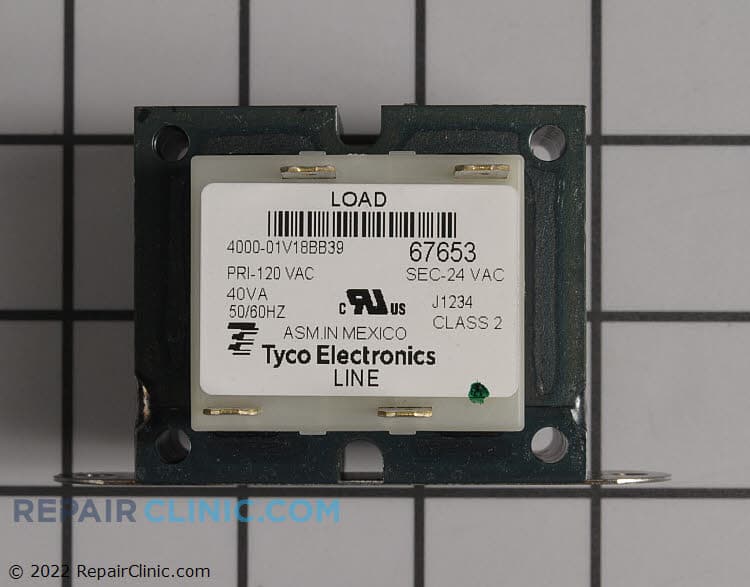
The control board sequences inducer pre-purge, igniter warm up, gas valve opening, flame confirmation, and blower delay on every heating cycle. A relay failure on this board can cause the blower to run continuously after a heat call ends or prevent the inducer from starting at all, so read the diagnostic LED fault code before removing the board.
Igniter and No Ignition Problems on the TG8S080B12MP11
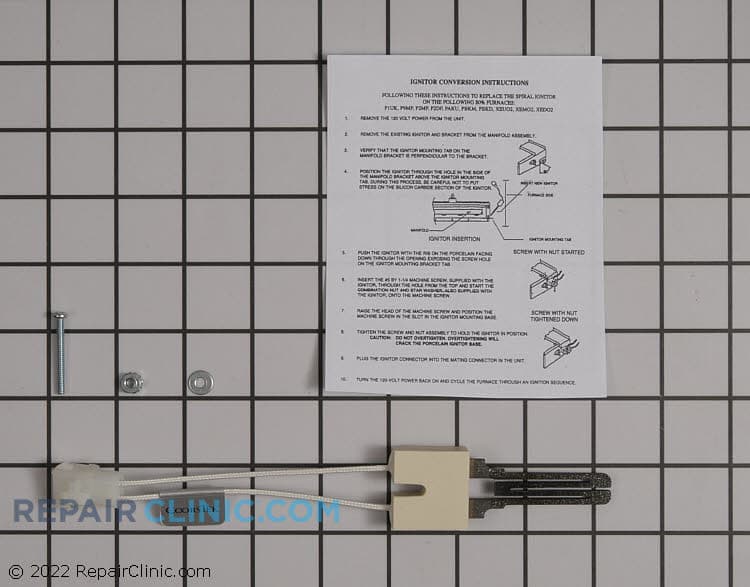
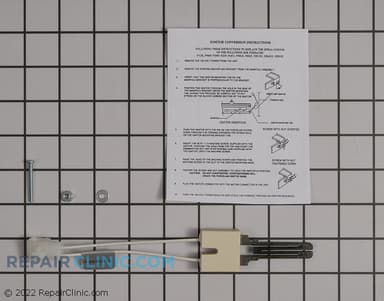
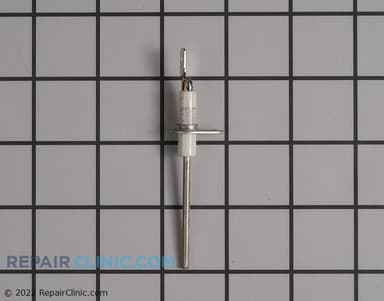
If the inducer runs and the pressure switch closes but the burners never light, the hot surface igniter is the most likely failed component. Thermal cycling over many heating seasons causes hairline fractures that can leave the element glowing weakly rather than failing outright, so inspect it closely rather than assuming a quick glance rules it out.
Flame Sensor and Short Cycling Problems on the TG8S080B12MP11
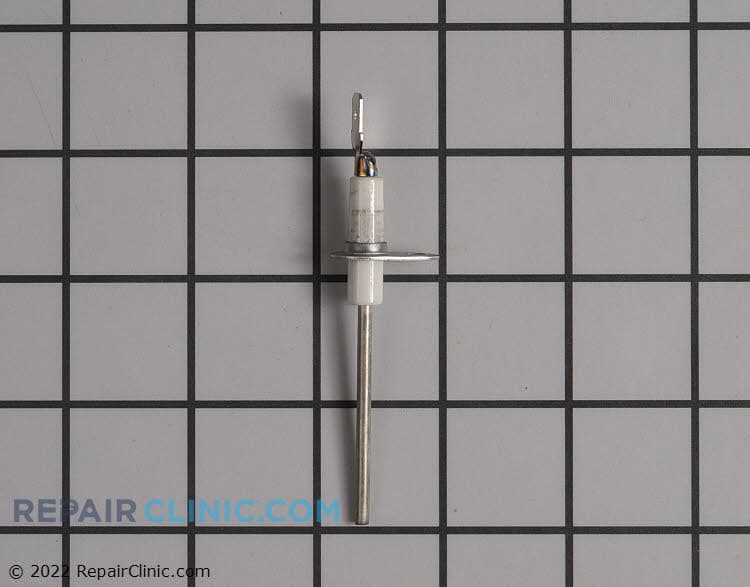
A furnace that ignites briefly and then shuts off within a few seconds, repeating two or three times before locking out, usually points to an oxidized flame sensor rather than the igniter. Clean the rod with fine steel wool before assuming it needs full replacement.
Blower Motor and Weak Airflow Problems on the TG8S080B12MP11
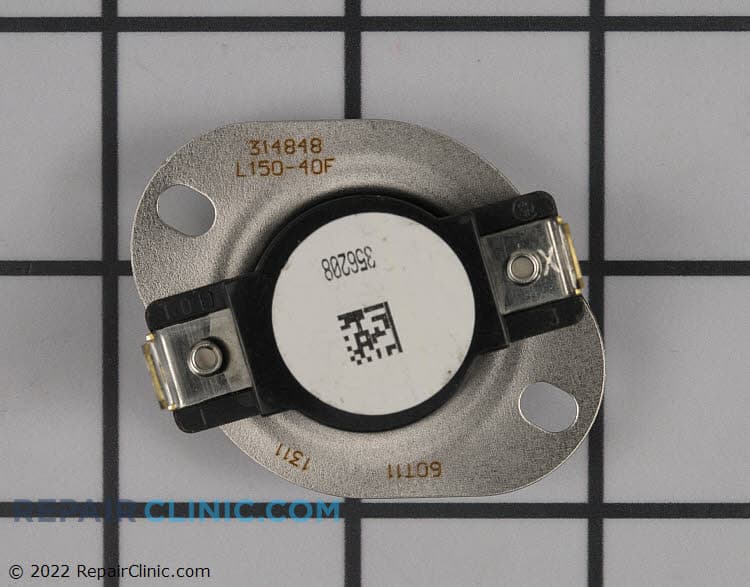
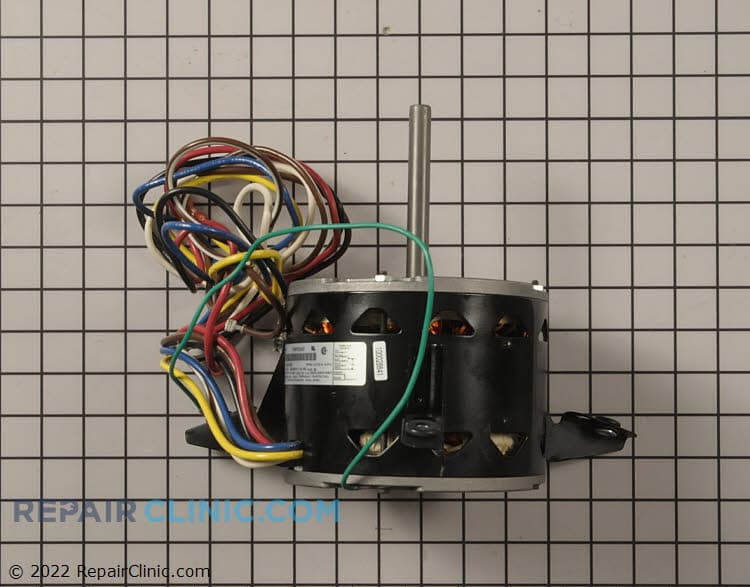
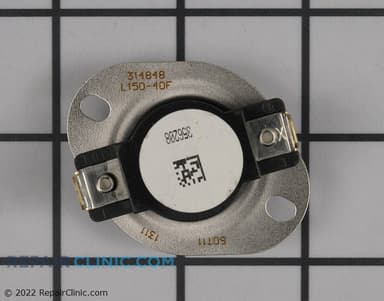
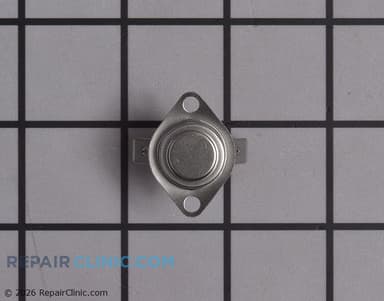
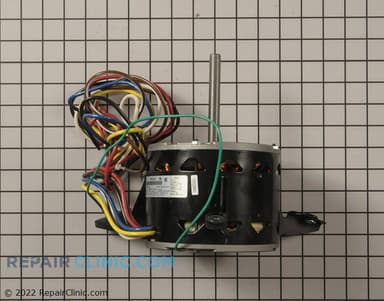
A PSC blower motor that hums without turning, or that runs at reduced speed, usually points to a failed run capacitor feeding the motor rather than the motor itself. Weak airflow combined with a furnace that short cycles on the high limit switch can also point to a clogged air filter restricting airflow across the heat exchanger.
Why Choose Repair Clinic for TG8S080B12MP11 Parts?
- Single-stage platform matched parts: We stock control boards, igniters, flame sensors, and PSC blower motors sized for this TG8S single-stage furnace platform.
- Gas safety: Any work involving the gas valve, burner assembly, or heat exchanger should follow proper shutoff procedures. If you smell gas, leave the area and contact your utility before doing anything else.
- Preventive maintenance guidance: Our repair help covers annual flame sensor cleaning and monthly filter checks, the two habits most likely to prevent short cycling and high limit trips on this furnace.
- 365 day returns: Order with confidence knowing every part is backed by our 365 day, no hassle return policy and expert customer support.
Frequently Asked Questions
What size and efficiency is this furnace?
It is an 80,000 BTU, 80 percent AFUE single-stage gas furnace built with a PSC blower motor for multi position installation.
Does this furnace need PVC venting or a condensate drain?
No, this is a non-condensing furnace that vents through standard metal B-vent and has no condensate drain to manage, unlike higher efficiency condensing platforms.
Why does the furnace light and then shut off within seconds?
An oxidized flame sensor is the most common cause. Clean the rod with fine steel wool before assuming it needs full replacement.
Why is airflow weak even though the blower is running?
Check the blower motor’s run capacitor first, since a weak capacitor can reduce motor speed without the motor itself having failed. Also check for a clogged air filter restricting airflow.