


 Price Match Guarantee
Bryant Furnace Limit Switch Replacement
Find the right part faster
Multiple models matched. Select your model to confirm fit.




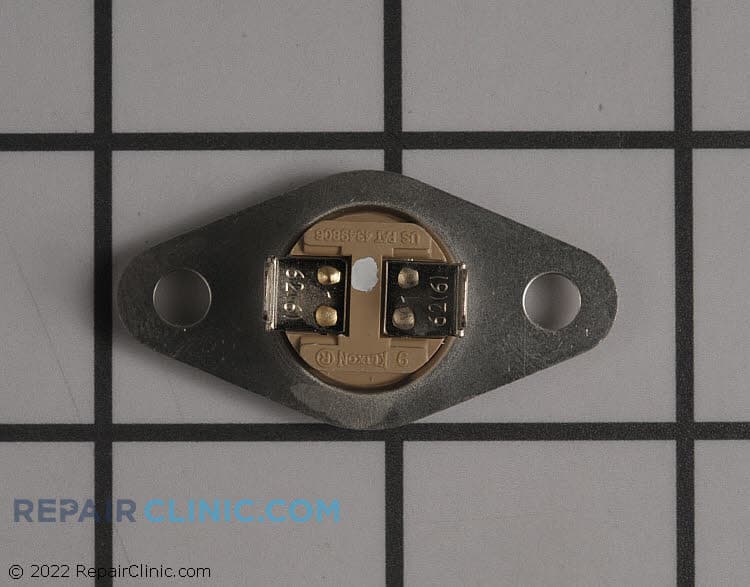
Limit switch non-resettable 101-200F
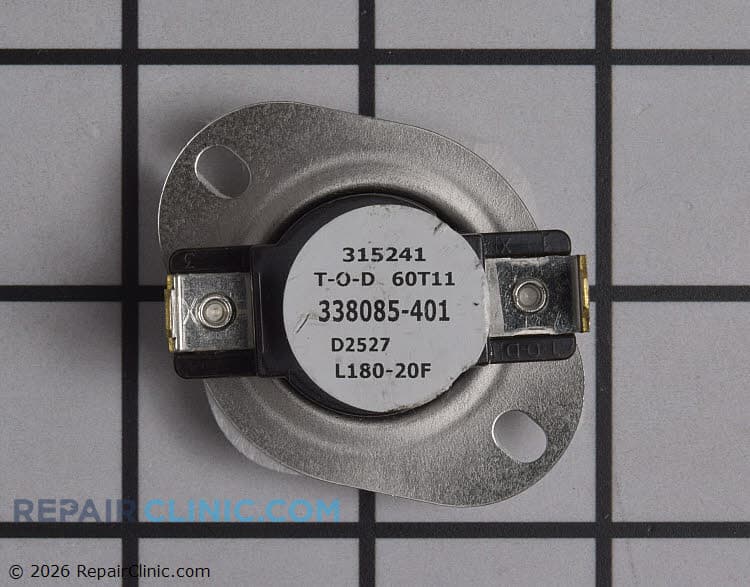
Limit Switch
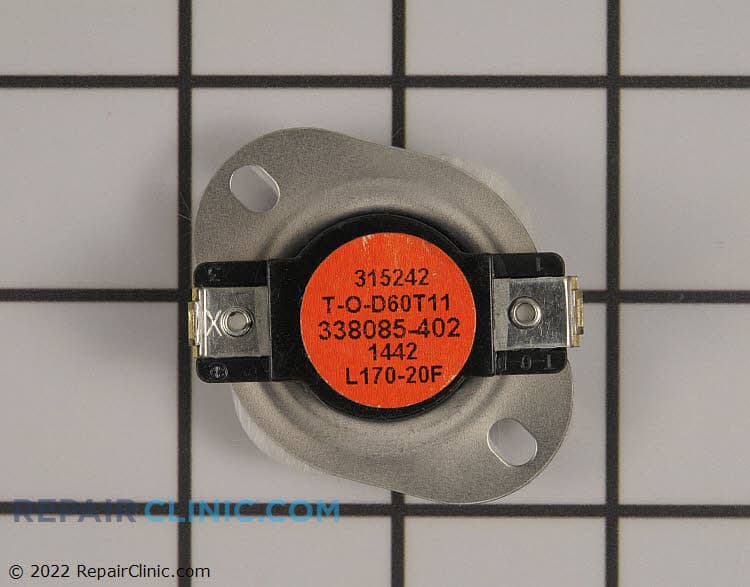
Limit switch
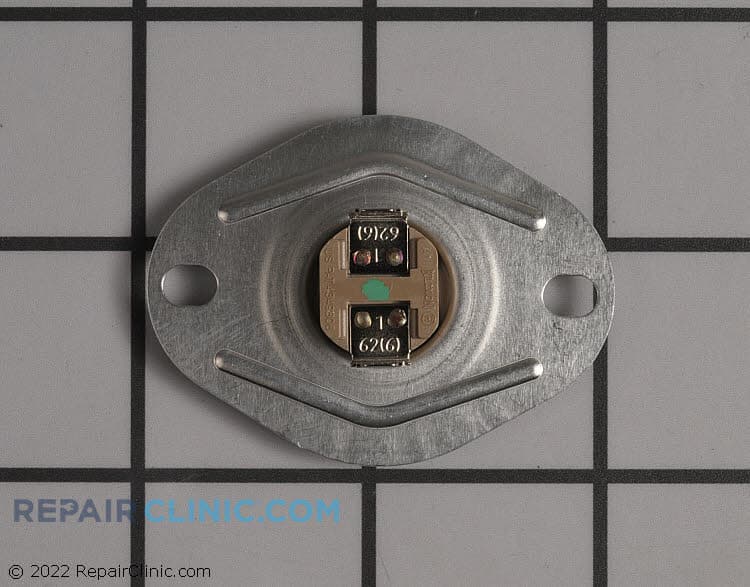
Limit switch 125-165F
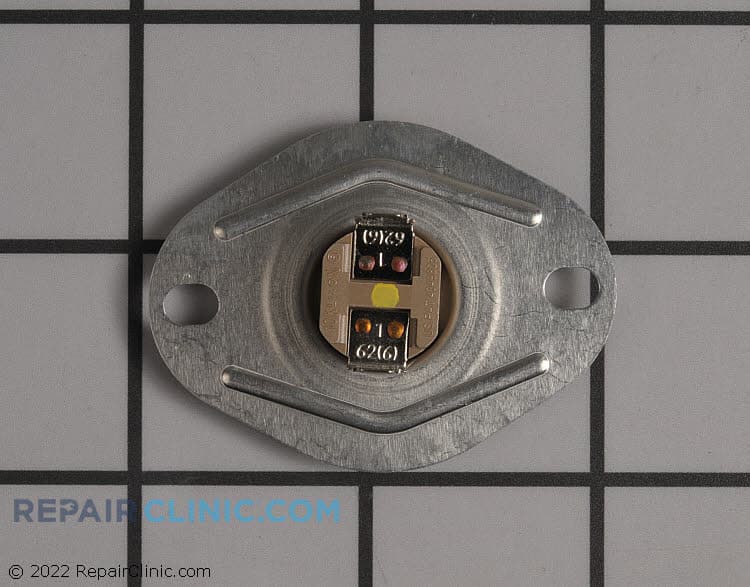
Limit switch 140-180F
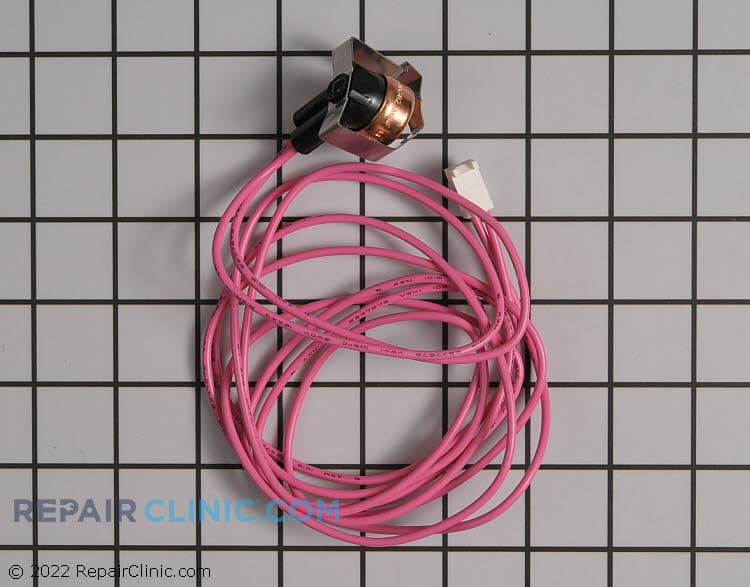
Limit Switch
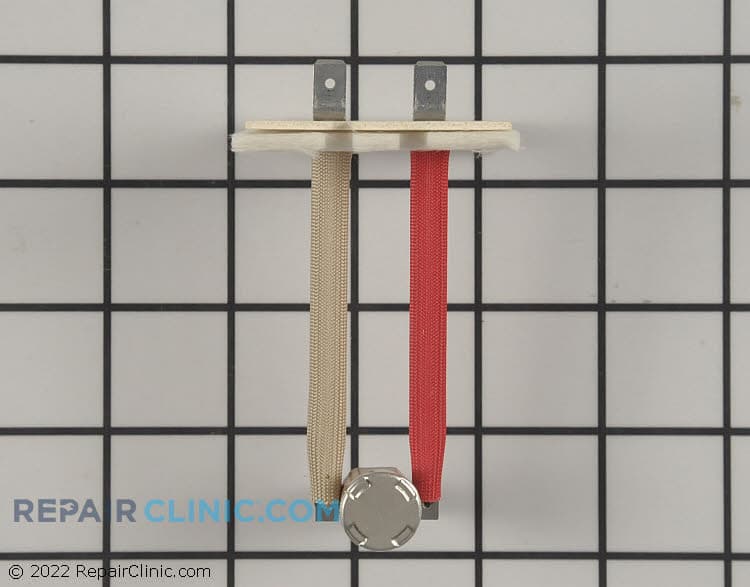
Limit switch, 160 degree
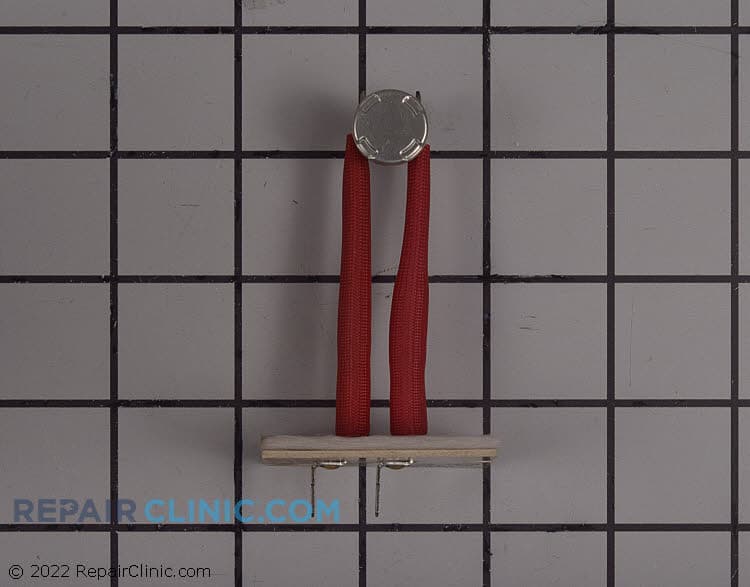
Switch, main limit
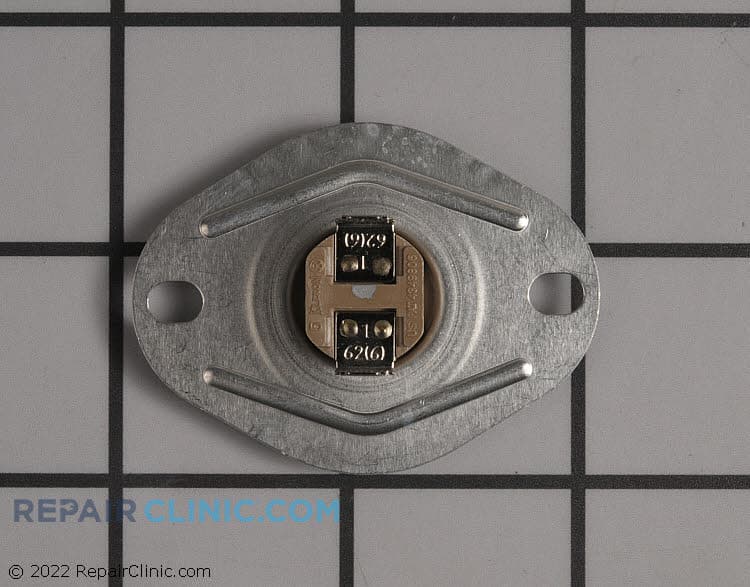
Limit switch
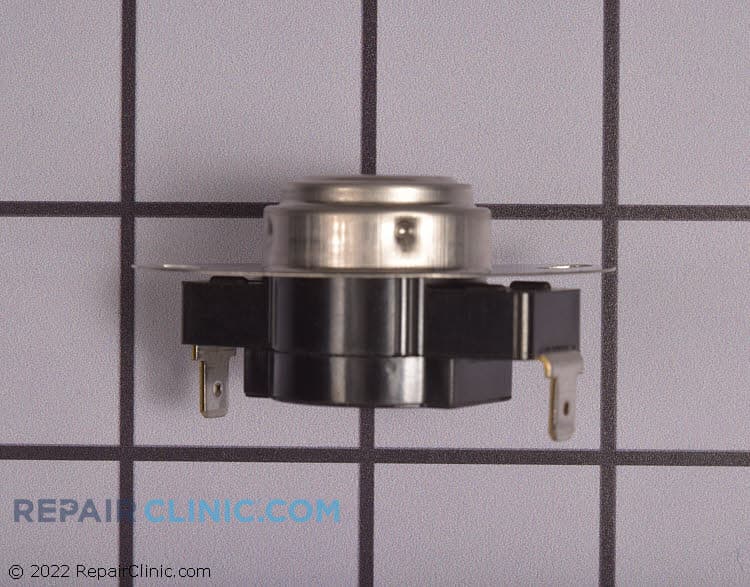
Switch main limit
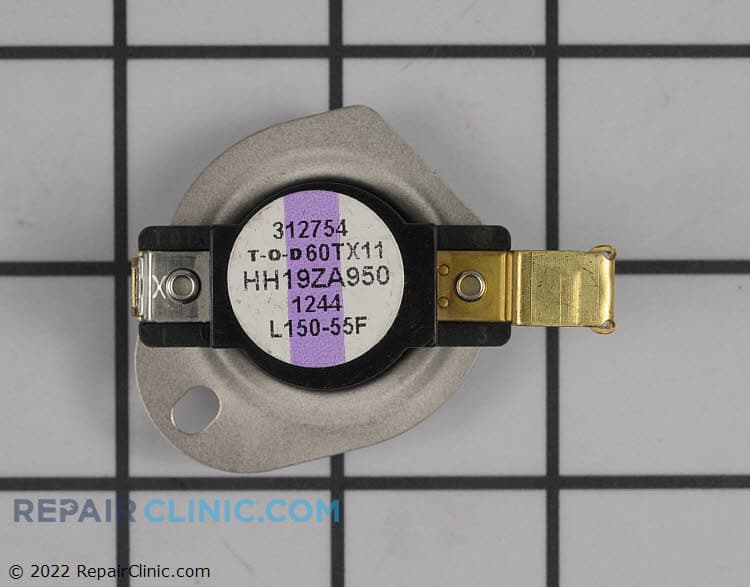
Limit switch L150-50F
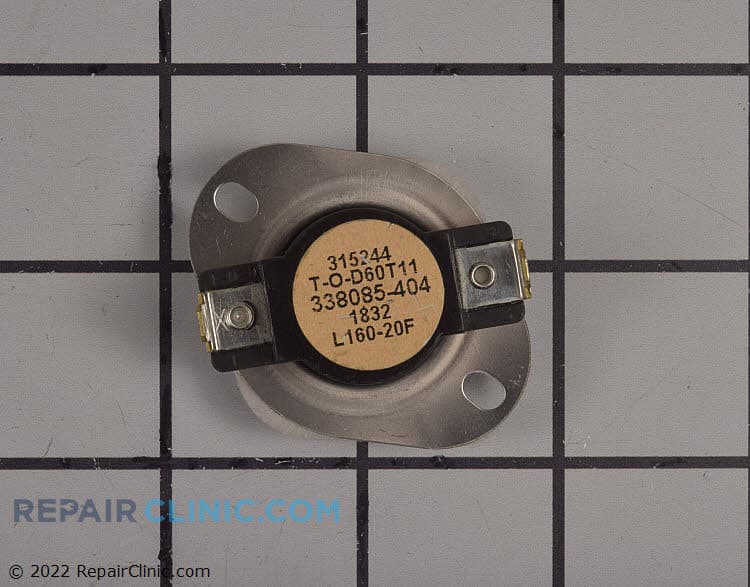
Limit switch
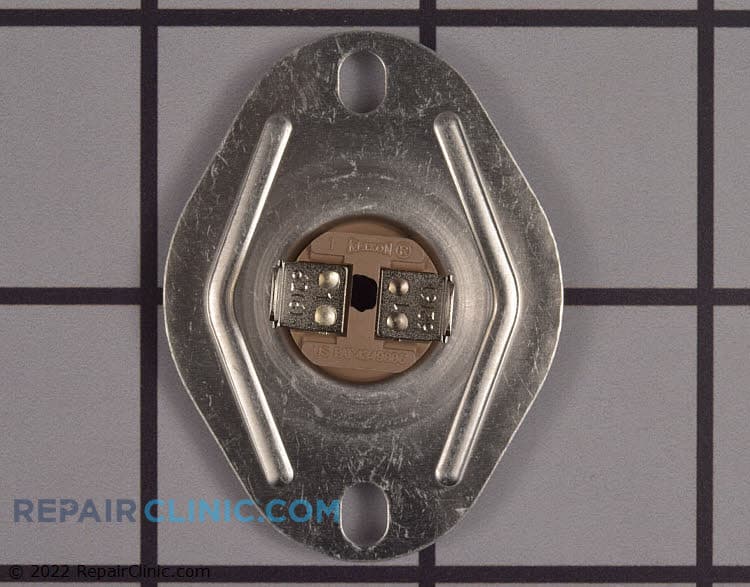
Limit Switch
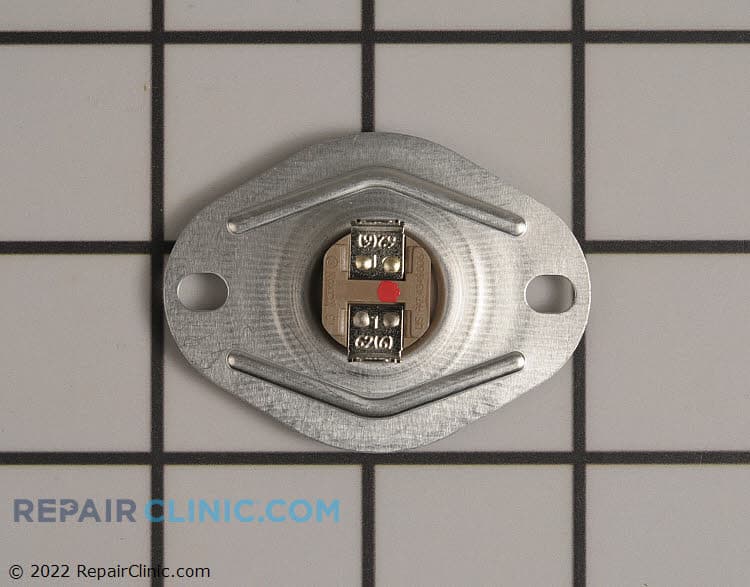
Limit Switch
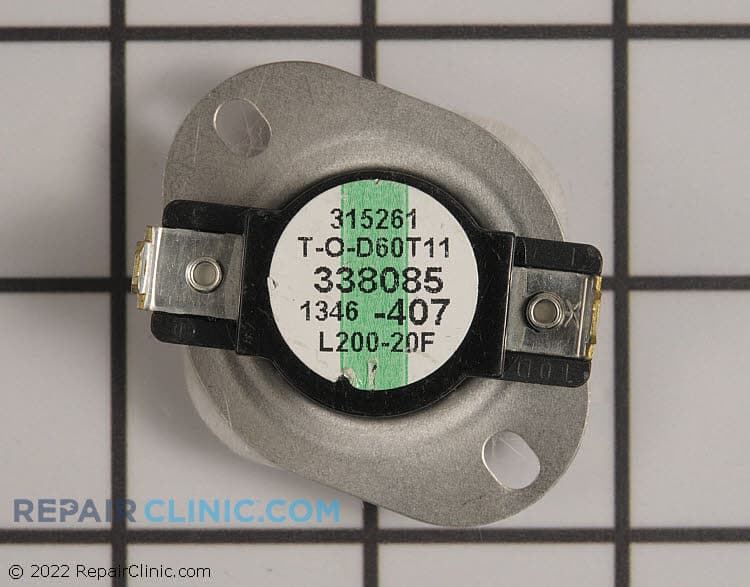
Limit switch


Bryant Furnace Limit Switch Parts
The limit switch is your furnace's safety guardian. When heat exchanger temperature climbs too high, the high-limit switch shuts down the burner to prevent damage or carbon monoxide risk. If your furnace keeps tripping the limit switch — or won't reset at all — you've got a problem that demands the right OEM part.
Most limit switch failures fall into two categories: the switch itself has worn out or failed electrically, or an airflow blockage (dirty filter, closed vents, fan motor issue) is causing legitimate overheating. Always check airflow first. If the furnace still won't run after clearing the filter and vents, the Bryant furnace limit switch needs replacement.
- High-limit switch trips repeatedly: Airflow blocked or fan motor weak; replace fan motor or clear intake first
- Switch won't reset: Thermal switch contacts fused or corroded; OEM replacement required
- Furnace stops mid-cycle: Limit switch sensing wire loose or switch has failed
- No heat at all: Rollout limit switch (safety override) may be stuck open
- Burner cycles on/off constantly: Faulty limit switch causing erratic shutoffs
Find a Replacement Bryant Furnace Limit Switch Online by Model or Part Number
Bryant Furnace Limit Switch FAQs
What's the difference between a high-limit and rollout limit switch?
The high-limit switch monitors normal heat exchanger temperature and shuts off the burner if heat climbs too high — a protective measure during operation. The rollout limit switch is a secondary safety device that trips if the heat exchanger gets dangerously hot (usually from a blocked vent or major airflow loss). Both can fail independently, and both must work for the furnace to operate safely.
Why does my Bryant furnace keep tripping the limit switch?
Nine times out of ten, a repeatedly tripping limit switch points to an airflow problem: dirty furnace filter, blocked return air intake, closed vents, or a failing blower motor. The heat exchanger gets too hot because air isn't circulating properly. Check these first before replacing the switch itself. If airflow is clear and the switch still trips, the switch contacts have likely failed.
How do I know if the limit switch has actually failed?
Turn the furnace off, let it cool for 30 minutes, then turn it back on. If it runs normally for a few minutes then trips again, airflow is your culprit. If it won't start at all or trips immediately on every startup, the switch itself is likely stuck or electrically open. An OEM Bryant limit switch for your specific model number is the right replacement.
Can I clean or reset a Bryant limit switch instead of replacing it?
Some limit switches have a manual reset button you can press, but once it trips due to electrical failure (not thermal overload), cleaning won't fix it. The contacts inside corrode or weld, and replacement is a primary reliable fix. Always use your model number to get the exact OEM switch — voltage and pin configuration matter.
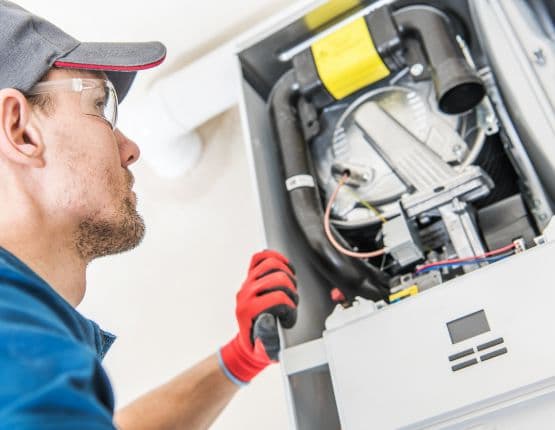
Order Bryant Furnace Limit Switches Online
Shopping for Bryant furnace limit switches is simple and efficient with Repair Clinic. Our easy lookup system allows you to find the exact model or part number you need. With our No-Hassle 365-Day Returns, you can return uninstalled parts for any reason within a year of purchase, ensuring peace of mind. Additionally, our Price Match Guarantee ensures you get competitive pricing, as we'll match any competitor's price on genuine OEM replacement parts. Enjoy the convenience of same-day shipping for orders placed by 9:00 p.m. And get your furnace up and running without delay. Trust Repair Clinic for all your Bryant furnace replacement parts needs, and find more replacement parts with confidence.
Bryant Furnace Model Number: Where to Look
Bryant prints the model number on the blower compartment door of many furnaces. Turn off power to the furnace, then remove or open the front access panel and look for the rating plate or identification label. If it is not there, check the inside of the other front access panel or the area near the gas valve. The model number is usually a mix of letters and numbers, and it is different from the serial number. Enter it in the search bar to filter the furnace parts catalog to parts that fit your complete Bryant furnace model. With the right model selected, you can match parts across the unit more quickly and avoid ordering a part with the wrong specifications.

Step-by-Step Repair Resources for Bryant Furnace
Before you order parts for your Bryant Furnace, use Repair Clinic's online repair resources to confirm the cause of the problem. Symptom-based articles narrow the failing component, part testing videos show how to verify it, and the model number lookup matches the exact OEM replacement. Step-by-step installation videos walk you through the swap once the part arrives.
Related Furnace Repair Help Articles
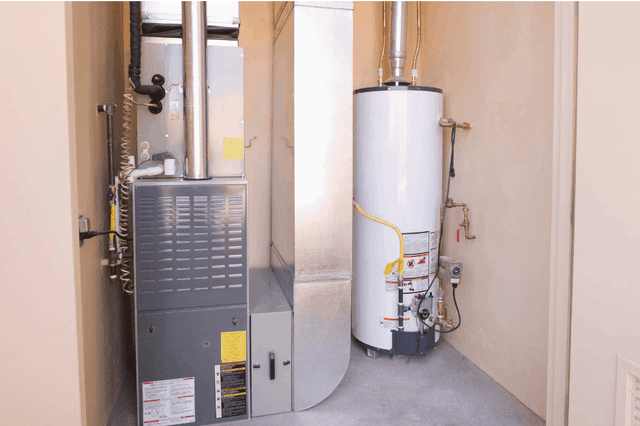
Top Reasons Furnace is Not Igniting
A furnace that fails to ignite can leave your home in the cold. Common issues include a faulty igniter, malfunctioning flame sensor, or a defective draft inducer fan motor. Replacing furnace filters and cleaning furnace parts can help prevent these problems.
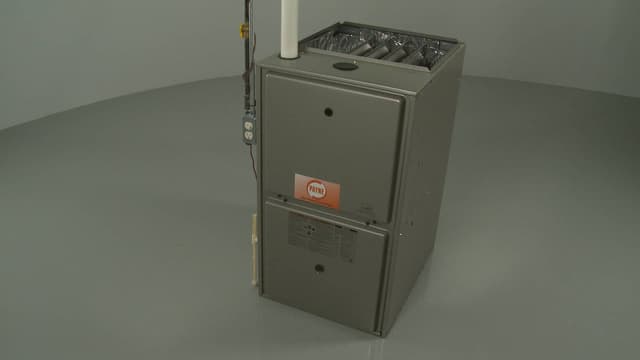
Why is My Furnace Not Working?
Learn why your furnace isn't working by understanding its ignition sequence and identifying common faulty parts like the igniter, flame sensor, or control board. This article provides practical repair tips and insights into each part's role in the heating process.
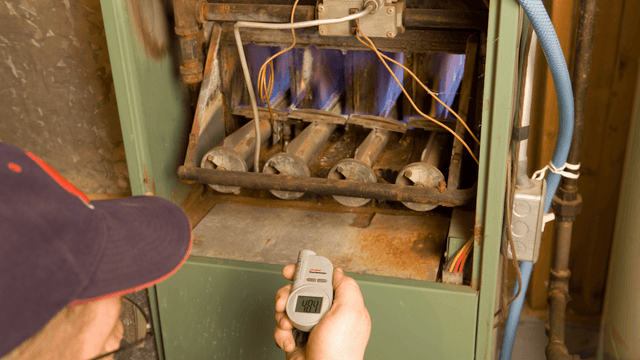
5 Causes of a Furnace Starting Then Stopping
A gas furnace that starts and then stops unexpectedly can be frustrating, especially during cold weather. This article explains five common causes, including issues with the flame sensor, pressure switch, control board, draft inducer fan motor, or air flow. Learn how each cause may impact your furnace's operation and get tips to resolve the problem.




Family-owned and operated since 1912, Burke America Parts Group is the longest-running genuine appliance, HVAC, and outdoor power equipment parts solution in North America. At Repair Clinic, we're proud to be an international brand trusted by the pros as well as the DIY community.
About Repair Clinic