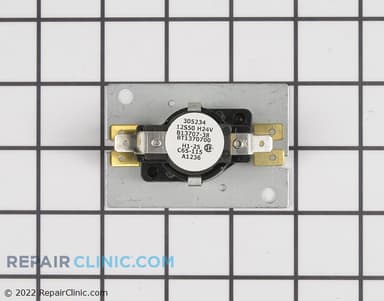
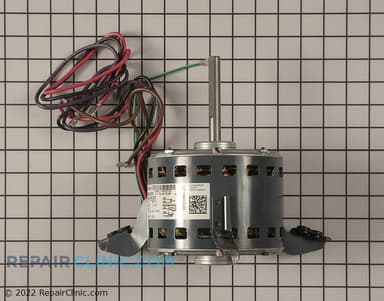
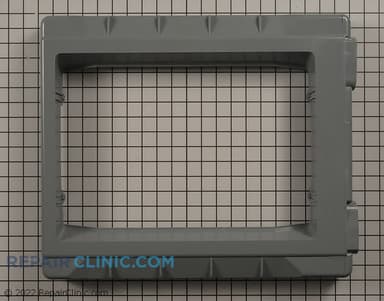
Restore the performance of your Goodman AR36-1 Air Handler with genuine replacement parts from Repair Clinic. This is a 3 ton multi position air handler with coil from Goodman’s older AR series, an R-22 era platform sold as the predecessor to today’s ARUF lineup. Whether you are troubleshooting a specific symptom or refreshing routine maintenance items, our inventory covers the blower motor, control board, drain pan, and filter this unit depends on most. Browse the complete Goodman parts catalog for every component built for this model.
About This Goodman Air Handler
This air handler belongs to Goodman’s original AR series, documented in service literature alongside sibling models AR18-1, AR24-1, AR30-1, AR32-1, AR42-1, AR48-1, AR49-1, AR60-1, and AR61-1, a full 1.5 to 5 ton lineup that Goodman later replaced with the ARUF multi position platform still sold today. The 36 in the model number identifies a 3 ton nominal capacity, consistent with the same numeric convention Goodman still uses decades later. Because this platform predates the 2010 phase out of R-22 in new equipment, most AR series air handlers were matched with R-22 condensers, so any coil, TXV, or metering device replacement should stay consistent with the refrigerant already in the system rather than being swapped for an R-410A rated part. Given the age of this platform, confirming the full model and engineering suffix matters more than usual, since Goodman revised blower and cabinet dimensions more than once over the AR series’ production run. Scheduling a professional inspection of the blower assembly and refrigerant circuit once a year, in addition to routine filter changes a homeowner can handle personally, helps catch small issues before they affect comfort or efficiency. Keeping the area around the air handler cabinet clear of stored items also makes routine filter changes and any future service calls considerably easier to perform. A slow, gradual drop in airflow over several weeks is more often a sign of a clogging filter than a failing blower motor, which tends to show up as a sudden rather than gradual change. Vacuuming visible dust from the return air grille periodically reduces the amount of debris reaching the filter and coil between scheduled filter changes. Listening for new rattling or squealing noises during startup is a simple way to catch a loosening blower wheel or a wearing motor bearing before it leads to a no airflow complaint. Checking that the condensate drain line has a proper slope away from the cabinet, in addition to keeping it clear of algae buildup, helps prevent the standing water issues that are common on air handlers installed in tight spaces. Scheduling a professional inspection of the blower assembly and refrigerant circuit once a year, in addition to routine filter changes a homeowner can handle personally, helps catch small issues before they affect comfort or efficiency. Keeping the area around the air handler cabinet clear of stored items also makes routine filter changes and any future service calls considerably easier to perform. A slow, gradual drop in airflow over several weeks is more often a sign of a clogging filter than a failing blower motor, which tends to show up as a sudden rather than gradual change. Vacuuming visible dust from the return air grille periodically reduces the amount of debris reaching the filter and coil between scheduled filter changes. Listening for new rattling or squealing noises during startup is a simple way to catch a loosening blower wheel or a wearing motor bearing before it leads to a no airflow complaint. Checking that the condensate drain line has a proper slope away from the cabinet, in addition to keeping it clear of algae buildup, helps prevent the standing water issues that are common on air handlers installed in tight spaces. Scheduling a professional inspection of the blower assembly and refrigerant circuit once a year, in addition to routine filter changes a homeowner can handle personally, helps catch small issues before they affect comfort or efficiency. Keeping the area around the air handler cabinet clear of stored items also makes routine filter changes and any future service calls considerably easier to perform. A slow, gradual drop in airflow over several weeks is more often a sign of a clogging filter than a failing blower motor, which tends to show up as a sudden rather than gradual change. Vacuuming visible dust from the return air grille periodically reduces the amount of debris reaching the filter and coil between scheduled filter changes. Listening for new rattling or squealing noises during startup is a simple way to catch a loosening blower wheel or a wearing motor bearing before it leads to a no airflow complaint. Checking that the condensate drain line has a proper slope away from the cabinet, in addition to keeping it clear of algae buildup, helps prevent the standing water issues that are common on air handlers installed in tight spaces. Scheduling a professional inspection of the blower assembly and refrigerant circuit once a year, in addition to routine filter changes a homeowner can handle personally, helps catch small issues before they affect comfort or efficiency. Keeping the area around the air handler cabinet clear of stored items also makes routine filter changes and any future service calls considerably easier to perform. A slow, gradual drop in airflow over several weeks is more often a sign of a clogging filter than a failing blower motor, which tends to show up as a sudden rather than gradual change. Vacuuming visible dust from the return air grille periodically reduces the amount of debris reaching the filter and coil between scheduled filter changes. Listening for new rattling or squealing noises during startup is a simple way to catch a loosening blower wheel or a wearing motor bearing before it leads to a no airflow complaint. Checking that the condensate drain line has a proper slope away from the cabinet, in addition to keeping it clear of algae buildup, helps prevent the standing water issues that are common on air handlers installed in tight spaces. Scheduling a professional inspection of the blower assembly and refrigerant circuit once a year, in addition to routine filter changes a homeowner can handle personally, helps catch small issues before they affect comfort or efficiency. Keeping the area around the air handler cabinet clear of stored items also makes routine filter changes and any future service calls considerably easier to perform. A slow, gradual drop in airflow over several weeks is more often a sign of a clogging filter than a failing blower motor, which tends to show up as a sudden rather than gradual change. Vacuuming visible dust from the return air grille periodically reduces the amount of debris reaching the filter and coil between scheduled filter changes.
Most Replaced Parts on the AR36-1
Blower Motor Problems on the AR36-1
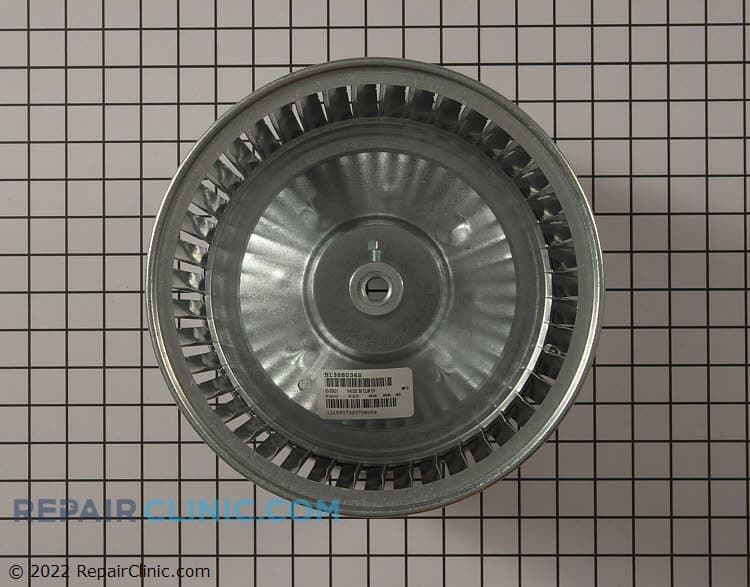
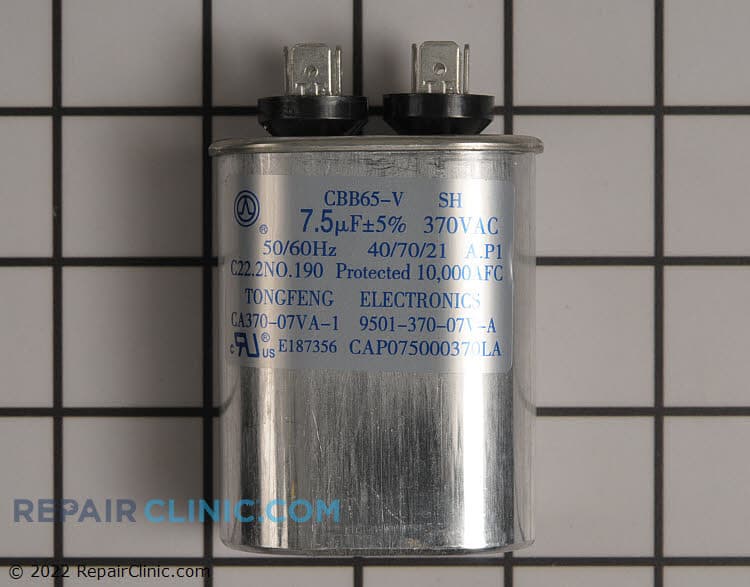
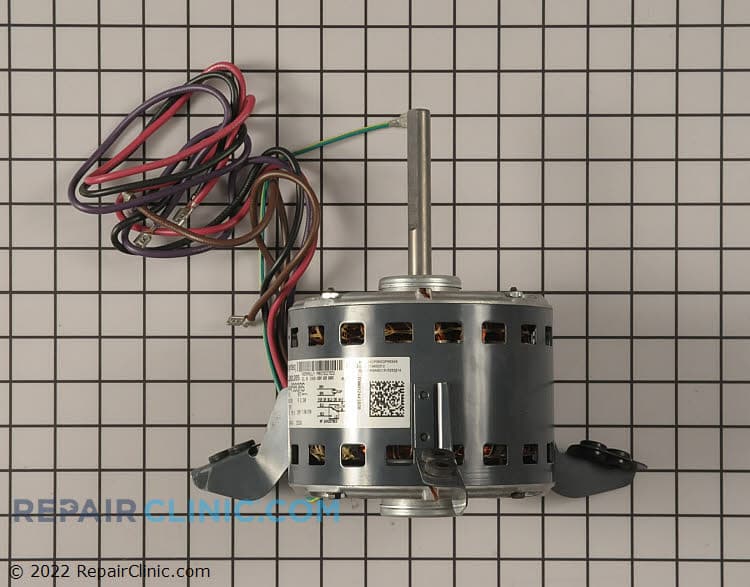
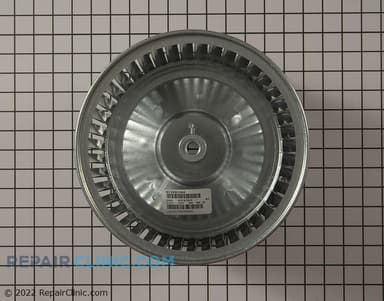
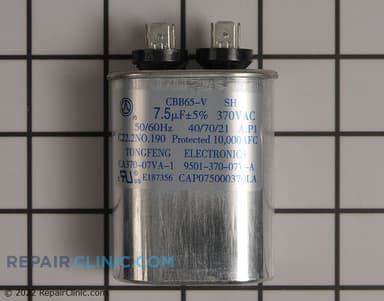
A blower that hums without turning, or that runs only on one speed, points to either a worn motor or a failed run capacitor feeding it on this older PSC motor design. Confirm capacitor readings before replacing the motor outright, since a weak capacitor can prevent an otherwise healthy motor from starting.
Airflow and Coil Restriction Issues on the AR36-1
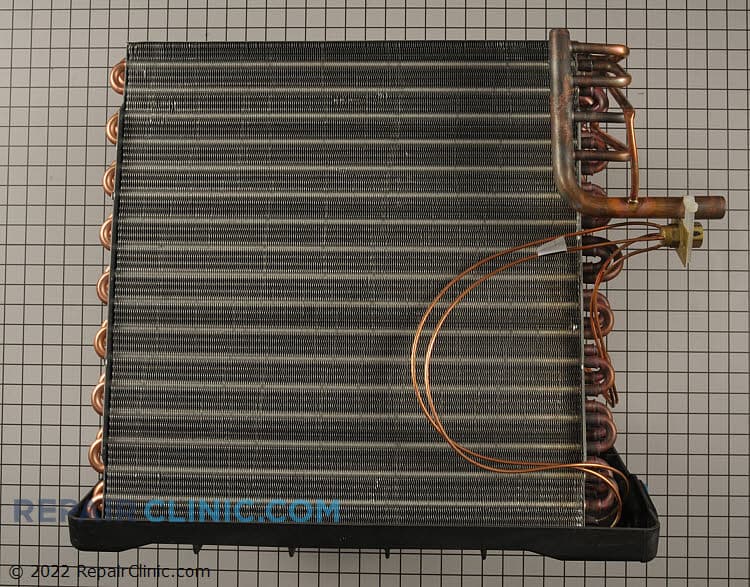
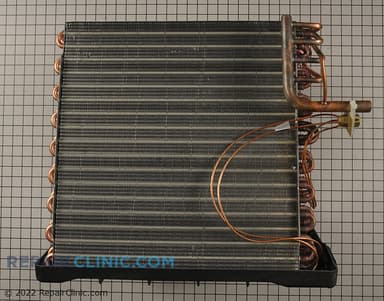
Reduced airflow paired with ice forming on the coil often points to a dirty filter or a coil that has not been cleaned in years on a unit this age. Because this platform’s coil is original equipment from an R-22 era design, a full coil replacement should stay matched to the system’s existing refrigerant type.
Control and Relay Problems on the AR36-1
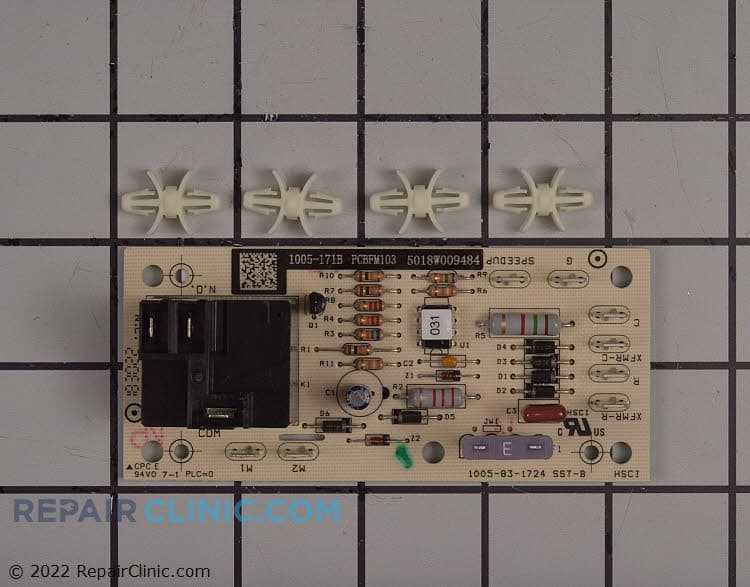
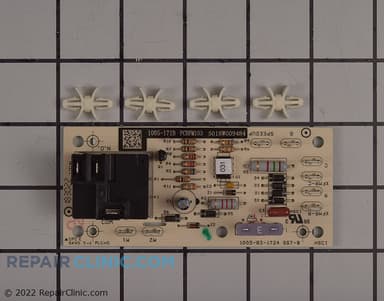
If the blower does not respond to thermostat calls at all, check the control relay and transformer before assuming a more expensive component has failed. On a unit this age, a worn relay or an aging transformer is a common and relatively inexpensive fix.
Drain Pan and Condensate Issues on the AR36-1
Standing water beneath the cabinet on an air handler this age often points to a corroded metal drain pan or a clogged condensate line rather than a coil leak. Flush the drain line first, since it is the simpler and more common culprit.
Why Choose Repair Clinic for AR36-1 Parts
- Legacy platform parts: We stock blower motors, control components, and drain pans sized for this older AR series air handler and its 18 through 61 ton siblings.
- Refrigerant safety: Most AR series units were matched with R-22 condensers. Any sealed system work requires EPA 608 certification and refrigerant consistent with what the system already uses.
- Preventive maintenance guidance: Our repair help covers filter checks and drain line flushing, the two habits most likely to extend the life of an air handler of this age.
- 365 day returns: Order with confidence knowing every part is backed by our 365 day, no hassle return policy and knowledgeable customer support.
AR36-1 Parts FAQ
What size is this air handler?
It is a 3 ton multi position air handler with coil, part of Goodman’s original AR series that spanned 1.5 to 5 tons before being replaced by the modern ARUF lineup.
What refrigerant does this air handler use?
Most AR series units from this era were matched with R-22 condensers. Confirm your system’s existing refrigerant before ordering a coil or metering device.
Why is ice forming on the coil?
A dirty filter restricting airflow is the most common cause. Check and replace the filter before assuming a refrigerant charge issue.
How is this different from a current Goodman ARUF air handler?
The AR series is an older R-22 era platform that Goodman has since replaced with the ARUF series, so parts are generally not interchangeable between the two.