


 Price Match Guarantee
Bryant Furnace Gas Burner & Control Valve Parts
Find the right part faster
Multiple models matched. Select your model to confirm fit.




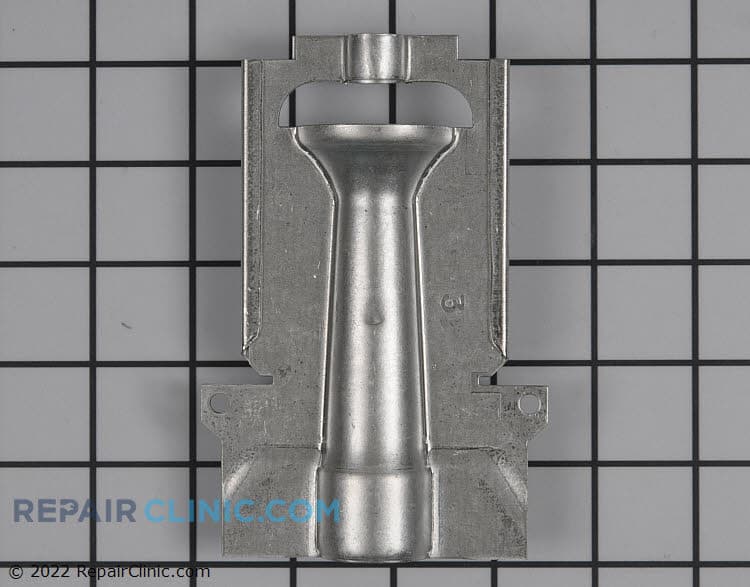
Gas burner tube
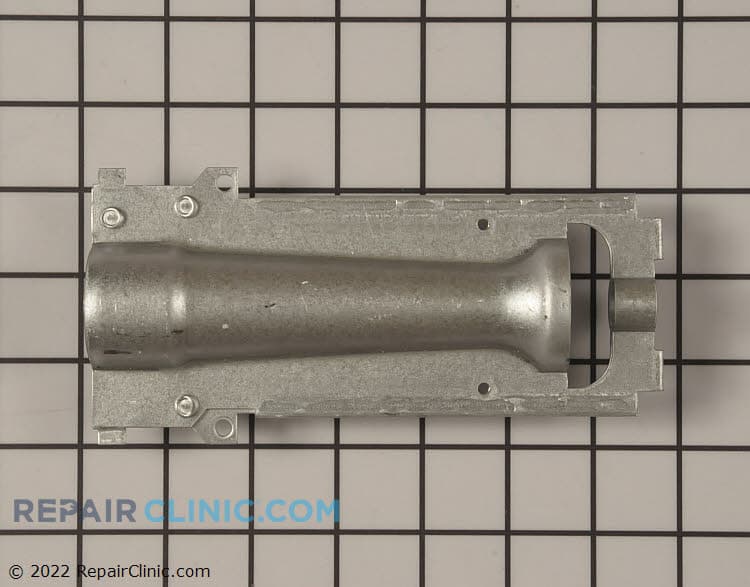
Gas burner tube
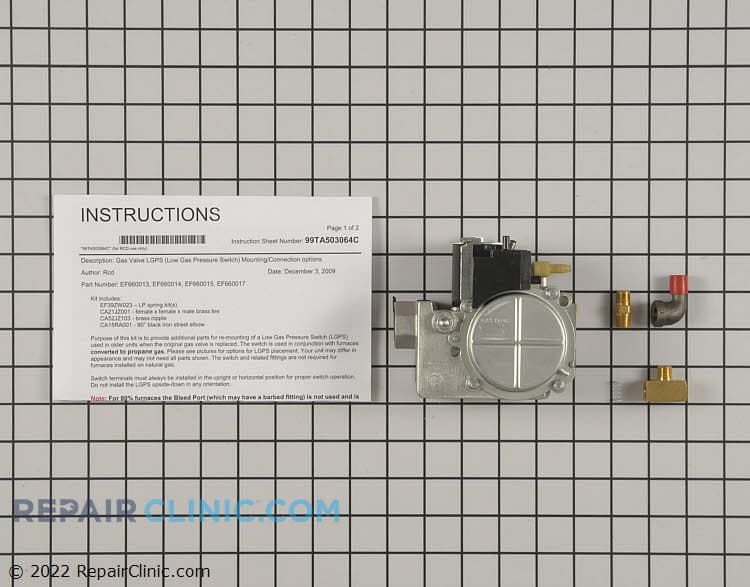
Gas valve kit. *Should be installed by a certified Carrier repairperson.

24v gas valve 1/2" npt, 3.5" wc., ef32cw210

Valve, gas

Collector box kit 21"
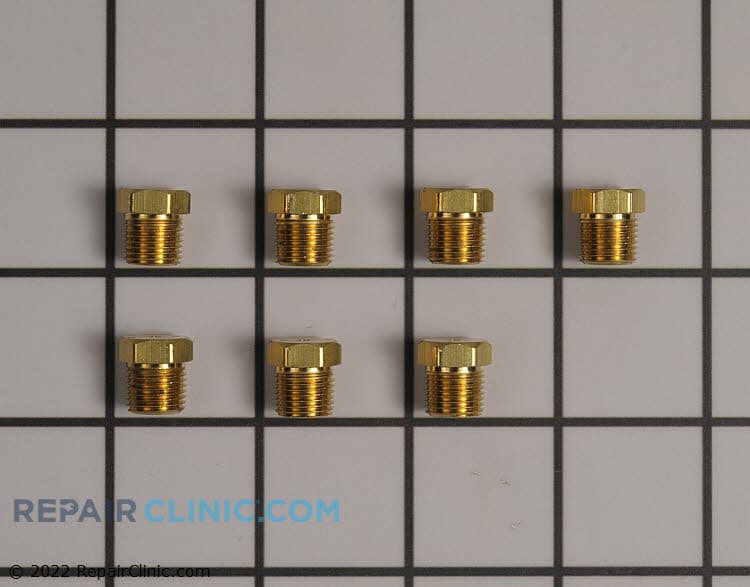
Natural gas orifice spud kit, .45, pack of 7. *Should be installed by a certified Carrier repairperson.

Gas valve

Gas valve
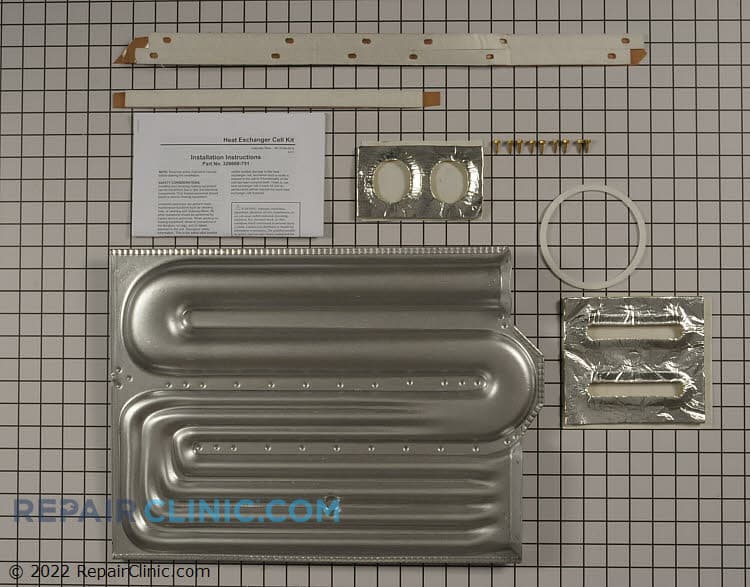
Heat exchanger kit
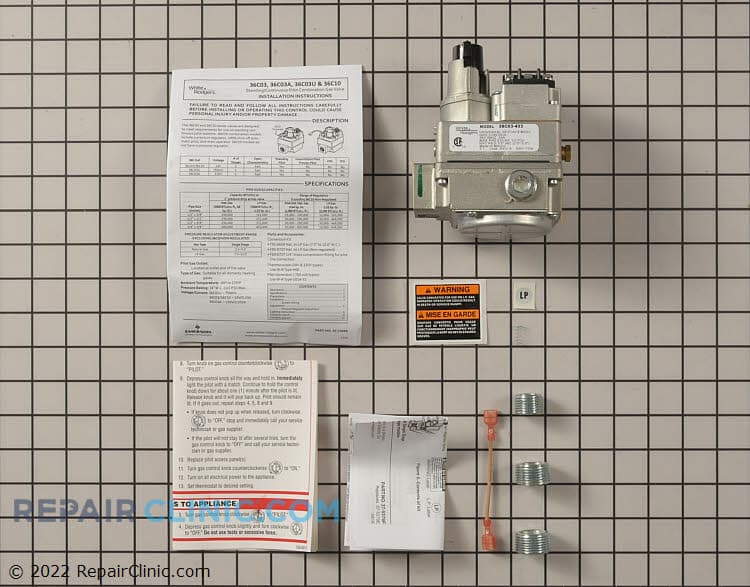
Universal Gas Valve - *The Manufacture recommends that this part be installed by a licensed contractor.
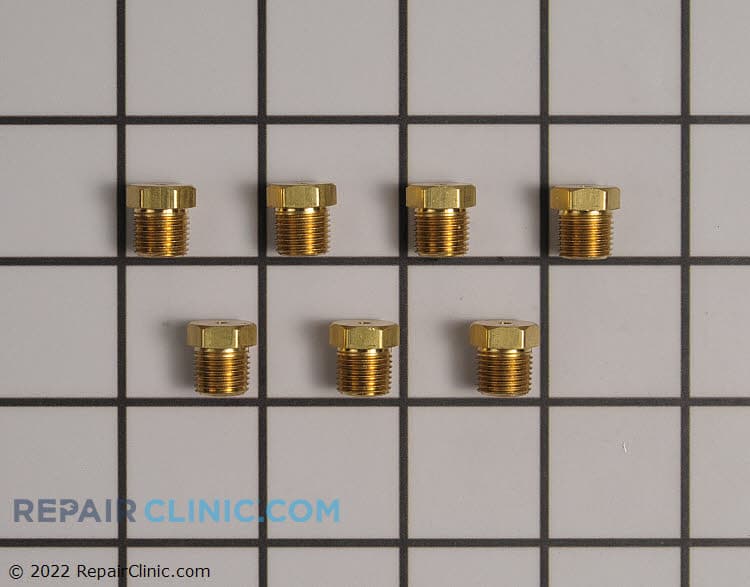
.43 MM orifice, pack of 7. *Should be installed by a certified Carrier repairperson.
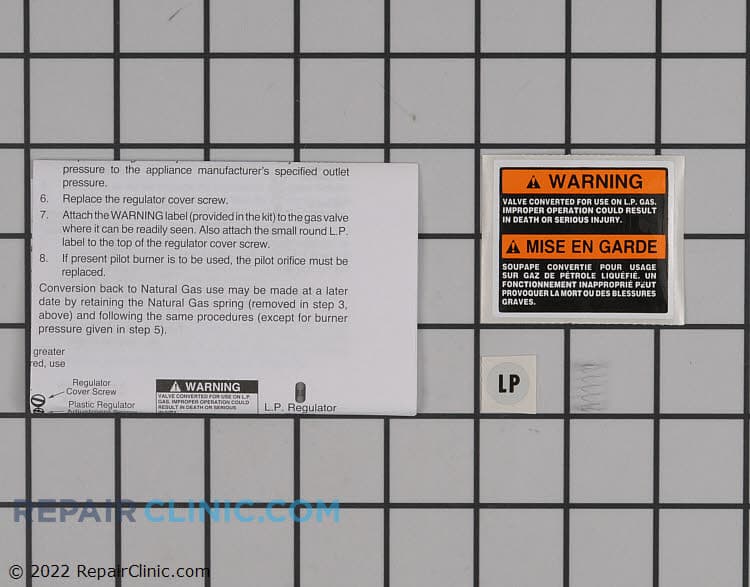
Nat. to LP. Conversion Kit. Valve only, *does not include orifices also needed. **Should be installed by a certified Trane repairperson.
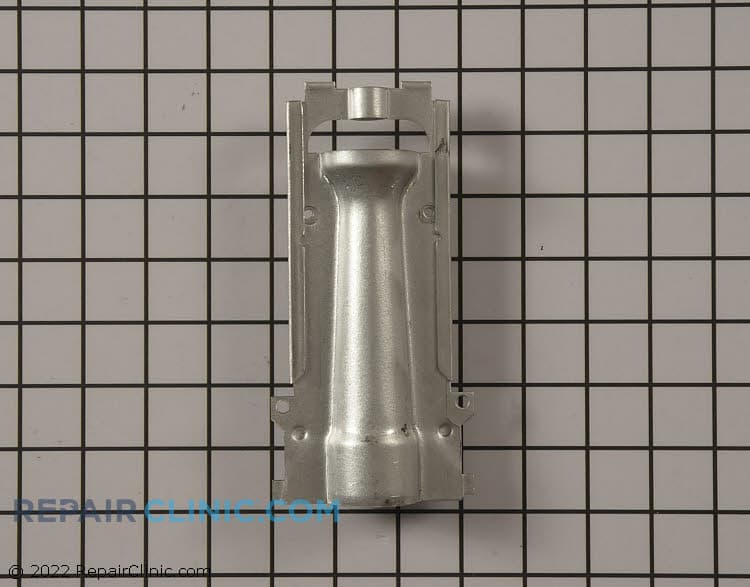
Burner assy
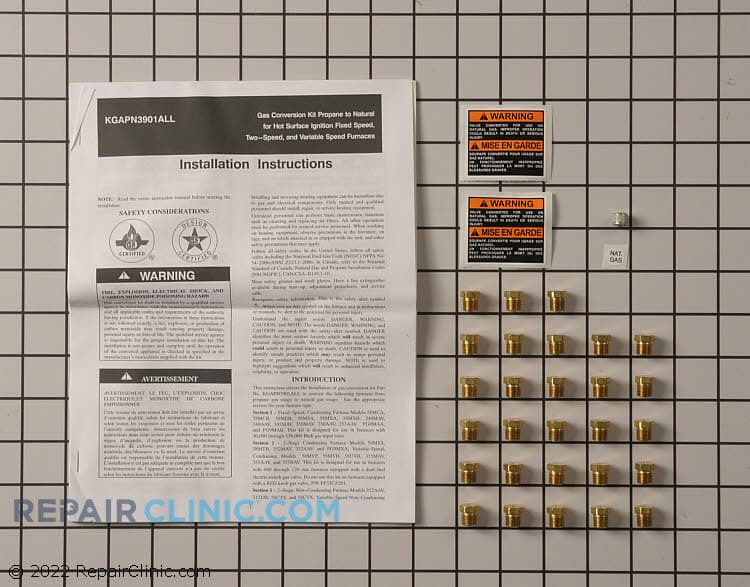
Conversion kit, Propane to Natural Gas. *Should be installed by a certified Carrier repairperson.


Bryant Furnace Gas Valve Problems & Replacement Parts
The gas valve (also called a gas burner control valve or combination gas valve) is the gatekeeper of your Bryant furnace's heating cycle. When the control board signals it's time to heat, the gas valve opens to allow fuel flow to the burner. A failed gas valve stops heat completely — no ignition, no flame, no warmth. Before replacing, always verify inlet and outlet gas pressure at the valve terminals using a manometer; low pressure often points to an upstream regulator or line issue, not the valve itself.
Bryant furnaces typically use Honeywell or White-Rodgers gas valves. The exact part number depends on your model's ignition type (standing pilot vs. Hot surface igniter) and whether your system is single-stage or two-stage. OEM valves maintain correct cracking pressure and solenoid resistance — aftermarket valves introduce nuisance lockouts and safety failures.
- No gas flow after igniter glows: Gas valve solenoid failed or coil is open; test coil voltage at terminals (24V control signal) and resistance (~150O for standard coils)
- Valve hisses or leaks from cap: Internal seat corrosion or debris; try cleaning pilot orifice first; if leak persists, replace the valve
- Furnace won't ignite but blower runs: Pressure switch closed (inducer working) but gas valve not opening; check 24V control voltage at valve, then test valve coil resistance
- Intermittent heating or lockout codes: Valve sticking open/closed; common on units over 10 years old; OEM replacement is the correct fix
- Gas smell at furnace but no ignition: Valve may be cracked internally; if you smell gas and the burner doesn't light, shut off the gas and call a technician immediately
Find Replacement Bryant Furnace Gas Burner & Control Valve Parts Online by Model or Part Number
Popular Bryant Furnace Models
Related Bryant Furnace Gas Burner & Control Valve Parts
- Bryant Furnace Gas Valve Assembly Parts
- Bryant Furnace Orifice Parts
- Bryant Furnace Gas Burner Parts
- Bryant Furnace Conversion Kit Parts
- Bryant Furnace Gas Tube or Connector Parts
- Bryant Furnace Burner Baffle Parts
- Bryant Furnace Burner Tube Parts
- Bryant Furnace Gas Valve and Thermostat Assembly Parts
- Bryant Furnace Cold End Collector Box / Burner Box Parts
- Bryant Furnace Gas Valve Solenoid Parts
- Bryant Furnace Heat Exchanger Parts
- Bryant Furnace Pilot Parts
Bryant Furnace Gas Valve FAQs
How do I know if my Bryant gas valve is bad?
The clearest sign is no gas flow despite a working igniter and closed pressure switch. Listen for a soft click at the valve solenoid when the furnace calls for heat — no click means the solenoid coil is dead or the control board isn't sending the 24V signal. You can also check valve inlet/outlet pressure with a manometer; if inlet pressure is normal (typically 3.5 to 4 in. Water column) but outlet pressure is zero, the valve seat is blocked or the solenoid is stuck closed. On older Bryant units, a hissing sound from the valve cap suggests internal corrosion and warrants replacement.
What's the difference between a standing pilot valve and an igniter valve?
Standing pilot valves (older Bryant furnaces) have a separate pilot gas line that keeps a small flame burning constantly; the main gas valve opens when the thermostat calls for heat. Igniter valves (modern Bryant furnaces with hot surface igniters) have no standing pilot — the igniter glows first, then the main gas valve opens when the flame sensor detects ignition. Always verify your ignition type before ordering; the part numbers are different, and cross-fitting them causes safety lockouts.
Can I test a Bryant gas valve without replacing it?
Yes — you can test the solenoid coil resistance with a multimeter and check 24V control voltage at the valve terminals during a heating call. Healthy solenoid coils typically measure 150 to 200O resistance; open or short coils (infinite or near-zero resistance) indicate failure. If voltage is present at the valve terminals but the solenoid shows infinite resistance, the coil is open and the valve must be replaced. If there's no 24V at the valve during a call, the problem is upstream — check the control board and thermostat wiring first.
Why does my Bryant furnace have a combination valve instead of separate parts?
Combination gas valves (usually Honeywell or White-Rodgers) bundle the main valve, safety shutoff solenoid, and pressure regulator into one assembly. This reduces parts count, cost, and footprint. Bryant uses these on most current models because they're reliable and pre-calibrated at the factory. When one part inside the combination valve fails, the entire assembly must be replaced — individual internal parts are not sold separately. Always match the inlet/outlet port size and electrical connector type when ordering a replacement.
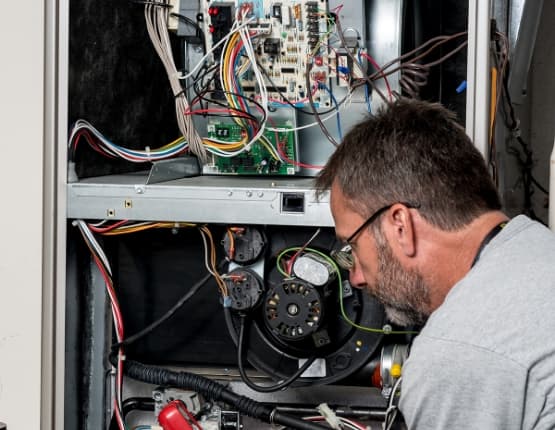
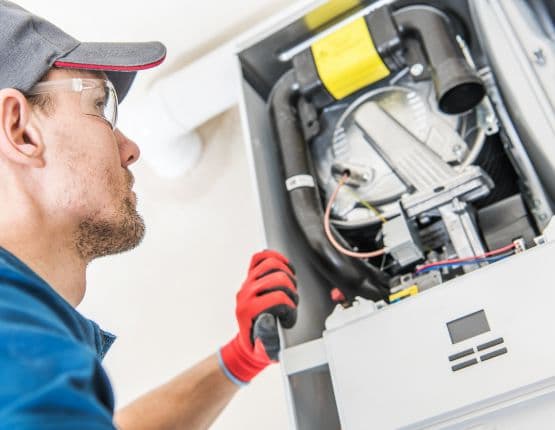
Order Bryant Furnace Gas Burner & Control Valve Parts Online
Ensure your Bryant furnace operates efficiently by ordering genuine gas burner and control valve parts from Repair Clinic. Our extensive inventory allows you to find the exact parts you need, such as gas burners, tubes, valve assemblies, and more, all available with our Price Match Guarantee. With easy online lookup using your model or part number, you can quickly locate the precise parts required for reliable repairs. Plus, take advantage of same-day shipping for prompt delivery, so you can maintain the comfort of your home without delay. Trust Repair Clinic to provide top-quality Bryant furnace replacement parts with same-day shipping and access to our online repair library of guides, videos, and part diagrams.
Bryant Furnace Model Number: Where to Look
On Bryant furnaces, look for the rating plate with the model number on the blower compartment door, inside the front access panel, or near the gas valve. The plate may also list the serial number, so copy the model number exactly, including letters and numbers. Enter it in the model number search to pull up the parts matched to your unit. Using the complete furnace model filters Repair Clinic's full selection, including burners, gas valves, tubes, controls, and other associated parts, so you are not sorting through parts for different Bryant models. That means fewer wrong orders and a faster repair.

Do-It-Yourself Repair Resources for Bryant Furnace
Repair Clinic's online repair library gives DIYers and professional technicians the same reference material for Bryant Furnace work. Start with a common-symptom article to narrow the cause, watch the matching part testing video, then follow the step-by-step written or video repair guide during the installation. Use the model number lookup to confirm the exact OEM part, and wiring diagrams and exploded-view illustrations are on hand for the more complex jobs.
Related Furnace Repair Help Articles
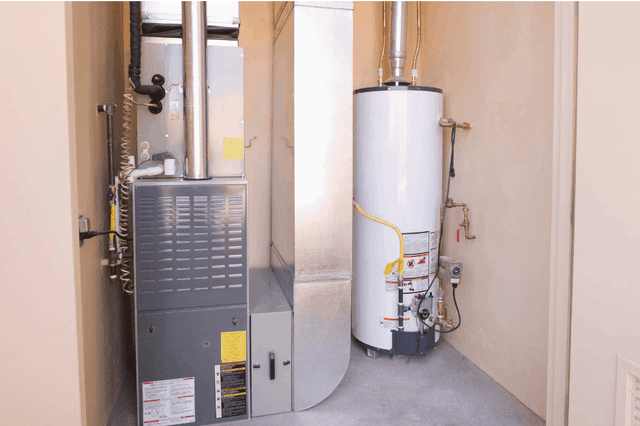
Top Reasons Furnace is Not Igniting
A furnace that fails to ignite can leave your home in the cold. Common issues include a faulty igniter, malfunctioning flame sensor, or a defective draft inducer fan motor. Replacing furnace filters and cleaning furnace parts can help prevent these problems.
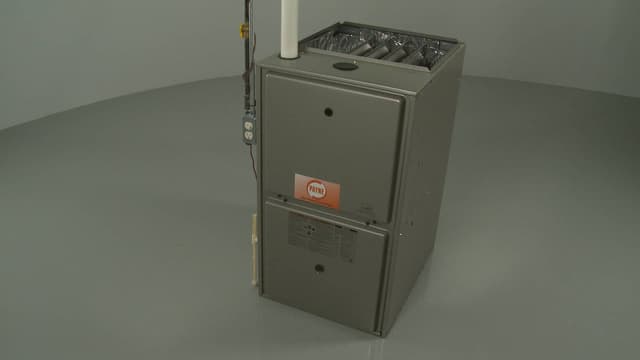
Why is My Furnace Not Working?
Learn why your furnace isn't working by understanding its ignition sequence and identifying common faulty parts like the igniter, flame sensor, or control board. This article provides practical repair tips and insights into each part's role in the heating process.
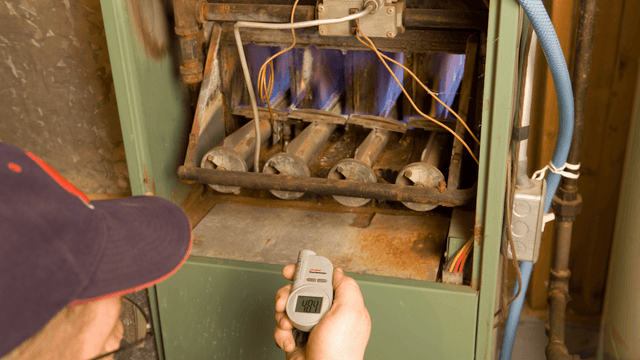
5 Causes of a Furnace Starting Then Stopping
A gas furnace that starts and then stops unexpectedly can be frustrating, especially during cold weather. This article explains five common causes, including issues with the flame sensor, pressure switch, control board, draft inducer fan motor, or air flow. Learn how each cause may impact your furnace's operation and get tips to resolve the problem.




Family-owned and operated since 1912, Burke America Parts Group is the longest-running genuine appliance, HVAC, and outdoor power equipment parts solution in North America. At Repair Clinic, we're proud to be an international brand trusted by the pros as well as the DIY community.
About Repair Clinic