


 Price Match Guarantee
Bryant Furnace Igniter Parts
Find the right part faster
Multiple models matched. Select your model to confirm fit.




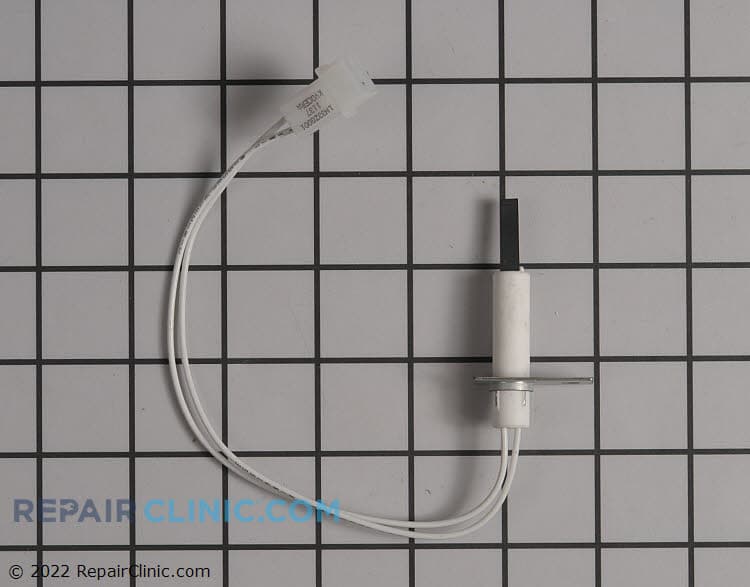
Nitride Hot Surface Furnace Ignitor
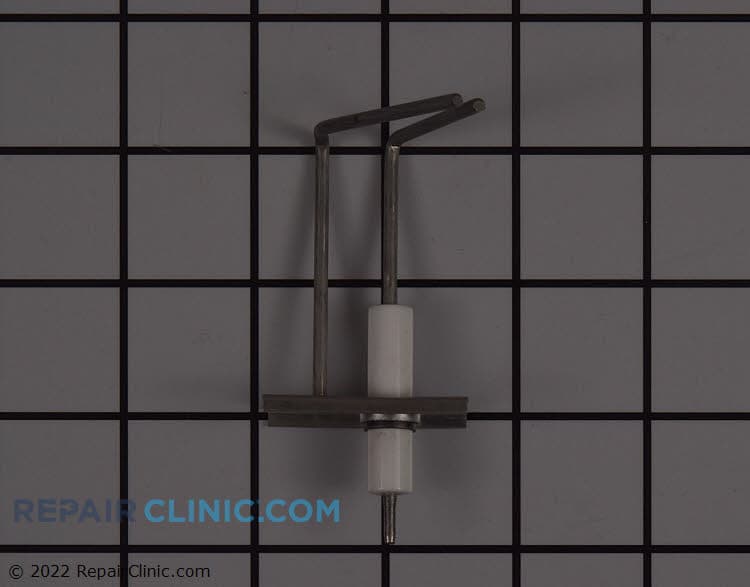
Ignitor assembly
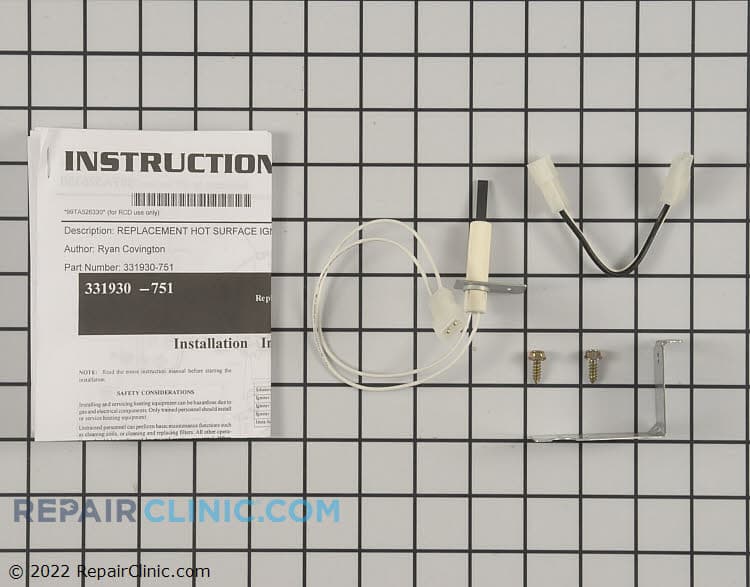
Igniter replacement kit. Includes wire harness and bracket to upgrade to new silicone nitride igniter.Replaces part number LH33ZS004 in many 33" tall furnace models
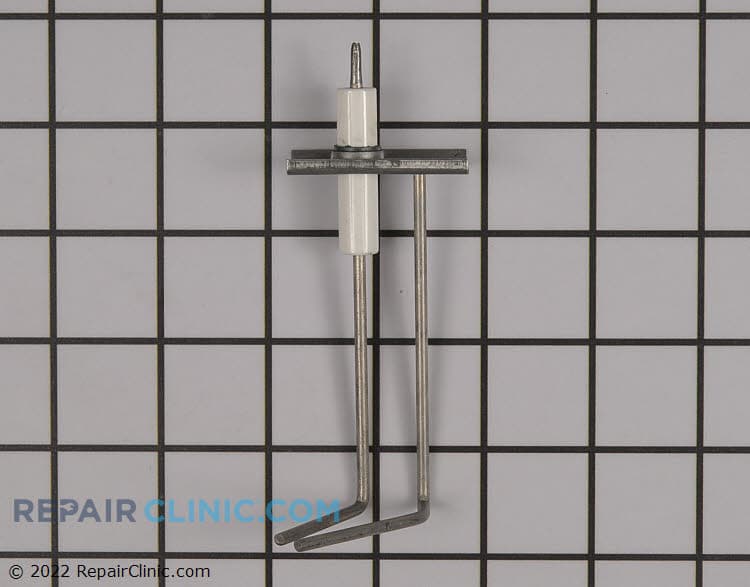
Spark style gas furnace igniter

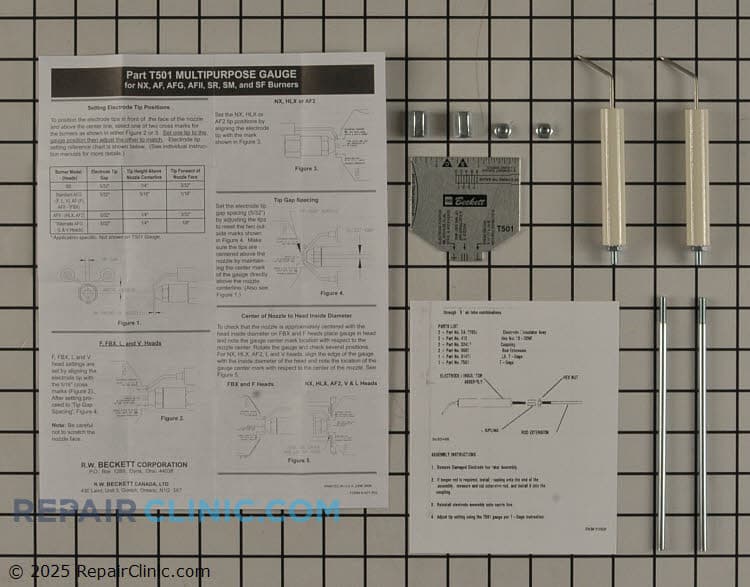
Spark electrode kit

Electrode porcelain
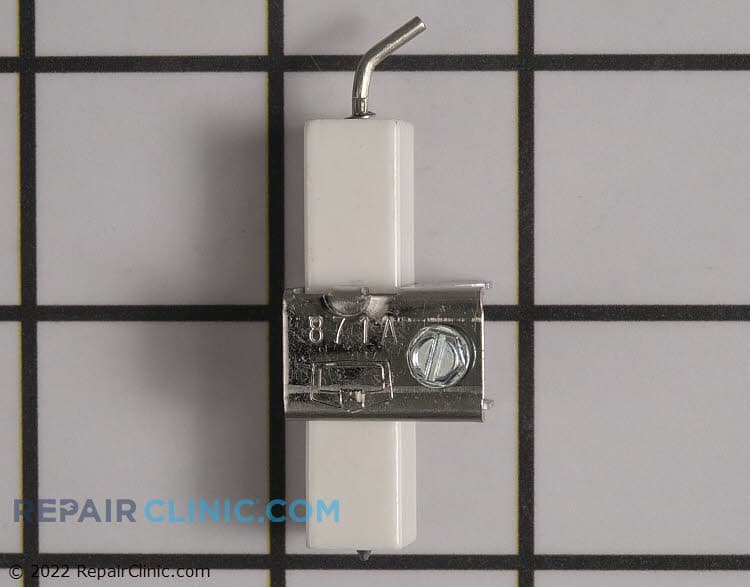
Spark electrode pilot igniter
Igniter


Bryant Furnace Hot Surface Igniter Parts
The hot surface igniter is the most common Bryant furnace repair — when the igniter glows orange but dies out, or doesn't glow at all, you've found your problem. Bryant uses silicon carbide (SiC) and silicon nitride (SiN) igniters depending on the model year and control board type. Getting the exact OEM igniter type matters: a mismatched igniter won't reach proper temperature, and the gas valve won't open. We stock OEM Bryant igniters across Evolution, Preferred, and Legacy model lines.
A failed igniter typically shows one of these symptoms: furnace cycles on/off repeatedly, igniter glows weakly then fades, or the control board flashes an ignition failure code. Most homeowners can replace an igniter in 20 to 30 minutes with basic tools. Always verify your model number on the furnace nameplate — it determines whether you need SiC or SiN type.
- Igniter won't glow at all: control board may be sending power but igniter coil has failed internally
- Igniter glows orange then goes dark: igniter reaches temperature but loses resistance; gas valve never triggers
- Igniter glows but furnace won't ignite: gas valve issue is secondary; confirm igniter type first
- Control board shows ignition lockout code: igniter failure or bad flame sensor; igniter is the #1 culprit
- Furnace clicks but doesn't fire: inducer motor runs, igniter tries to glow but fails; replace igniter
Find your Bryant furnace model number to see which igniter type you need — SiC or SiN — and get the exact OEM part with same-day shipping.
Find Replacement Bryant Furnace Igniter Parts Online by Model or Part Number
Popular Bryant Furnace Models
Related Bryant Furnace Igniter Parts
Bryant Furnace Igniter Repair FAQ
What's the difference between SiC and SiN igniters for Bryant furnaces?
Silicon carbide (SiC) igniters are older and found in Bryant Evolution and Preferred models from the 1990s — early 2000s. Silicon nitride (SiN) igniters are newer, more durable, and used in current Bryant models and communicating systems. They're not interchangeable — using the wrong type will cause ignition failure. Your model number and furnace age determine which one you need. Repair Clinic's model lookup shows you the exact igniter type for your unit.
Can I clean a Bryant furnace igniter instead of replacing it?
Unlike flame sensors, igniters cannot be effectively cleaned. The failure is internal — the coil resistance breaks down from thermal cycling, and no amount of wire brushing will restore it. If the igniter is visibly cracked or blackened, replacement is a primary fix. A failed igniter will not pass a resistance or voltage test. Always replace, never try to clean.
How do I know if my Bryant furnace igniter has failed?
Watch the igniter when the furnace cycles on. A working igniter glows bright orange/red within 3 to 5 seconds and stays lit until the gas ignites. A failing igniter either won't glow at all, glows dimly, or glows then fades before the gas lights. You may also see an ignition lockout code on the control board display (varies by model) or hear the furnace clicking repeatedly without firing. If you're unsure, a multimeter resistance test on the igniter terminals confirms failure — most igniters read 20 to 50 ohms when good.
Will a bad Bryant furnace igniter cause the entire furnace to shut down?
No — the igniter failure usually triggers a safety lockout on the control board after 3 to 4 failed ignition attempts per cycle. The furnace will try to start, fail, and shut down safely. You'll either see a blinking error code on the board or hear repeated clicking from the gas valve solenoid. The furnace won't produce heat, but it's protecting itself from a gas leak. That's when you replace the igniter.
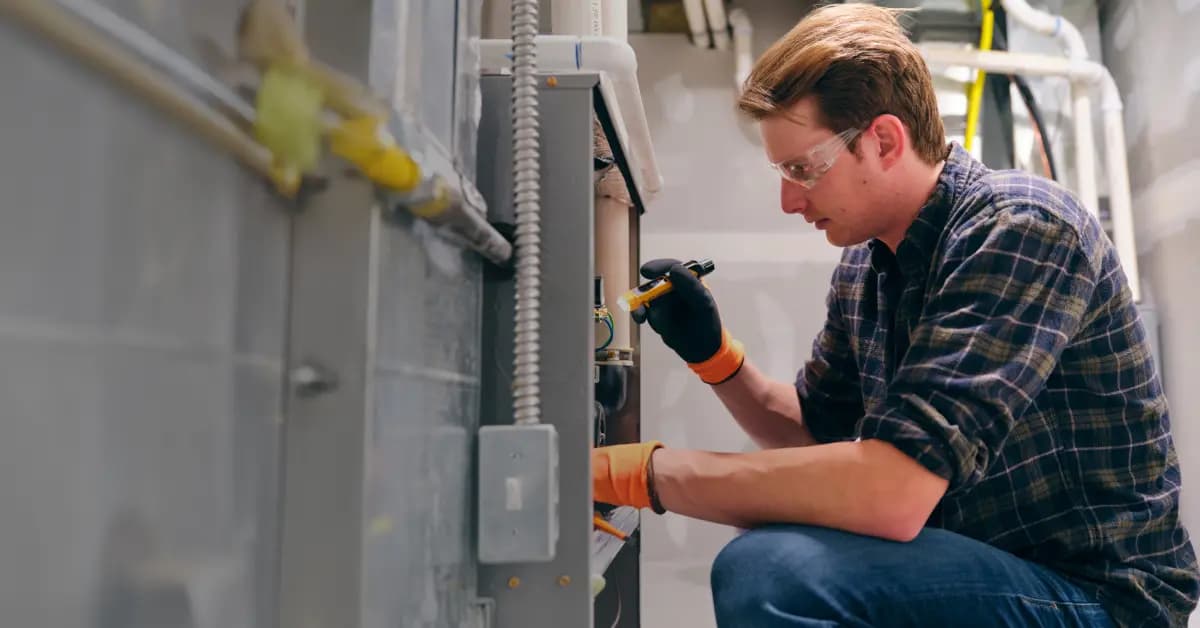
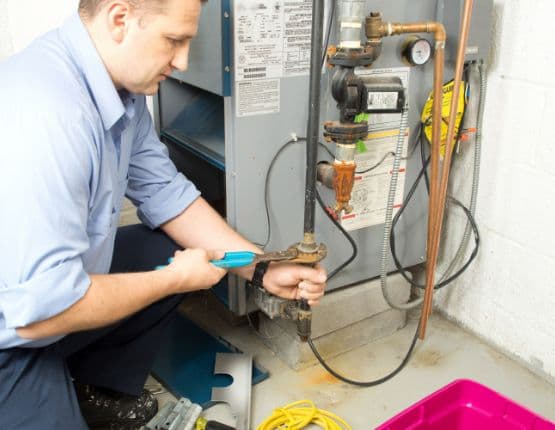
Order Bryant Furnace Igniter Parts Online
Ensure your Bryant furnace operates efficiently by ordering igniter parts online. Our user-friendly platform allows you to search by model or part number, ensuring you find the exact igniter you need. Plus, take advantage of our Price Match Guarantee to help you shop with confidence on genuine OEM parts. With same-day shipping available, you can quickly receive the igniter parts necessary for your repair. Trust Repair Clinic for reliable service with same-day shipping and access to our online repair library of guides, videos, and part diagrams.
Bryant Furnace Model Number: Where to Look
Bryant prints the model number on the furnace cabinet, usually inside the blower compartment door or front access panel. Turn off power before removing the panel, then look for the rating plate or data label showing the full model and serial numbers. You may also find it near the gas valve or on the side of the cabinet. Use the complete model number, including letters and suffixes, in the model number search to pull up the parts matched to your unit. This filters the full Bryant furnace parts catalog, not just igniters, so you order with confidence knowing the fit is right.

Bryant Furnace Repair Made Easier with Online Resources
The right online resources take the guesswork out of a Bryant Furnace repair. Repair Clinic's diagnostic articles, part testing videos, exploded-view diagrams, and step-by-step written repair guides walk owners and technicians through each stage from symptom identification to final reassembly. Look up your model number to confirm the correct OEM part before you order.
Related Furnace Repair Help Articles
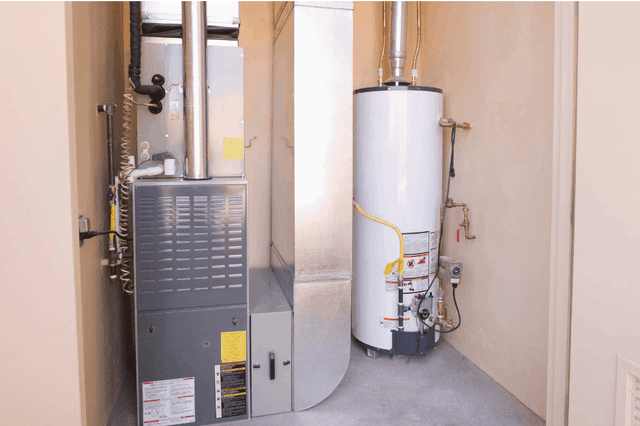
Top Reasons Furnace is Not Igniting
A furnace that fails to ignite can leave your home in the cold. Common issues include a faulty igniter, malfunctioning flame sensor, or a defective draft inducer fan motor. Replacing furnace filters and cleaning furnace parts can help prevent these problems.
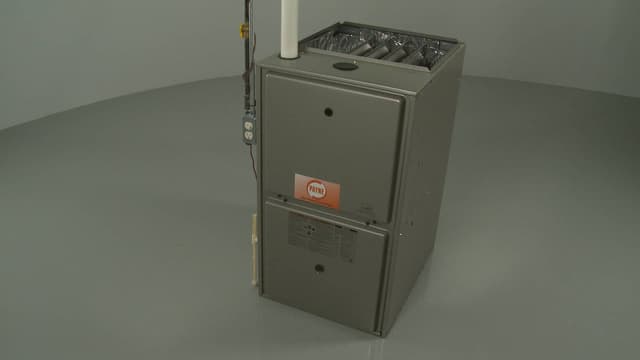
Why is My Furnace Not Working?
Learn why your furnace isn't working by understanding its ignition sequence and identifying common faulty parts like the igniter, flame sensor, or control board. This article provides practical repair tips and insights into each part's role in the heating process.
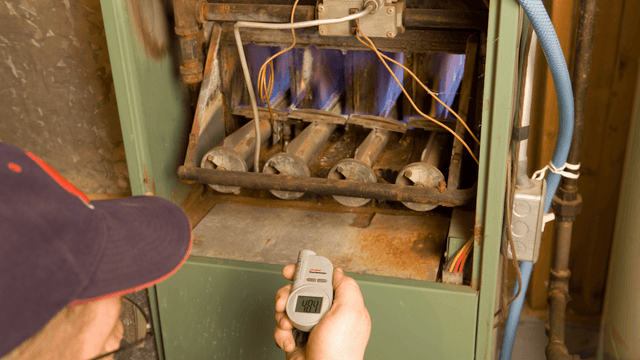
5 Causes of a Furnace Starting Then Stopping
A gas furnace that starts and then stops unexpectedly can be frustrating, especially during cold weather. This article explains five common causes, including issues with the flame sensor, pressure switch, control board, draft inducer fan motor, or air flow. Learn how each cause may impact your furnace's operation and get tips to resolve the problem.




Family-owned and operated since 1912, Burke America Parts Group is the longest-running genuine appliance, HVAC, and outdoor power equipment parts solution in North America. At Repair Clinic, we're proud to be an international brand trusted by the pros as well as the DIY community.
About Repair Clinic