


 Price Match Guarantee
Bryant Furnace Sensor & Thermistor Parts
Find the right part faster
Multiple models matched. Select your model to confirm fit.
RC Item #4547449





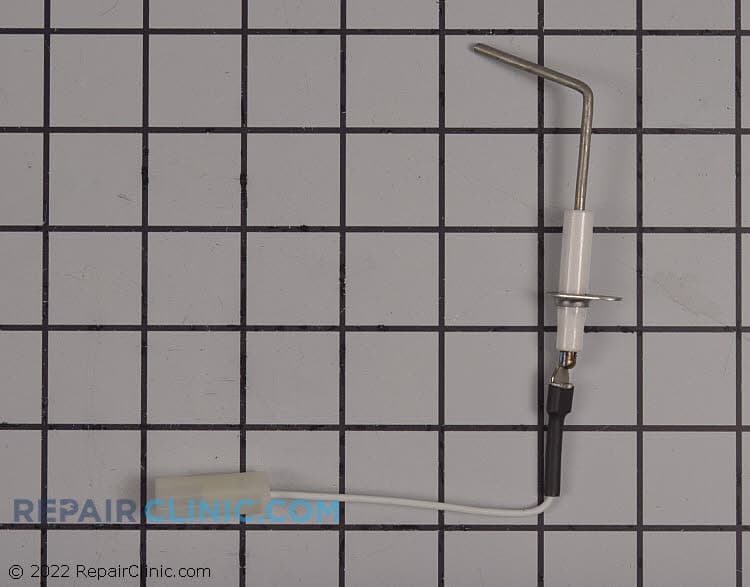
Furnace flame sensor. The flame sensor monitors the burner to detect whether or not a flame is present. If the flame sensor is defective, the furnace may not heat.
RC Item #2347744
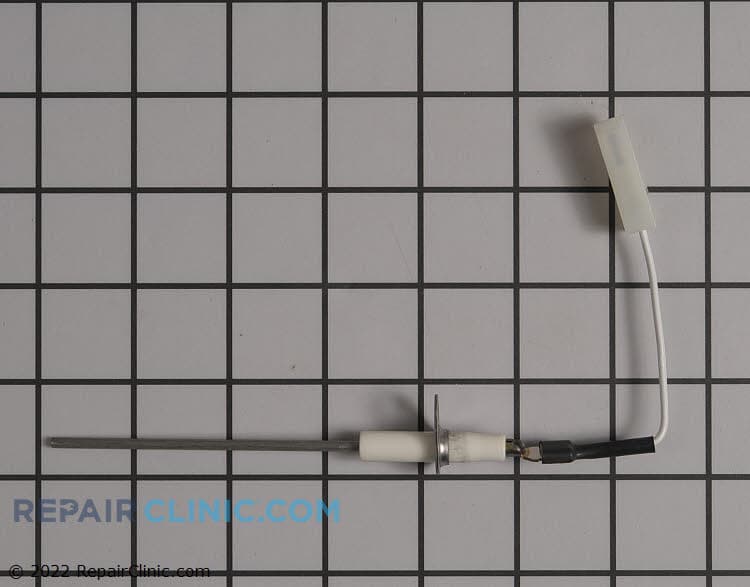
Furnace flame sensor. The flame sensor monitors the burner to detect whether or not a flame is present. If the flame sensor is defective, the furnace may not heat.
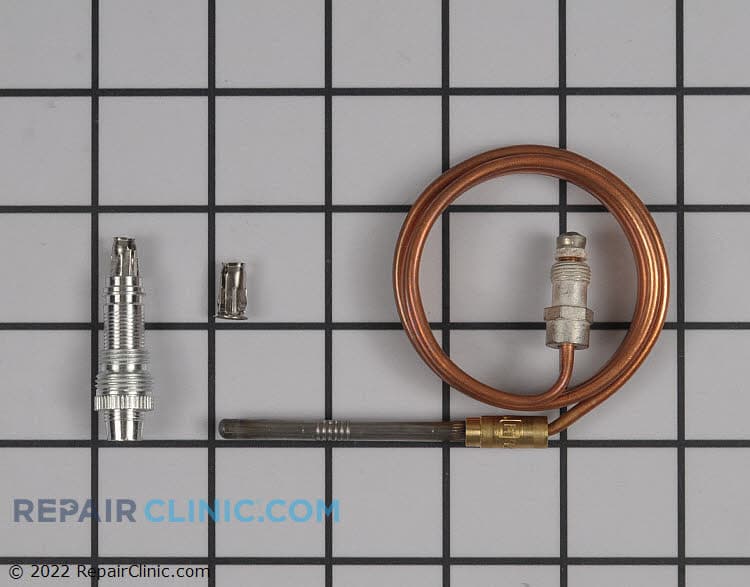
Thermocouple, 36 inches
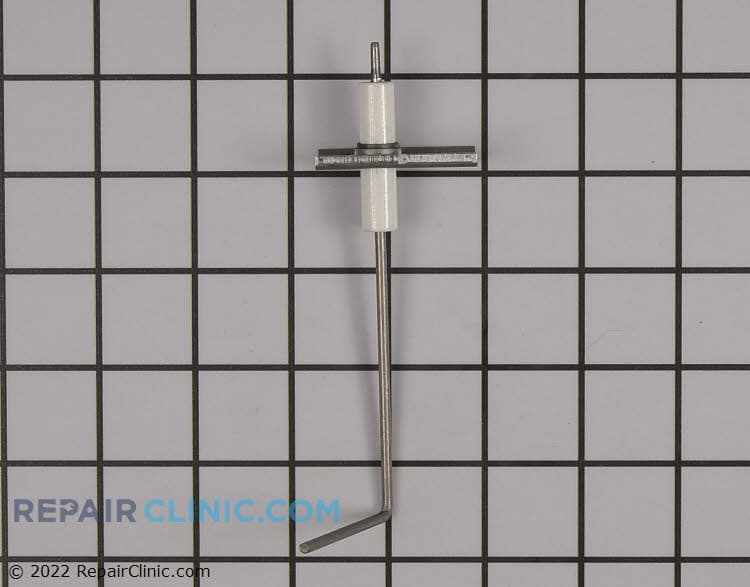
Sensor, flame

Hall Effect Sensor
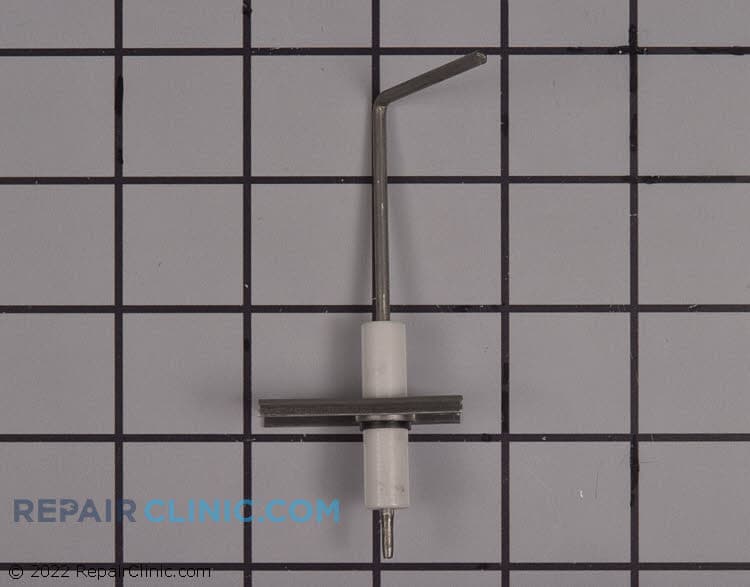
Sensor,flame

Cell photo
RC Item #2712460
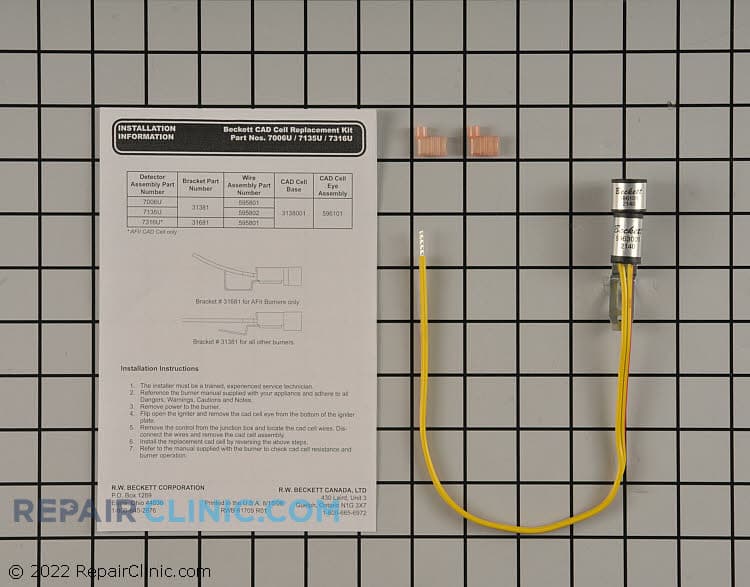
Cad cell
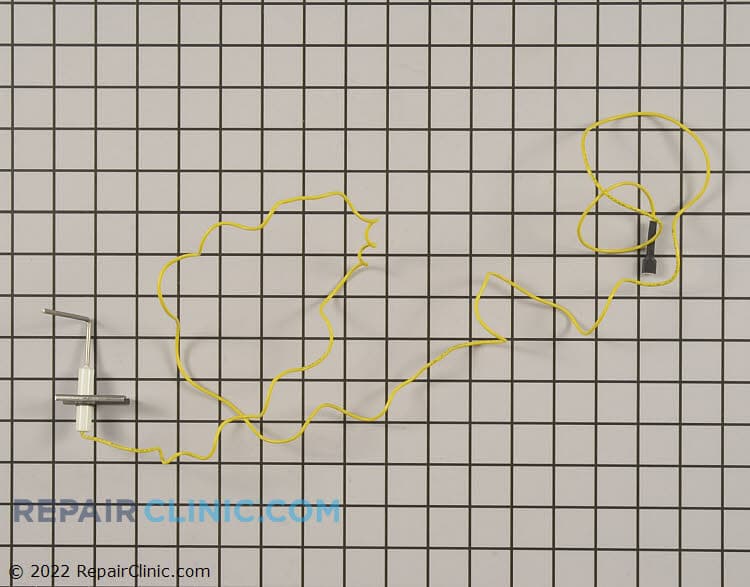
Sensor


Bryant Furnace Temperature Sensors and Thermistors
Temperature sensors and thermistors are the eyes of your Bryant furnace control system. They monitor heat exchanger temperature, return air temperature, and outdoor conditions — then relay that data to the control board so it can adjust cycles and protect against overheating. When a sensor fails, your furnace loses that critical feedback, leading to short cycling, no heat, or constant running.
Common symptoms of a failed sensor include erratic temperature swings, the furnace shutting off unexpectedly, or the blower running non-stop. Replacement sensors are straightforward to swap and often cost far less than a new control board. Always verify your exact model number — Bryant shares many parts with Carrier and Payne, but sensor types vary by furnace series.
- Heat exchanger thermistor: monitors hot side temperature; overheat shutoff protection
- Return air sensor: measures air temperature entering the furnace; controls blower ramp-up
- Outdoor sensor: (communicating models) adjusts furnace staging based on outside temperature
- Supply air thermistor: measures warm air leaving the furnace; safety cutoff on extreme temps
- Flame sensor circuit board assembly: integrated sensor board on some Bryant models; controls ignition safety lockout
Need the right sensor for your Bryant? Enter your full model number above and we'll show you the exact thermistor, connector type, and wiring configuration your furnace needs.
Find Replacement Bryant Furnace Sensor & Thermistor Parts Online by Model or Part Number
Popular Bryant Furnace Models
Related Bryant Furnace Sensor & Thermistor Parts
Bryant Furnace Sensor and Thermistor Questions
How do I know if my Bryant furnace sensor has failed?
A failed furnace sensor usually shows itself as short cycling (furnace runs for 5 to 10 minutes then shuts off), constant blower operation, or no heat at all. You might also notice the furnace staging differently than normal — two-stage furnaces that should ramp up to high fire stay on low, or single-stage furnaces that cycle constantly. If your control board is receiving no signal from a sensor, it defaults to safe mode, which often means shutdown or blower-only operation. A technician can test the sensor's resistance using a multimeter — most thermistors should read between 10,000 and 50,000 ohms depending on temperature.
Are Bryant furnace sensors interchangeable with Carrier or Payne?
Many are, but not all. Bryant, Carrier, and Payne share the same parent company and manufacturing platform, so heat exchanger thermistors, return air sensors, and outdoor sensors often cross-reference. However, connector types, wiring harnesses, and mounting brackets can differ between model series. The safest approach is to verify your exact Bryant model number — our lookup tool will confirm which sensors fit your furnace and whether a Carrier or Payne part number can substitute. Mismatching sensor types can cause control board errors and unsafe operation.
Can I clean a furnace thermistor instead of replacing it?
Unlike flame sensors, thermistors measure electrical resistance and don't benefit from cleaning. If a thermistor reads out of range or won't respond, replacement is the correct fix. That said, you should check the wiring connections and harness before assuming the sensor itself is bad — a loose connector or corroded terminal can mimic sensor failure. Inspect the sensor well in the heat exchanger or ductwork for soot buildup or debris, and gently clean the sensor probe with a soft cloth if it looks dirty — but a resistance test with a multimeter is the real diagnostic tool.
What's the difference between a thermistor and a thermocouple?
Thermistors measure temperature by changing electrical resistance — they're used in modern Bryant furnaces for heat exchanger monitoring and return air sensing. Thermocouples (used in older standing-pilot water heaters and furnaces) generate a small electrical voltage when heated — they're a different technology. Bryant furnaces use thermistors. Both are called "temperature sensors," so always verify part type by model number to avoid ordering the wrong part.
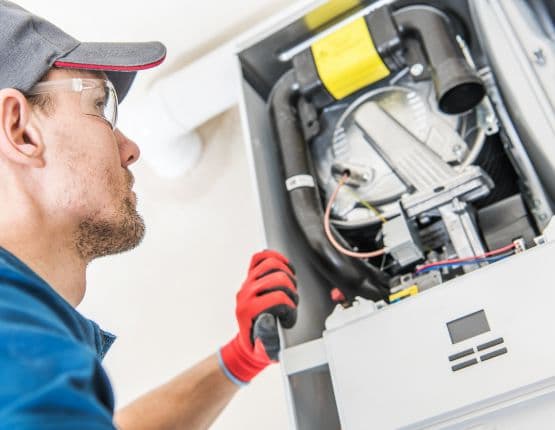
Fast and Reliable Online Ordering for Bryant Furnace Sensor & Thermistor Parts
Shopping for Bryant furnace sensor and thermistor parts. Use your model number to get the right part. We offer a full range of genuine OEM replacement parts, ensuring you find exactly what you need to keep your Bryant furnace running smoothly. Plus, with our Price Match Guarantee, you'll always get competitive pricing on your furnace parts. Simply enter your model or part number for a quick lookup, and take advantage of same-day shipping to get your parts fast. Whether you need a flame sensor, thermocouple, or temperature sensor, Repair Clinic is here to support homeowners and technicians alike with expert help. Browse our comprehensive range of Bryant furnace parts to ensure your heating system operates efficiently and reliably.
Bryant Furnace Model Number: Where to Look
On Bryant furnaces, look for the rating plate or identification label on the blower compartment door first. It may also be inside the front access panel or near the gas valve. The model number is usually a mix of letters and numbers, separate from the serial number, so copy it exactly, including any dashes or suffixes. Enter that number in the model number search to pull up the parts matched to your unit. This filters the complete Bryant furnace catalog for your specific model, not just the sensor or thermistor you're replacing. Accurate model information means fewer wrong orders and a faster repair.

Everything You Need to Repair Your Bryant Furnace
From symptom-based troubleshooting articles to step-by-step video walkthroughs, Repair Clinic's online repair library has the guidance Bryant Furnace owners and technicians need. Part testing videos help verify a component before you swap it, wiring diagrams give the electrical reference, and written repair guides cover each step of the installation. Use the model number lookup to find the exact OEM part.
Related Furnace Repair Help Articles
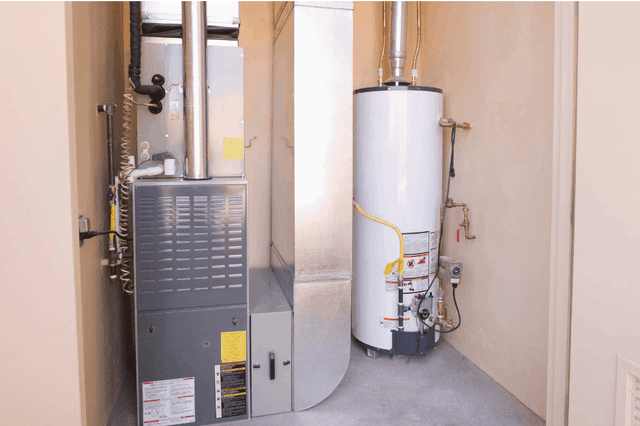
Top Reasons Furnace is Not Igniting
A furnace that fails to ignite can leave your home in the cold. Common issues include a faulty igniter, malfunctioning flame sensor, or a defective draft inducer fan motor. Replacing furnace filters and cleaning furnace parts can help prevent these problems.
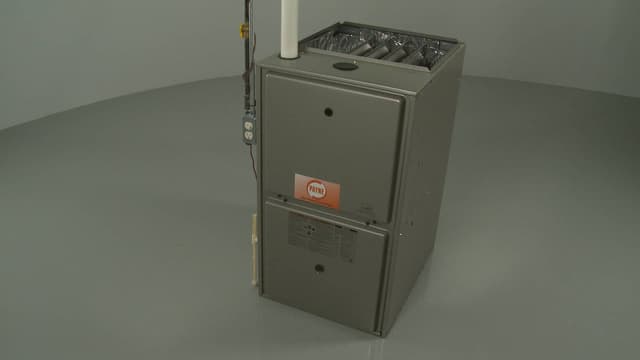
Why is My Furnace Not Working?
Learn why your furnace isn't working by understanding its ignition sequence and identifying common faulty parts like the igniter, flame sensor, or control board. This article provides practical repair tips and insights into each part's role in the heating process.
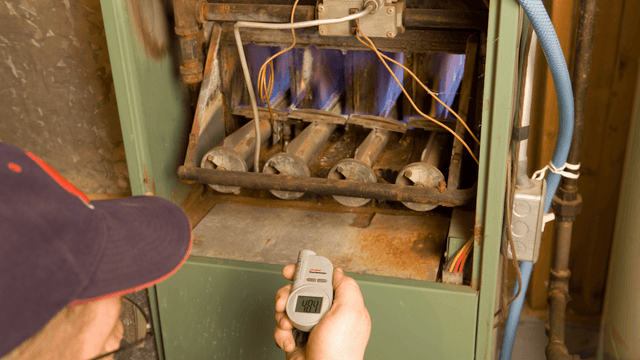
5 Causes of a Furnace Starting Then Stopping
A gas furnace that starts and then stops unexpectedly can be frustrating, especially during cold weather. This article explains five common causes, including issues with the flame sensor, pressure switch, control board, draft inducer fan motor, or air flow. Learn how each cause may impact your furnace's operation and get tips to resolve the problem.




Family-owned and operated since 1912, Burke America Parts Group is the longest-running genuine appliance, HVAC, and outdoor power equipment parts solution in North America. At Repair Clinic, we're proud to be an international brand trusted by the pros as well as the DIY community.
About Repair Clinic