


 Price Match Guarantee
Furnace Flame Sensor Replacement
Find the right part faster
Multiple models matched. Select your model to confirm fit.





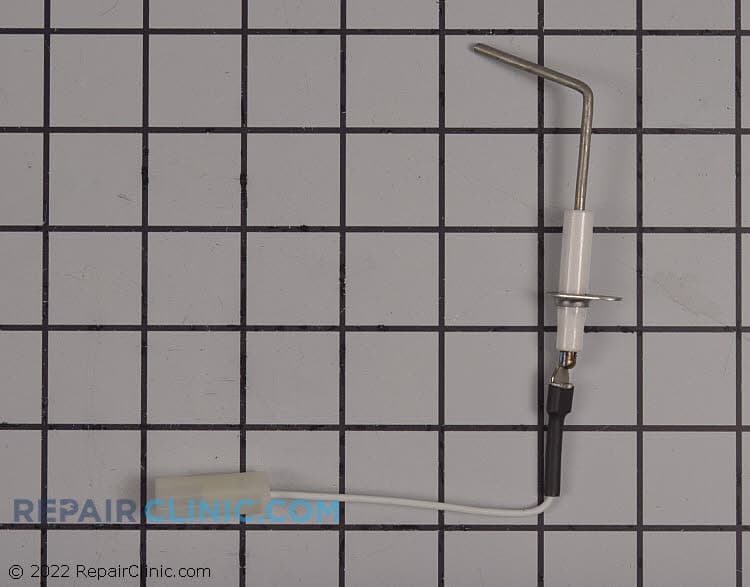
Furnace flame sensor. The flame sensor monitors the burner to detect whether or not a flame is present. If the flame sensor is defective, the furnace may not heat.
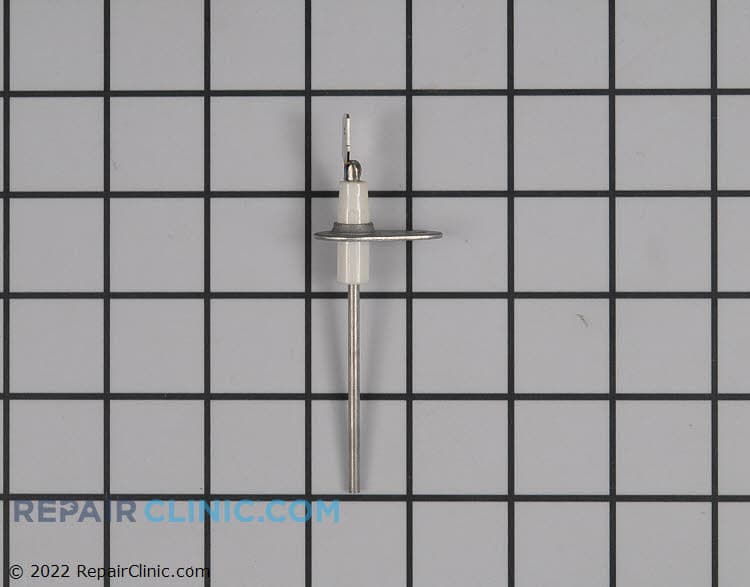
Furnace flame sensor. The flame sensor monitors the burner to detect whether or not a flame is present. If the flame sensor is defective, the furnace may not heat.
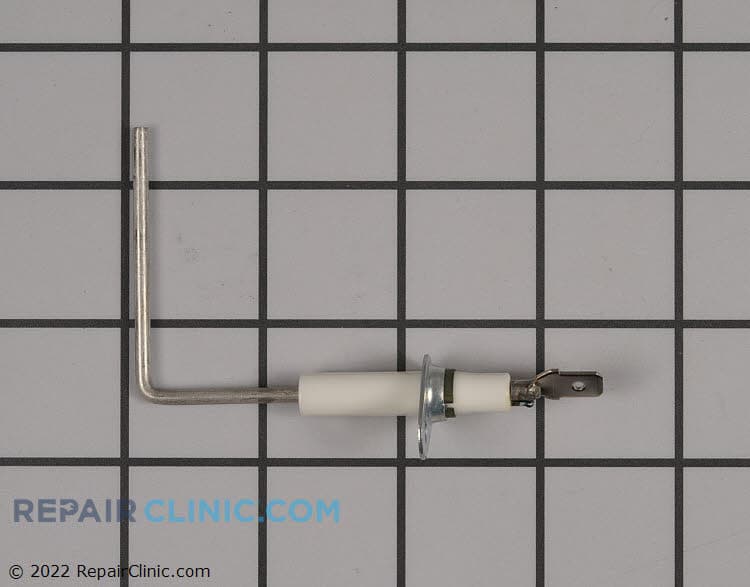
Furnace flame sensor. The flame sensor monitors the burner to detect whether or not a flame is present. If the flame sensor is defective, the furnace may not heat.
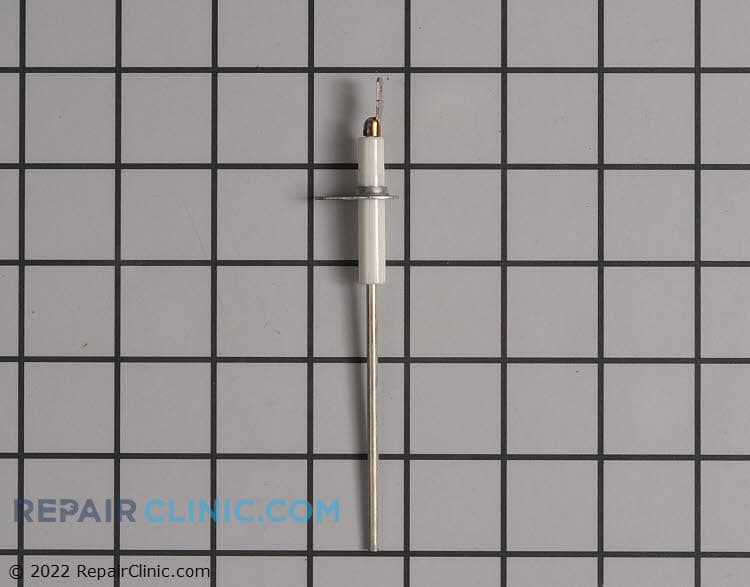
Furnace flame sensor. The flame sensor monitors the burner to detect whether or not a flame is present. If the flame sensor is defective, the furnace may not heat.
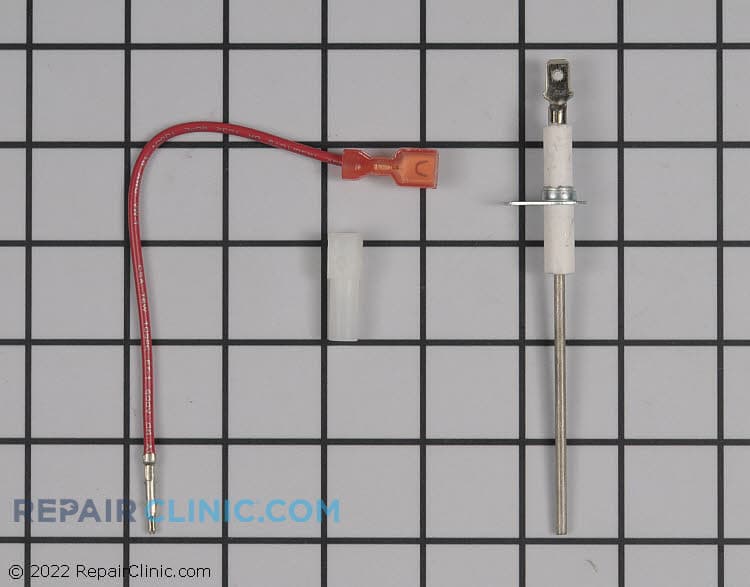
Furnace flame sensor with wire harness
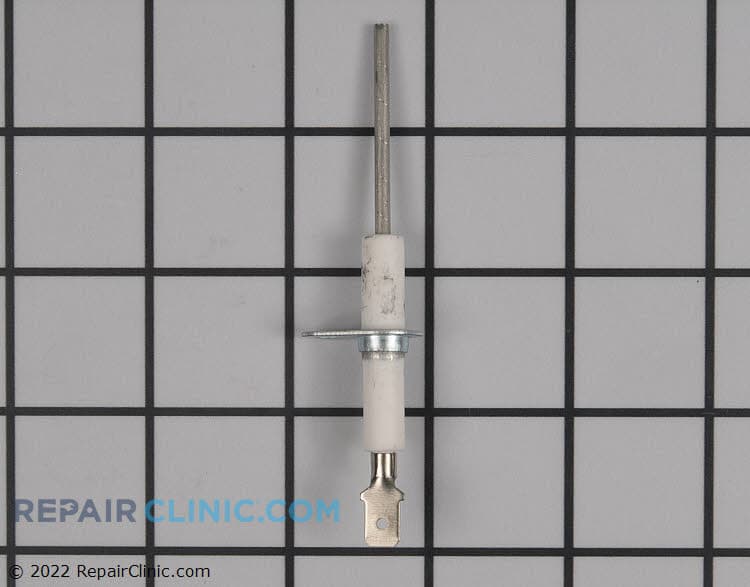
Furnace flame sensor. The flame sensor monitors the burner to detect whether or not a flame is present. If the flame sensor is defective, the furnace may not heat.
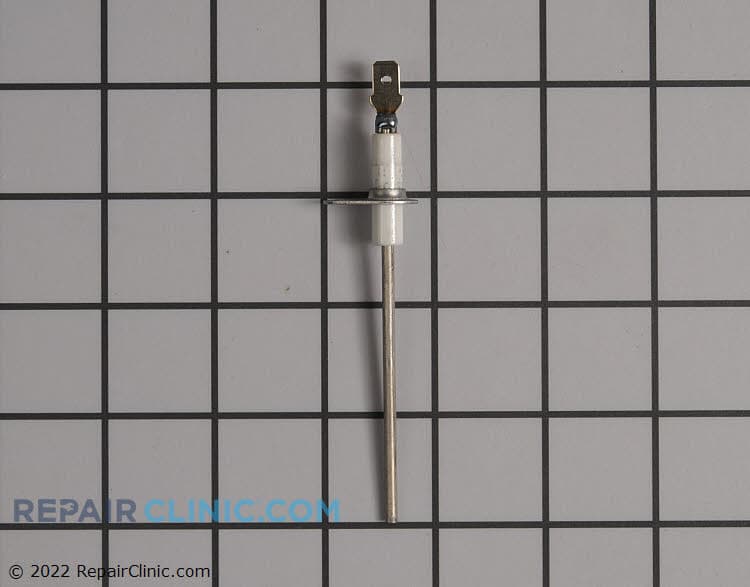
Furnace flame sensor. The flame sensor monitors the burner to detect whether or not a flame is present. If the flame sensor is defective, the furnace may not heat.
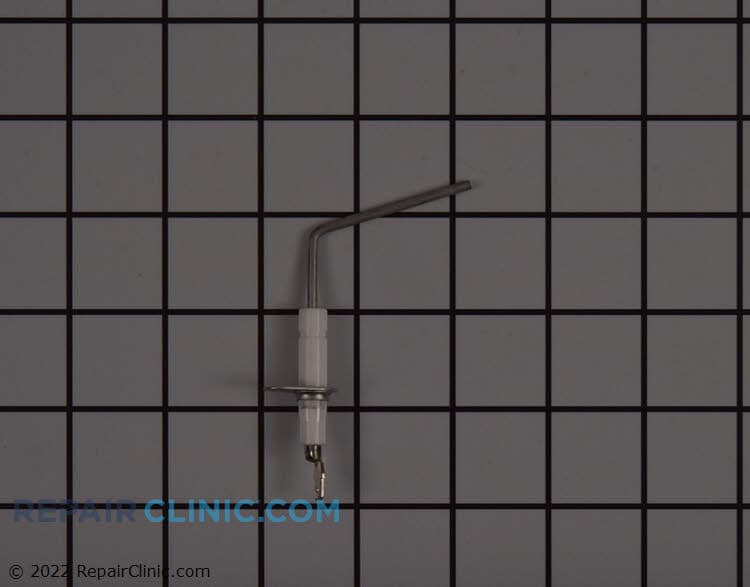
Furnace flame sensor. The flame sensor monitors the burner to detect whether or not a flame is present. If the flame sensor is defective, the furnace may not heat.
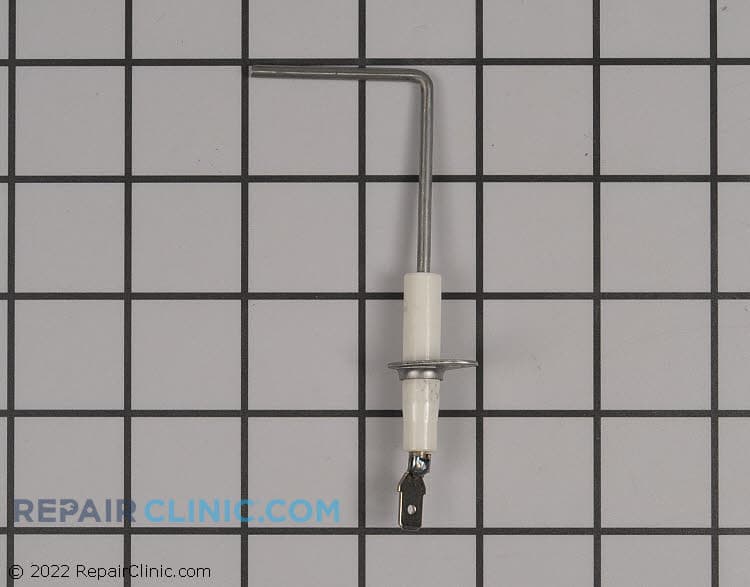
Flame sensor
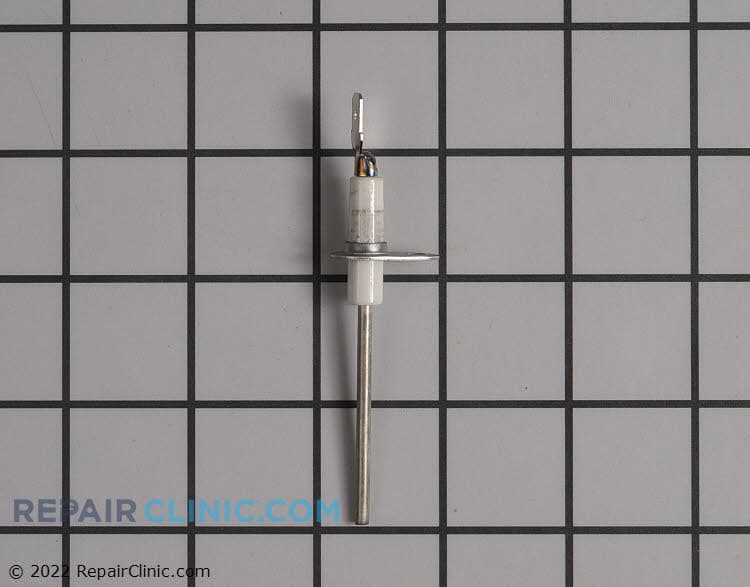
Furnace flame sensor. The flame sensor monitors the burner to detect whether or not a flame is present. If the flame sensor is defective, the furnace may not heat.
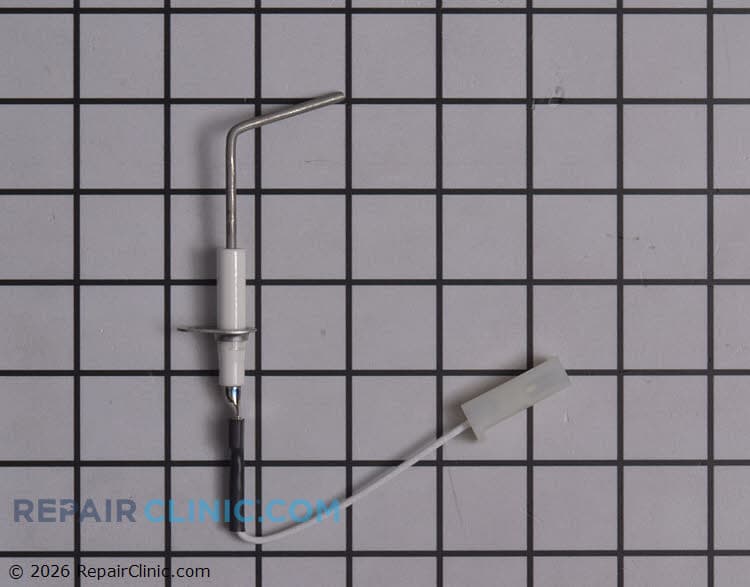
Furnace flame sensor. The flame sensor monitors the burner to detect whether or not a flame is present. If the flame sensor is defective, the furnace may not heat.
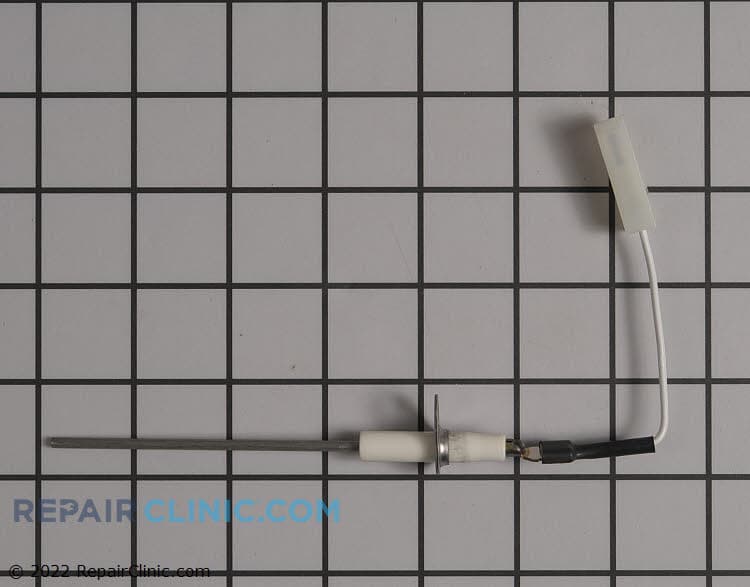
Furnace flame sensor. The flame sensor monitors the burner to detect whether or not a flame is present. If the flame sensor is defective, the furnace may not heat.
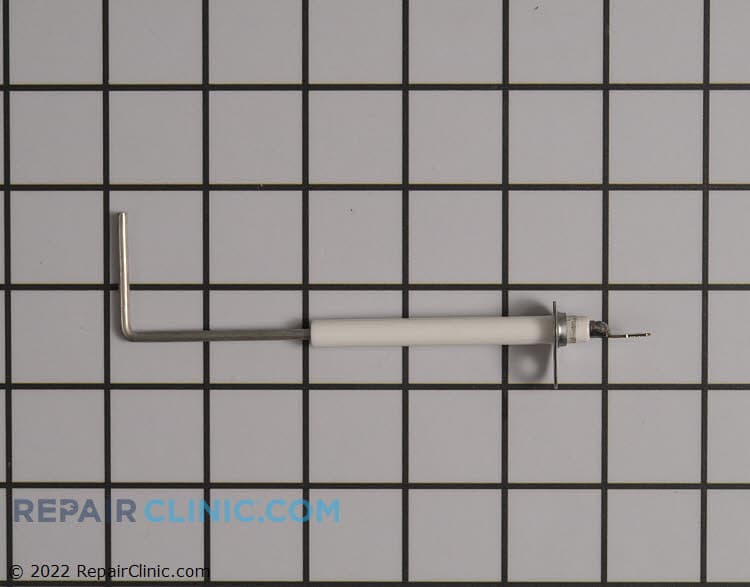
Furnace flame sensor. The flame sensor monitors the burner to detect whether or not a flame is present. If the flame sensor is defective, the furnace may not heat.
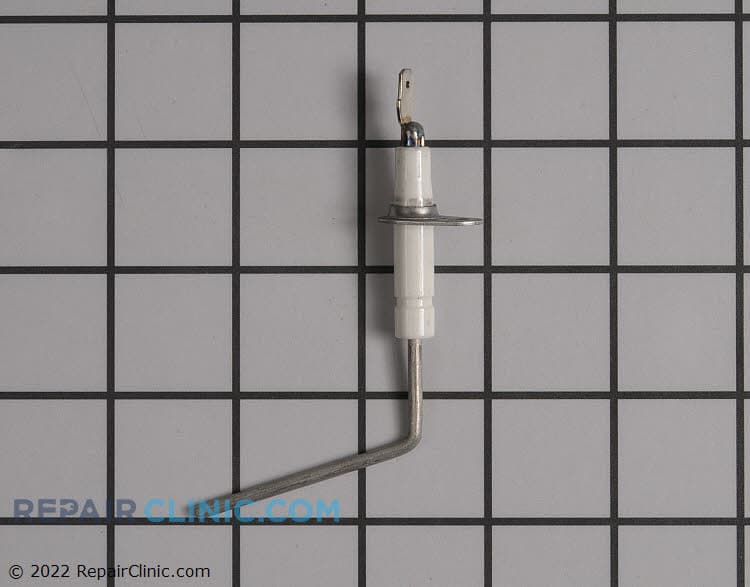
Furnace flame sensor. The flame sensor monitors the burner to detect whether or not a flame is present. If the flame sensor is defective, the furnace may not heat.
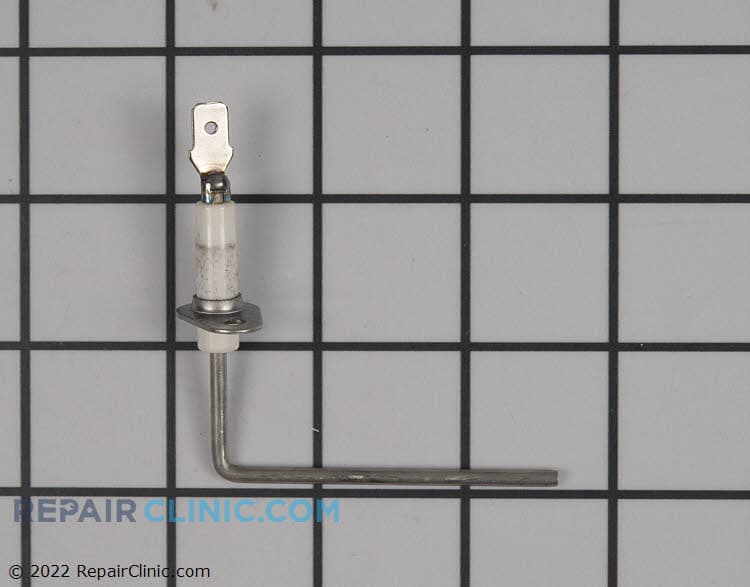
Furnace flame sensor. The flame sensor monitors the burner to detect whether or not a flame is present. If the flame sensor is defective, the furnace may not heat.


Genuine Furnace Flame Sensors
Ensure your heating system operates efficiently with our genuine furnace flame sensors. A crucial part in maintaining your furnace's safety and performance, a faulty flame sensor can lead to ignition failure or disruption in heating. At Repair Clinic, we offer a wide selection of OEM flame sensors compatible with top furnace brands like. By choosing genuine parts, you guarantee reliability and longevity for your home heating system. If your furnace is not heating as expected, consider replacing the flame sensor to restore functionality. For additional support, browse our extensive resources on furnace repair & troubleshooting. Support your repair by browsing our comprehensive range of furnace parts and HVAC parts to ensure your heating system runs smoothly.
Same-Day Shipping for Furnace Flame Sensors
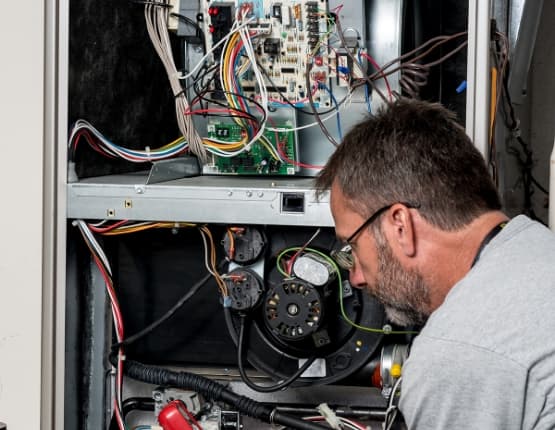
Ensure your furnace operates efficiently with a reliable flame sensor from Repair Clinic. Flame sensors are critical to detecting flames and maintaining safety in your heating system. If your furnace is failing to ignite or staying on, it may be due to a faulty flame sensor. Order your replacement part by 9:00 PM ET, and benefit from our same-day shipping to minimize downtime. Our genuine OEM parts ensure quality and durability, giving both DIYers and professionals the confidence to fix their equipment effectively. Browse related parts like the Furnace Sensor Thermistor and Furnace Igniter for comprehensive furnace maintenance. Trust Repair Clinic, a leading online retailer of HVAC parts, for all your furnace repair needs.
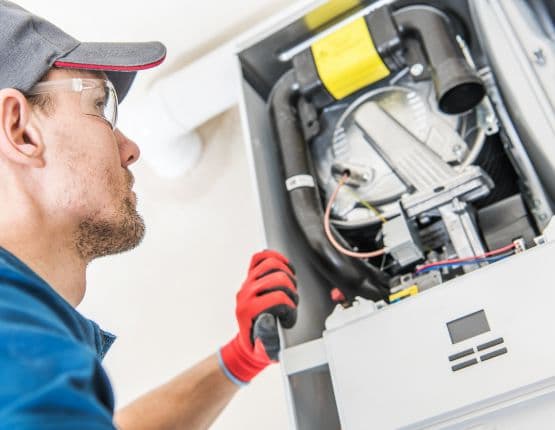
Order Furnace Flame Sensors Online
Ensure your furnace operates efficiently with genuine OEM furnace flame sensors from Repair Clinic. Our easy-to-use online platform allows DIYers and professionals to quickly find and order the right furnace parts, like flame sensors, by model or part number. With our Price Match Guarantee, you can rest assured that you're getting competitive pricing on top-quality replacement parts. Enjoy the convenience of same-day shipping and our No-Hassle 365-Day Returns policy, allowing returns on uninstalled parts within 365 days. Our extensive furnace repair resources provide valuable support for troubleshooting common issues, such as a dirty or defective flame sensor. Browse related categories like Furnace Igniter Parts and Furnace Duct & Venting Parts for comprehensive repair solutions. Trust Repair Clinic to empower you with the parts and knowledge needed for successful repairs.
Filter Furnace Parts by Your Model Number
Before ordering, grab your furnace's model number so the catalog can narrow to parts that fit your entire unit. Look for the rating plate or label inside the front access panel, on the blower compartment door, or near the gas valve. You may need to remove the panel to read it, so turn off power to the furnace first and record every letter, number, and hyphen exactly as shown. Type it into our model number lookup and the catalog narrows to parts made for your unit, including the parts associated with your furnace. That means fewer wrong orders and a faster repair.

Videos, Guides, and Diagrams for Furnace Repairs
Diagnose and fix your Furnace with Repair Clinic's online repair library. Video walkthroughs, step-by-step written guides, exploded-view diagrams, and part testing tutorials help you identify the failed part. Look up your model number to match the exact OEM replacement, then follow the installation video from start to finish.
Related Furnace Repair Help Articles
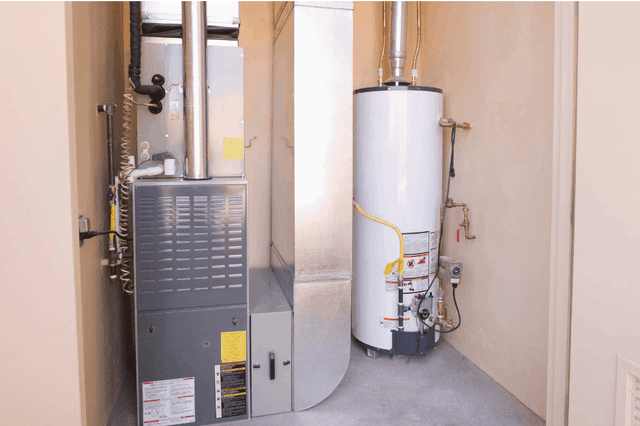
Top Reasons Furnace is Not Igniting
A furnace that fails to ignite can leave your home in the cold. Common issues include a faulty igniter, malfunctioning flame sensor, or a defective draft inducer fan motor. Replacing furnace filters and cleaning furnace parts can help prevent these problems.
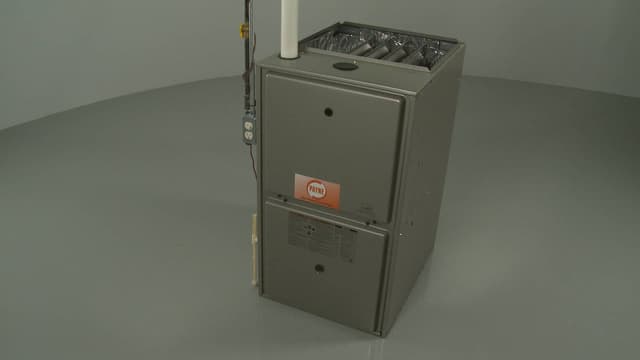
Why is My Furnace Not Working?
Learn why your furnace isn't working by understanding its ignition sequence and identifying common faulty parts like the igniter, flame sensor, or control board. This article provides practical repair tips and insights into each part's role in the heating process.
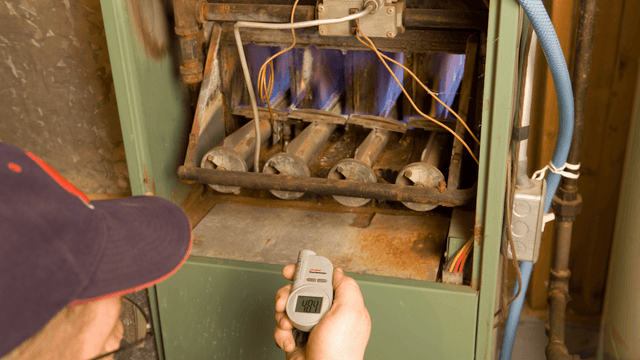
5 Causes of a Furnace Starting Then Stopping
A gas furnace that starts and then stops unexpectedly can be frustrating, especially during cold weather. This article explains five common causes, including issues with the flame sensor, pressure switch, control board, draft inducer fan motor, or air flow. Learn how each cause may impact your furnace's operation and get tips to resolve the problem.




Family-owned and operated since 1912, Burke America Parts Group is the longest-running genuine appliance, HVAC, and outdoor power equipment parts solution in North America. At Repair Clinic, we're proud to be an international brand trusted by the pros as well as the DIY community.
About Repair Clinic