


 Price Match Guarantee
Carrier Furnace Flame Sensor Replacement
Find the right part faster
Multiple models matched. Select your model to confirm fit.





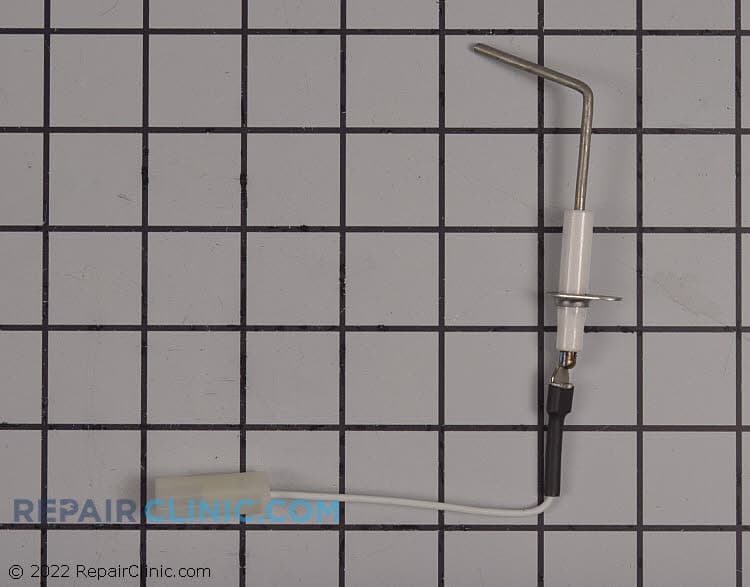
Furnace flame sensor. The flame sensor monitors the burner to detect whether or not a flame is present. If the flame sensor is defective, the furnace may not heat.
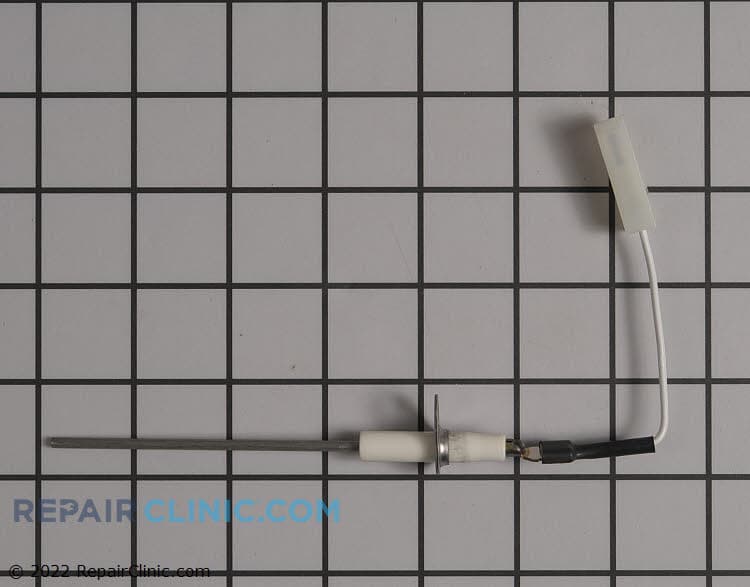
Furnace flame sensor. The flame sensor monitors the burner to detect whether or not a flame is present. If the flame sensor is defective, the furnace may not heat.
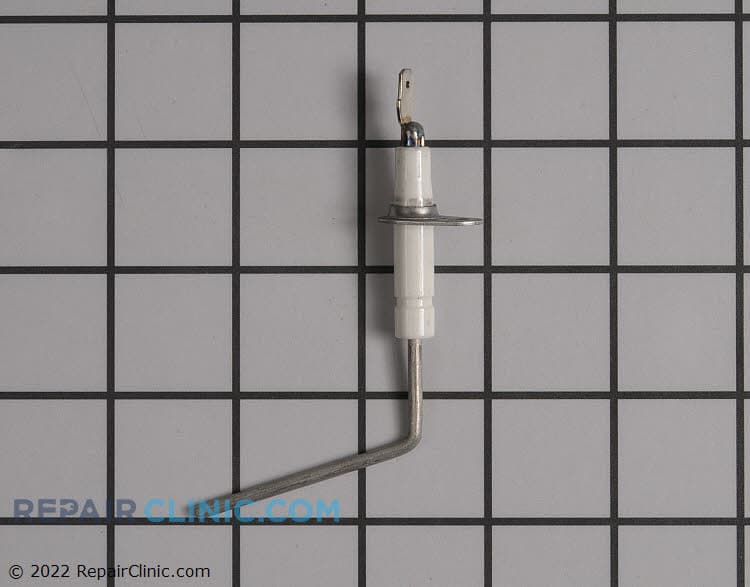
Furnace flame sensor. The flame sensor monitors the burner to detect whether or not a flame is present. If the flame sensor is defective, the furnace may not heat.
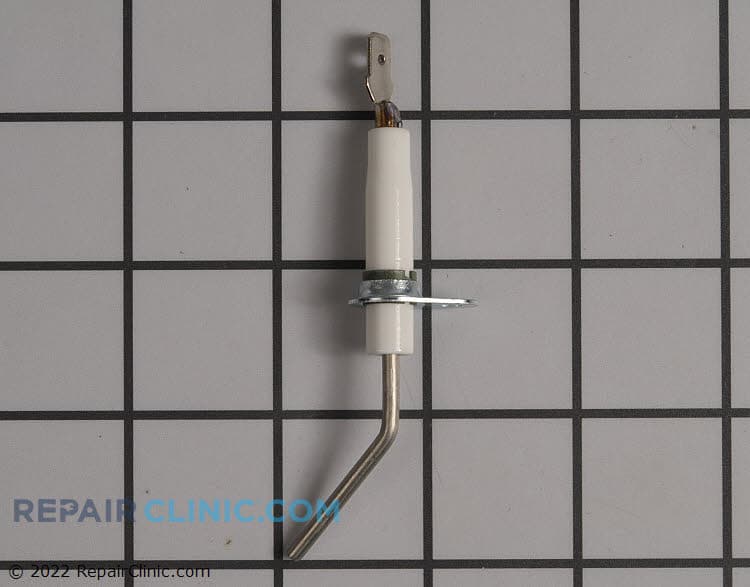
Flame sensor
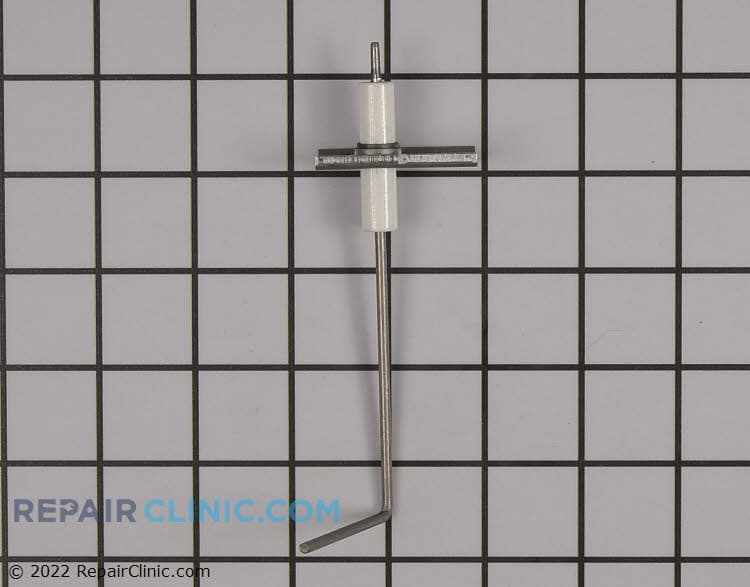
Sensor, flame
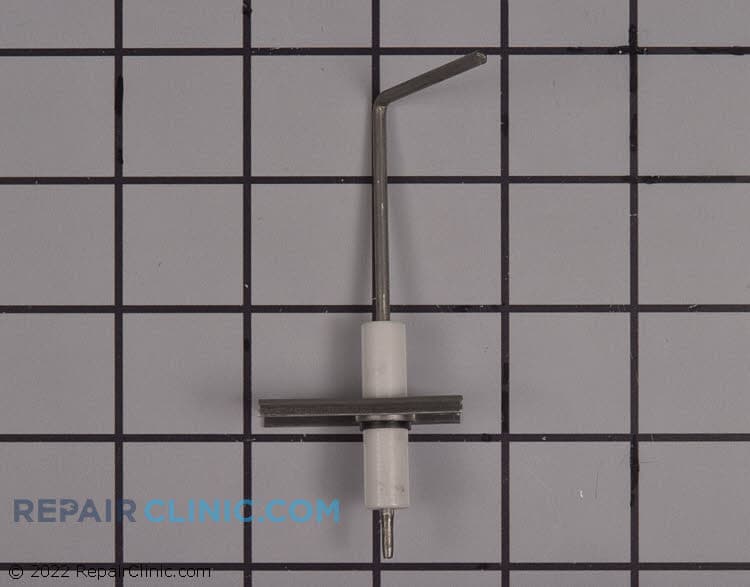
Sensor,flame

Sensor flame
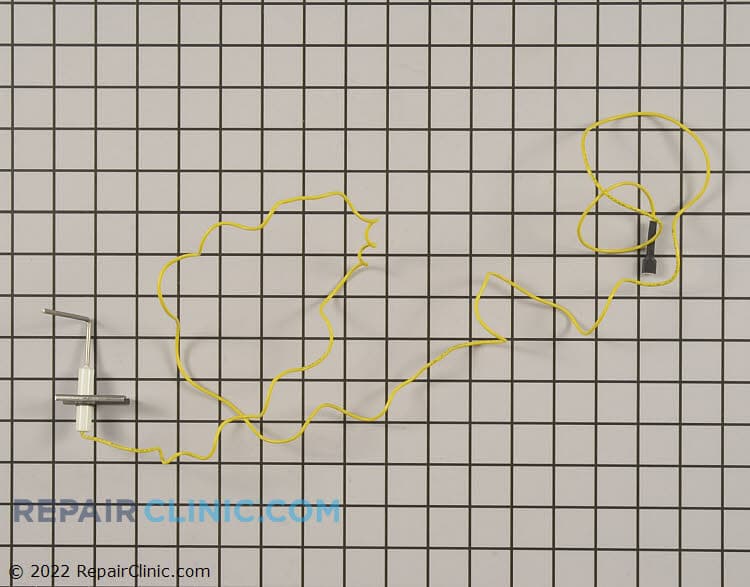
Sensor


Carrier Furnace Flame Sensor Parts
The flame sensor is a critical safety part in your Carrier furnace — it confirms that gas is actually burning after ignition. When the sensor fails or gets dirty, your furnace will ignite, then shut down within seconds as a safety measure. A blocked or cracked flame sensor is one of the most common Carrier furnace repairs, and it's one of the cheapest and fastest fixes you can make.
Before ordering a replacement flame sensor, try cleaning the existing one with fine steel wool or a soft brass brush — carbon buildup is often the culprit. If cleaning doesn't restore the heating cycle, the sensor rod itself has failed and needs replacement. Carrier furnace flame sensors are model-specific, so enter your Carrier furnace model number to get the exact OEM part.
- Furnace ignites then shuts off within seconds: flame sensor not detecting the flame
- Sensor rod is visibly black or encrusted: carbon buildup; clean before replacing
- Cracked or corroded sensor rod: OEM replacement required
- No spark or weak ignition before shutdown: sensor may be causing ignition timing issues
- Error code or blinking LED on control board: often points to flame sense circuit failure
Find a Replacement Carrier Furnace Flame Sensor Online by Model or Part Number
Carrier Furnace Flame Sensor Questions & Answers
What does a Carrier furnace flame sensor do?
The flame sensor is a safety rod that detects the presence of a flame after the hot surface igniter has fired and the gas valve has opened. If the sensor does not detect a flame within a few seconds, it signals the control board to shut off the gas valve immediately — this prevents dangerous unburned gas from accumulating in the heat exchanger. When the sensor fails or gets dirty, the furnace will ignite briefly, then shut down on every cycle.
Can I clean my Carrier furnace flame sensor instead of replacing it?
Yes — cleaning is always worth trying first. Turn off the furnace at the breaker, locate the sensor rod (usually a thin ceramic or metal rod in the burner area), and gently clean it with fine steel wool, a soft brass brush, or even a pencil eraser. Carbon buildup from incomplete combustion is the most common reason for sensor failure. If cleaning restores the heating cycle, you've saved yourself a replacement. If the sensor still fails or you see visible cracks or corrosion, replacement is required.
How do I know which Carrier furnace flame sensor I need?
Flame sensors vary by Carrier model — some use ceramic rod sensors, others use metallic sensors with different rod lengths and connector types. The safest approach is to enter your Carrier furnace model number into the Repair Clinic parts finder. You can also check your owner's manual or the wiring diagram inside the furnace access panel. If you're replacing the sensor yourself, take a photo of the old sensor before removing it so you can match the connector type and rod length.
Is a Carrier flame sensor the same as a thermistor?
No — they are two different parts. A flame sensor detects the presence of fire during the heating cycle. A thermistor (or temperature sensor) measures the actual temperature of air leaving the furnace and helps the control board modulate heating. Both can fail independently, and a failed thermistor causes different symptoms — typically incorrect furnace cycling or strange temperature readings rather than immediate shutdown after ignition.
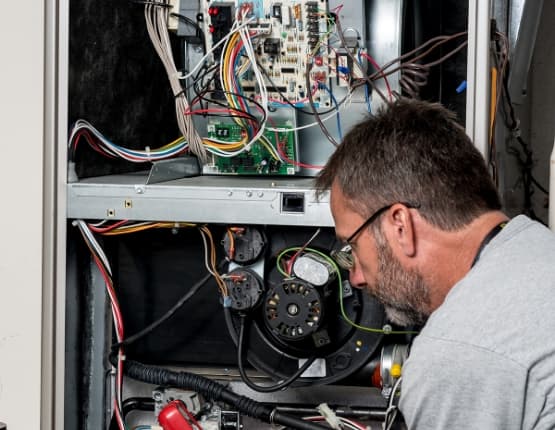
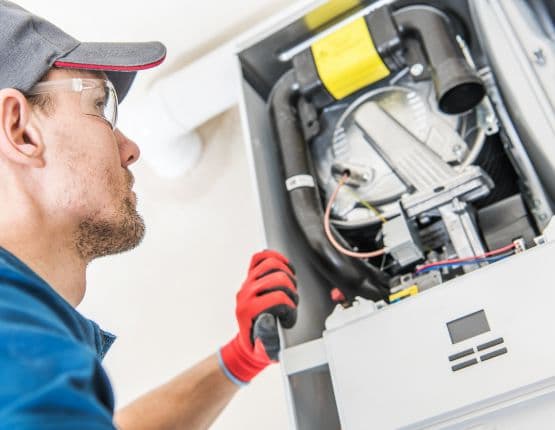
Order Carrier Furnace Flame Sensors Online
Shop Carrier furnace flame sensors online at Repair Clinic, where we offer a reliable purchasing experience for homeowners and technicians. With our No-Hassle 365-Day Returns, you can return uninstalled parts for any reason within 365 days of purchase, ensuring your satisfaction. Our Price Match Guarantee ensures you get competitive pricing, matching any price from our direct competitors on genuine OEM replacement parts. Easily find the correct flame sensor by entering your furnace's model or part number, and enjoy the convenience of same-day shipping when you order by 9:00 p.m. Don't let furnace issues keep you in the cold; trust Repair Clinic for reliable solutions and expert support.
Carrier Furnace Model Number: Where to Look
On Carrier furnaces, look for the model number on the blower compartment door, inside the front access panel, or near the gas valve. The rating plate may also list the serial number, electrical information, and other specifications, so make sure you copy the model number exactly, including letters, numbers, and any hyphens. Type it into our model number lookup and the catalog narrows to parts made for your unit. Using the complete furnace model filters the full selection, not just flame sensors, to parts that fit your specific Carrier furnace. It is the quickest way to be sure the part fits before you order.

Carrier Furnace Troubleshooting and Repair Guides
Carrier Furnace problems usually trace back to a handful of common causes, and Repair Clinic's online resources help you find them fast. Symptom articles, diagnostic videos, and part testing walkthroughs guide you through the checks that isolate the failed part. Once identified, look it up by model number and follow the installation guide to complete the fix.
Related Furnace Repair Help Articles
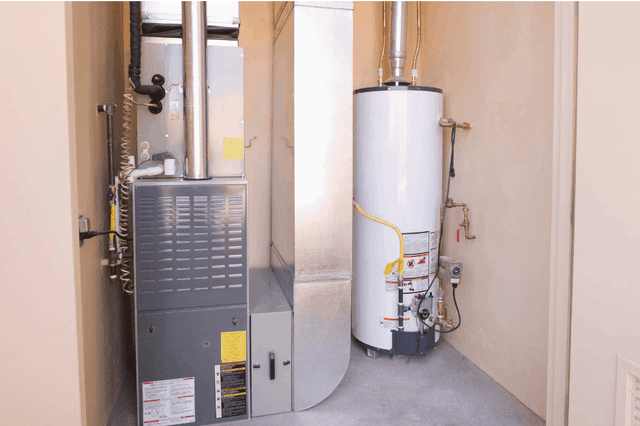
Top Reasons Furnace is Not Igniting
A furnace that fails to ignite can leave your home in the cold. Common issues include a faulty igniter, malfunctioning flame sensor, or a defective draft inducer fan motor. Replacing furnace filters and cleaning furnace parts can help prevent these problems.
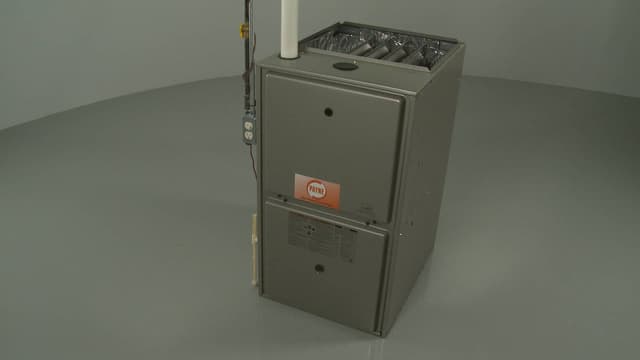
Why is My Furnace Not Working?
Learn why your furnace isn't working by understanding its ignition sequence and identifying common faulty parts like the igniter, flame sensor, or control board. This article provides practical repair tips and insights into each part's role in the heating process.
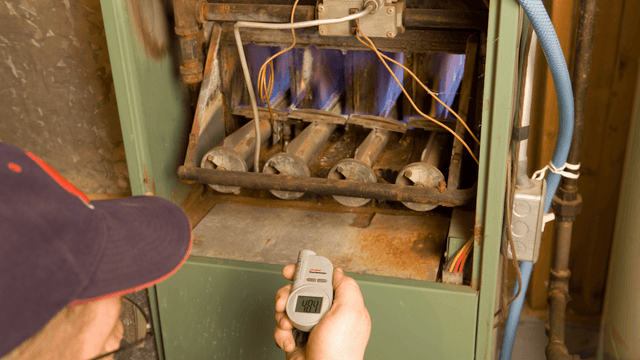
5 Causes of a Furnace Starting Then Stopping
A gas furnace that starts and then stops unexpectedly can be frustrating, especially during cold weather. This article explains five common causes, including issues with the flame sensor, pressure switch, control board, draft inducer fan motor, or air flow. Learn how each cause may impact your furnace's operation and get tips to resolve the problem.




Family-owned and operated since 1912, Burke America Parts Group is the longest-running genuine appliance, HVAC, and outdoor power equipment parts solution in North America. At Repair Clinic, we're proud to be an international brand trusted by the pros as well as the DIY community.
About Repair Clinic