


 Price Match Guarantee
Carrier Furnace Parts
- Adhesive
- Axle, Roller, Shaft, Wheel
- Bearing
- Belt
- Blower Wheel & Fan Blade
- Bracket & Flange
- Cap, Lid & Cover
- Capacitor
- Circuit Board & Timer
- Compressor & Sealed System
- Deflector & Chute
- Door
- Drip Bowl & Drip Pan
- Duct & Venting
- Engine
- Fastener
- Filter
- Fuse, Thermal Fuse & Breaker
- Gas Burner & Control Valve
- Gasket & Seal
- Grille & Kickplate
- Handle
- Heating Element
- Hinge
- Hose, Tube & Fitting
- Igniter
- Ignition Controls
- Insulation
- Knob, Dial & Button
- Latch
- Lighting & Light Bulb
- Manuals, Care Guides & Literature
- Miscellaneous
- Motor
- Paint
- Panel
- Pulley
- Pump
- Sensor & Thermistor
- Shelf & Shelf Support
- Spring
- Switch
- Tank & Container
- Thermostat
- Tool
- Transformer
- Transmission, Brake & Clutch
- Trim
- Valve & Float
- Wire, Receptacle & Wire Connector
Find the right part faster
Multiple models matched. Select your model to confirm fit.





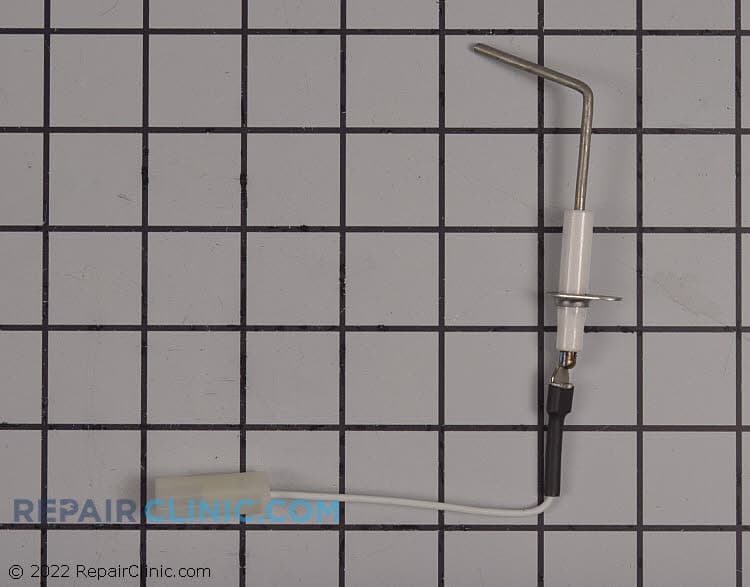
Furnace flame sensor. The flame sensor monitors the burner to detect whether or not a flame is present. If the flame sensor is defective, the furnace may not heat.

Flame rollout limit switch re-settable 350F
Brand Decal - Carrier

Flame rollout limit switch, re-settable. opens at 250f
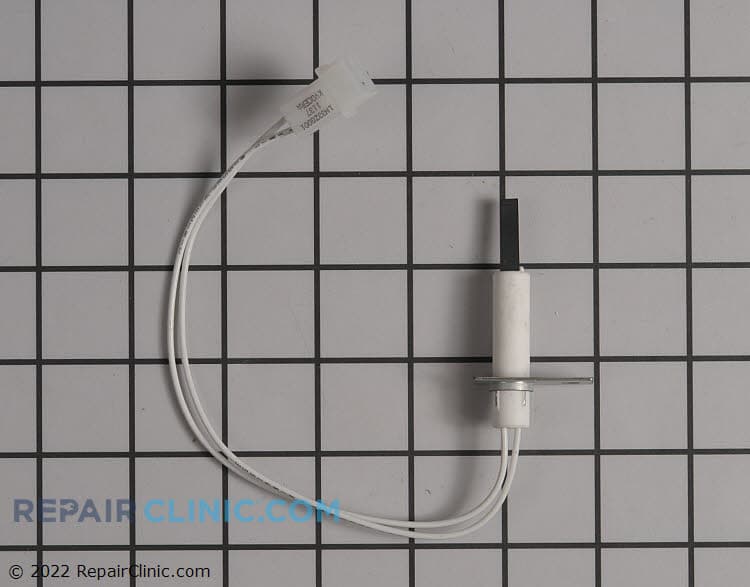
Nitride Hot Surface Furnace Ignitor
RC Item #2381368
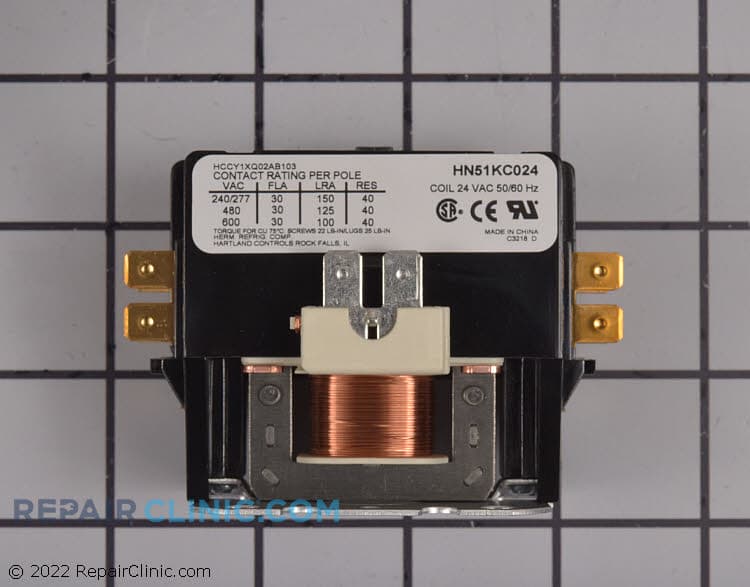
You need Contactor HN51KC024 if you're having trouble with the compressor or fan motor on your air conditioner, furnace, heat pump, or air handler. This genuine OEM single-pole, 24-volt coil contactor has a full load amps (FLA) rating of 30 amps and a locked rotor amps (LRA) rating of 150 amps.
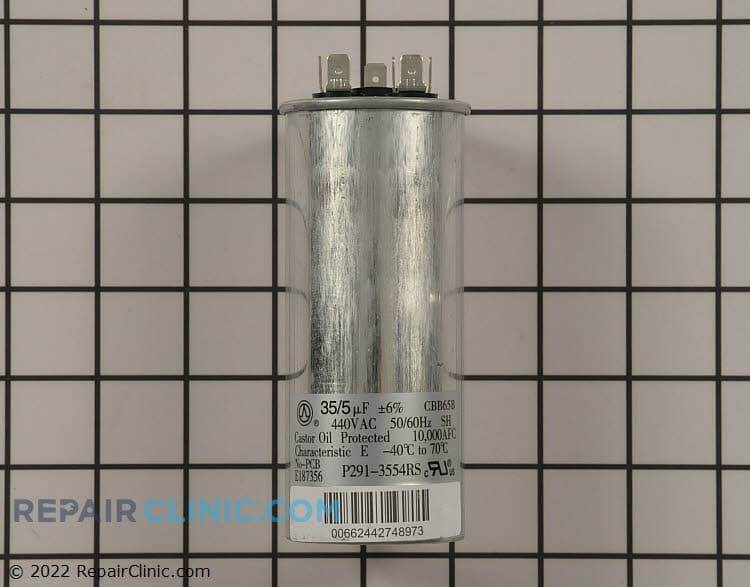
Dual run capacitor round 440 V 35/5 uF

The 349336-761 Draft Inducer Motor is essential for enhancing the efficiency of your furnace's ventilation system. To prevent carbon monoxide from leaking into your home, we recommend replacing the draft inducer gasket or using high-temp silicone sealant when servicing the motor or inducer fan.
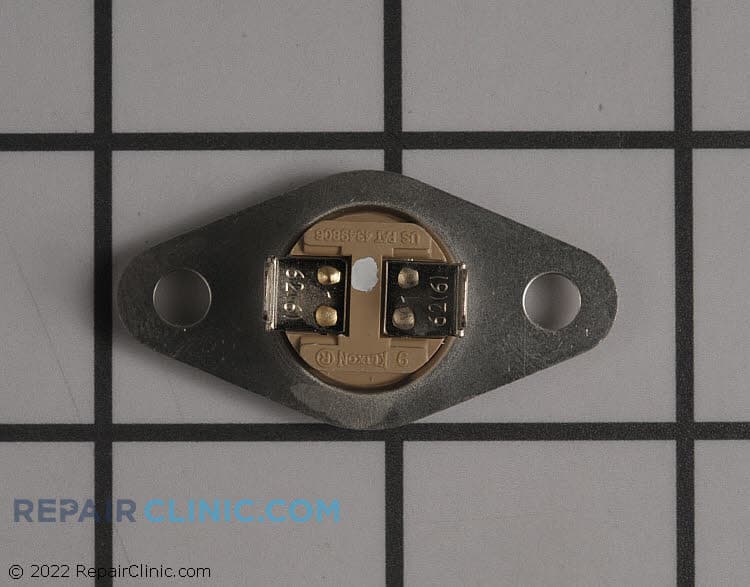
Limit switch non-resettable 101-200F
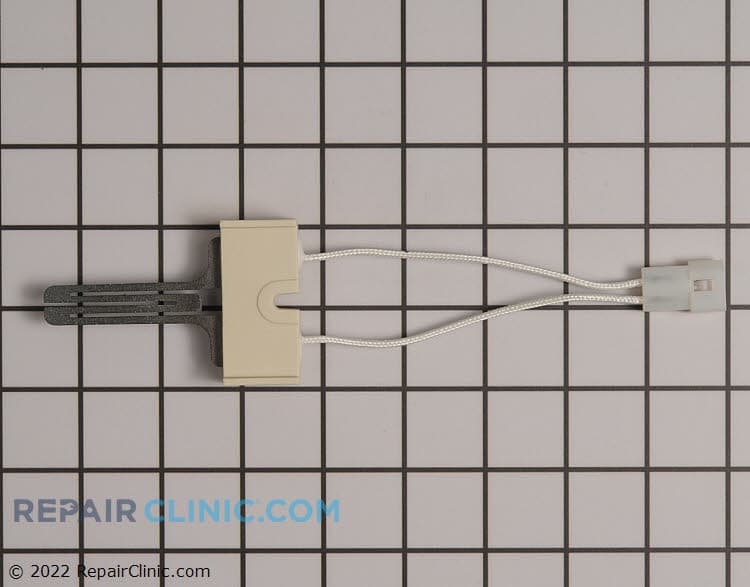
Carrier furnace igniter. The igniter gets very hot and glows bright orange to light the gas burner. If the igniter is cracked or defective, the furnace won’t heat.

Furnace draft inducer motor kit. The draft inducer motor draws air into the burner and exhausts it out the flue. If the draft inducer motor is defective, the furnace may not heat.
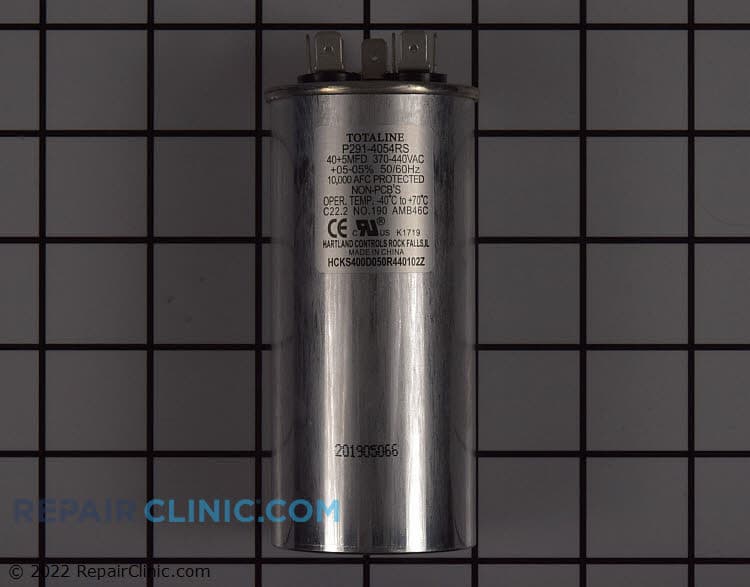
Capacitor Dual 40 + 5 mfd 440 volt Round
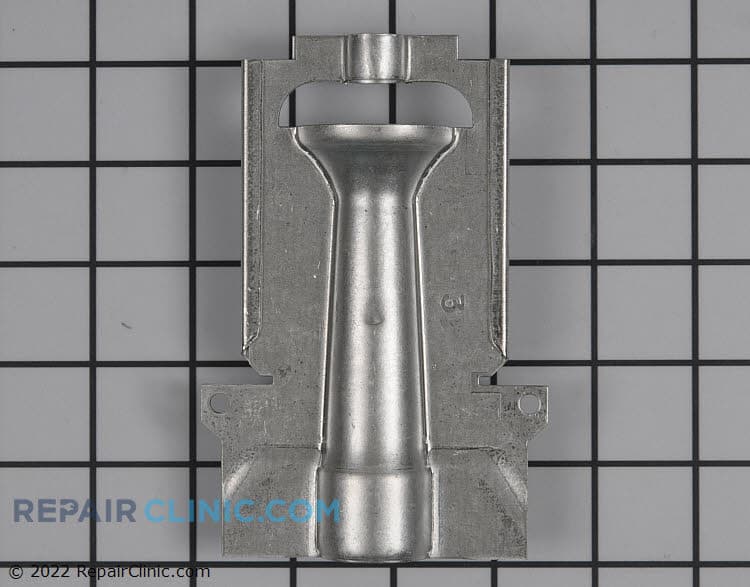
Gas burner tube
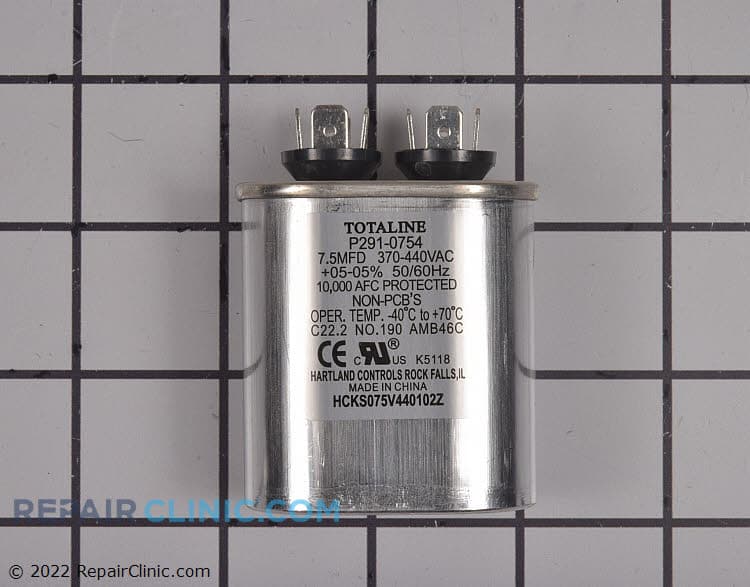
Single run capacitor 440V 7.5 mfd
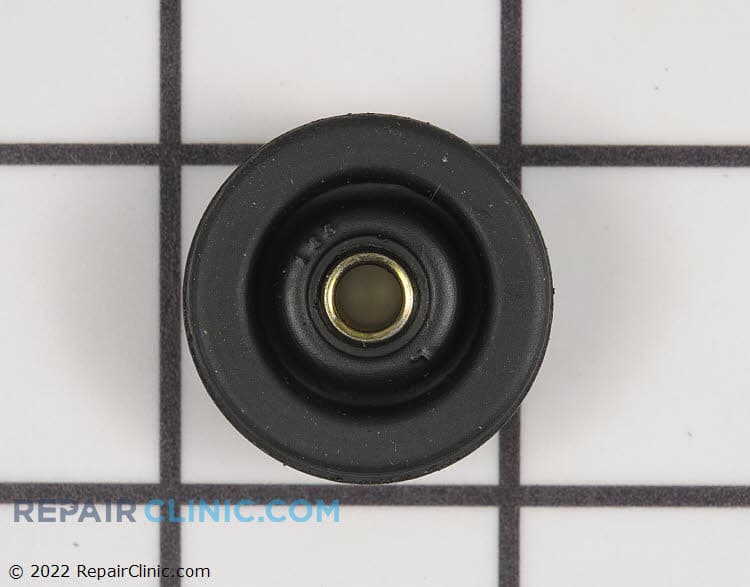
Furnace draft inducer mounting grommet. This grommet helps isolate the blower assembly from the furnace to reduce noise.


Common Carrier Furnace Parts and Symptoms
Carrier furnaces are built for longevity, but certain parts fail predictably. When your Carrier Infinity, Performance, or Comfort series furnace stops heating or cycles erratically, it's usually one of these high-failure parts. The hot surface igniter is the #1 repair — when the igniter glows orange but shuts off, or won't glow at all, replacement is almost always the fix. Draft inducer motors often follow close behind, especially if you hear rattling or grinding before the furnace tries to fire. Pressure switches trip when the inducer fails or the vent is blocked, and flame sensors commonly need cleaning or replacement when the furnace ignites then shuts down within seconds.
Finding your exact Carrier model number ensures you get the correct igniter type (silicon carbide vs. Silicon nitride makes a difference), the right control board, and pressure switch that matches your vent configuration. Use Carrier furnace parts lookup to confirm compatibility before ordering.
- Hot surface igniter won't glow or glows then shuts off: Silicon carbide or silicon nitride igniter (verify type for your model)
- Furnace won't start or keeps shutting off: Pressure switch, draft inducer motor, or flame sensor
- No heat but blower runs: Igniter, gas valve, or limit switch
- Loud rattling or grinding noise on startup: Draft inducer motor or inducer housing
- Furnace cycles on and off rapidly: Limit switch, thermostat, or control board
Popular Carrier Furnace Models
Related Carrier Furnace Parts
- Carrier Furnace Miscellaneous Parts
- Carrier Furnace Motor Parts
- Carrier Furnace Switch Parts
- Carrier Furnace Fastener Parts
- Carrier Furnace Bracket & Flange Parts
- Carrier Furnace Gas Burner & Control Valve Parts
- Carrier Furnace Wire, Receptacle & Wire Connector Parts
- Carrier Furnace Panel Parts
- Carrier Furnace Cap, Lid & Cover Parts
- Carrier Furnace Circuit Board & Timer Parts
- Carrier Furnace Door Parts
- Carrier Furnace Blower Wheel & Fan Blade Parts
- Carrier Furnace Compressor & Sealed System Parts
- Carrier Furnace Fuse, Thermal Fuse & Breaker Parts
- Carrier Furnace Gasket & Seal Parts
- Carrier Furnace Duct & Venting Parts
- Carrier Furnace Hose, Tube & Fitting Parts
- Carrier Furnace Filter Parts
- Carrier Furnace Transformer Parts
- Carrier Furnace Capacitor Parts
- Carrier Furnace Engine Parts
- Carrier Furnace Manuals, Care Guides & Literature
- Carrier Furnace Transmission, Brake & Clutch Parts
- Carrier Furnace Heating Element Parts
- Carrier Furnace Drip Bowl & Drip Pan Parts
- Carrier Furnace Axle, Roller, Shaft, Wheel Parts
- Carrier Furnace Insulation Parts
- Carrier Furnace Spring Parts
- Carrier Furnace Bearing Parts
- Carrier Furnace Pulley Parts
- Carrier Furnace Belt Parts
- Carrier Furnace Sensor & Thermistor Parts
- Carrier Furnace Igniter Parts
- Carrier Furnace Latch Parts
- Carrier Furnace Valve & Float Parts
- Carrier Furnace Knob, Dial & Button Parts
- Carrier Furnace Trim Parts
- Carrier Furnace Grille & Kickplate Parts
- Carrier Furnace Thermostat Parts
- Carrier Furnace Ignition Controls Parts
- Carrier Furnace Paint
- Carrier Furnace Pump Parts
- Carrier Furnace Deflector & Chute Parts
- Carrier Furnace Handle Parts
- Carrier Furnace Tank & Container Parts
- Carrier Furnace Adhesive
- Carrier Furnace Lighting & Light Bulb Parts
- Carrier Furnace Hinge Parts
- Carrier Furnace Shelf & Shelf Support Parts
- Carrier Furnace Tool
Carrier Furnace Repair Questions
Why does my Carrier furnace igniter glow but the furnace shuts down immediately?
A flame sensor that's dirty or failed is the most common cause. The igniter heats to open the gas valve, but if the flame sensor doesn't detect the flame within a few seconds, the control board shuts everything off as a safety measure. Clean the sensor first with fine steel wool or a soft cloth — carbon buildup blocks the signal. If cleaning doesn't fix it, the sensor has likely failed and needs replacement. Always use an OEM Carrier flame sensor for your model; aftermarket sensors often have incorrect sensitivity.
What's the difference between the Carrier Infinity, Performance, and Comfort series furnaces?
Carrier Infinity furnaces are the factory-certified line with variable-speed blowers, communicating controls, and two-stage heating — these models use proprietary control boards and igniters specific to each model year. Performance series are mid-tier two-stage furnaces with standard controls. Comfort series are single-stage entry-level furnaces. The key for parts: Infinity communicating boards will not work in Performance or Comfort models, and vice versa. Always enter your full model number (like 25HNH048000) to get the correct board and igniter assembly.
How do I find my Carrier furnace model number?
The model number is on the rating plate, usually on the front door or inside the furnace cabinet near the blower. It's a series of letters and numbers (e.g., 25HNH048000 or 58HXC). Write it down exactly — Carrier model numbers determine igniter type, control board, and pressure switch configuration. If you can't locate the plate, look inside the blower compartment on the edge of the cabinet, or check your installation paperwork. Enter your model number in the Repair Clinic search bar to confirm you're ordering the right part.
What does a pressure switch do, and why does mine keep tripping?
The pressure switch monitors airflow through the vent pipe — it closes when the draft inducer motor creates enough negative pressure. Once closed, it allows the furnace to ignite. A tripped pressure switch prevents the entire heating cycle. Common causes are a blocked vent (ice, lint, nest), a cracked vent hose, or the draft inducer motor itself failing. Check the vent line first — if it's clear and the error persists, the inducer motor or the pressure switch has likely failed. OEM Carrier pressure switches are matched to your vent configuration; the correct part ensures reliable operation.
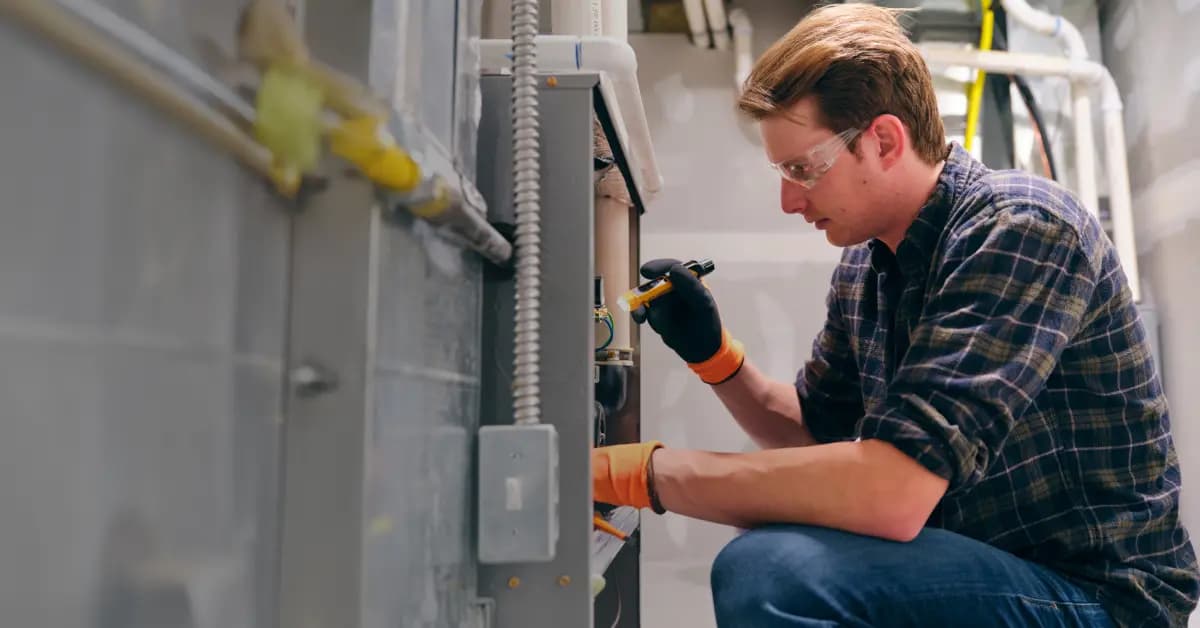
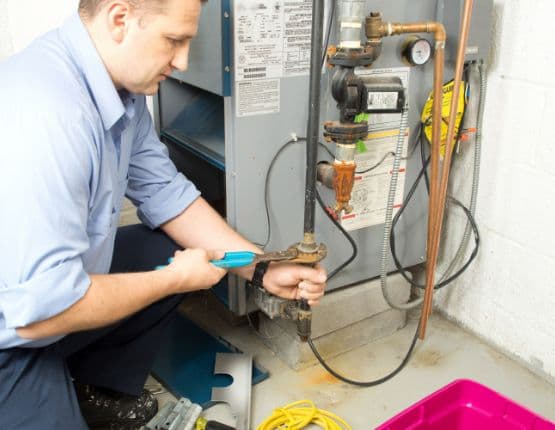
Order Carrier Furnace Replacement Parts Online
Repair your Carrier furnace with genuine Carrier replacement parts from Repair Clinic. We carry a full range of Carrier inducer motors, flame sensors, air filters, thermostats, and more, ensuring your furnace stays in peak condition. Use our search tool to find parts by model or part number for an easy repair.
Carrier Furnace Model Number: Where to Look
On Carrier furnaces, look for the model number on the rating plate inside the front access panel or on the blower compartment door. Depending on the cabinet design, the label may also be near the gas valve or along the furnace's side panel. The model number is a mix of letters and numbers, so copy it exactly, including any hyphens or suffixes. Type it into our model number lookup and the catalog narrows to parts made for your unit, across every furnace part category. Matching the full Carrier model helps account for differences between series and production versions, so you can order with confidence knowing the fit is right.

Online Repair Library for Carrier Furnace
Repair Clinic's online repair library gives you the tools to diagnose and fix your Carrier Furnace without a service call. Common-symptom articles cover the most likely causes, part testing videos confirm the failed component, and step-by-step written guides walk you through the installation. Use the model number lookup to confirm the exact OEM part, and exploded-view diagrams and wiring illustrations support the more involved jobs.
Related Furnace Repair Help Articles
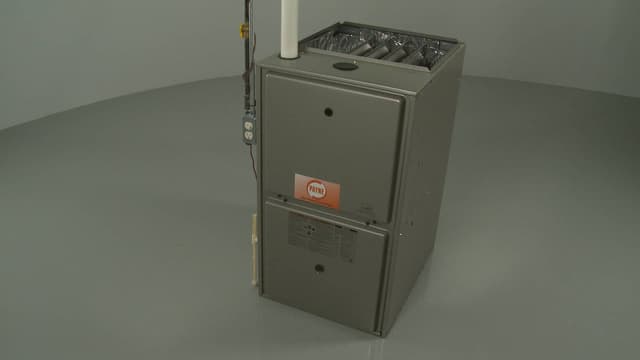
How To Replace a Circuit Board in Your Furnace
Replacing a malfunctioning furnace circuit board may be the key to restoring your heating system's functionality. This article provides a clear guide to understanding the role of the circuit board in a furnace's ignition sequence, common reasons for circuit board failure, and step-by-step instructions for replacing a furnace circuit board.
Why is My Furnace Not Working?
Learn why your furnace isn't working by understanding its ignition sequence and identifying common faulty parts like the igniter, flame sensor, or control board. This article provides practical repair tips and insights into each part's role in the heating process.
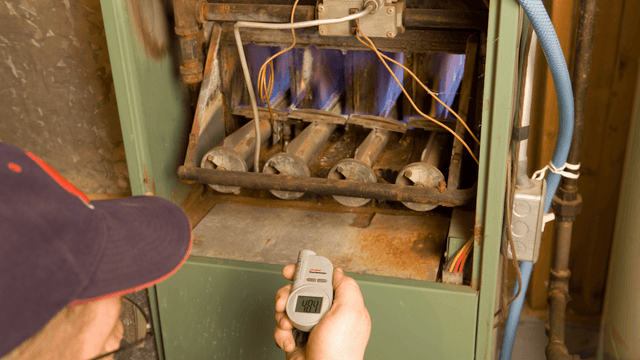
5 Causes of a Furnace Starting Then Stopping
A gas furnace that starts and then stops unexpectedly can be frustrating, especially during cold weather. This article explains five common causes, including issues with the flame sensor, pressure switch, control board, draft inducer fan motor, or air flow. Learn how each cause may impact your furnace's operation and get tips to resolve the problem.




Family-owned and operated since 1912, Burke America Parts Group is the longest-running genuine appliance, HVAC, and outdoor power equipment parts solution in North America. At Repair Clinic, we're proud to be an international brand trusted by the pros as well as the DIY community.
About Repair Clinic