


 Price Match Guarantee
Carrier Furnace Capacitor Parts
Find the right part faster
Multiple models matched. Select your model to confirm fit.




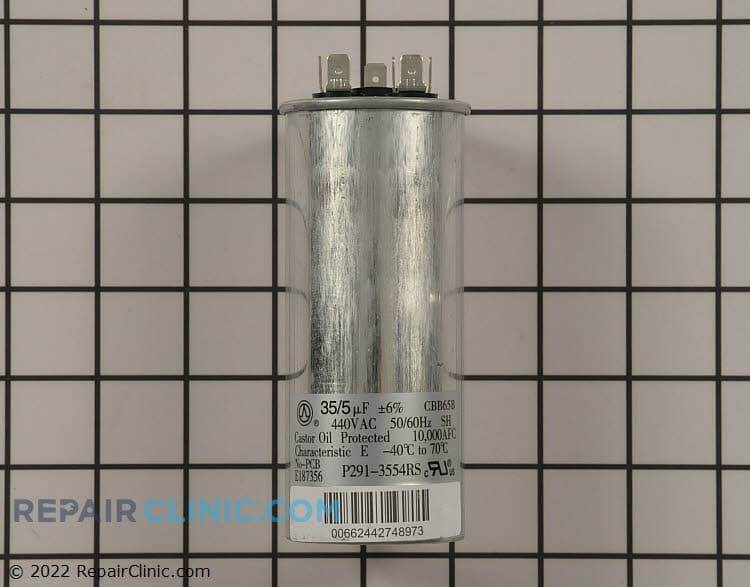
Dual run capacitor round 440 V 35/5 uF
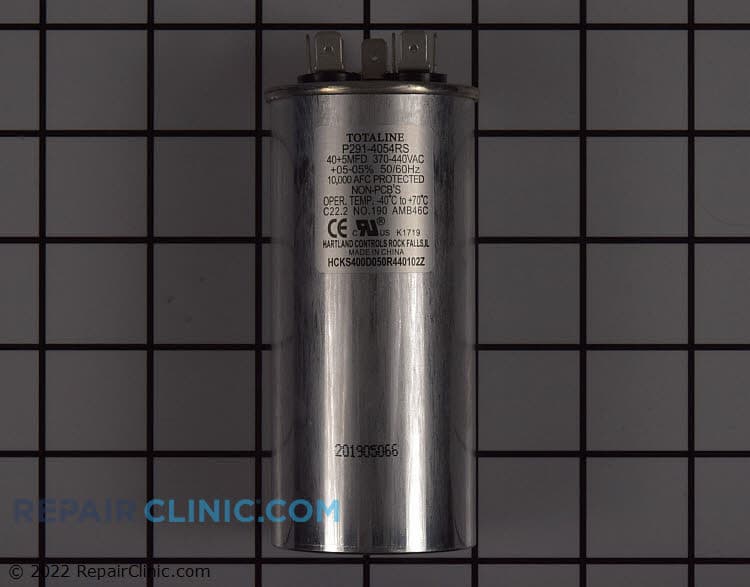
Capacitor Dual 40 + 5 mfd 440 volt Round
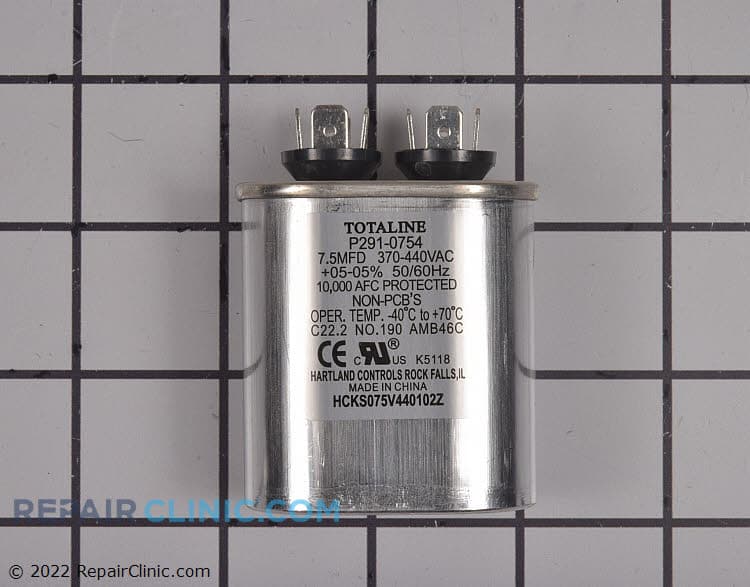
Single run capacitor 440V 7.5 mfd
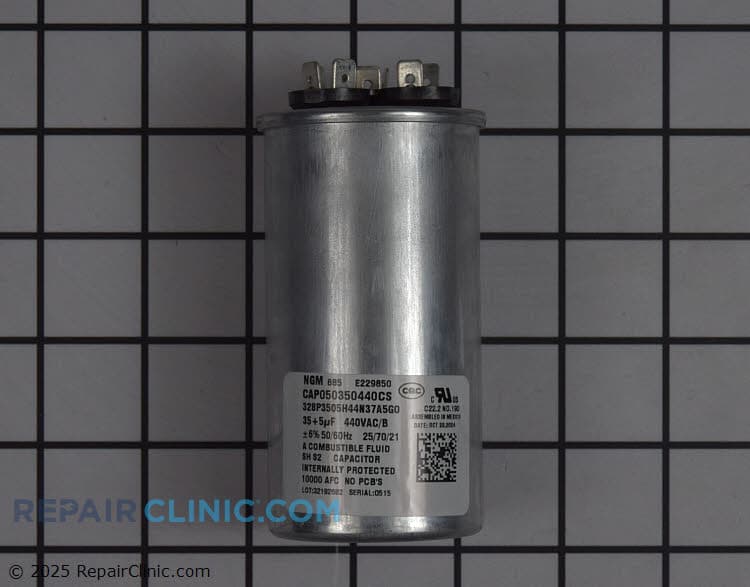
Run cap 35/5mfd/440v/dual round
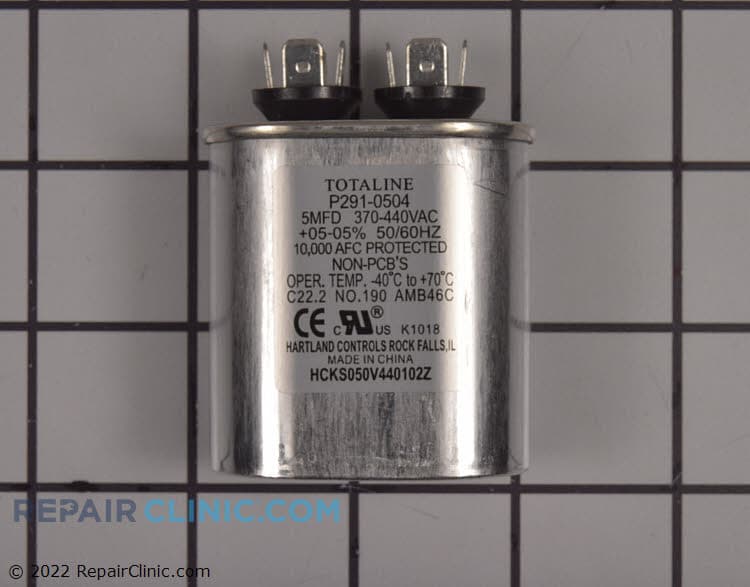
Run Capacitor, Single, Oval, 370 Volts, 5 Microfarads

Dual run capacitor, 30+5 MFD 440 Volt Round
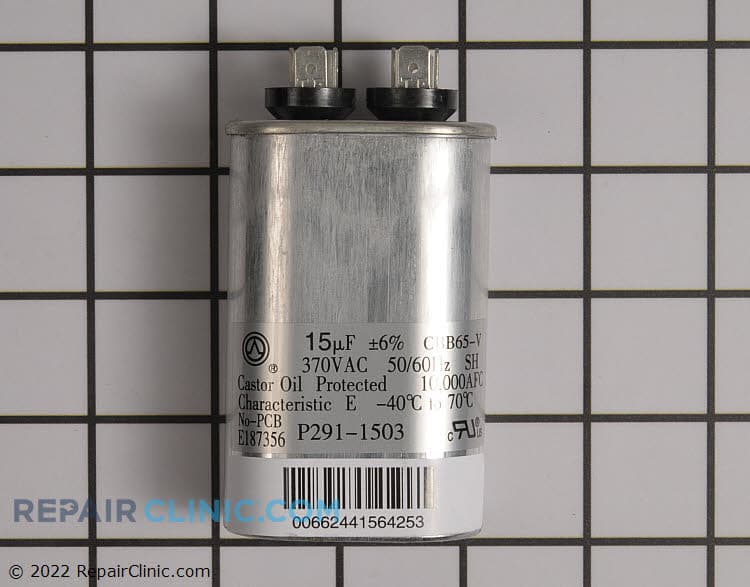
Run capacitor, single, oval, 370 Volts, 15 microfarads

Dual run capacitor, 50+5 MFD, 370-440 volts

Dual Run Capacitor 70 + 7.5 440v
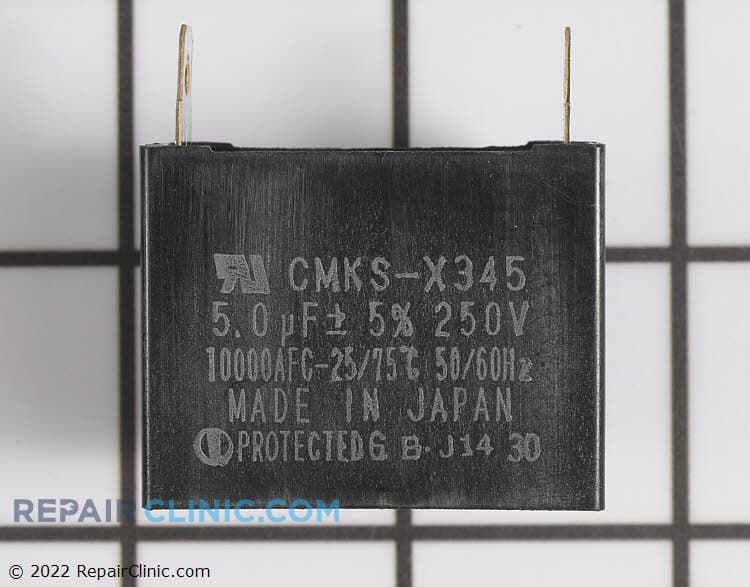
Capacitor
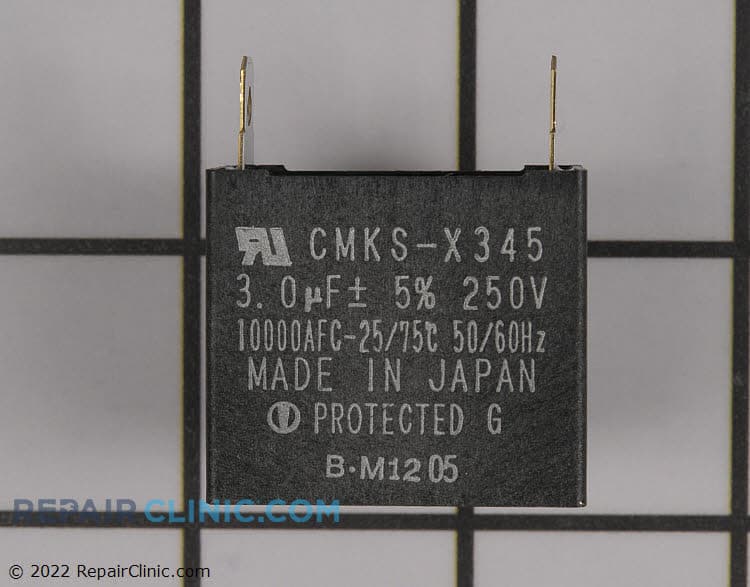
Run capacitor 3.0uf 250v

Dual run capacitor, round 440V 55/5 uF
RC Item #5000191
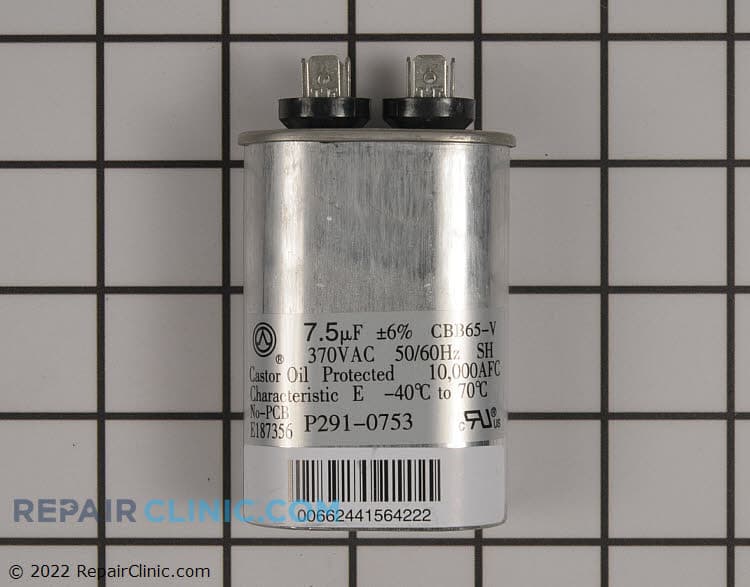
Round Capacitor, 440V, 7.5 MF

Dual capacitor 440 VAC 60 + 5 mfd.
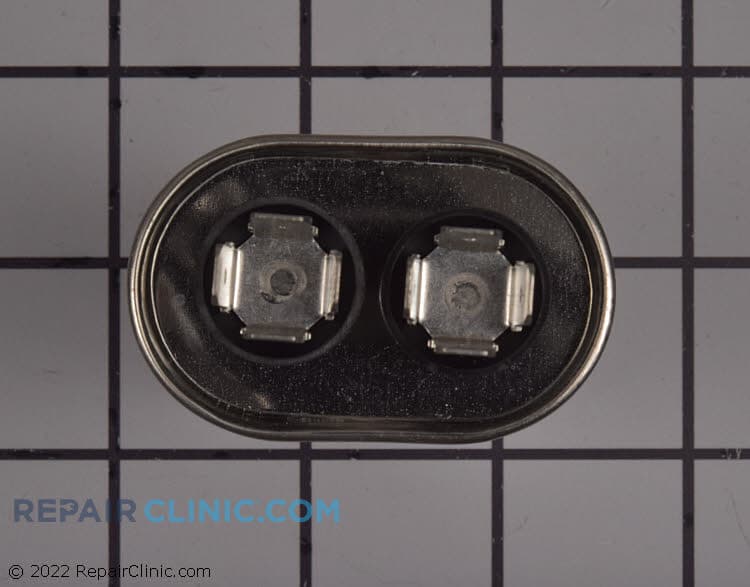
Run capacitor, oval, 10 microfarads, 370 volts


Carrier Furnace Run and Start Capacitors
The capacitor is the small cylindrical part that gives your Carrier furnace blower motor and inducer motor the electrical push they need to start and run. When a capacitor fails, you'll notice your furnace running but producing no heat, the blower struggling to start, or the inducer motor grinding but not spinning. A failed capacitor is one of the fastest, most affordable furnace repairs — typically $15 to $50 for the part.
Carrier furnaces use either single run capacitors (blower motor only) or dual capacitors (both blower and inducer on the same part). Always match the microfarad (µF) rating and voltage exactly when replacing. The correct ratings are printed on the old capacitor's label.
- Blower motor won't start: furnace runs but no airflow; run capacitor has failed
- Inducer motor grinding or not spinning: pressure switch won't close; inducer capacitor failure
- Furnace cycles on and off erratically: capacitor is weakening and losing charge between cycles
- Loud humming from furnace: motor tries to start but capacitor can't provide enough energy
- Burnt smell near furnace: capacitor overheated and failed; replace immediately
Find Replacement Carrier Furnace Capacitor Parts Online by Model or Part Number
Popular Carrier Furnace Models
Related Carrier Furnace Capacitor Parts
Carrier Furnace Capacitor FAQs
What's the difference between a run capacitor and a start capacitor in a Carrier furnace?
Carrier furnaces primarily use run capacitors, which stay in the circuit during the entire motor operation. A run capacitor helps the motor maintain torque and efficiency. Start capacitors (found in some systems) are temporary — they disconnect after the motor reaches speed. Most Carrier furnaces have one dual-capacitor unit that handles both the blower motor and the inducer motor simultaneously. Check your model number to confirm which type yours uses.
How do I know if my Carrier furnace capacitor is bad?
A failed or failing capacitor usually shows one or more of these signs: the blower motor hums but won't spin, the inducer motor grinds or rattles without starting, the furnace cuts off after 30 seconds (pressure switch trips because inducer never ran), or you smell a burnt odor near the furnace cabinet. If you see the capacitor itself is swollen, cracked, or leaking brown fluid, it has definitely failed and needs replacement. If the capacitor still looks intact, test it with a multimeter set to the capacitance (µF) range — a reading below 90% of the rated µF means replace it.
What microfarad and voltage rating do I need for my Carrier furnace?
The original capacitor label lists both the µF (microfarad) rating and the voltage rating. Write down both numbers from your old capacitor or find them in your model number documentation using Repair Clinic's model lookup. Common Carrier furnace capacitors are 5 µF + 5 µF dual-run or single 10 µF configurations, at 370V or 440V. Always match the µF rating exactly; the voltage can be equal or higher, but never lower. Ordering the wrong µF will cause the motor to run inefficiently or not at all.
Can I replace a Carrier furnace capacitor myself?
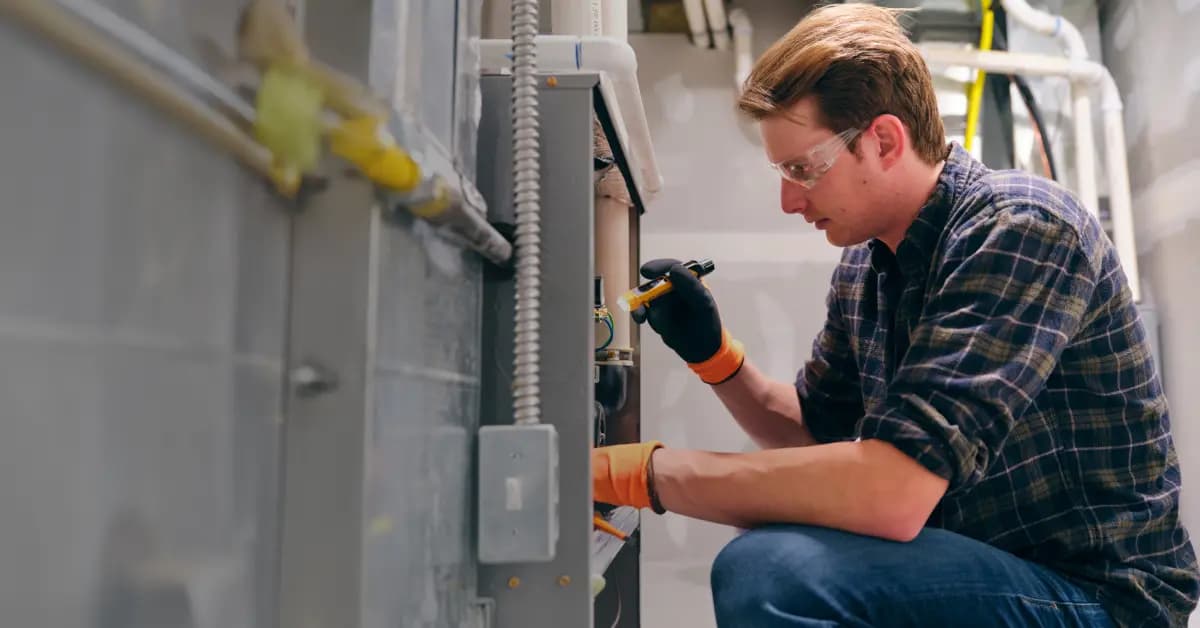
Safety first: Capacitors store electrical charge even when power is off. Before touching the old capacitor, turn off the furnace, wait 5 minutes, and use an insulated screwdriver to short the capacitor terminals together (touch both terminals simultaneously to discharge any remaining charge). The replacement is then straightforward — remove the wire terminals from the old capacitor, note their positions, remove the mounting bracket or clip, install the new capacitor with the same terminal connections, and secure it. If you're unsure about the terminal positions, take a photo of the old capacitor before disconnecting it. Most Carrier furnace capacitors are accessible without removing other parts.
Order Carrier Furnace Capacitor Parts Online
Ensure your Carrier furnace operates efficiently by ordering genuine capacitor parts online at Repair Clinic. With our easy lookup system, find the exact capacitor needed using your model or part number. Benefit from our No-Hassle 365-Day Returns—return uninstalled parts within a year for any reason. Shop confidently with our Price Match Guarantee, helping you shop with confidence on all genuine OEM replacement parts. Don't let a faulty capacitor disrupt your heating system; order by 9:00 p.m. For same-day shipping and get your furnace back running right. Visit our replacement parts section for more.
Carrier Furnace Model Number: Where to Look
On Carrier furnaces, look for the model number on the blower compartment door, inside the front access panel, or near the gas valve. The rating plate usually lists the model and serial numbers, so copy the model number exactly, including letters, numbers, and hyphens. Enter it in the model number lookup to narrow the catalog to parts made for your entire Carrier furnace, not just the capacitor or another part. If the label is dusty or hard to read, use a flashlight and wipe the surface gently after shutting off power. A precise model match cuts down on compatibility checks and helps you order the right parts with less delay.

Get Your Carrier Furnace Working Again with Online Repair Help
Repair Clinic's online repair resources give you a clear path to fix your Carrier Furnace without a service call. Symptom articles help identify the likely cause, part testing videos confirm the failed component, and step-by-step repair guides walk you through the installation with photos and video. Look up your model number to match the correct OEM part on the first try.
Related Furnace Repair Help Articles
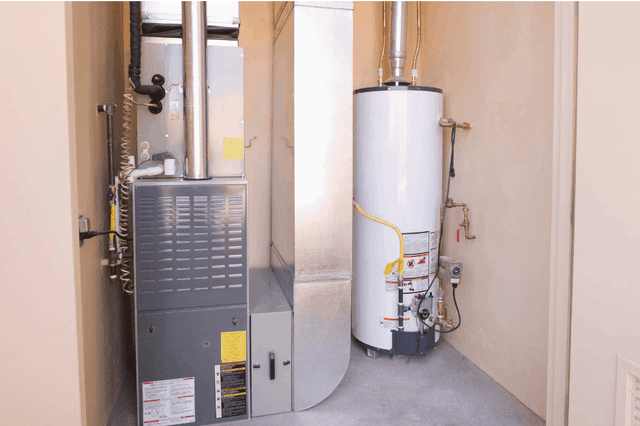
Top Reasons Furnace is Not Igniting
A furnace that fails to ignite can leave your home in the cold. Common issues include a faulty igniter, malfunctioning flame sensor, or a defective draft inducer fan motor. Replacing furnace filters and cleaning furnace parts can help prevent these problems.
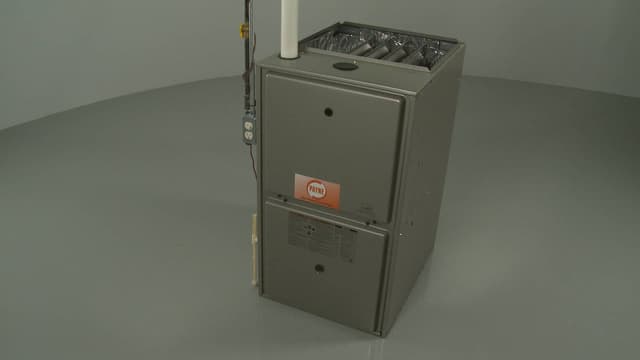
Why is My Furnace Not Working?
Learn why your furnace isn't working by understanding its ignition sequence and identifying common faulty parts like the igniter, flame sensor, or control board. This article provides practical repair tips and insights into each part's role in the heating process.
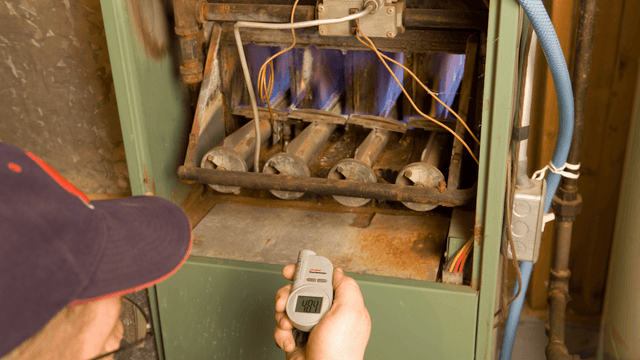
5 Causes of a Furnace Starting Then Stopping
A gas furnace that starts and then stops unexpectedly can be frustrating, especially during cold weather. This article explains five common causes, including issues with the flame sensor, pressure switch, control board, draft inducer fan motor, or air flow. Learn how each cause may impact your furnace's operation and get tips to resolve the problem.




Family-owned and operated since 1912, Burke America Parts Group is the longest-running genuine appliance, HVAC, and outdoor power equipment parts solution in North America. At Repair Clinic, we're proud to be an international brand trusted by the pros as well as the DIY community.
About Repair Clinic