


 Price Match Guarantee
Carrier Furnace Switch Parts
Find the right part faster
Multiple models matched. Select your model to confirm fit.





Flame rollout limit switch re-settable 350F

Flame rollout limit switch, re-settable. opens at 250f
RC Item #2381368
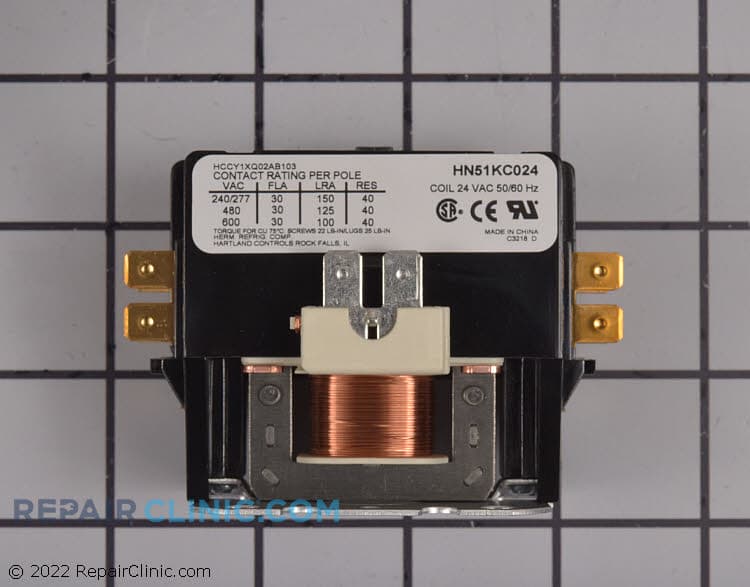
You need Contactor HN51KC024 if you're having trouble with the compressor or fan motor on your air conditioner, furnace, heat pump, or air handler. This genuine OEM single-pole, 24-volt coil contactor has a full load amps (FLA) rating of 30 amps and a locked rotor amps (LRA) rating of 150 amps.
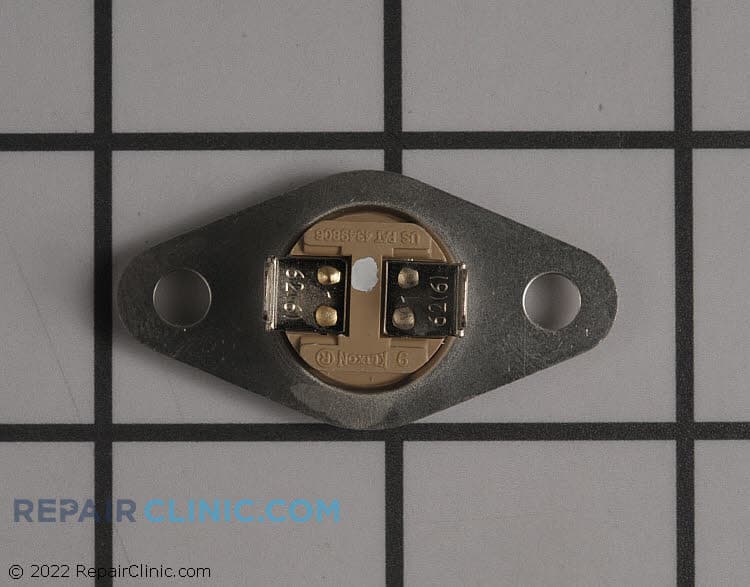
Limit switch non-resettable 101-200F
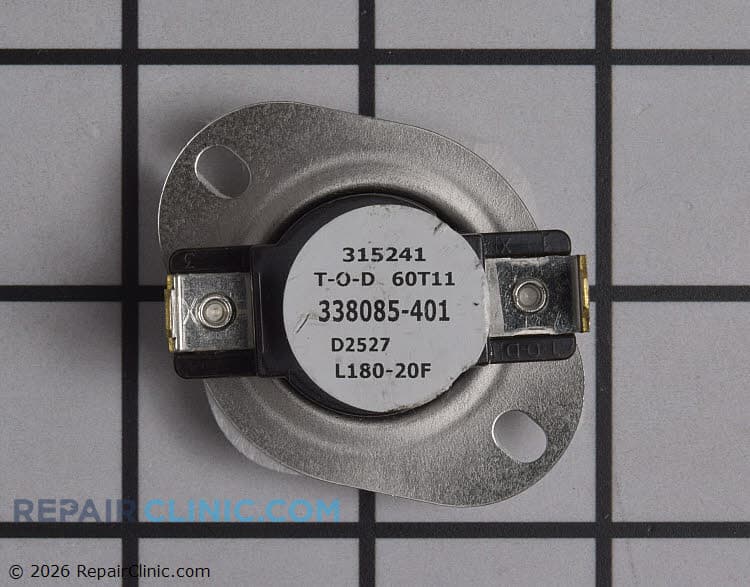
Limit Switch
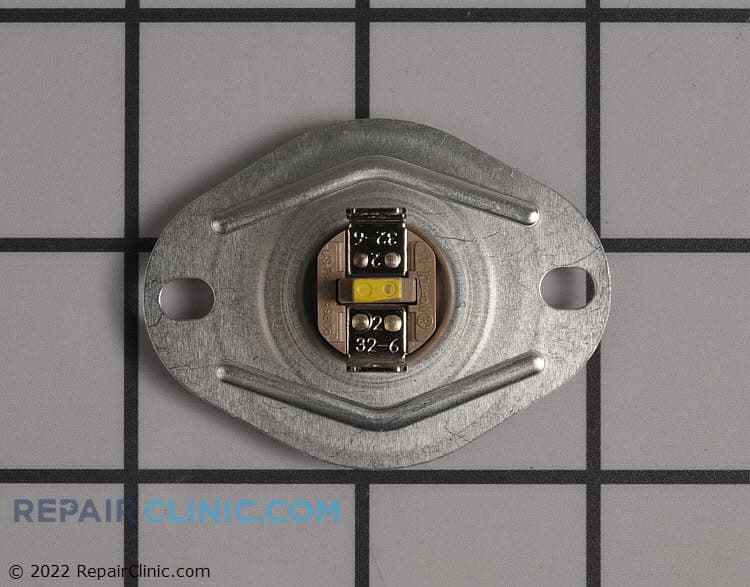
Limit switch
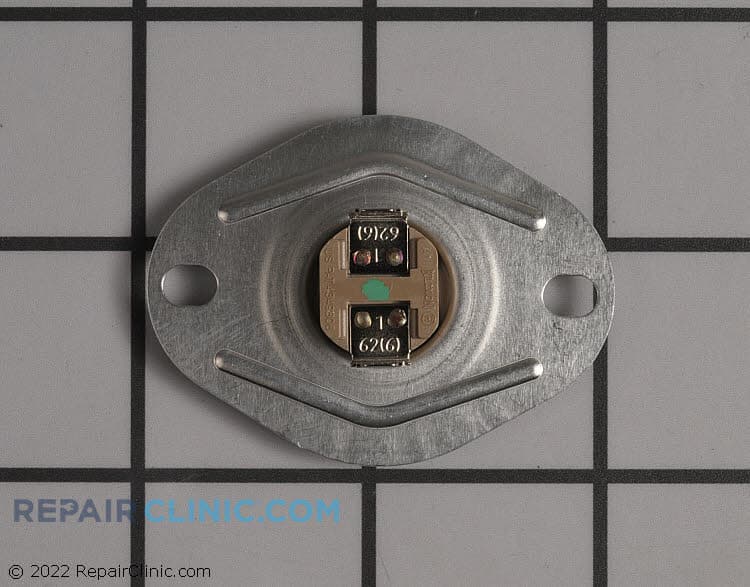
Limit switch 125-165F
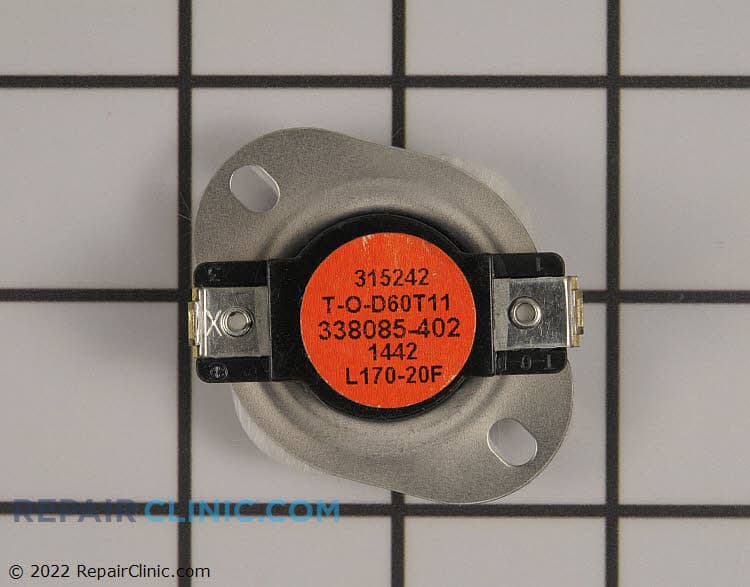
Limit switch
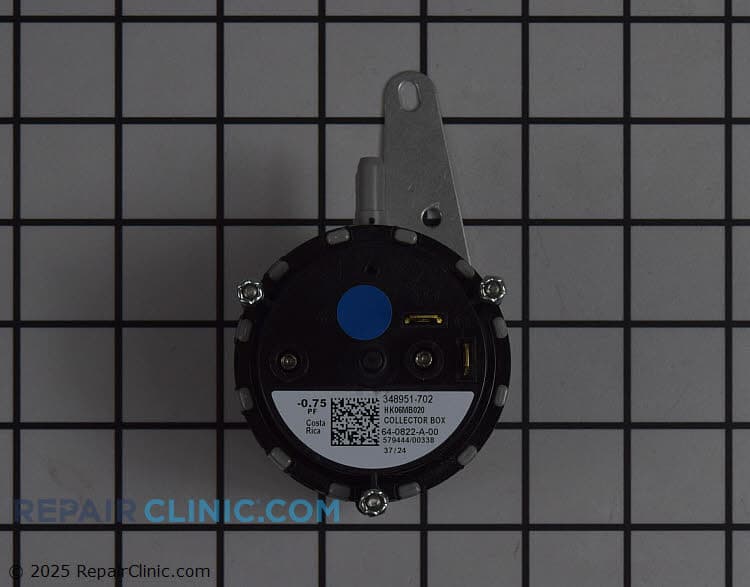
Pressure switch
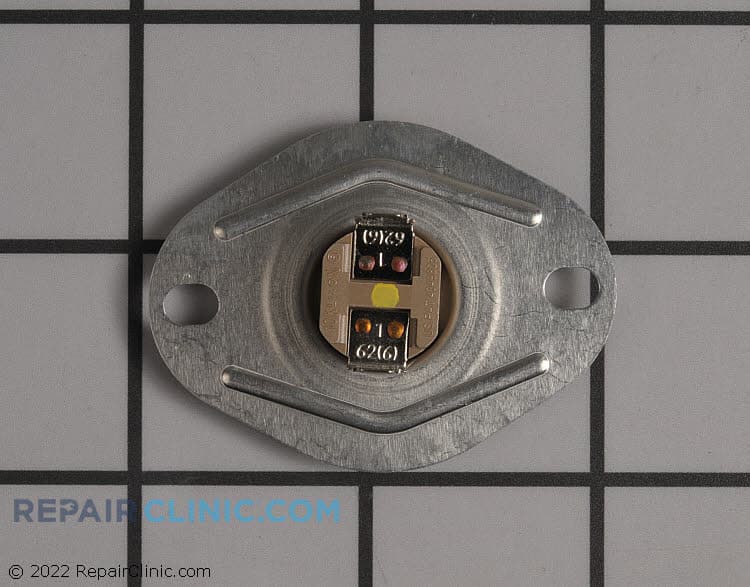
Limit switch 140-180F
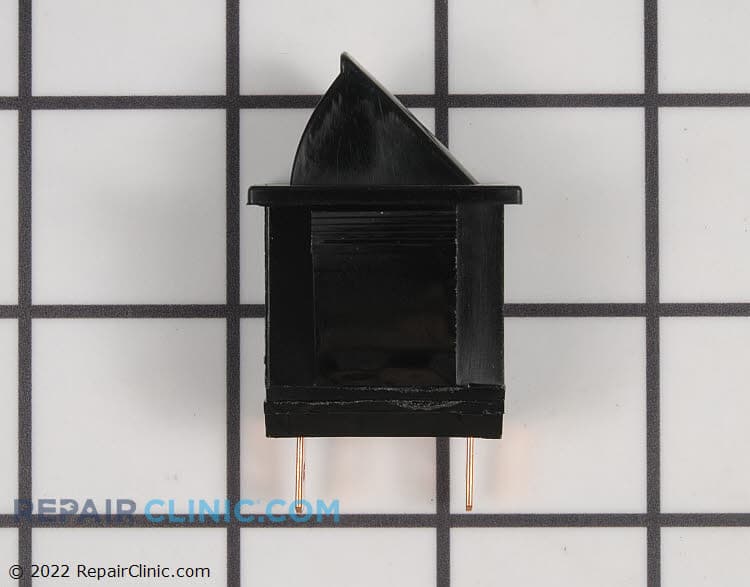
Door switch
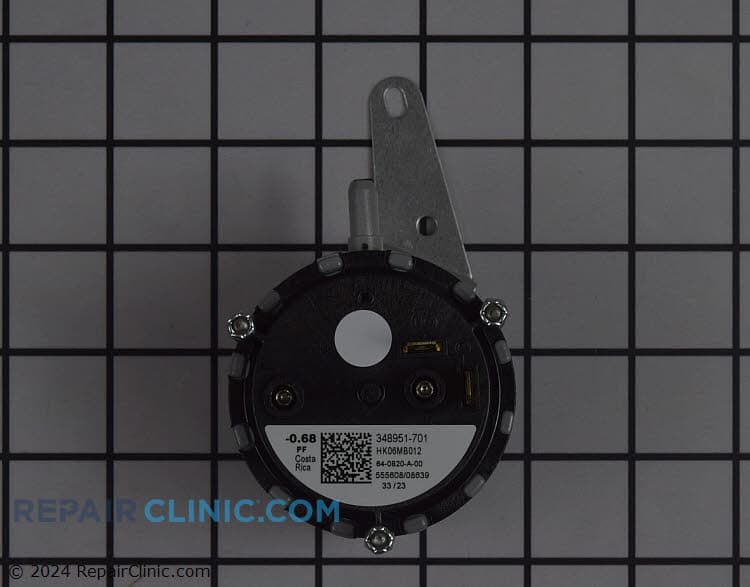
Pressure switch
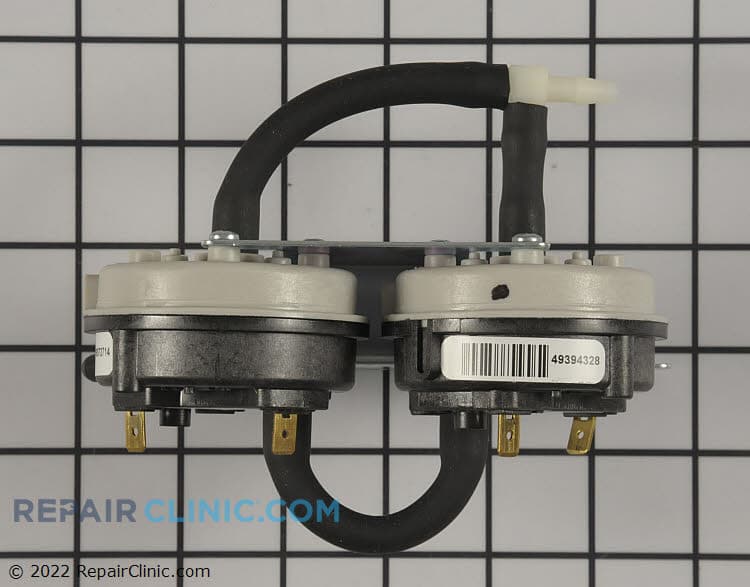
Pressure switch
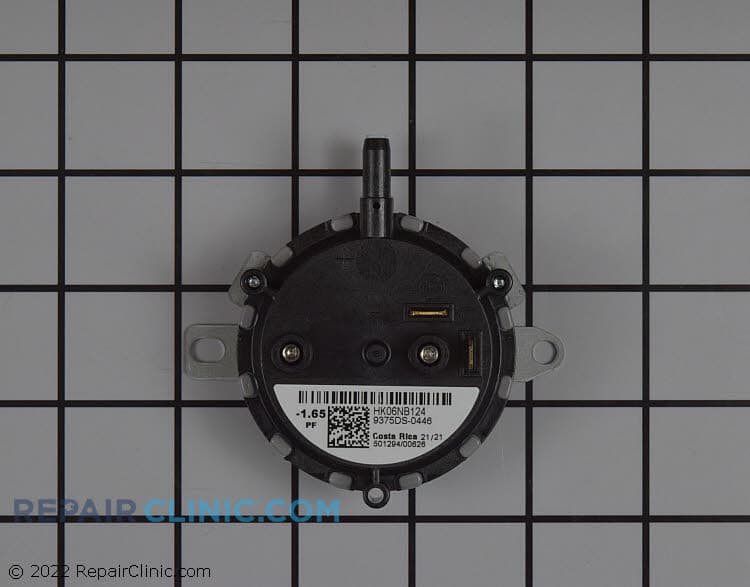
Pressure switch, SPST 1.65"wc, 1/4 barbed connection
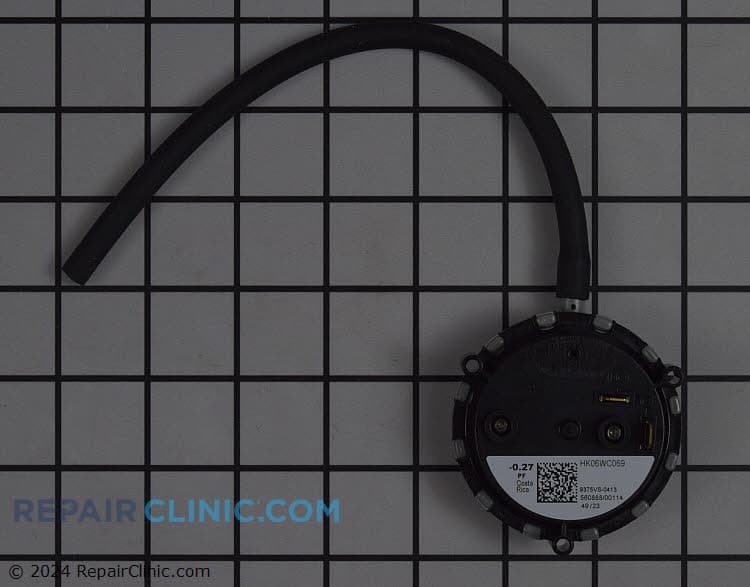
Pressure switch


Carrier Furnace Pressure Switches, Limit Switches & Safety Controls
Carrier furnaces rely on three critical switches to manage heating safely: the pressure switch monitors airflow from the inducer motor, the high-limit switch prevents overheating, and the rollout limit switch catches dangerous heat spikes. When one of these fails, your furnace won't start, cycles on and off erratically, or locks out completely — and diagnosing which switch has failed is half the repair. We carry genuine OEM Carrier furnace switches that match your model's specifications exactly.
Before replacing a switch, check the obvious culprits: a clogged furnace filter or blocked inducer drain line will trip the pressure switch repeatedly, and a blower motor running continuously points to a bad limit switch. But if cleaning ducts and replacing filters doesn't reset your system, the switch itself has likely failed and needs replacement.
- Pressure switches: furnace won't ignite; pressure switch error code; inducer motor running but no heat
- High-limit switches: furnace shuts off mid-cycle; repeated lockouts; overheating complaint
- Rollout limit switches: safety shutoff; prevents dangerous combustion backup
- Ignition control modules: work with limit switches to sequence heating cycles
- IFC control boards: manage all switch inputs; error code E-series or blinking LEDs
Enter your Carrier model number above to find the exact pressure switch or limit switch your furnace needs — OEM Carrier switches are engineered to match your unit's voltage, pressure range, and safety interlock design.
Find Replacement Carrier Furnace Switch Parts Online by Model or Part Number
Popular Carrier Furnace Models
Related Carrier Furnace Switch Parts
- Carrier Furnace Limit Switch Parts
- Carrier Furnace Pressure Switch Parts
- Carrier Furnace Switch Parts
- Carrier Furnace Contactor Parts
- Carrier Furnace Relay Parts
- Carrier Furnace Flame Rollout Limit Switch Parts
- Carrier Furnace Spark Ignition Switch and Harness Parts
- Carrier Furnace Door Switch Parts
- Carrier Furnace Fan Limit Switch Parts
- Carrier Furnace Ignition Switch Parts
- Carrier Furnace Fan Switch Parts
- Carrier Furnace Safety Switch Parts
- Carrier Furnace Temperature Control Switch Parts
- Carrier Furnace Temperature Switch Parts
Carrier Furnace Switch Repair FAQs
What does a pressure switch do on a Carrier furnace?
The pressure switch is a vacuum safety device that confirms the inducer motor is running and pulling exhaust gases safely out of the heat exchanger. It monitors the draft (negative pressure) in the furnace combustion chamber. If the inducer fails or the drain line clogs, the furnace pressure drops below the switch's setpoint, and the pressure switch opens the circuit — preventing gas from flowing and protecting you from carbon monoxide backup. A stuck or failed pressure switch will prevent the furnace from starting even if the inducer is running fine.
How do I know if my limit switch is bad versus my pressure switch?
The high-limit switch shuts off heat when furnace temperature climbs too high — a safety measure. If your furnace ignites, heats briefly, then shuts off and won't restart for 10 to 15 minutes (cooling cycle), the limit switch has likely tripped from overheating. If your furnace won't ignite at all, or the pressure switch error code appears on your display, the pressure switch is the culprit. Some Carrier systems have both — test which one is open using a multimeter (should read continuity when furnace is off and cool). If the high-limit reads open when cool, replace it. If the pressure switch reads open with a running inducer, replace the pressure switch.
Can I clean a Carrier furnace pressure switch instead of replacing it?
Pressure switches are sealed and cannot be cleaned. However, the switch itself is not usually the problem — the drain line or inducer motor is. Check that the inducer is spinning (listen for the motor hum), and verify the condensate drain hose isn't pinched or clogged (should have a slight slope downward). Clear any blockages first. If the inducer runs, airflow is clear, and the pressure switch still won't close, then the switch has failed internally and must be replaced with an OEM Carrier switch.
Why does my Carrier furnace pressure switch keep tripping?
Repeated pressure switch trips are almost always caused by a blocked condensate drain line, a kinked or cracked drain hose, or an inducer motor that's failing (slow spin). Start by locating the inducer drain line (small hose near the inducer motor) and checking for water backup or visible cracks. Blow gently through the hose or run a thin wire through it to clear any algae buildup. If the inducer is running and the drain is clear but the switch still trips after 30 seconds, the switch itself has failed and needs OEM replacement. Always verify your Carrier model number — pressure switch specifications vary by furnace type.
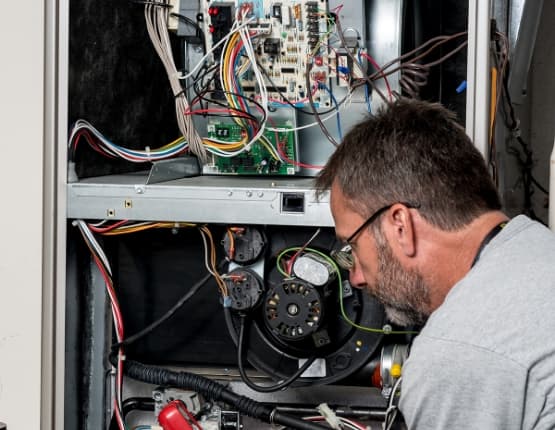
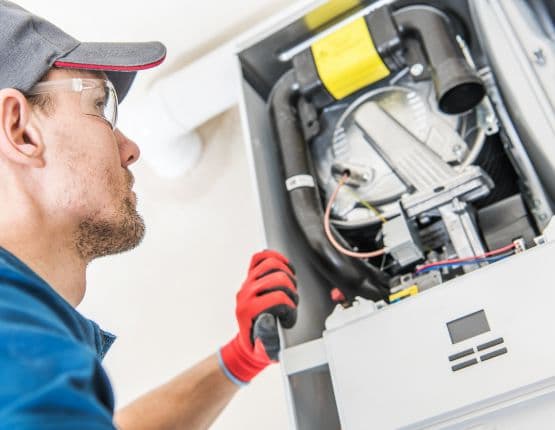
Order Carrier Furnace Switch Parts Online
Ordering Carrier furnace switch parts. Use your model number to get the right part. Whether you're looking for a flame rollout limit switch, pressure switch, or fan limit switch, Our huge inventory makes it easy to find the exact part you need. With our Price Match Guarantee, you can shop confidently, knowing you'll never overpay for genuine OEM replacement parts. Plus, take advantage of our No-Hassle 365-Day Returns policy, which allows you to return any uninstalled parts within a year of purchase. Simply enter your model or part number to quickly locate the right part. We also offer same-day shipping on orders placed by 9:00 p.m., ensuring you get your parts fast. Trust Repair Clinic to provide the Carrier furnace switch parts you need with exceptional service and support.
Carrier Furnace Model Number: Where to Look
On Carrier furnaces, look for the model number on the blower compartment door or inside the front access panel. The rating plate may also be near the gas valve, and it usually lists the serial number alongside the model number, so copy the correct label carefully. Once you have it, enter the model number in the search bar to narrow the complete Carrier furnace parts catalog to parts that fit your unit. This applies across the furnace, not just switches or another individual part category. Matching the full model helps account for differences in controls, safety devices, motors, and other parts between similar-looking furnaces. It is the quickest way to be sure the part fits before you order.

Step-by-Step Repair Resources for Carrier Furnace
Before you order parts for your Carrier Furnace, use Repair Clinic's online repair resources to confirm the cause of the problem. Symptom-based articles narrow the failing component, part testing videos show how to verify it, and the model number lookup matches the exact OEM replacement. Step-by-step installation videos walk you through the swap once the part arrives.
Related Furnace Repair Help Articles
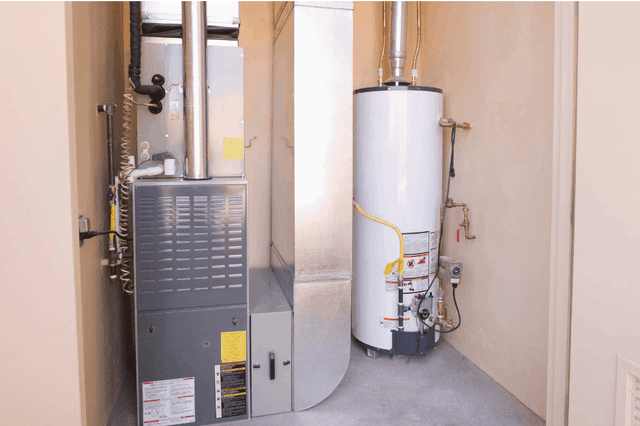
Top Reasons Furnace is Not Igniting
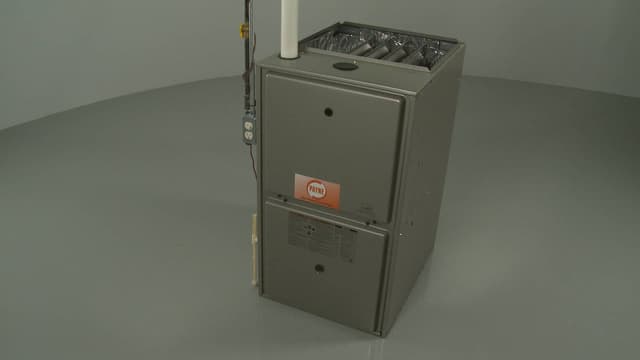
A furnace that fails to ignite can leave your home in the cold. Common issues include a faulty igniter, malfunctioning flame sensor, or a defective draft inducer fan motor. Replacing furnace filters and cleaning furnace parts can help prevent these problems.
Why is My Furnace Not Working?
Learn why your furnace isn't working by understanding its ignition sequence and identifying common faulty parts like the igniter, flame sensor, or control board. This article provides practical repair tips and insights into each part's role in the heating process.
5 Causes of a Furnace Starting Then Stopping
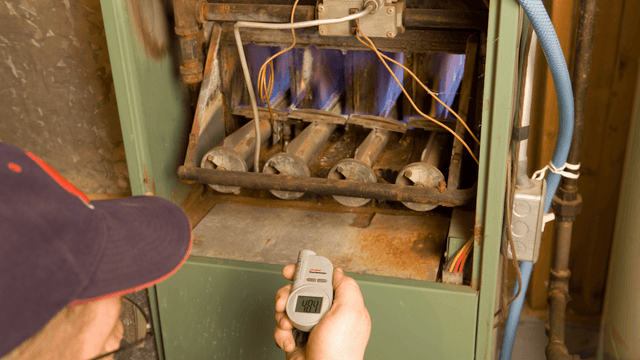
A gas furnace that starts and then stops unexpectedly can be frustrating, especially during cold weather. This article explains five common causes, including issues with the flame sensor, pressure switch, control board, draft inducer fan motor, or air flow. Learn how each cause may impact your furnace's operation and get tips to resolve the problem.




Family-owned and operated since 1912, Burke America Parts Group is the longest-running genuine appliance, HVAC, and outdoor power equipment parts solution in North America. At Repair Clinic, we're proud to be an international brand trusted by the pros as well as the DIY community.
About Repair Clinic